
Typical cultural model:Address the problem wherever it arises.
Selecting locations for building exemplary provincial-level cultural models is difficult enough, but ensuring these models meet criteria, make a lasting impact, and are sustainably maintained is even more challenging, especially when local administrative structures have recently been reorganized and merged. Changes in personnel, boundaries, and names, along with dispersed resources, have made many localities hesitant to invest. However, with the motto "addressing difficulties wherever they arise," many localities are striving to maintain and promote the cultural models they have established.
Thanh Nga/Present:Hong ToaiAugust 29, 2026
*****
Selecting locations for building exemplary provincial-level cultural models is difficult enough, but ensuring these models meet criteria, make a lasting impact, and are sustainably maintained is even more challenging, especially when local administrative structures have recently been reorganized and merged. Changes in personnel, boundaries, and names, along with dispersed resources, have made many localities hesitant to invest. However, with the motto "addressing difficulties wherever they arise," many localities are striving to maintain and promote the cultural models they have established.

Village 2/9, formerly Con Cuong commune, was previously selected to be a model village at the provincial level. However, this year, the village has requested to withdraw from the list of eligible locations. The reason given is that after the reorganization and merger, the village's leadership structure has undergone many changes, making it difficult to implement the planned activities.
This is regrettable, because to be selected as a model for cultural development, a locality must have a preparatory process, from cultural movements and institutions to public consensus and the ability to mobilize resources.
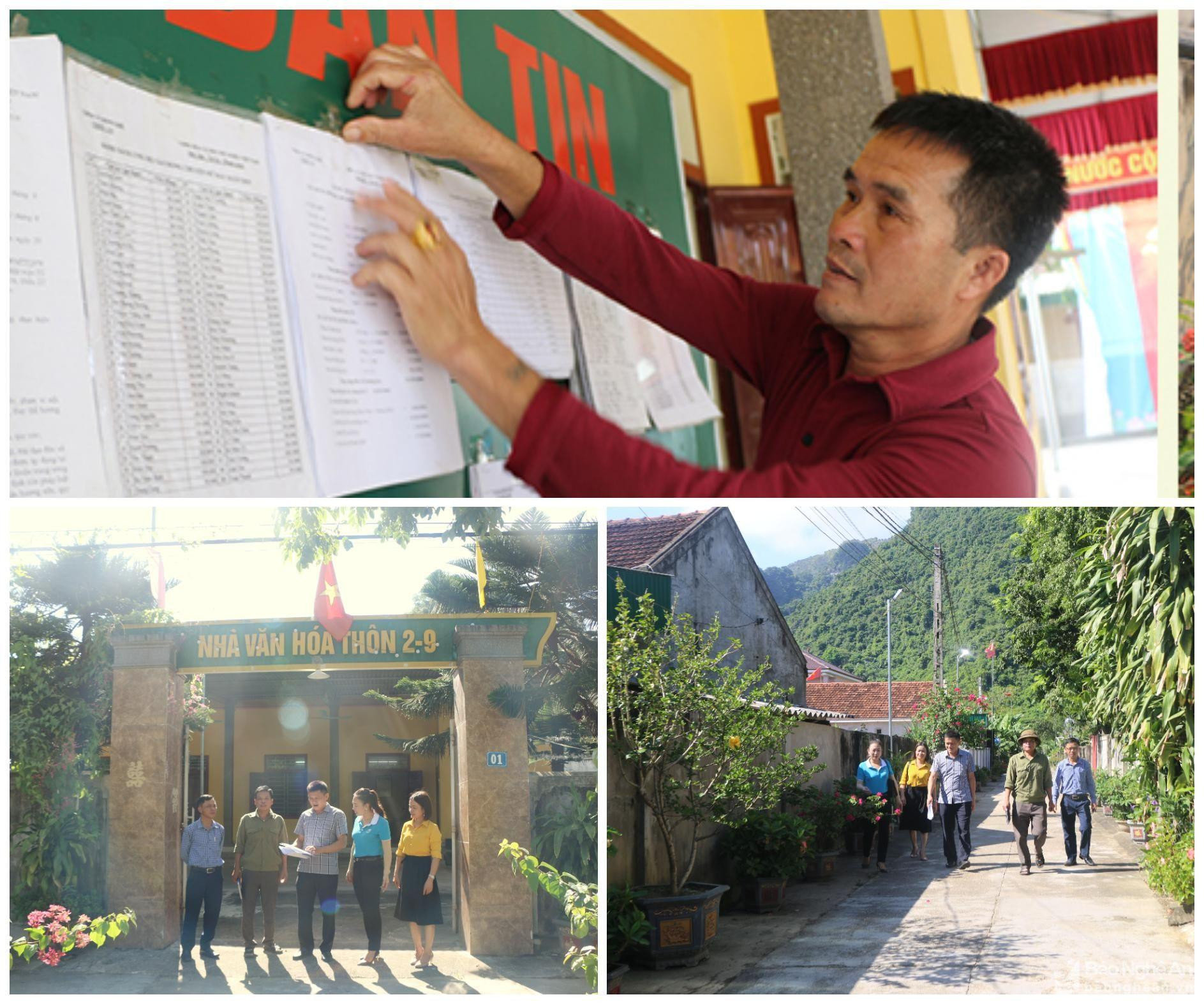
According to Ms. Phan Thi Thuy, Head of the Culture and Social Affairs Department of Con Cuong Commune: Although after the merger, Hamlet 2/9 and Vinh Hoan Hamlet have formed a new hamlet called Binh Minh, local officials still wish to continue building a model of a typical cultural village. However, the current difficulty is that the location for building the model cannot be standardized according to the new criteria framework, which includes the requirement for population size, meeting 70% of the population out of a total of over 300 people.
The story in Con Cuong commune is not an isolated case. Among the 11 exemplary cultural models implemented, including 7 cultural village models and 4 models for preventing and combating domestic violence, some have requested to be discontinued.
Specifically, there are three models that have requested a temporary suspension of construction: the Cultural Village model in Hamlet 2/9 (now Binh Minh hamlet), Con Cuong commune; the Cultural Village model in Tan Thai hamlet, Tan Phu commune; and the model for preventing and combating domestic violence in Thuan Yen hamlet (formerly), Tan Phu commune. A common point in these areas is that the local administrative structure has changed, and the reorganization of personnel after restructuring has created significant obstacles to the implementation of the models.
Notably, some models, after being implemented and rebuilt, were not continued at the original location but moved to another area. This has led some local officials to be hesitant and reluctant to invest heavily in the model. Tan Thai hamlet, Tan Phu commune, is one example.
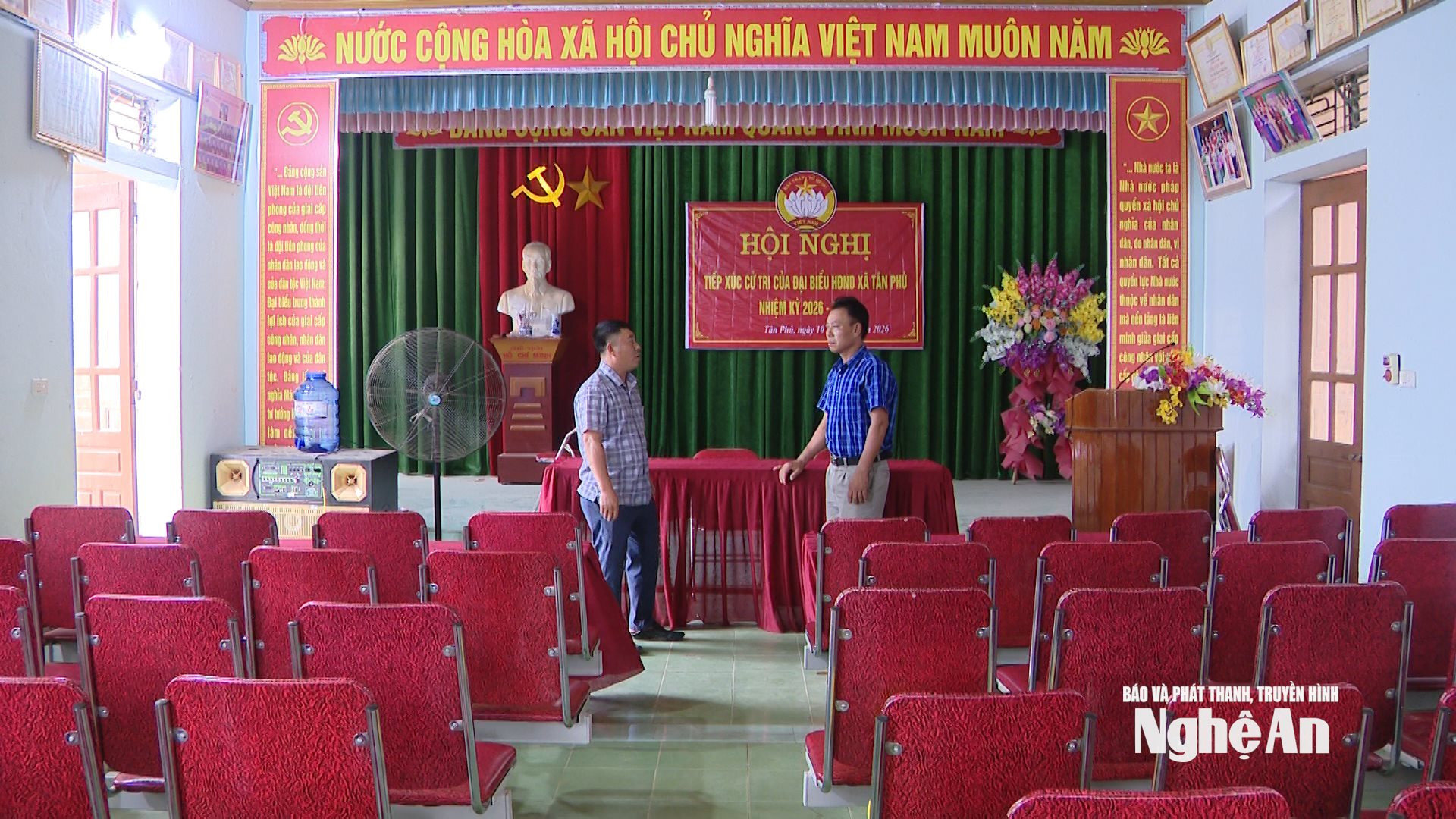
From this reality, it can be seen that the difficulty in building exemplary cultural models lies not only in whether or not there is sufficient funding. Behind every model is a whole process of mobilizing people, organizing movements, building institutions, maintaining activities, and creating community consensus.
According to the criteria, a model cultural village at the provincial level must meet several requirements. First, there are organizational criteria: The area must have been recognized by the competent authority as a cultural village, hamlet, or equivalent for at least three consecutive years; there must be a Steering Committee for the "All People Unite to Build a Culturally Rich Life" movement and family affairs at the commune level to guide the model's development; and the model must have previously been implemented at the district level.
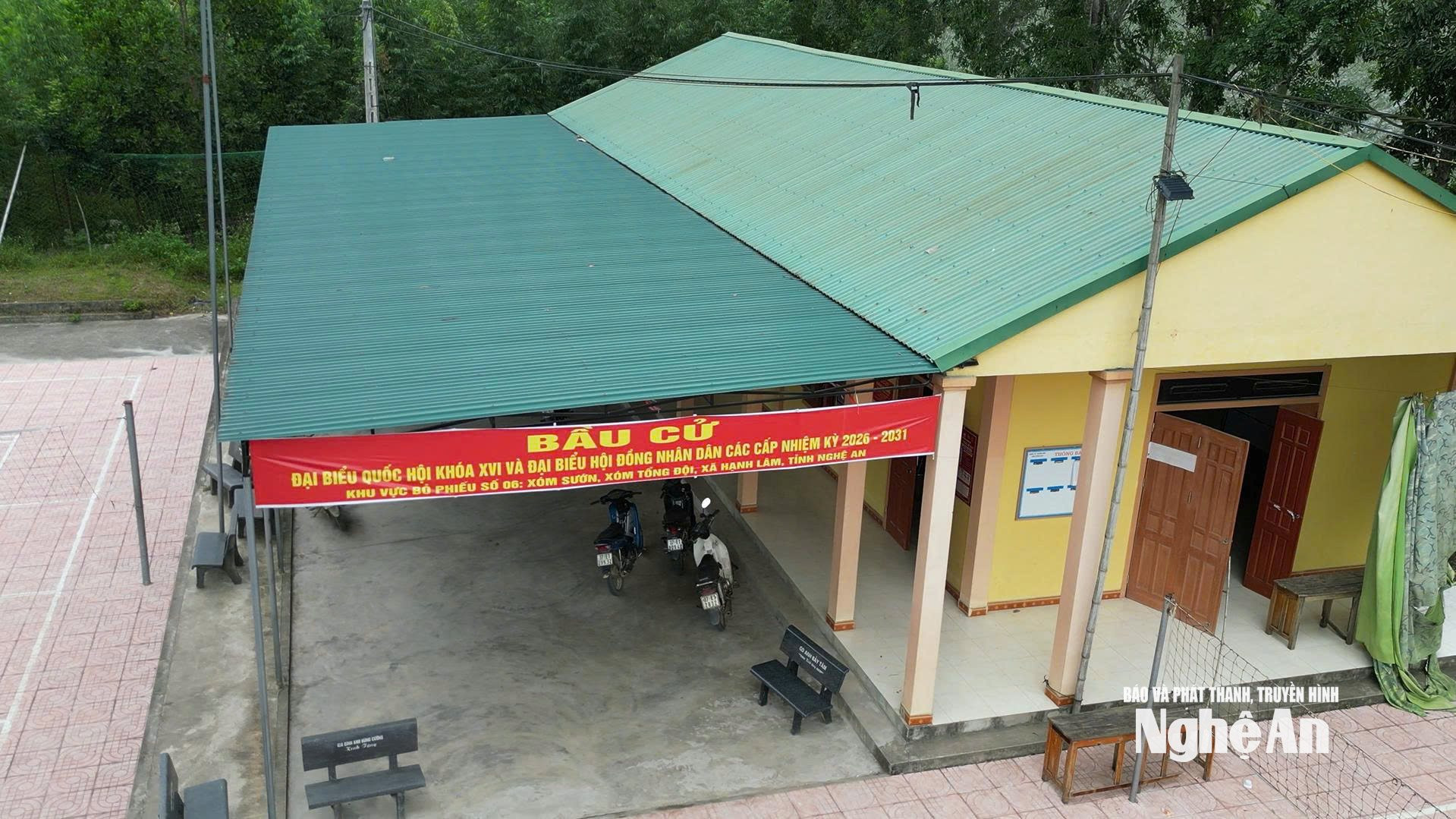
Next is the criterion regarding facilities, which includes a suitable venue for the activity and appropriate cultural equipment such as costumes, props, tables and chairs, amplifiers, speakers, microphones, etc.
In terms of activities, the model must be maintained regularly, with at least one meeting per month; it must make practical contributions to building cultural life and focus on membership development. Finally, there is the criterion regarding funding, including local government support, member contributions, and social mobilization.

According to Ms. Tieu Quynh Trang, Deputy Head of the Cultural Affairs Department at the Provincial Cultural Center, to build an effective cultural model, it first requires the support of the people and the community. In addition, grassroots cultural officials must be truly enthusiastic and highly determined.
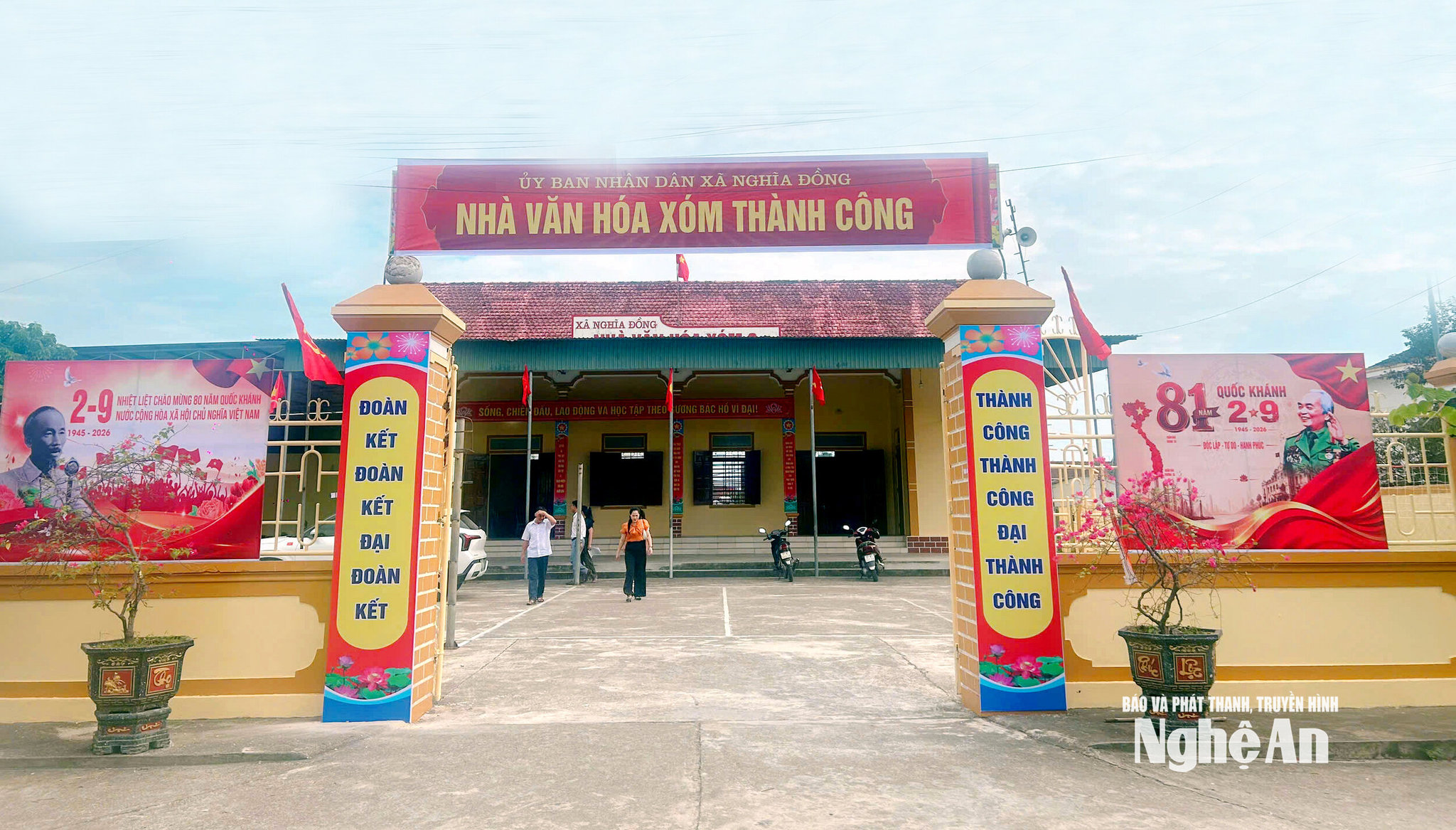
Typically, the specialized unit will survey areas that already have basic criteria for cultural institutions, then develop a budget estimate and discuss it with the local government. When the commune is truly determined and can mobilize the people's support, the specialized agency will provide financial support as well as guidance on implementation methods.
However, the post-merger period is making implementation difficult. Changes in the organizational structure and limited funding are compounded by increasingly high demands for a model cultural institution. “The 20 million VND in funding to support the model is only part of the solution. To create a truly effective cultural institution that meets the needs of the people, the locality must also invest in infrastructure, organize activities, build human resources, and maintain operations,” Ms. Trang said.
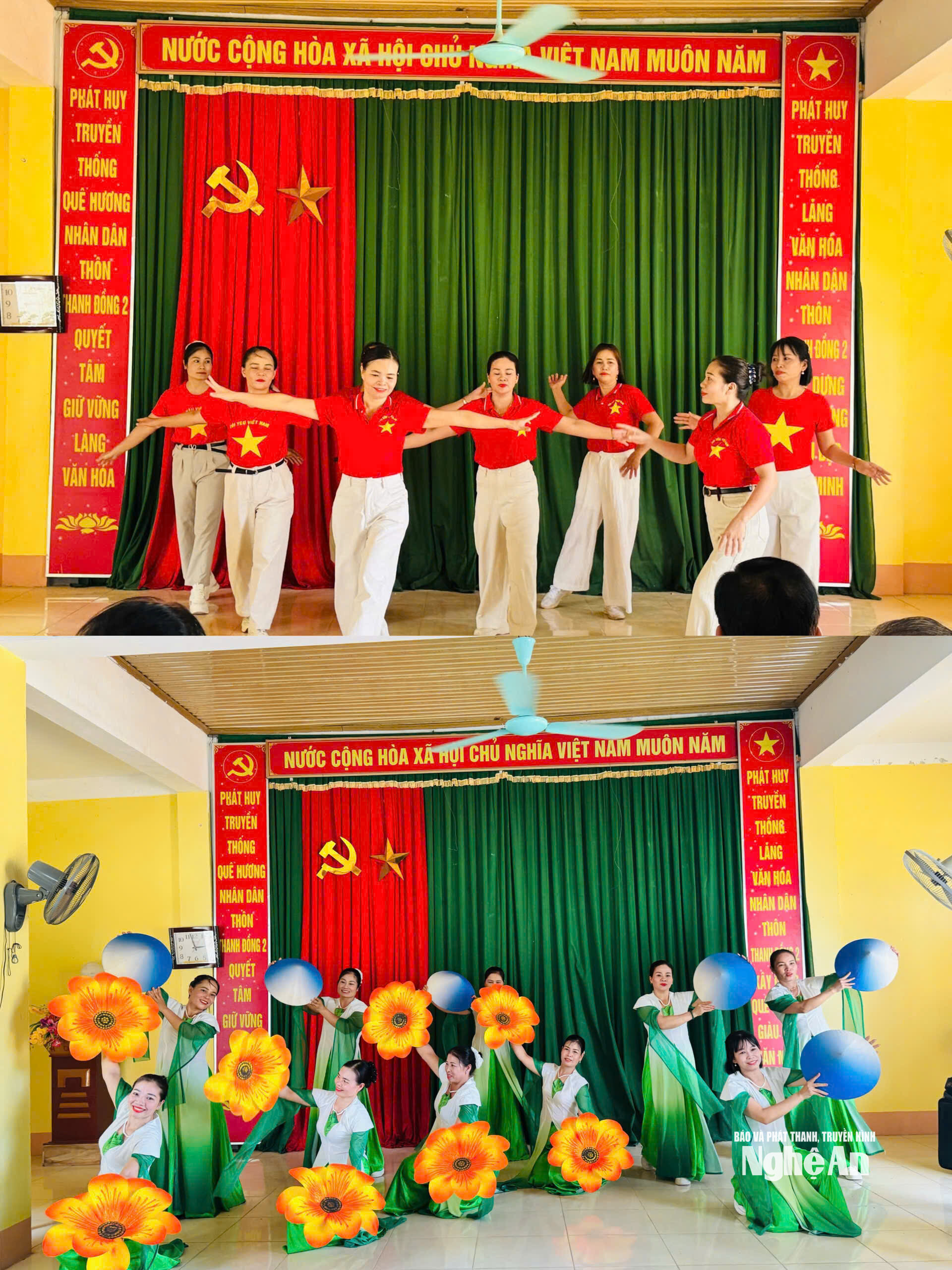
According to Ms. Trang, some places require investments of hundreds of millions of dong to complete cultural facilities. Meanwhile, the commune's budget is insufficient to meet these needs, so the majority still relies on the people's efforts…
A model chosen to be a typical provincial-level cultural model not only needs to meet the criteria but also must stand out, have distinctive features, and create a unique appearance. Accordingly, in addition to facilities serving community life, the locality must also focus on items for the elderly, visual communication systems, cultural activity spaces, and projects that create a unique identity. If the model is only superficially completed without creating distinctive features, it will struggle to demonstrate its "typical" character.
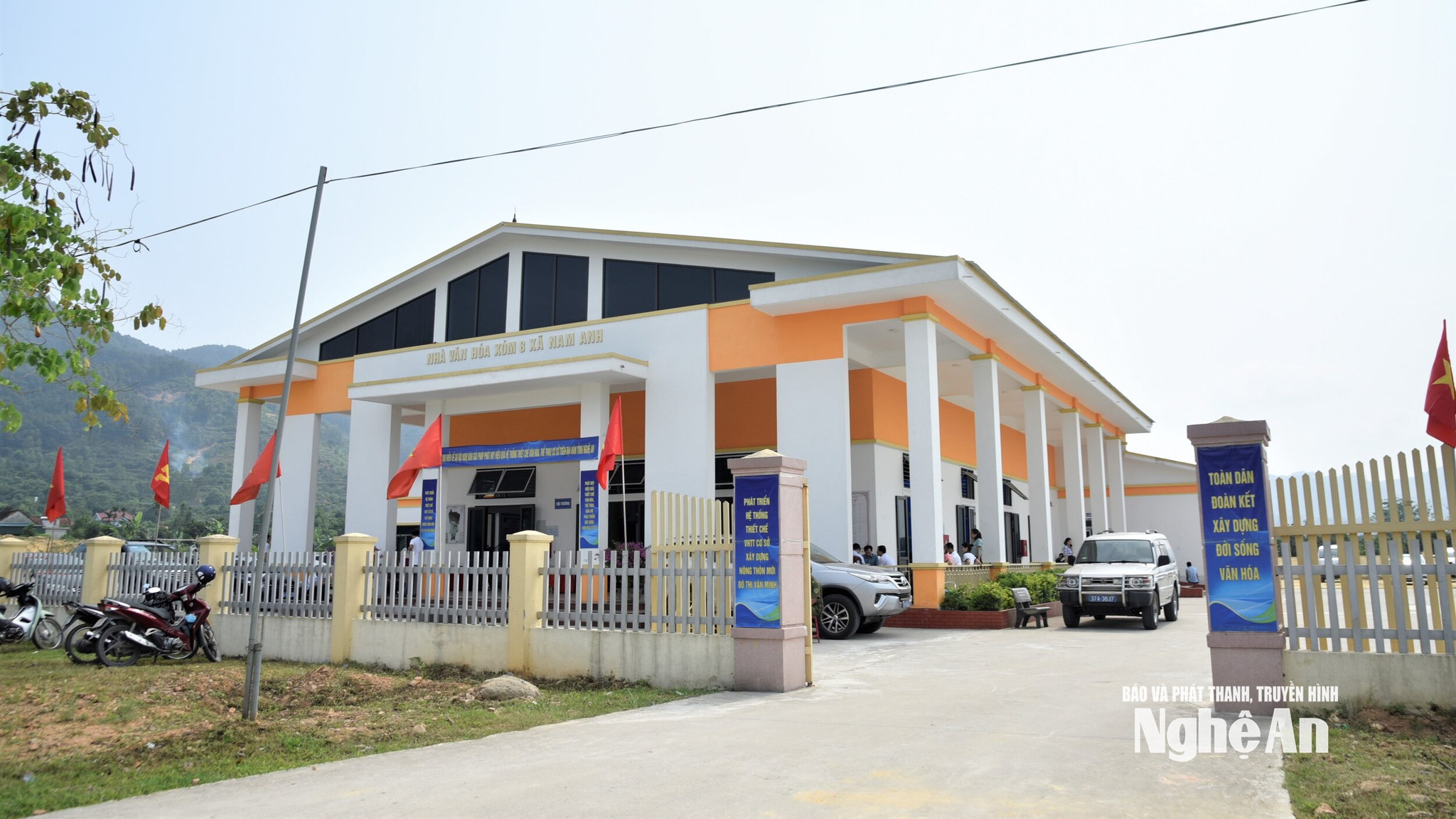
This is also a problem that many localities have to consider. Because to change the appearance of a residential area, build a visual communication system, supplement institutions, and create a synchronized cultural space, the necessary funding can amount to hundreds of millions of dong. Meanwhile, after the merger, local authorities are already dealing with many tasks, so the resources allocated to culture need to be carefully considered.
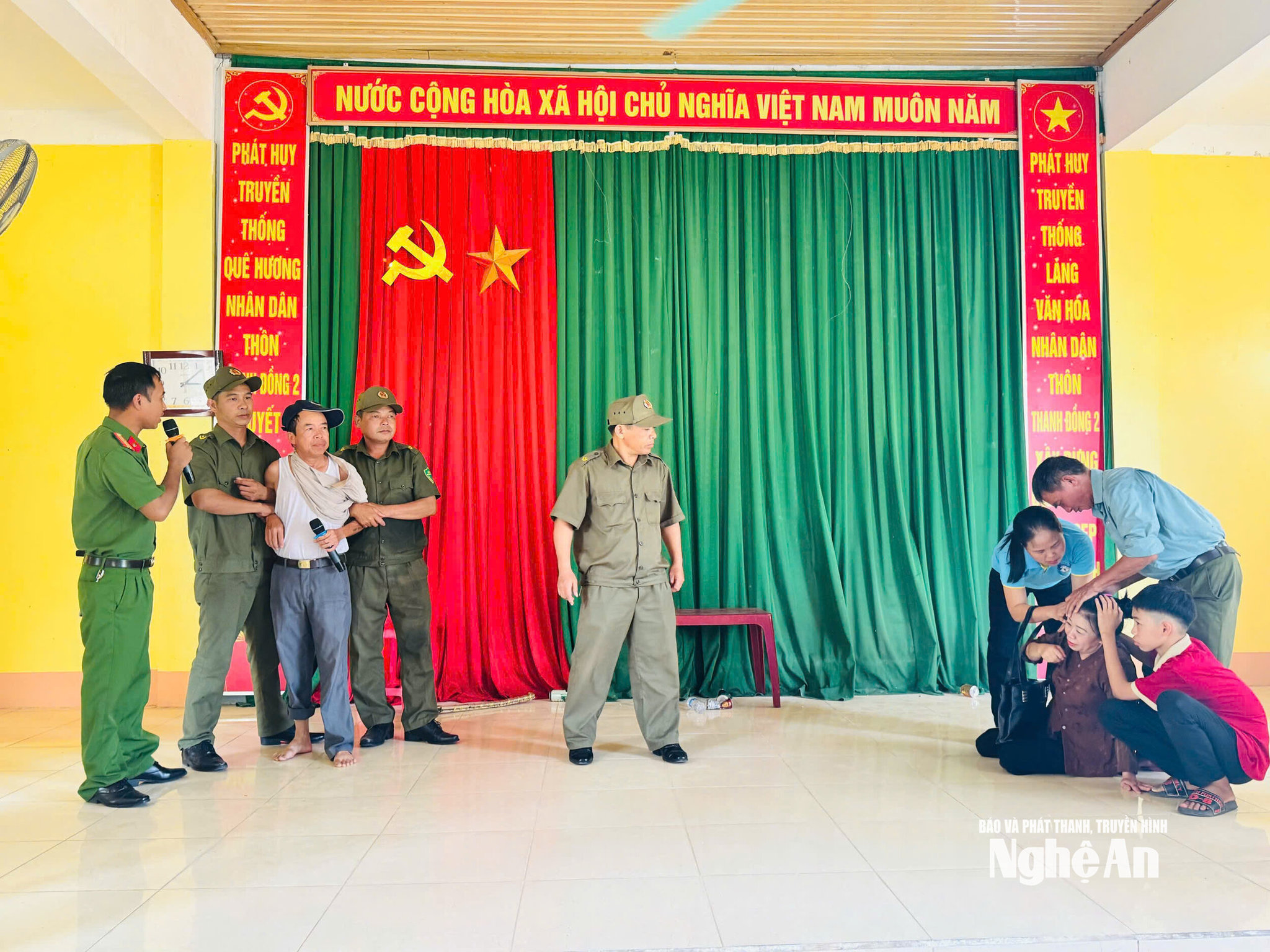
According to Ms. Nguyen Thi Hoai An, a specialist in the Cultural Affairs Department of the Provincial Cultural Center: "With the model of preventing and combating domestic violence linked to the dissemination and education of ethics and lifestyle within the family, the requirements do not stop at erecting a propaganda board or organizing a few meetings. Localities must diversify the forms of propaganda on marriage, child marriage, consanguineous marriage, family behavior, skills to protect and support victims of domestic violence, prevention, deterrence, and handling of acts of domestic violence."
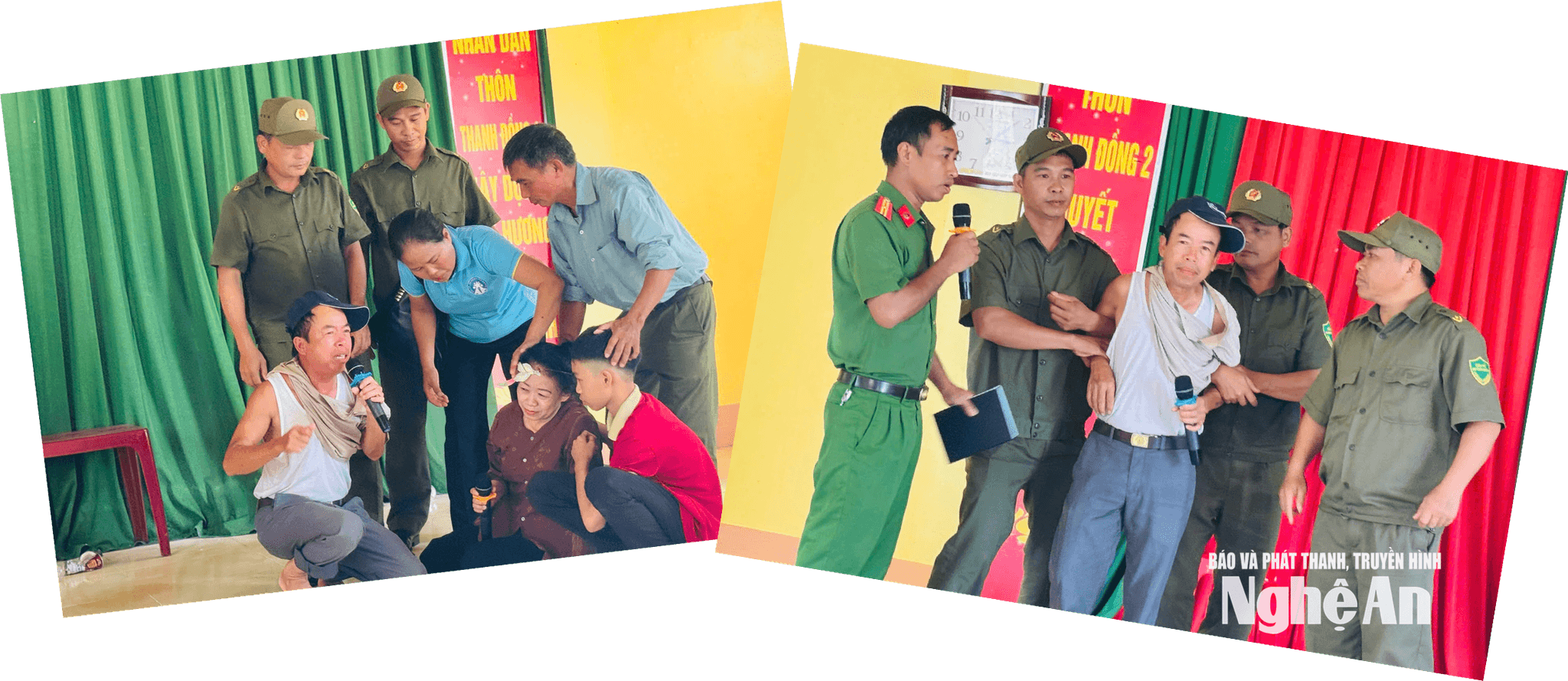
Activities can be organized in various forms such as thematic talks, themed gatherings, democratic discussions; developing cultural and artistic programs, propaganda plays, organizing competitions on knowledge and skills in organizing family life; and integrating content on preventing and combating domestic violence into other local communication activities.
In addition, the model requires that 90% or more of household members know the community's trusted address, the national hotline number for preventing and combating domestic violence, and receive training in knowledge and skills related to preventing and combating domestic violence. Localities must also have Sustainable Family Development Clubs to bring families together to participate in activities, share experiences and knowledge about family life.
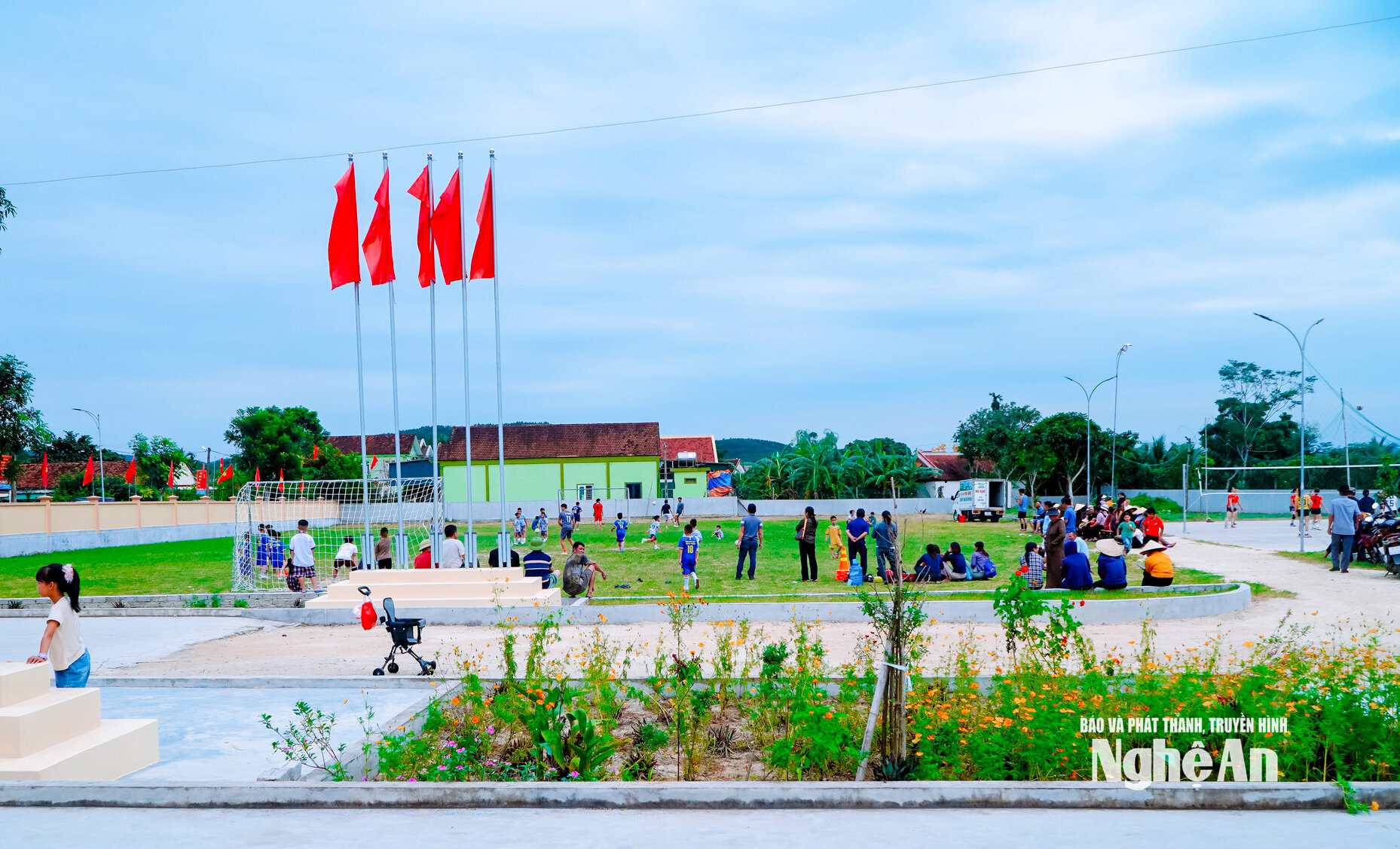
In the context of administrative unit restructuring and mergers, the need to adjust or even withdraw selected models must be frankly acknowledged. If obstacles related to personnel, location, criteria, and resources are not resolved, the reluctance of local officials to invest may persist.
For culture to be sustainable, it cannot rely solely on models built according to a plan. A model only truly thrives when people see it as their space, local officials consider it their responsibility, and the locality has sufficient resources to maintain it over time.


