A good school year is not measured solely by grades.
As the new school year approaches, in addition to textbooks and study plans, students also need to prepare themselves mentally to return to school with a proactive and positive attitude. Regarding this topic, Nghe An Newspaper and Radio & Television had an interview with Dr. Tran Hang Ly, lecturer in the Psychology - Education Department, Vinh University of Education.

My Ha (Perform)- Present:Nam Phong
As the new school year approaches, in addition to textbooks and study plans, students also need to prepare themselves mentally to return to school with a proactive and positive attitude. Regarding this topic, Nghe An Newspaper and Radio & Television had an interview with Dr. Tran Hang Ly, lecturer in the Psychology - Education Department, Vinh University of Education.

Dr. Tran Hang Ly:Every time a new school year begins, my concern isn't just whether students have prepared their books, uniforms, and study plans, but also how they approach the school year. Psychological readiness greatly influences a child's ability to adapt, their motivation to learn, and their emotions during the first few weeks.
Therefore, the beginning of the school year shouldn't just be a time for adults to set a series of goals regarding grades and achievements. It should first and foremost be seen as a transitional period, helping children gradually regain their learning rhythm, reconnect with school, and build motivation for a new journey.
A successful school year isn't just measured by grades. More importantly, after each school year, children are more knowledgeable, more confident, more responsible, and still retain their joy of going to school.
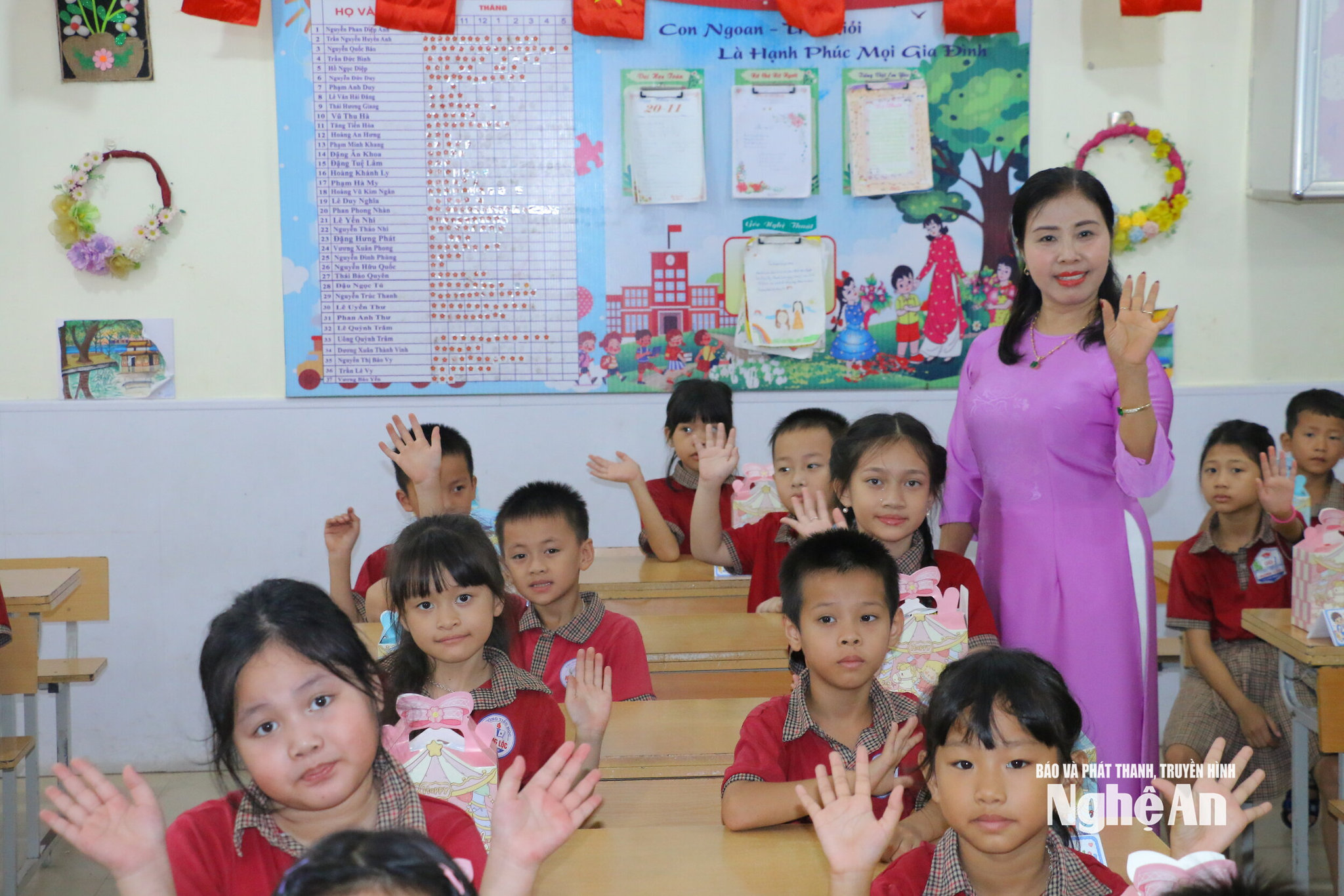
Dr. Tran Hang Ly:Not all students are excited to return to school. For some, the beginning of the school year can bring mixed emotions, including pressure from changes in daily routines and study schedules. When moving to a new grade, the amount of knowledge and requirements usually increase. Some students are constantly reminded of grades, achievements, and exams from the very beginning of the year. This can easily make them feel like they have a long and difficult road ahead.
For graduating high school students, the pressure is even greater as they simultaneously face academics, exams, school choices, career orientation, and family expectations. If adults constantly emphasize that "this is the year that will decide your future," students may easily view exams as a test that determines their self-worth.

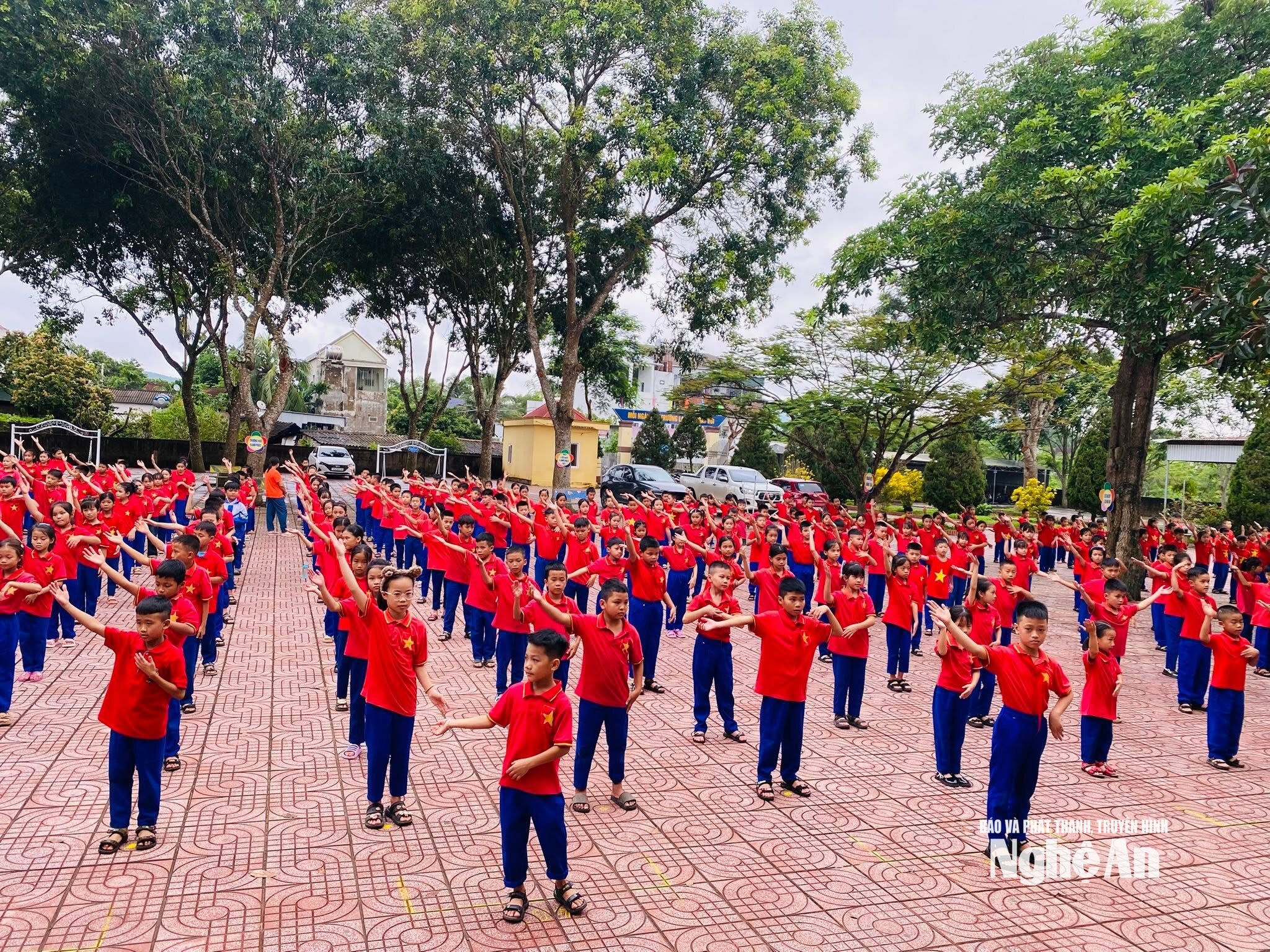
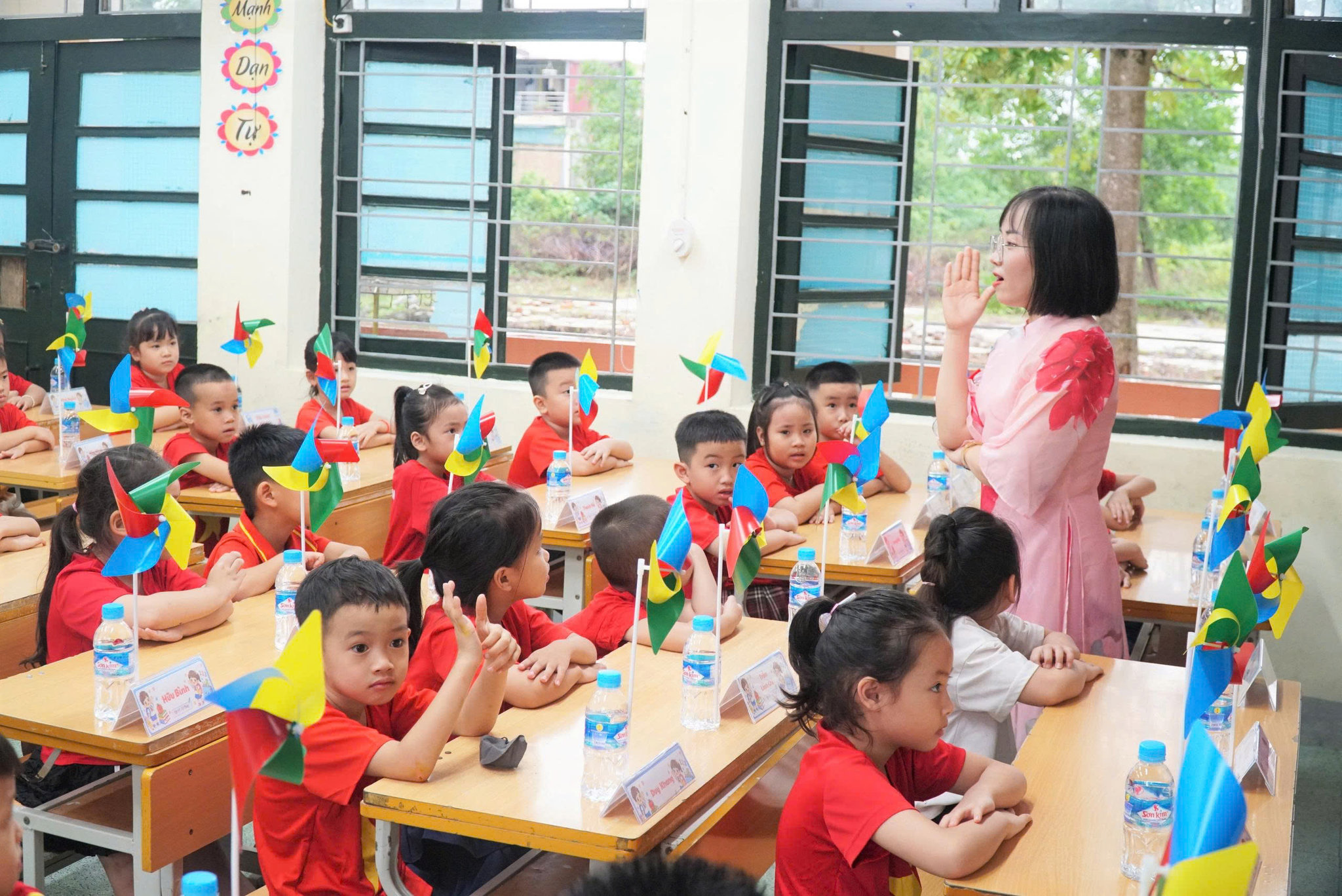
Therefore, the most appropriate preparation is to gradually bring children back to the learning rhythm. Learning goals should also be broken down into short stages. Instead of setting the goal of "achieving excellent student status this year" right from the start, you can begin with specific things like arriving at school on time, completing assignments daily, reading ahead for new lessons, asking teachers when they don't understand, or maintaining a regular self-study schedule.
For graduating students, it's important to help them understand that while exams are important, they are not the entirety of their lives. A single exam result cannot fully reflect a person's abilities, qualities, and values. By viewing exams as a task requiring careful preparation, students will experience less stress and become more proactive.

Dr. Tran Hang Ly:It's natural for parents to want their children to do well in school, grow up successfully, and have a bright future. Expectations aren't always negative. The issue lies in the level of expectations and how parents express them.
If expectations are appropriate for a child's abilities and accompanied by encouragement and support, they can become a source of motivation. Conversely, when expectations are too high or conveyed through criticism, comparison, and pressure, children are more likely to perceive them as a burden.
It's quite common for adults to unintentionally equate academic achievement with a child's worth. When children get high grades, they receive praise, but when they get low grades, they hear comments like, "Why are you so bad?", "Your friend did it and you couldn't," or "Your parents have invested so much in you." Such words can lead children to believe they only receive recognition and affection when they achieve good results.
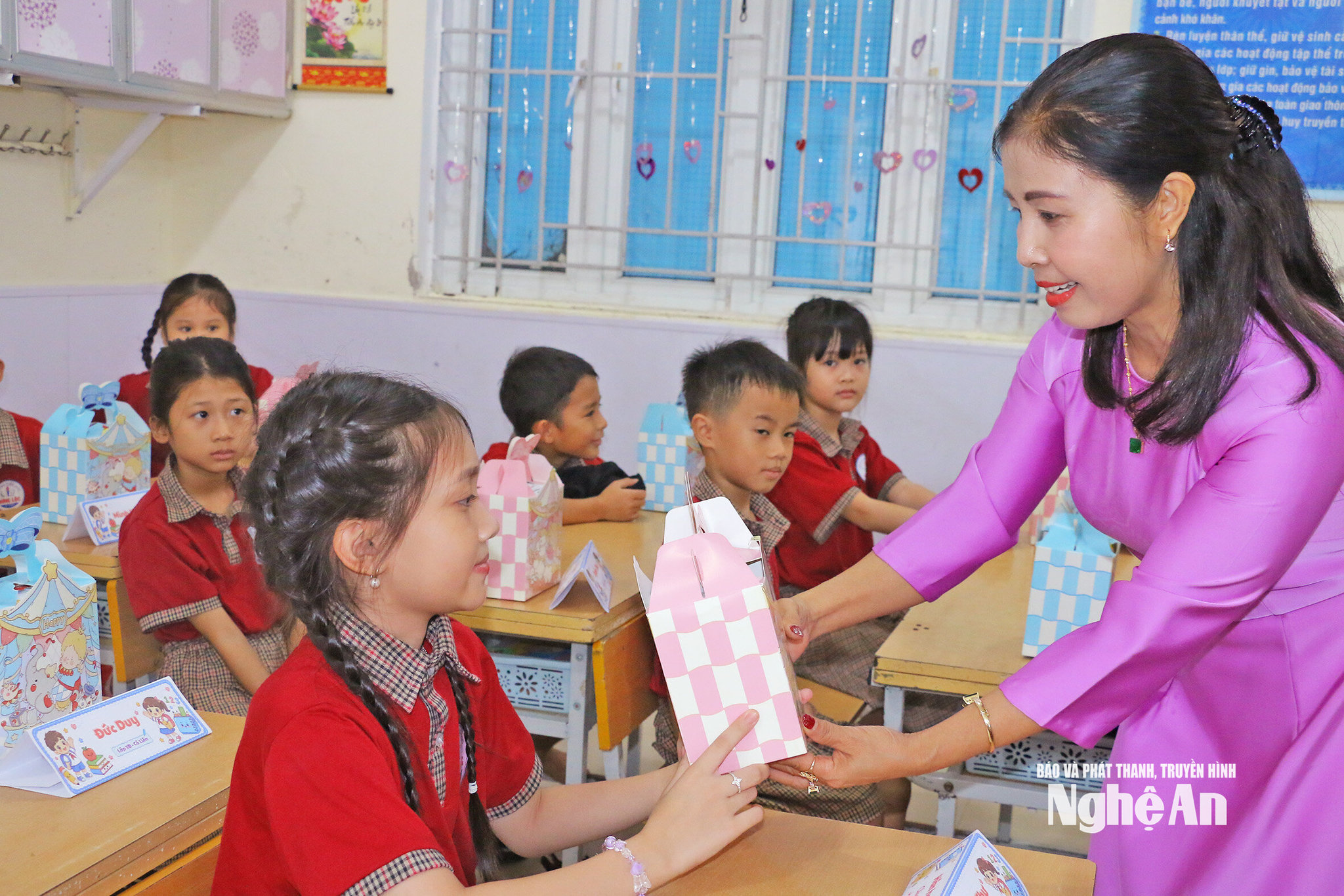

In my opinion, parents should avoid three things. First, comparing their children to others, because each child has their own strengths, pace of development, and circumstances. Second, setting goals that are beyond the child's realistic capabilities. Third, only asking about grades while paying little attention to the child's learning process and emotional state.
Instead of asking, "What grade did you get today?", parents could ask, "What new thing did you learn today?", "Was there anything you found difficult?", or "What kind of support do you need from us?". A small change in how you phrase your questions can make a big difference in how children feel.
The important message parents need to help their children understand is: Parents want their children to improve, but they don't demand perfection. Children can make mistakes, sometimes don't achieve the desired results, and they always have the right to try again. When the family is a place where children can talk about failures without fear of judgment, it is one of the best resources for protecting their mental health.

Dr. Tran Hang Ly:Recent educational reforms have brought about many positive changes. Students have more opportunities to participate in experiential activities, work in teams, solve problems, apply technology, and develop their creativity. Assessment is also gradually shifting towards focusing on students' competencies and progress, rather than solely on their ability to memorize knowledge.
Psychologically, these changes can help students become more proactive, express themselves, and have more opportunities to experience success.
However, innovation also requires adaptation. If students are simultaneously faced with too many tasks, experiential activities, tests, supplementary classes, and diverse expectations, the risk of overload remains. Innovation is only truly meaningful when implemented in a way that suits the abilities, needs, and developmental characteristics of students.

Another noteworthy issue is that children's psychological well-being is now influenced not only by family and school but also strongly by the digital space and social media. They easily compare themselves to others, feel pressured to be recognized, and strive for success or a positive image in front of their peers. Bullying can also continue in the online environment even after students have left school.
Therefore, along with reforming the curriculum and teaching methods, we need to pay equal attention to students' adaptability and mental health.
Families and schools need to pay attention when children experience prolonged changes such as loss of interest in learning, frequent anxiety, irritability, withdrawal, fear of going to school, sleep disturbances, reduced interaction with peers, or persistently negative self-assessment.
What needs to be avoided is hastily labeling these behaviors as "laziness," "stubbornness," or "lack of willpower." Sometimes, the behavior that adults see is merely the outward manifestation of a psychological difficulty that the child has not yet learned to name or express.


PV: Currently, psychological counseling and support services have been introduced into schools, but in reality, they have not been effective and there are still many gaps. According to the Doctor, what should schools do to detect and support students facing difficulties early?
Dr. Tran Hang Ly:One limitation in how we view school counseling is that we often only consider it when students have already encountered serious problems. Meanwhile, a more effective approach should be prevention, early detection, and support tailored to the student's level of difficulty.
First and foremost, schools need to create an environment where students feel safe talking about their feelings and problems. They need to know that when they are bullied, stressed about their studies, have conflicts with friends, face family difficulties, or experience uncontrollable emotions, there is always a trustworthy person or place they can turn to.
Teachers, especially homeroom teachers, play a crucial role because they have the opportunity to observe students' daily changes. However, teachers should not be expected to become psychologists. Teachers need to be equipped with basic knowledge and skills to identify signs, listen attentively, provide appropriate support, and know when to refer students to a professional.

-3930f2854fb1df7d7e62dc2aba879aa6.jpg)
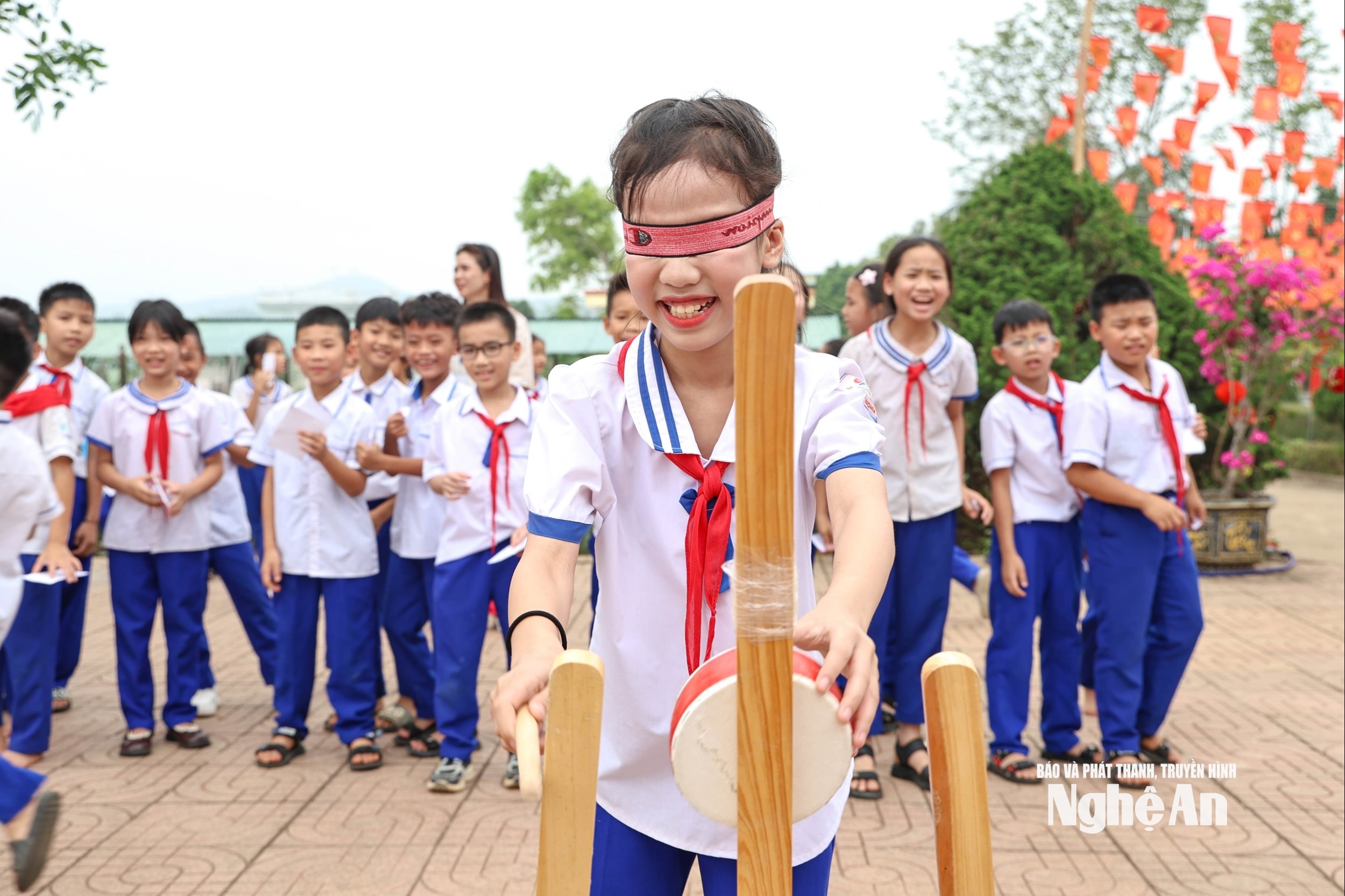
Parents are an indispensable link in the chain. When the school discovers a problem, families and teachers need to cooperate to understand and support the child, instead of arguing about who is at fault. Parents also need to proactively inform the school if there are any family events that could affect their child's psychology.
In cases that exceed the teacher's usual support capabilities, the involvement of counselors or psychologists is necessary. An effective system must create connections between students, teachers, families, schools, and professionals.
Dr. Tran Hang Ly:The word "sharing" in the school year's motto carries a very significant meaning. A modern education is not only built on technology, facilities, or new teaching methods, but also on positive relationships between people.
From a psychological perspective, sharing primarily means knowing how to listen, putting yourself in the other person's shoes, and being ready to support them when they are in difficulty.
For schools, sharing is demonstrated through building a democratic, friendly, and safe environment where students, teachers, and parents all have the opportunity to express their needs, difficulties, and suggestions.
.jpg)
The spirit of sharing can be concretized through many small actions: Teachers dedicate the first few minutes of class to paying attention to students' feelings; the classroom has a channel for students to express their worries; parents listen to their children before offering advice; students know to ask a friend who is upset, "Are you okay?".
When these small actions are repeated every day, "sharing" will no longer be a slogan but will become a value in the school culture.
This also forms the foundation for building a truly modern and happy school, where students are not only equipped with the knowledge and skills to enter the future but are also respected, listened to, and develop healthily in terms of psychology, emotions, and personality.
PV: Thank you, Dr. Tran Hang Ly!