
Manchester United faces the £150 million cap: Financial dilemmas and shocking departures.
Manchester United can only spend a maximum of £150 million if they qualify for the Champions League. Financial experts warn the club will be forced to sell star players to address its massive transfer debt.
Manchester United's summer transfer plans are at a critical juncture. According to in-depth analysis from Adam Williams, a football finance expert at GRV Media, the Old Trafford club is expected to spend a maximum of around £150 million, with the prerequisite being qualification for the UEFA Champions League.
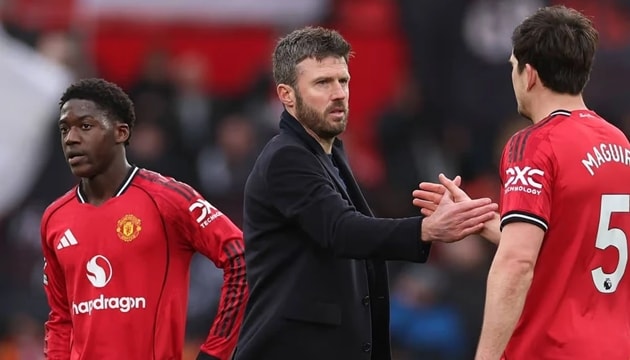
The key to Ineos' owners' strategy isn't about spending money, but about offloading players. The club needs to make some shock sales to balance cash flow and create room for new signings given their alarming financial situation.
The dire financial situation at Old Trafford
Manchester United's biggest problem right now isn't just the Profit and Sustainability (PSR) regulations, but a serious cash flow shortfall. As of the most recent financial report, the club had used £290 million of its £350 million revolving credit line. Cash reserves have plummeted from £95 million to just £44 million in a single year.
Notably, Manchester United is burdened with a net transfer debt of £350 million. Of that, £325 million must be paid in installments over the next 12 months. This pressure forces the club to achieve enormous revenue to remain operational.
| Estimated cost items | Amount (Estimated) |
|---|---|
| Annual payroll fund | Over £300 million |
| Installment payment plan (over the next 12 months) | 325 million pounds |
| Operating costs | 170 million pounds |
| Interest | 20 - 40 million pounds |
Expert Adam Williams commented: "You need revenue of around £800 million before you can even break even." This figure is almost impossible to achieve without revenue from the Champions League.
Liquidation strategy and the role of Michael Carrick
Under the new management led by Sir Jim Ratcliffe and Omar Berrada, Manchester United were forced to completely change their approach to the market. Instead of spending money recklessly, the Red Devils would operate more strategically, focusing on raising capital through player sales.

Selling players who are no longer part of the long-term plans or high-value players who have made limited contributions, such as Manuel Ugarte, is seen as a primary solution to reduce the wage bill and reinvest. Adam Williams emphasized that selling players is absolutely essential for Manchester United to be able to make major signings this summer.
Securing a Champions League spot is currently the only "key" to solving the club's financial equation. If Michael Carrick can help the team return to this competition, the net budget of £150 million will become feasible. Conversely, finishing outside the top four will force Ineos to tighten their belts even more drastically, possibly even having to part ways with key players to maintain the massive operational structure at Old Trafford.
Overall, Manchester United's future in the upcoming transfer window will be a delicate balance between their ambition to revive their sporting prestige and the harsh financial realities stemming from the accumulated debt from the Glazer era.


