
MU beat Palace 2-1: Bruno's role was highlighted in the 23rd minute.
The 2-1 comeback only masked the problem: Bruno Fernandes was pulled back to play deeper, leaving gaps in the midfield as early as the 23rd minute. Amorim needs to move him back to the number 10 position for MU to gain momentum.
The 23rd minute at Selhurst Park spoke volumes more than the 2-1 scoreline. A instinctive pressing by Bruno Fernandes left the midfield exposed, a through pass, Daichi Kamada's shot, and only Senne Lammens' save prevented Manchester United from conceding. It was a warning sign that manager Ruben Amorim could not ignore.
The 2-1 comeback victory against Crystal Palace eased the pressure around Manchester United, but their performance – especially in the first half – exposed a significant gap between their current form and that of a stable team, let alone a top-four contender in the Premier League. Palace weren't overwhelmingly superior; they faltered after their midweek fixtures, and only when their opponents were fatigued did Joshua Zirkzee and Mason Mount have the space to turn the tide.
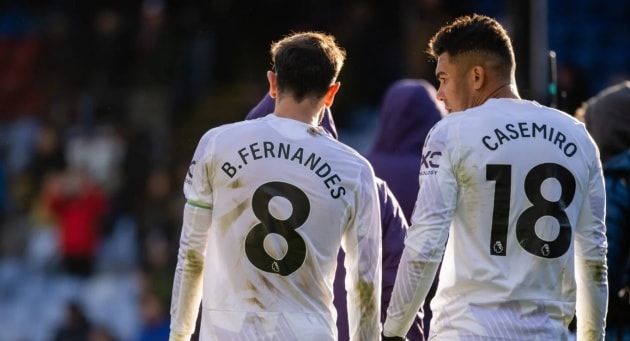
Bruno was used in the wrong role.
The spotlight remained on Bruno Fernandes. He was involved in both goals – a hallmark of a leader. But those two brilliant moments obscured the reality: Bruno is being relegated to a defensive midfield role, a position that doesn't suit him.
The situation in the 23rd minute is a prime example. After a misplaced pass caused MU to lose possession in midfield, Bruno immediately pressed forward. A simple pass was enough to get him out of position, leaving a huge gap in front of the penalty area. Casemiro was forced to chase after him and couldn't fill the gap. Kamada had the ball in a favorable position right in front of the penalty area, and if it weren't for Lammens' save, the scenario would have been different.
More importantly, after being beaten, Bruno was standing… next to Joshua Zirkzee instead of defending the midfield. It was a snapshot showing he was being put in the wrong role: a true defensive midfielder should hold his position and intercept passes at their source.
Defensive gaps and a lack of attacking ideas.
The consequences weren't just gaps in front of the penalty area. When Bruno was pulled too deep, MU's attacking system lost half its originality. Without a true number 10, the play became disjointed, relying heavily on inspiration and spontaneous plays.
With just two injuries (Matheus Cunha and Benjamin Sesko), Amorim had to bring on Mount and Zirkzee – a stopgap solution rather than a long-term plan he wanted to build. This further highlights MU's need for a stable creative axis in midfield.
Minimal adjustment, maximum efficiency
The solution is actually not complicated: move Bruno back to the number 10 position – where he connects the midfield with the attacking trio, creates breakthroughs, and dictates the tempo.
- Central axis structure: Kobbie Mainoo plays alongside Casemiro to balance defense and transition.
- Up front: a soft attacking triangle with Bruno – Matheus Cunha – Bryan Mbeumo (or Mason Mount when AFCON takes place).
- Forward role: Benjamin Sesko is the classic number 9; Joshua Zirkzee becomes a quality rotation option.
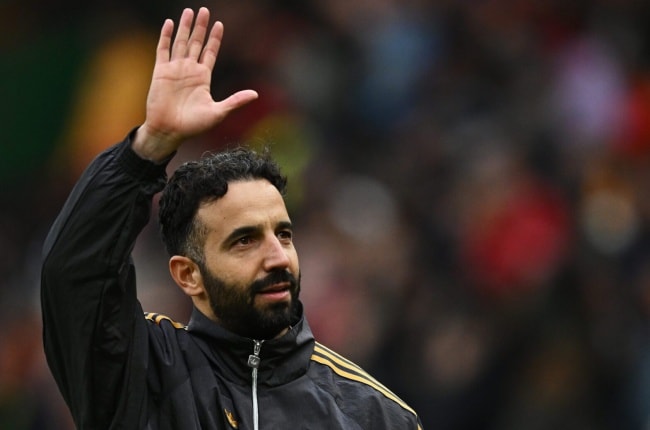
Impact on MU's journey
Amorim doesn't need a major overhaul. Just a small change – moving Bruno back to his familiar position – could help MU function more smoothly: reducing defensive gaps in the midfield and unlocking the captain's creativity to its fullest. The win against Palace is a positive sign, but to accelerate progress and achieve stability, that decision needs to be made as soon as possible.


