
The season for catching mussels to feed lobsters in Cua Hoi.
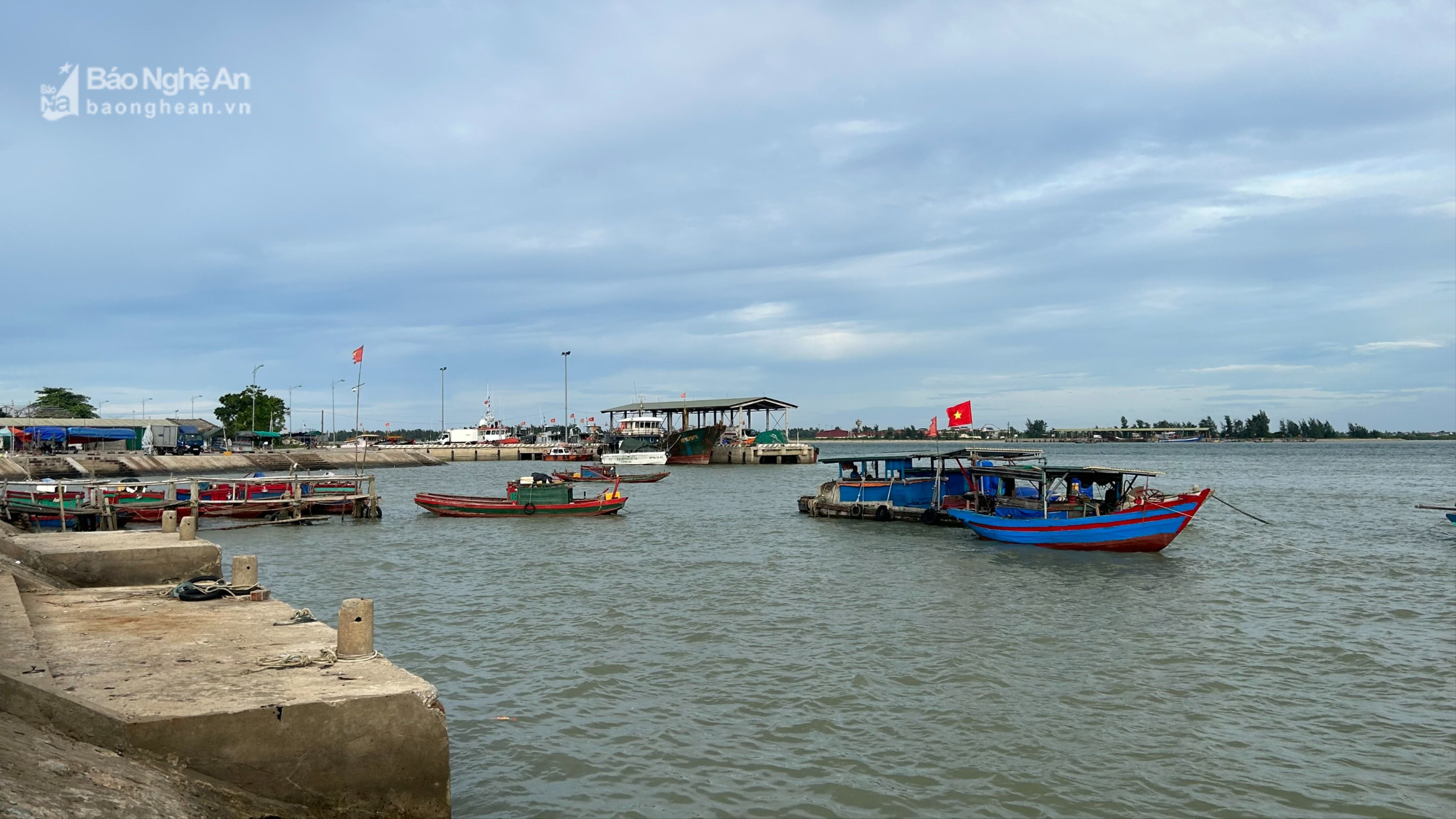
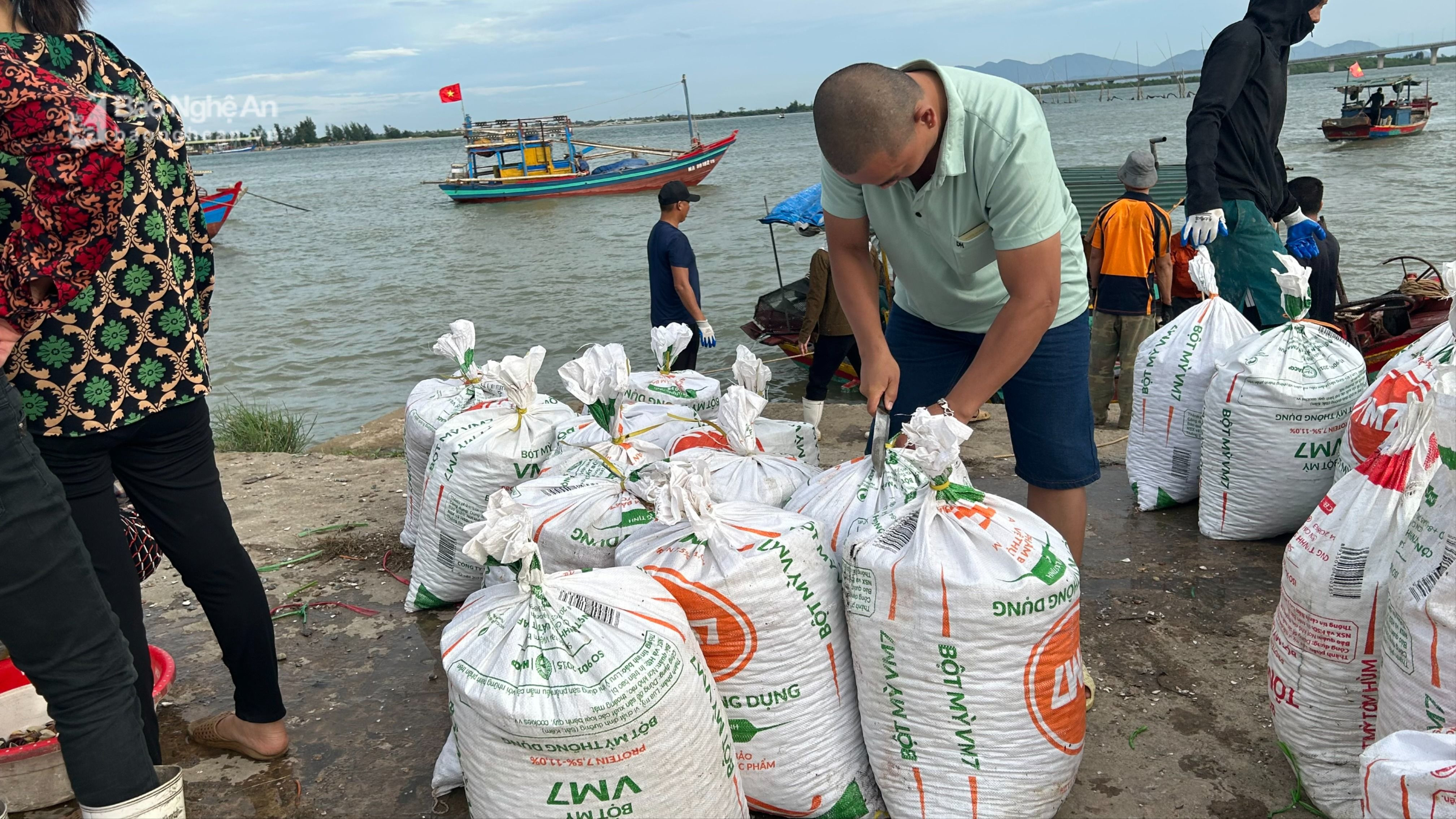
(Baonghean.vn) - In the evenings at Cua Hoi these days, it's easy to spot pairs of boats returning to the port, hauling tons of mussels in sacks. As the boats dock, the porters quickly carry the sacks of mussels ashore.
An old fisherman named Hai, who had just brought his boat to port, said that his boat goes out in the morning and returns within the day. During this season, the water is shallow, and the clams are densely packed on the sand, so each trip with 3-4 crew members yields about 800 kg to 1 ton. The clams are put into 50 kg sacks, brought ashore, and ice is added before traders buy them and immediately transport them to the South.
"Whatever we catch from the trawling boats in the river is put into sacks. We know that traders buy them to sell to lobster farmers, grinding up the clams to use as feed for the lobsters. They buy everything we catch," said an old fisherman named Hai.
Ms. Nguyen Thi Hoa, a seafood trader at Cua Hoi Port, said: "We're also waiting to buy clams to sell at the markets. Clams are small but meaty and juicy, perfect for making soup or porridge. Unfortunately, they won't sell them because they ship everything they get to the South. We have no choice but to wait here, hoping to buy some mussels if they become available."
Ms. Hoa, like other women waiting for the boats to return, thought to herself, "If we can't get mussels, we'll wait for clams." During the process of raking for mussels, the crew members could collect several dozen kilograms of clams, sometimes even shrimp, to sell at the port. Each kilogram of clams, priced at 80,000 VND, could bring in a few million VND per boat. Each boat, having gone out for a day, could earn 5-10 million VND after selling the mussels, before deducting expenses. Each 50 kg sack of mussels was bought by traders for 600,000-700,000 VND, while the selling price per kilogram of mussels was 10,000-12,000 VND.
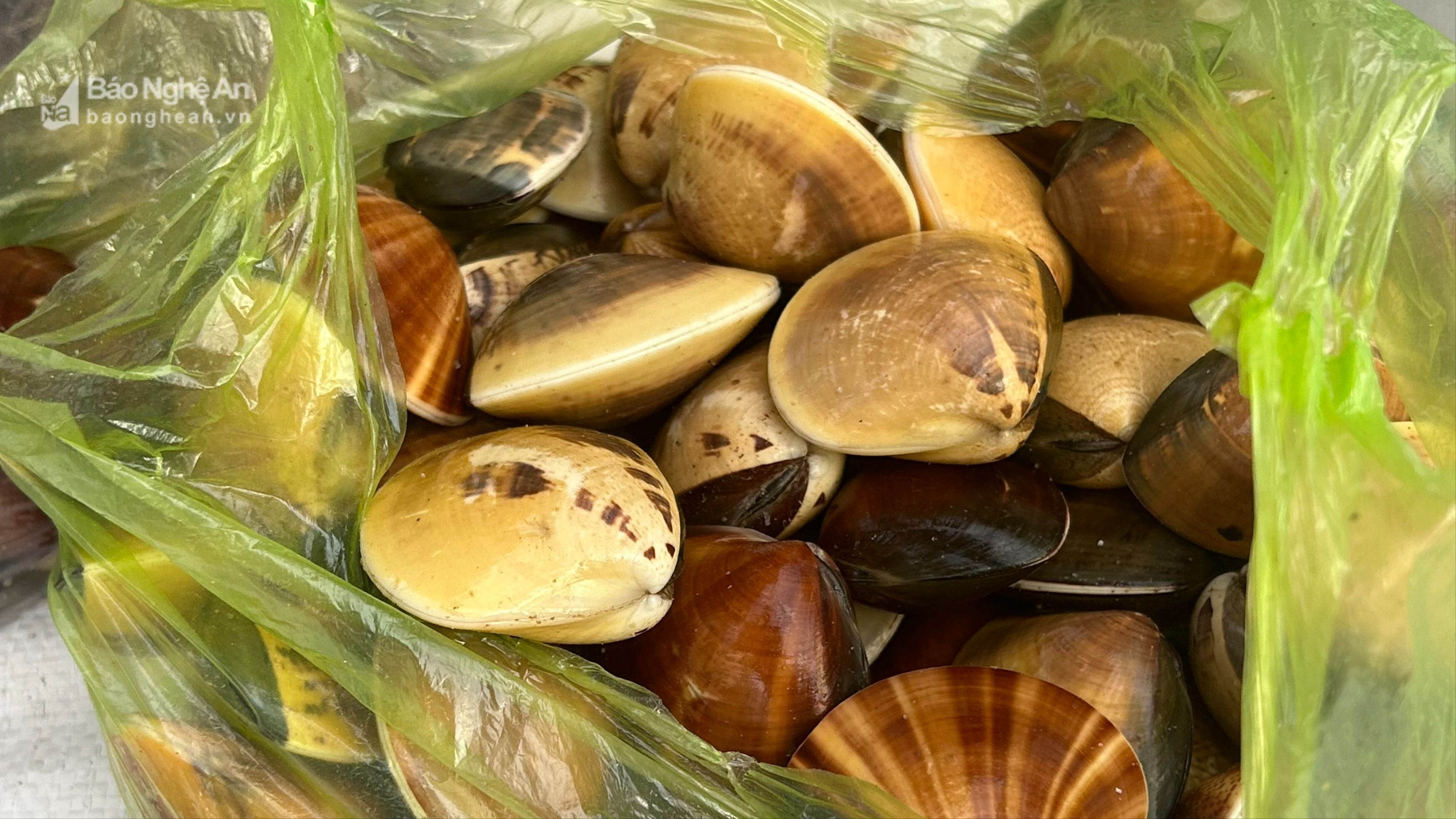
Fishermen in coastal areas are very adept at distinguishing between mussels and clams. Mussels are also mollusks like clams, but their shells are heavier, come in many colors, and have prominent patterns. Mussels are only about the size of a thumb, while clams are larger, have smooth, shiny shells, and become darker brown or purple as they grow.
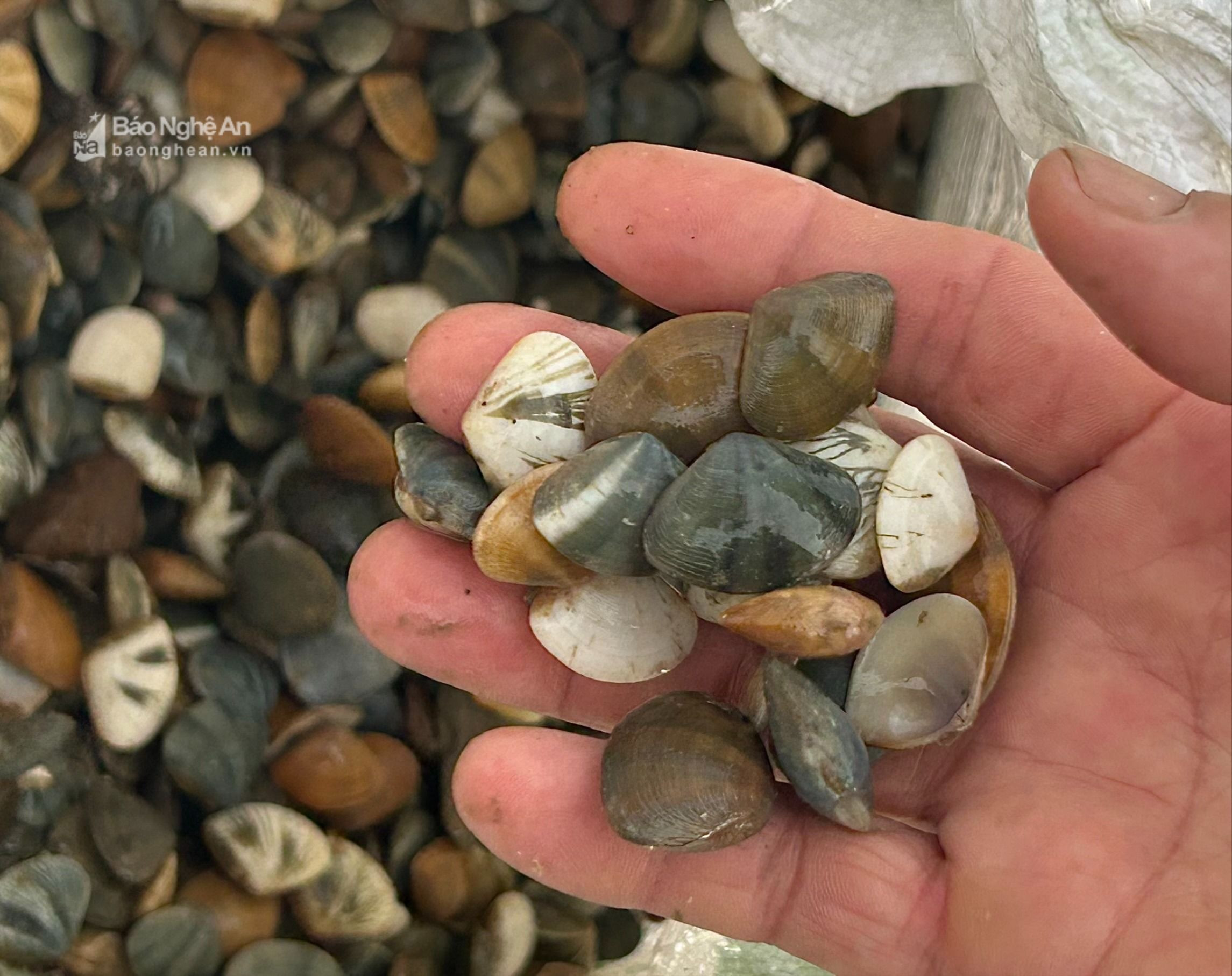
Mussels are a gift from the sea during the low tide season. Their meat is sweet and fragrant, and fishermen often harvest them to use the meat in soups and porridges, similar to harvesting clams in rivers. Now, with traders buying large quantities, trawlers are working hard to harvest them. The peak harvesting season lasts about a week because the yield isn't high, but this harvesting is premature and can lead to a depletion of coastal resources, even though trawlers have improved their mesh sizes to leave out smaller clams.
In some places, the clam is called "chép chép," and those with thin shells and long bodies have higher economic value.


