
Rain, floods, landslides in mountainous areas and survival skills.
Mastering survival skills is crucial for protecting lives and property during floods, especially in mountainous areas. This article provides essential skills to help people cope with and survive severe natural disasters.
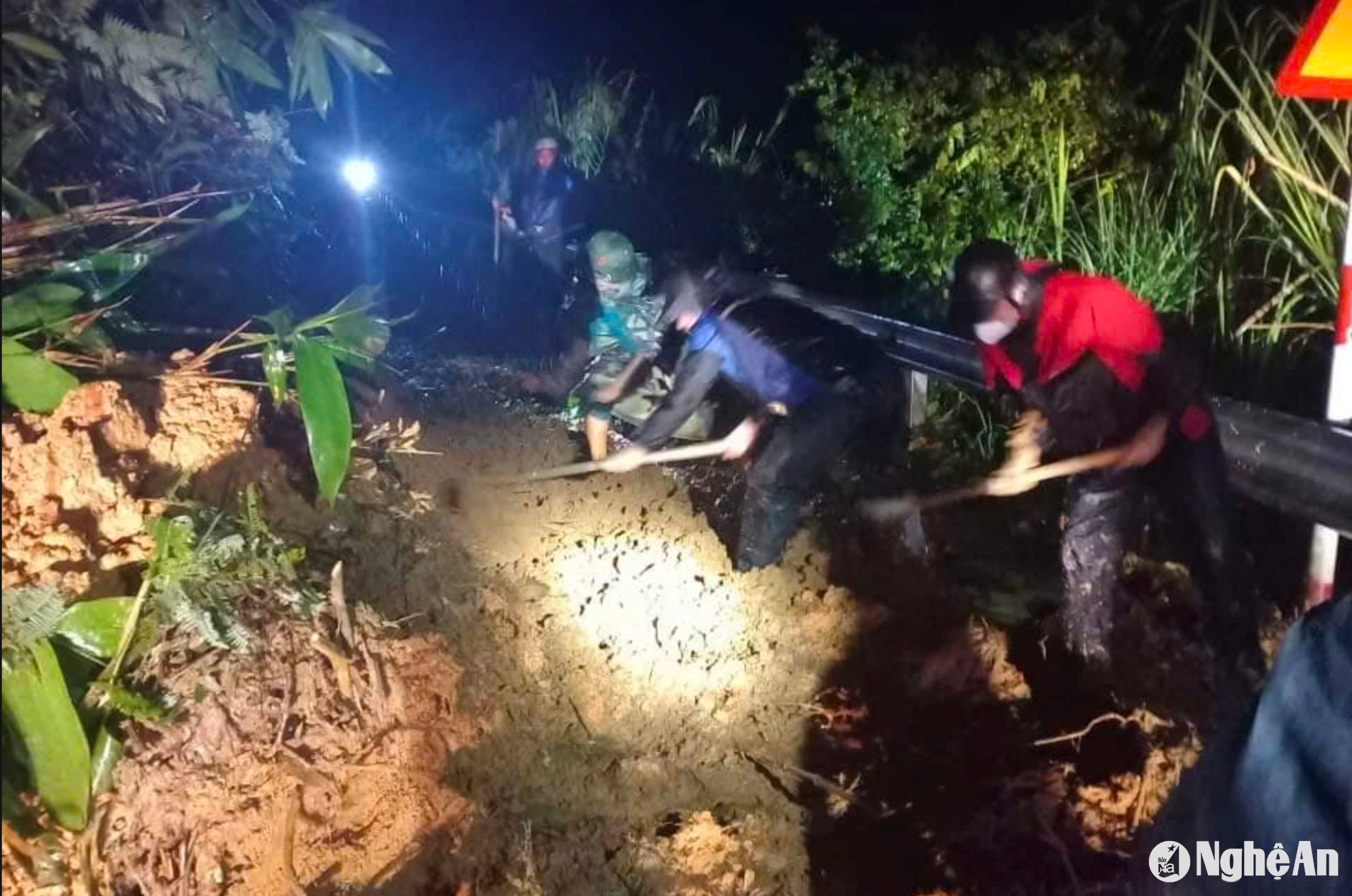
LISTEN TO THE WEATHER FORECAST AND OBSERVE NATURE:
The rainy season and floods in mountainous and stream-filled areas not only bring inconvenience but also pose many risks to ethnic minority communities living in these regions. Due to the unique hilly terrain and intricate network of streams, floodwaters often rise quickly and unpredictably.
One of the first and most important skills is staying updated on weather information, especially as the rainy season approaches. People should get into the habit of listening to weather forecasts from the radio, public address systems, or through information from local authorities to understand the situation.
Furthermore, observing natural signs is also very important. In the cultures of ethnic minorities, there are many valuable experiences passed down from generation to generation. For example:
When you see thick dark clouds covering the mountaintop and strong winds blowing from the stream, there's a very high chance of heavy rain.
The migration of insects and birds to lower areas is a sign that weather changes are imminent.
If the stream water becomes cloudy and foamy, it's a sign that heavy rain is coming upstream.
CHOOSE A SAFE PLACE TO LIVE:
In mountainous and valley areas, choosing a suitable location is crucial in coping with flooding. If people live near streams, they should build their houses on higher ground, avoiding areas at risk of being swept away by floodwaters or landslides.
In addition, when building a house, priority should be given to using durable materials such as stone and sturdy wood, and the floor should be elevated to avoid flooding.
PREPARE NECESSARY SUPPLIES AND FOOD:
Before the rainy season and floods arrive, people need to prepare sufficient food, drinking water, and essential supplies. This helps avoid shortages during days when they are isolated by floods.
- Dried foods: Rice, salt, dried fish, dried meat, and dried bamboo shoots are easy to preserve and can be used for a long time.
-Medications: Preparing basic medications such as fever reducers, antibiotics, stomach ache medicine, and folk remedies is also a very useful way to prevent illness.
- Flashlights and backup fire: Because mountainous areas often experience power outages during heavy rains, flashlights and backup fires are essential for maintaining light and cooking.
SURVIVAL SKILLS WHEN ISOLATED BY FLOODWATERS:
When floods rise and you are isolated in a hilly area or ravine, basic survival skills will determine your survival:
- Find safe shelter: If your house is flooded, you need to quickly move to hilltops or higher ground. Make sure to stay away from cliffs that are at risk of landslides.
- Create a distress signal: Use fire or reflective objects to signal for help when you are isolated. If possible, maintain contact via phone or walkie-talkie.
- Use safe water sources: Stream water in mountainous areas is usually clean, but it can become contaminated during floods. If you must drink the water, try to filter it through cloth or boil it to avoid illness.
RESPONDING TO LANDSLIDES:
A major danger in mountainous areas is landslides. Landslides can occur unexpectedly, and to deal with this situation, people need to pay attention to the following signs:
- If you hear loud noises coming from the mountain, it means a landslide may be occurring. Move away from the area immediately and find a safe place to take shelter.
- Avoid standing in low-lying areas or at the foot of hills during heavy rain.
FIND A SAFE ROUTE:
When crossing streams and ravines during the rainy season and floods, people need to be extremely careful:
- Do not cross streams when the water level is high; the current can be very strong and sweep away both people and livestock.
- When moving, use tools such as sticks or ropes to check the water depth and create a foothold.
EXPERIENCES IN LIVING WITH FLOODS AND DISEASES:
During periods of isolation due to flooding, people often use folk remedies from local herbs to treat illnesses and maintain their health. Herbs such as Piper betel, Euphorbia hirta, or betel leaves are used to treat colds, stomach aches, or common symptoms caused by damp weather.
In addition, the local people also have experience in preventing diseases:
- Using boiled leaves and roots: Drinking water made from boiled leaves and roots helps boost immunity and detoxify the body.
- Lighting fires indoors: When it rains for an extended period, they often light fires continuously indoors to keep warm, avoid catching a cold, and also to ward off insects and mosquitoes.
COLLABORATE WITH THE COMMUNITY:
Another crucial skill is community solidarity. People need to support each other in times of difficulty, sharing food, shelter, and information about the flood situation. Forming small groups for support and timely evacuation is an effective way to protect the entire community from the risks of flooding.
CONCLUDE:
Survival skills in flood-prone areas, particularly in stream valleys and mountainous regions, are extremely important for ethnic minority communities. Thorough preparation, from choosing safe shelters and stocking up on food and water to recognizing natural signs and coordinating with the community, will help them navigate the rainy season safely and effectively. Always remain calm, plan ahead, and master these skills to protect yourself and your family from natural disasters.


