Society

The post-flood rice field crab hunting season in Nghe An

Annam October 3, 2024 10:41

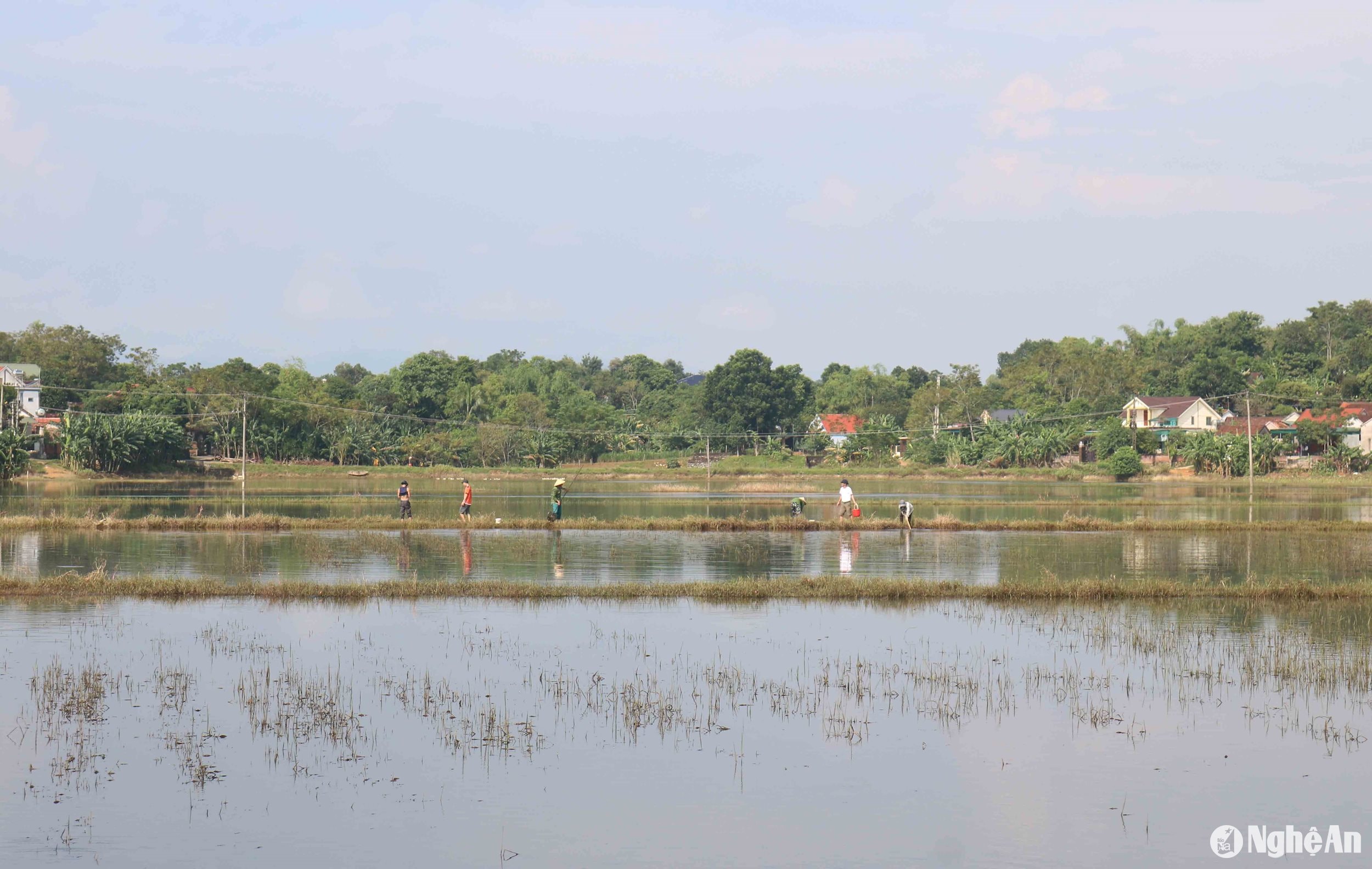
After the floods, people in Thanh Luong commune, Thanh Chuong district, once again gathered in the fields to catch crabs.

bna_1.jpg
These days, with the floodwaters receding from the fields, people in Thanh Luong, Thanh Khai communes... (Thanh Chuong district) are once again going out to the fields to catch crabs to improve their meals. Photo: Huy Thu
bna_2.jpg
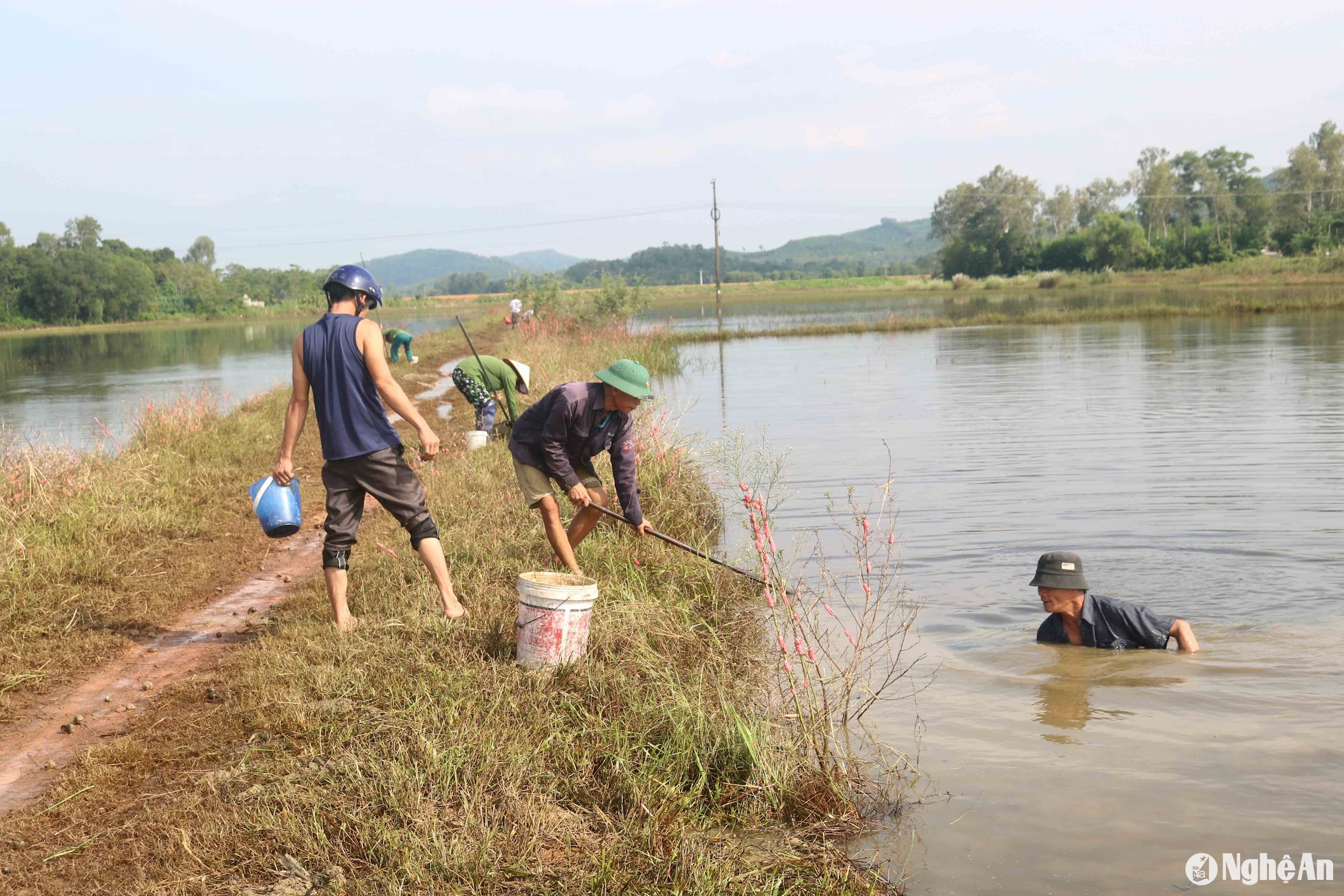
Local people often go to the fields to catch crabs in their free time, sometimes early in the morning, sometimes late in the afternoon. On days when they catch a lot of crabs, they gather to catch them all afternoon. The roads within the fields are always bustling with people searching for crabs. Photo: Huy Thu
bna_3.jpg
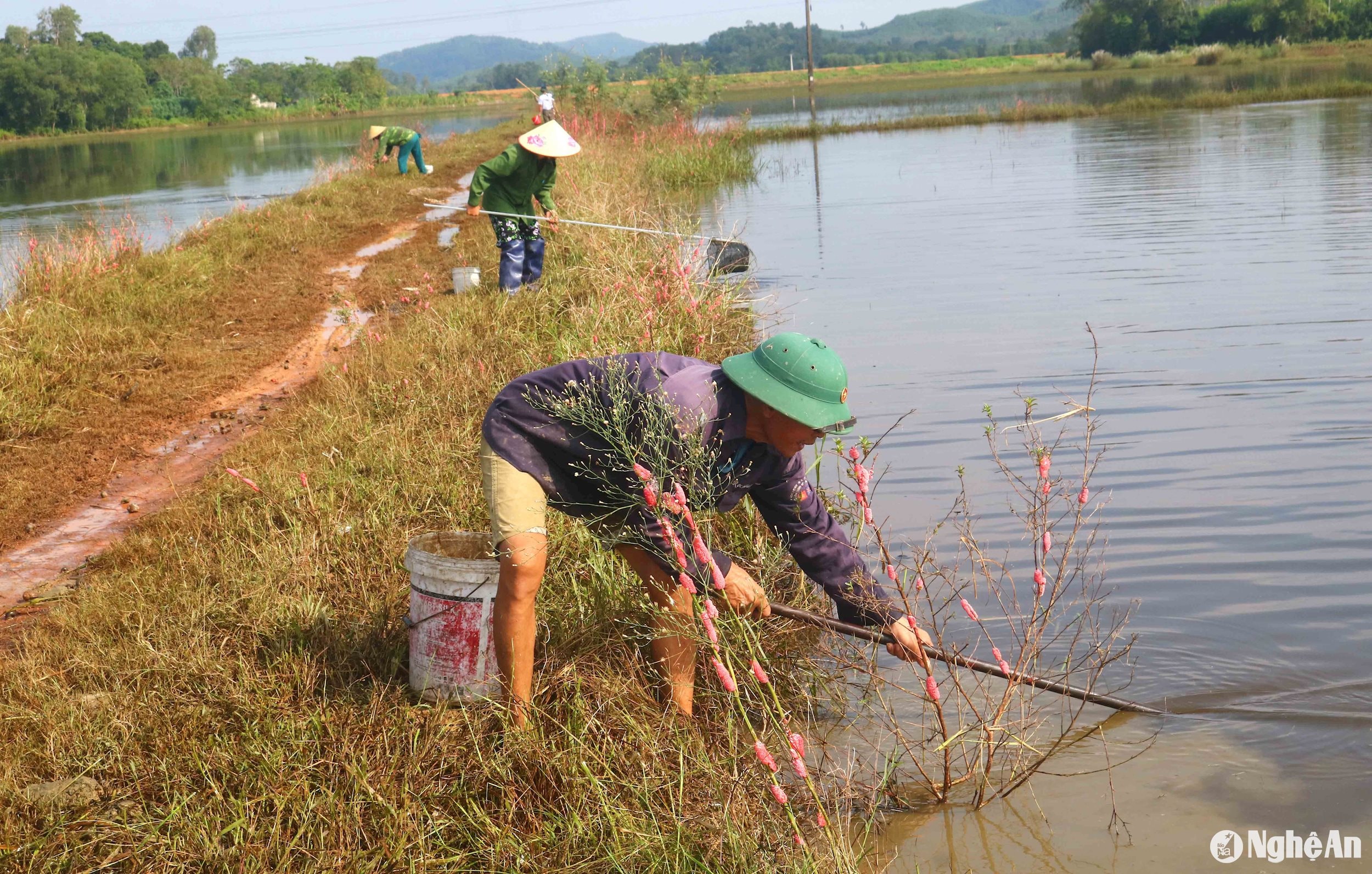
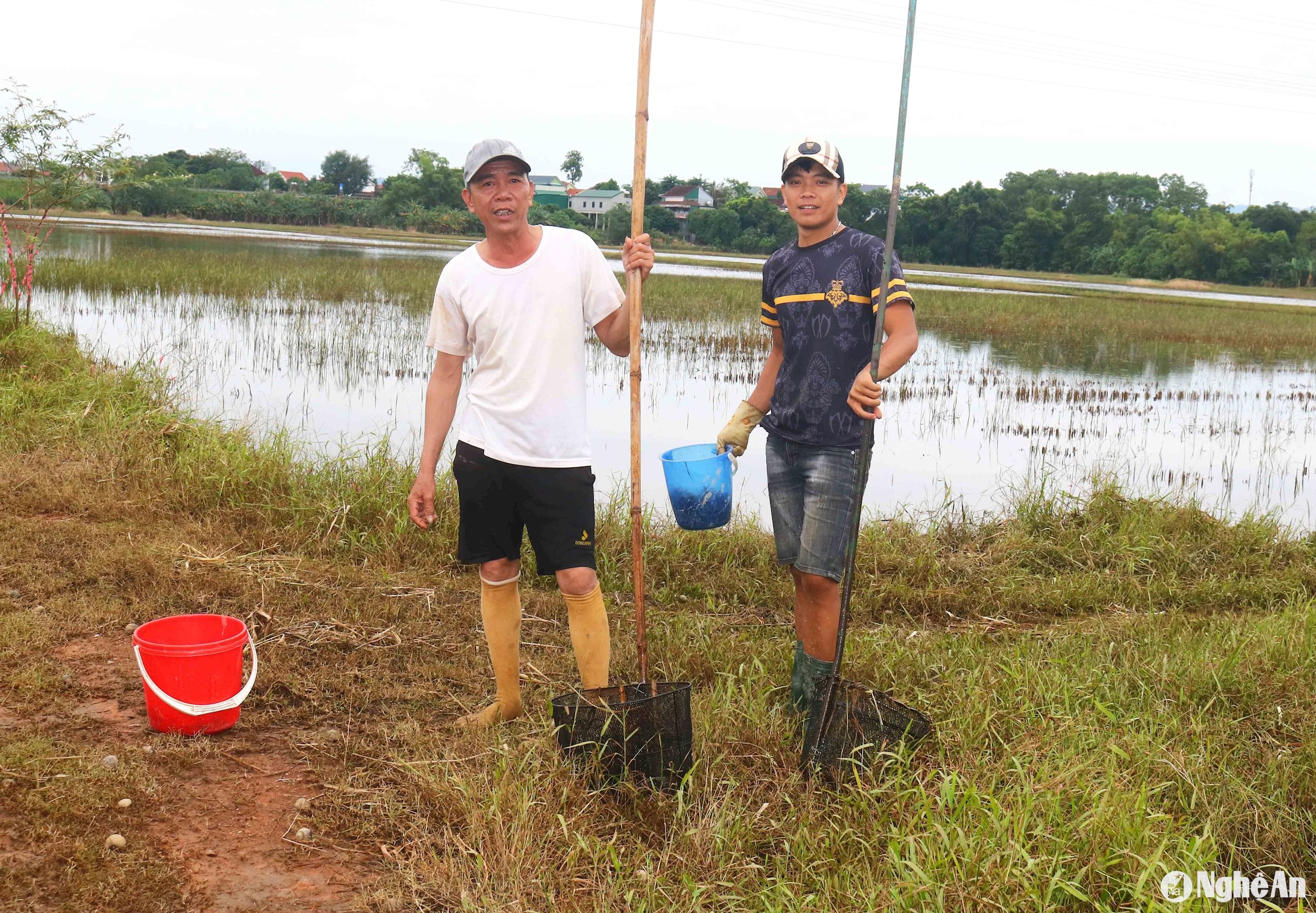
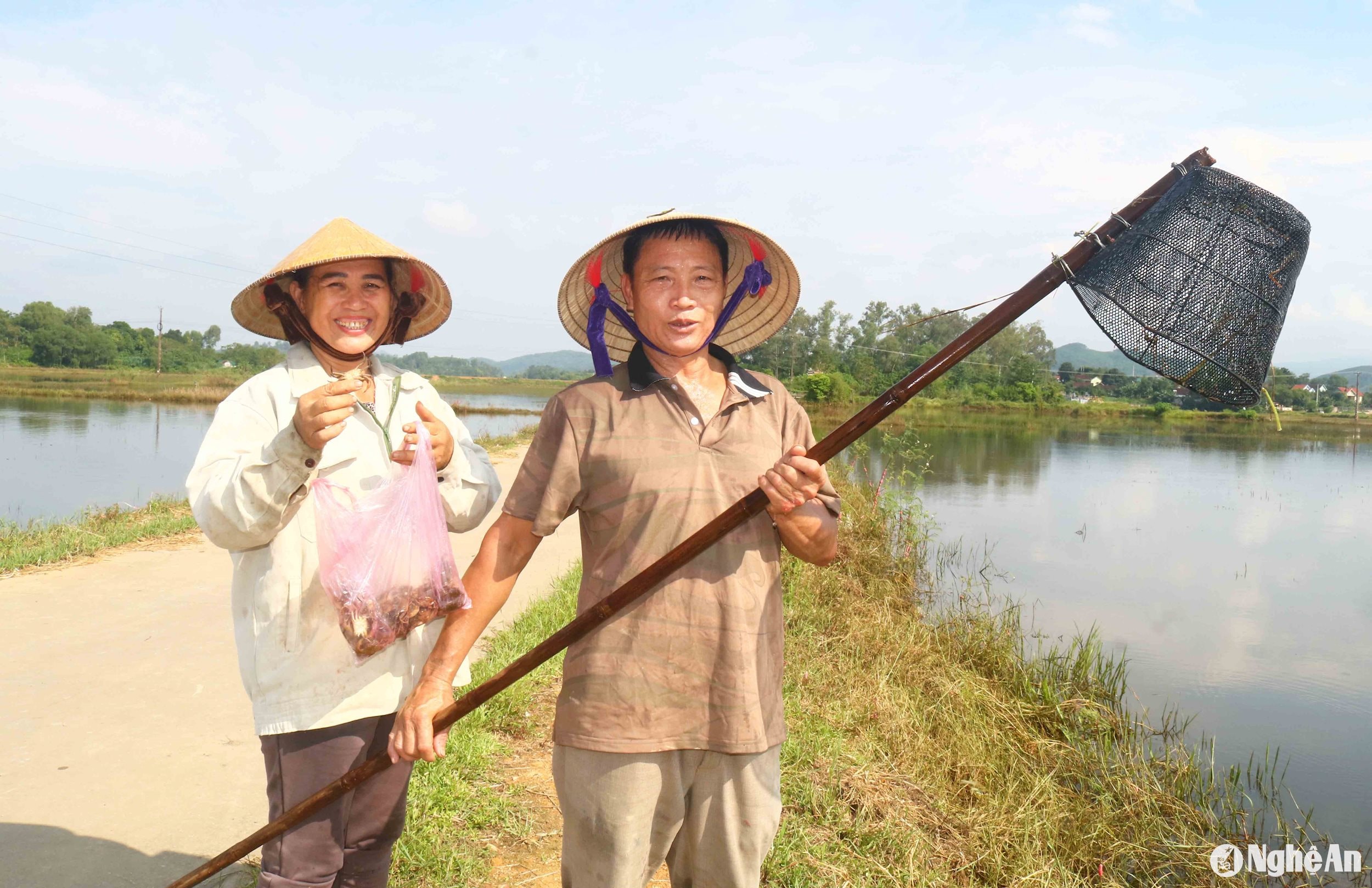
People who go crabbing bring a tool: a basket attached to a long pole 2-3 meters long. Upon reaching the edge of the rice field, they simply hold the pole handle and pull the basket from the field to the bank. The crabs in the middle of the field will slide into the basket. Photo: Huy Thu
bna_4a.jpg
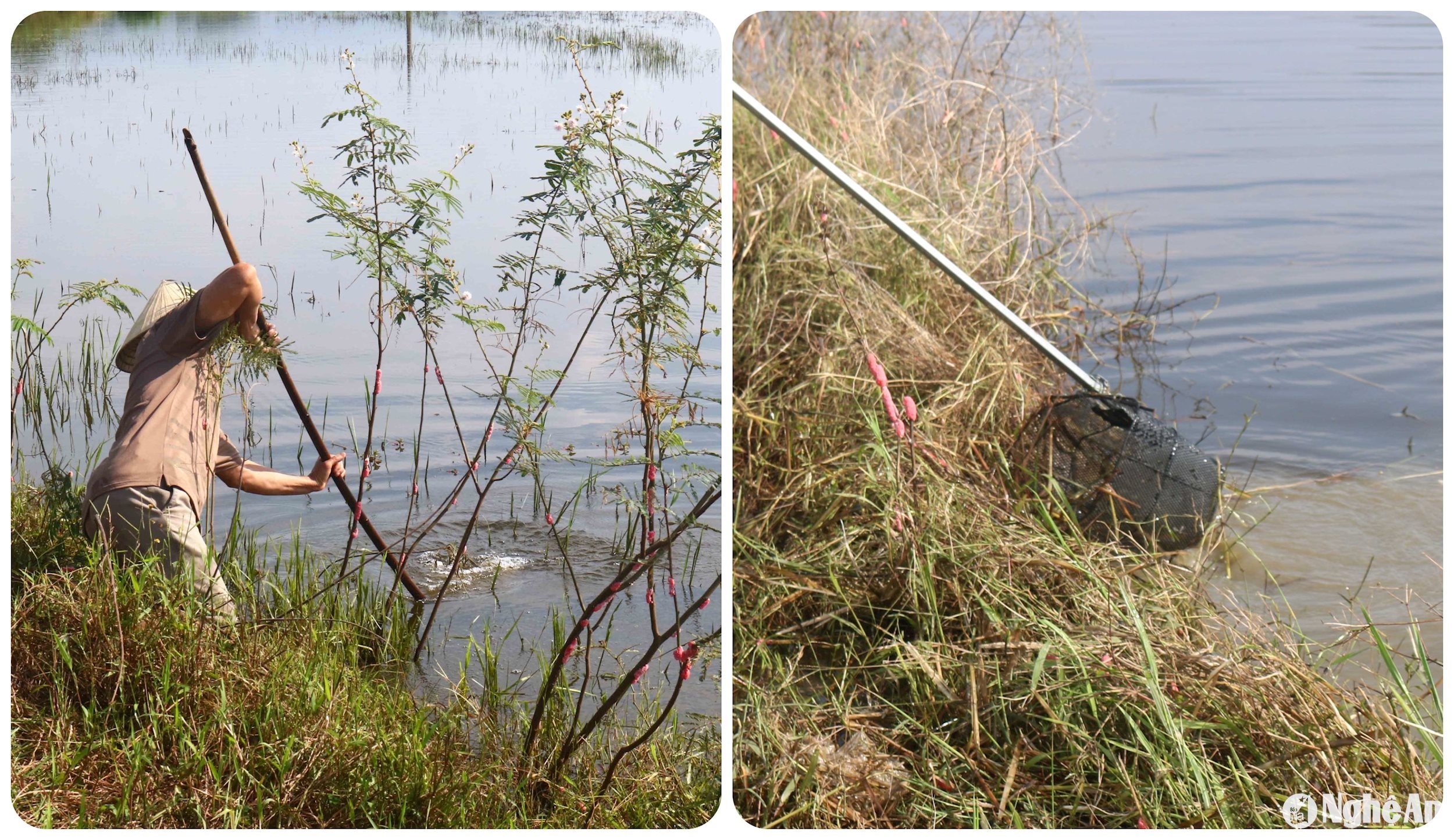
To catch a lot of crabs, crab gatherers need skill and experience, knowing which rice paddies have the most crabs and how to scoop them correctly so they fit into the basket without escaping. Locals say that rice paddies with dense vegetation, lots of grass and thorns, and where few people scoop, usually have more crabs. (Photo: Huy Thư)
bna_5..jpg
Mr. Nguyen Trong Ba, from Hamlet 1, Thanh Luong Commune, shared: "Every year, after the floodwaters rise in the rice fields and recede, the people in my commune get together to catch freshwater crabs. Catching crabs not only provides food but also creates many fun memories." (Photo: Huy Thu)
bna_5.jpg
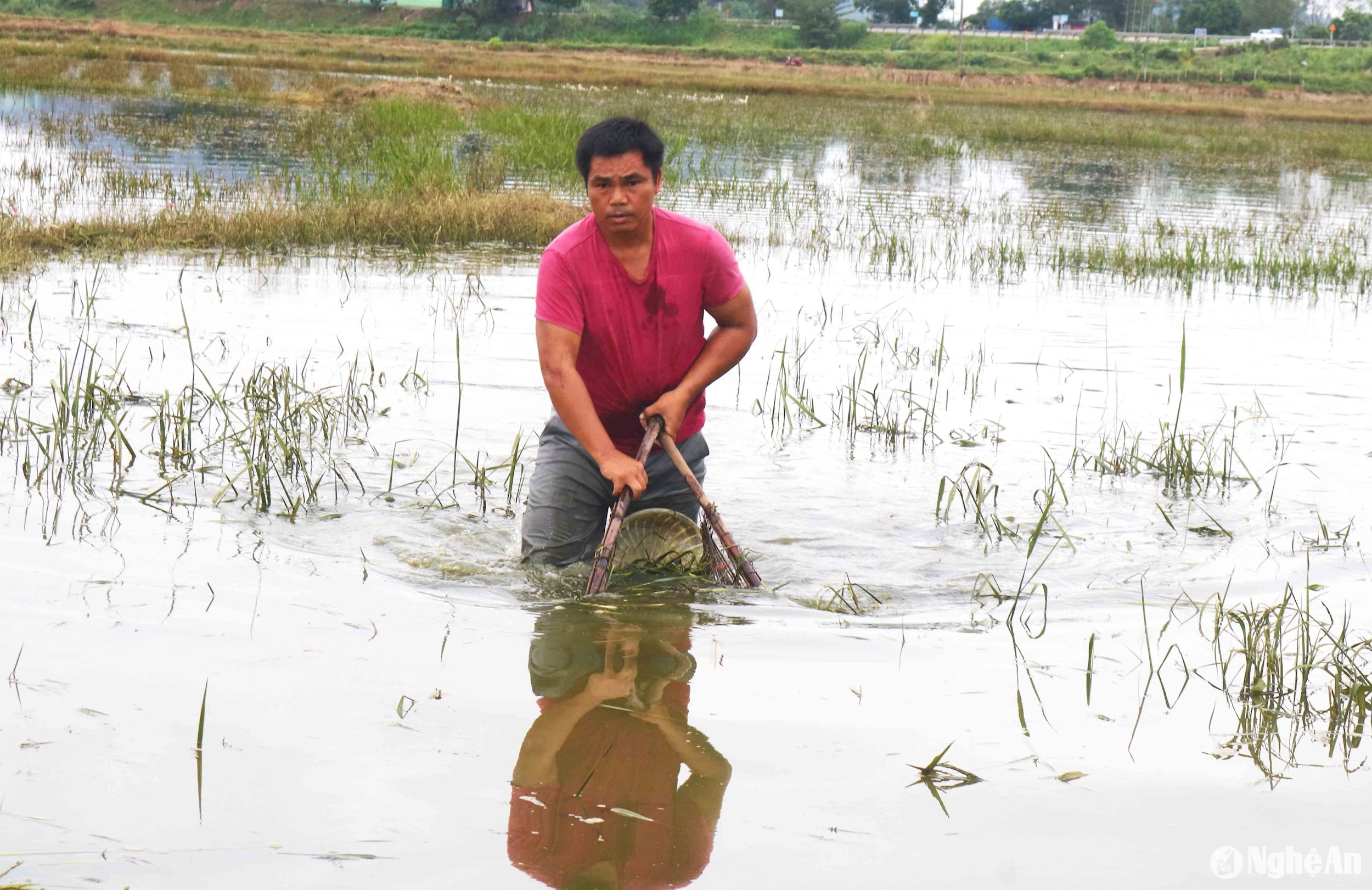
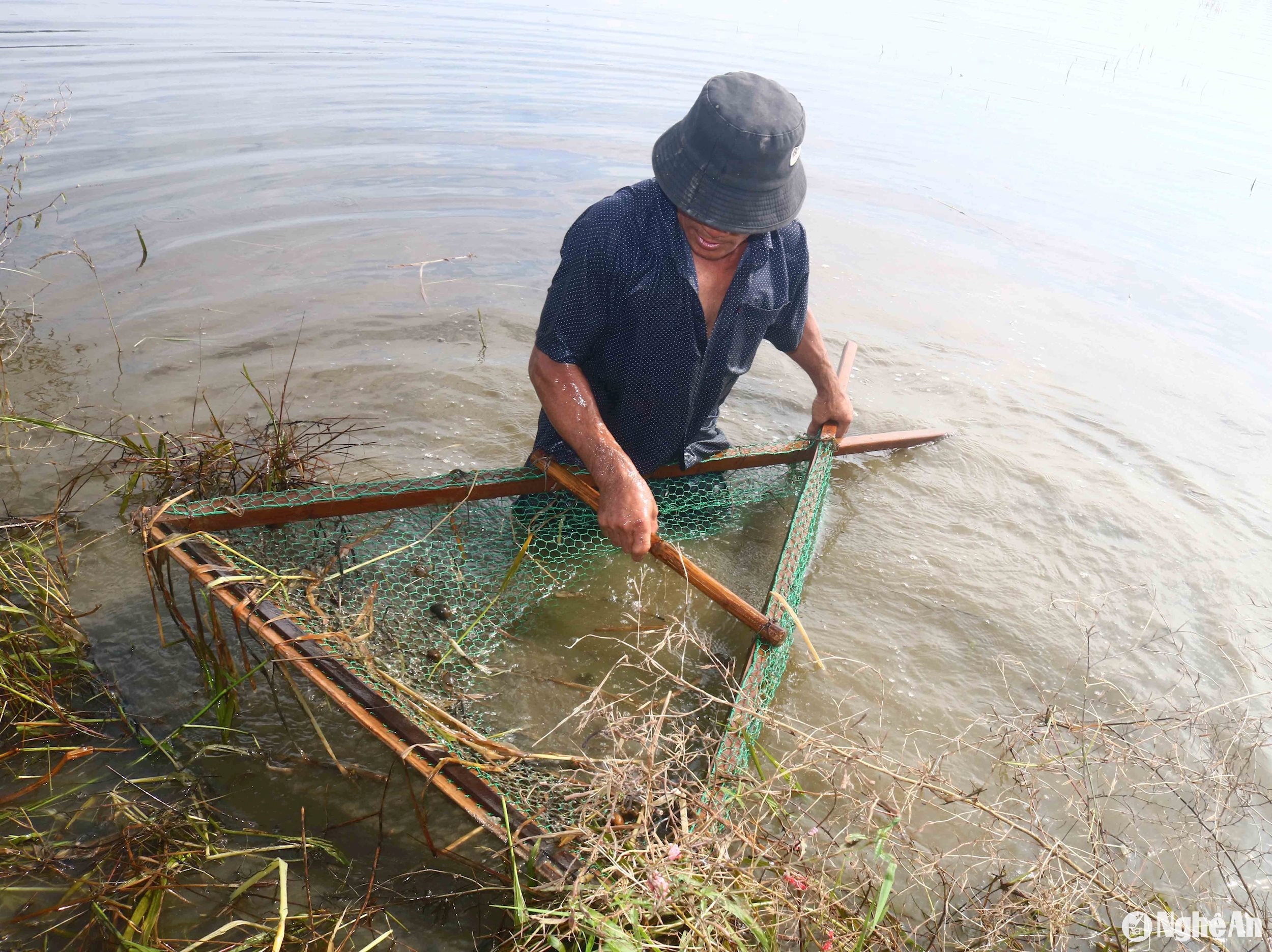
When the water level in the rice fields is high, people often use a scoop to catch crabs around the edges. When the floodwaters recede, people both scoop and use a net to catch crabs. The net has a simple structure, consisting of a scooping head and a handle. Just two small, round bamboo sticks and a piece of wood are joined together to form a triangular scooping head, with two handles tied diagonally at the top. Attached to the scooping head is a net made of iron or plastic. The person catching crabs will hold the net and push it back and forth across the rice field. Photo: Huy Thu
bna_7.jpg
Many adults go crabbing in deep water, getting tired and their clothes soaking wet, but they don't find many crabs. Experience shows that crabbing is only effective when the water is shallow enough to reach the calves. Photo: Huy Thu
bna_8..jpg
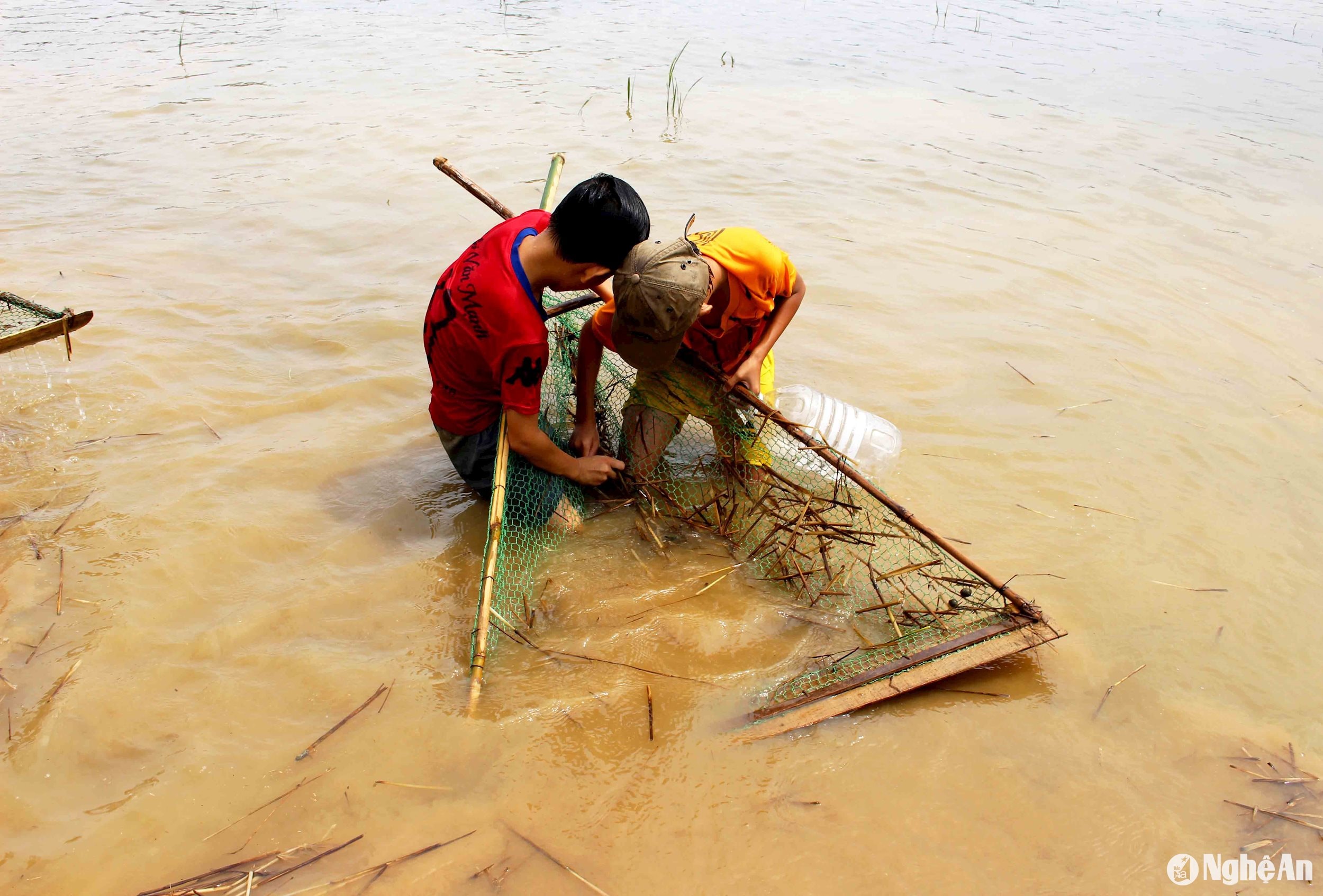
Children often go diving in shallow water, finding food while playing. Photo: Huy Thu
bna_9.jpg
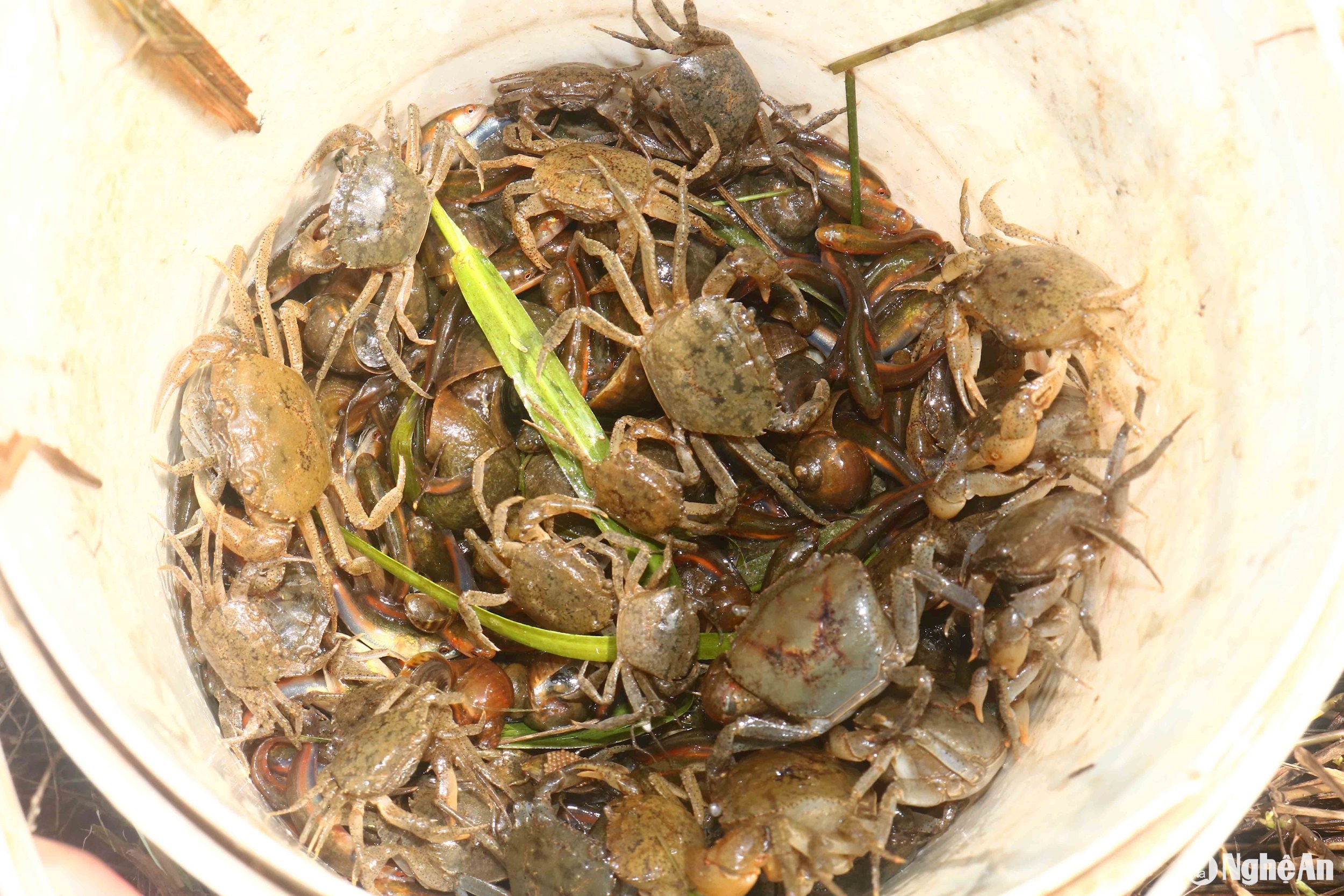
After several hours of digging and scooping in the rice fields, each person managed to catch a few kilograms of freshwater crabs to improve their family's meals. Crabs during the flood season are usually not very big. Photo: Huy Thu
bna_10.jpg
The crab-catching and crab-collecting season has become an unforgettable memory for many locals. A woman from Thanh Luong commune who goes crabbing said: "On days when we catch a lot of crabs, my husband and I go to the fields to catch them both morning and afternoon." (Photo: Huy Thu)
A joyful crab-catching festival. Video: Huy Thu
0 0 0
x
The post-flood rice field crab hunting season in Nghe An
Google News
POWERED BYFREECMS- A PRODUCT OFNEKO