
Red mulberry harvesting season - a specialty of Western Nghe An province.
Wild mulberries have long been a specialty fruit associated with the mountainous regions of western Nghe An province, with the highest concentration in Tri Le and Thong Thu communes. Each harvest season, this fruit not only enriches the local cuisine but also contributes to improving the income of people in the highlands.
In mid-August, I went to Na Nieng village.Tri Le communeIt's easy to spot people preparing sacks, wrapping themselves in gaiters, and heading into the forest early in the morning to pick mulberries.
According to Ms. Vi Thi Tinh, a local resident: "The red mulberry fruit, which the Thai people here call 'mac phi,' meaning 'fire fruit,' because it turns bright red when ripe. The tree usually grows naturally under the forest canopy, sometimes individually, sometimes in clusters. It can also be found in home gardens, but it's rare."
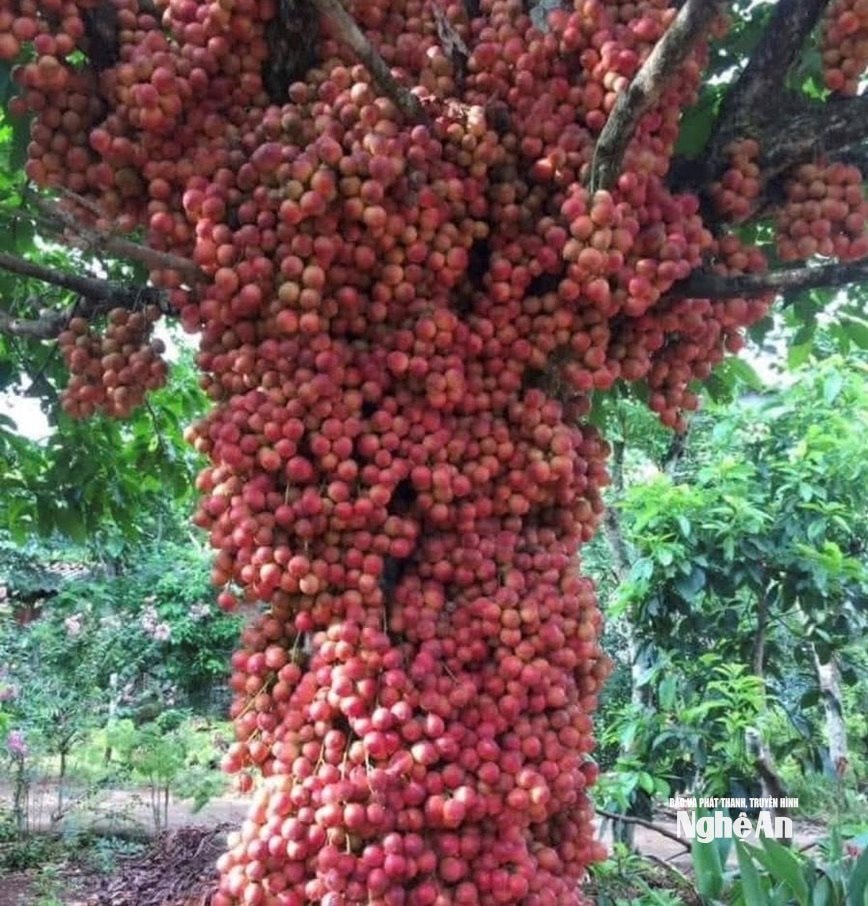
According to Ms. Tinh, each trip into the forest to "hunt" for mulberry trees usually involves two people, crossing ravines, streams, and steep mountain slopes for hours before finding a tree laden with fruit.
"If we're lucky, we can harvest 30-40 kg. The current selling price is 8,000-10,000 VND/kg, so we can earn 200,000-300,000 VND per day, which helps support our family," she said.
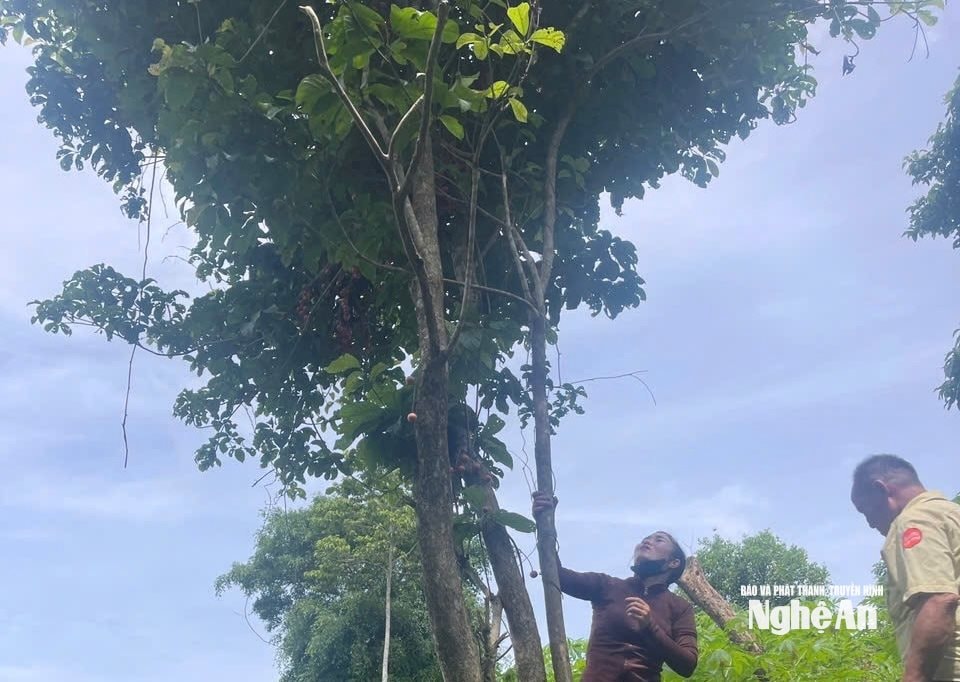
According to some residents of Tri Le commune, the red mulberry tree is a large, tall woody tree with fruit growing in clusters from the base to the top. Therefore, harvesting the fruit is not simple; it requires experience in forest climbing, knowledge of the terrain, and skills to ensure safety.
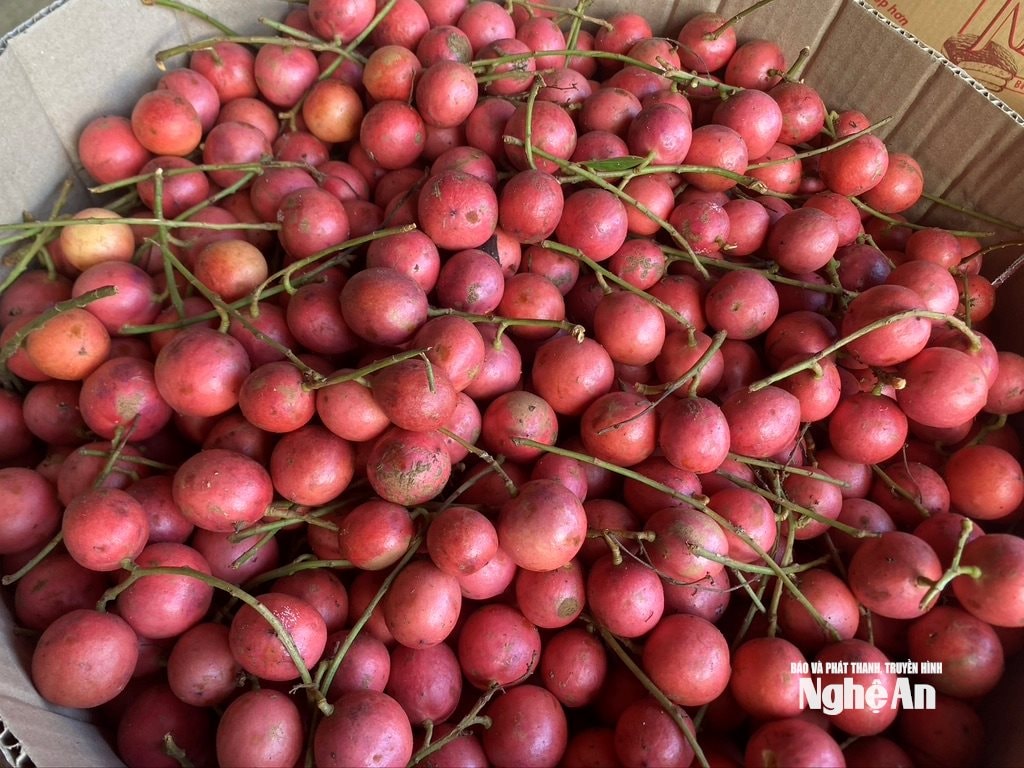
The season for red mulberries in western Nghe An province usually runs from May to August, coinciding with the time when locals go into the forest to harvest bamboo shoots. Along the roads leading to Tri Le commune these days, red mulberries are sold everywhere, from small roadside stalls to the commune center – where traders gather to buy them, and trucks arrive in droves.
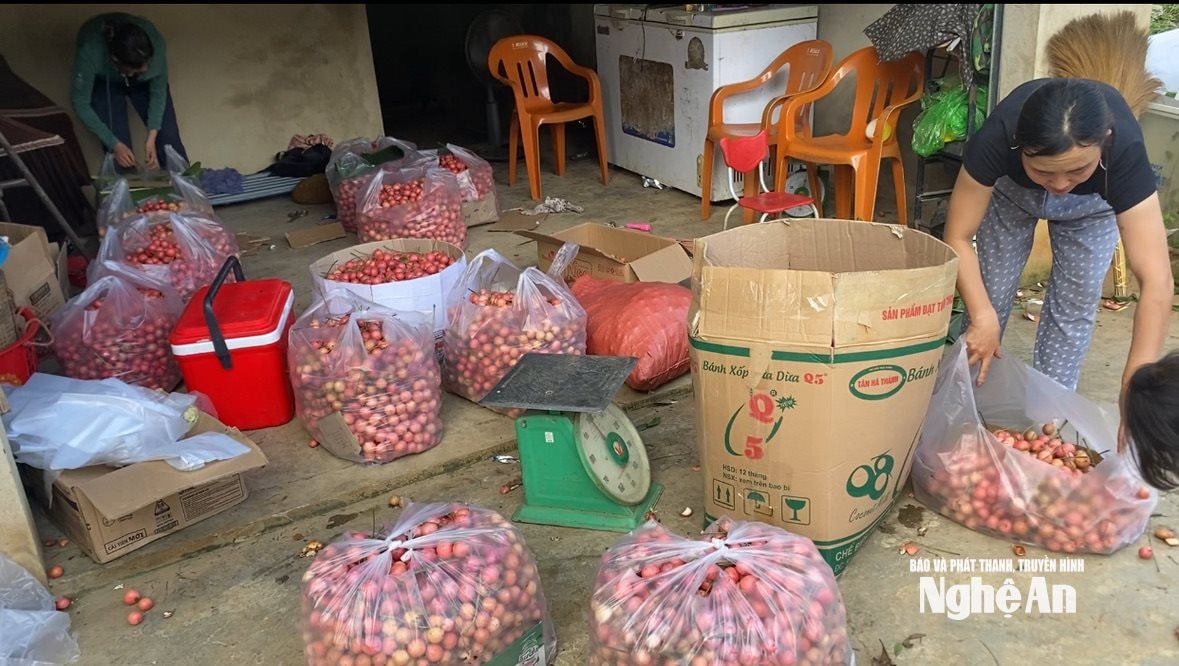
Ms. Tran Thi Lan, a trader in Quy Chau commune, said: “Every week I go to Tri Le and Thong Thu communes to collect mulberries. Each trip brings in 3-4 quintals, which I sell within the province or ship to Hanoi, Hai Phong… This year the fruit is uniform and beautiful, so it's selling very well.”
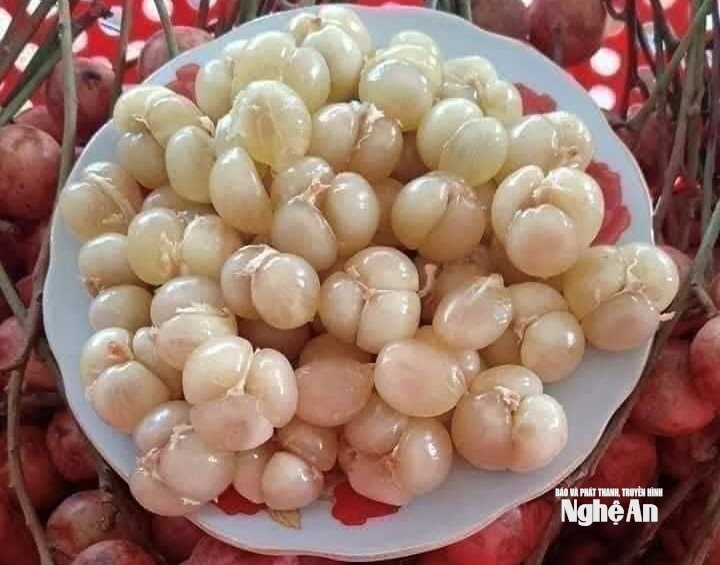
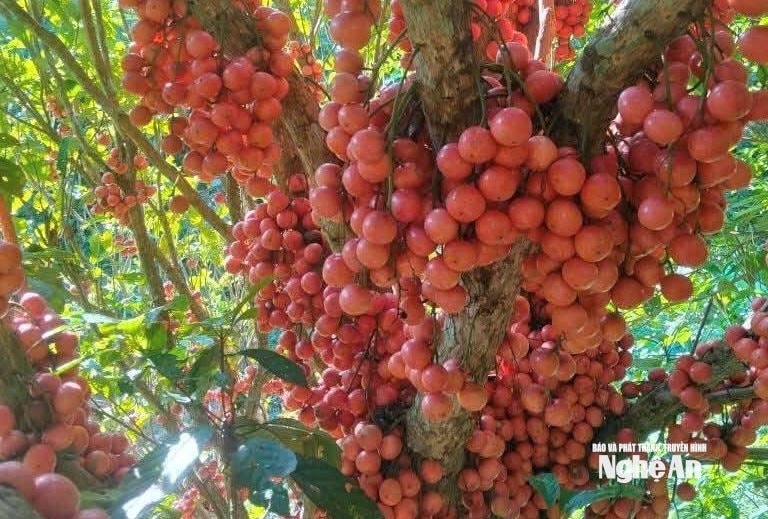
More than just a local delicacy, the red mulberry also plays a significant role in the livelihoods of many households. Mr. Lo Minh Diep, Chairman of the Tri Le Commune People's Committee, said: “There are still quite a few red mulberry trees scattered throughout the commune's natural forests. During the season, people in the villages of Na Nieng, Kem Don, Lien Hop, etc., all go to the forest to pick the fruit. Some families earn 5-7 million VND per season from this fruit, leading to a more stable life.”
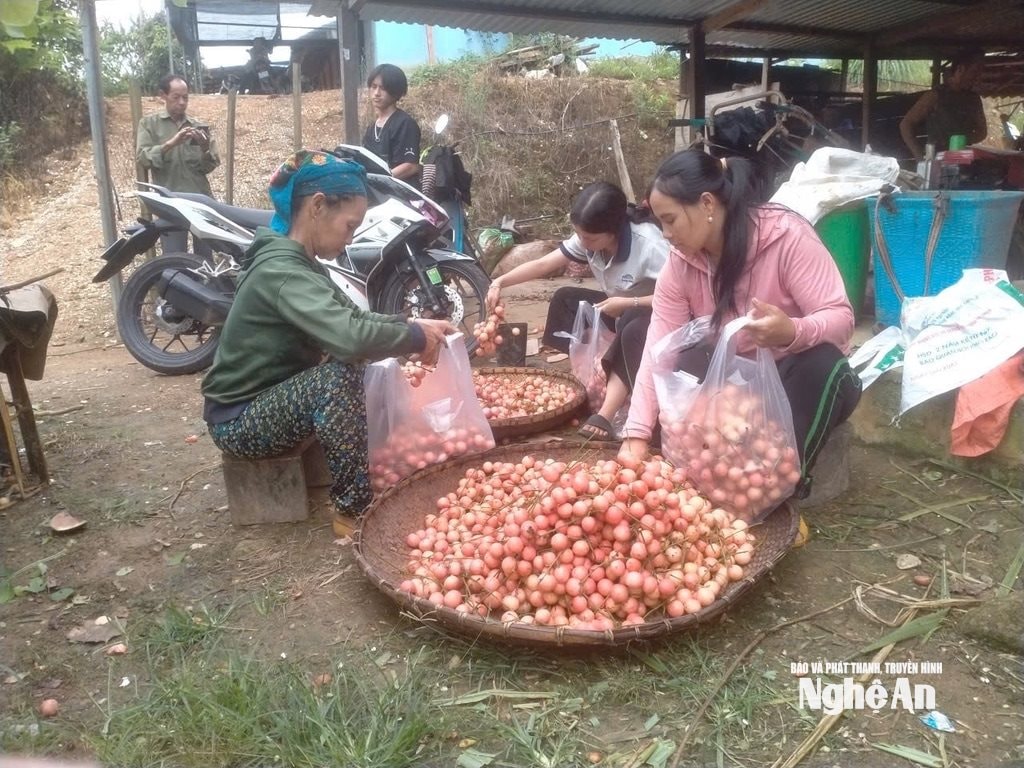
Although not yet a staple crop, the red mulberry is gradually proving its value. Tri Le commune is currently considering plans to protect and cultivate forests where red mulberry trees are naturally distributed, while also developing ecotourism – offering experiences of fruit harvesting with the local people.
With proper investment, this plant, once considered just a "gift from the forest," could become a sustainable livelihood for the local people in the near future.


