
Unseasonal rains cause vegetable prices to plummet in Nghe An.
In previous years, during the hot season, green vegetables in Nghe An became scarce and prices skyrocketed. However, this year, with unseasonal rains and prolonged cool temperatures, vegetables have grown well and yielded high productivity. The abundant supply has caused vegetable prices to drop sharply, resulting in losses for growers, while consumers have access to a wide variety of green and affordable food...
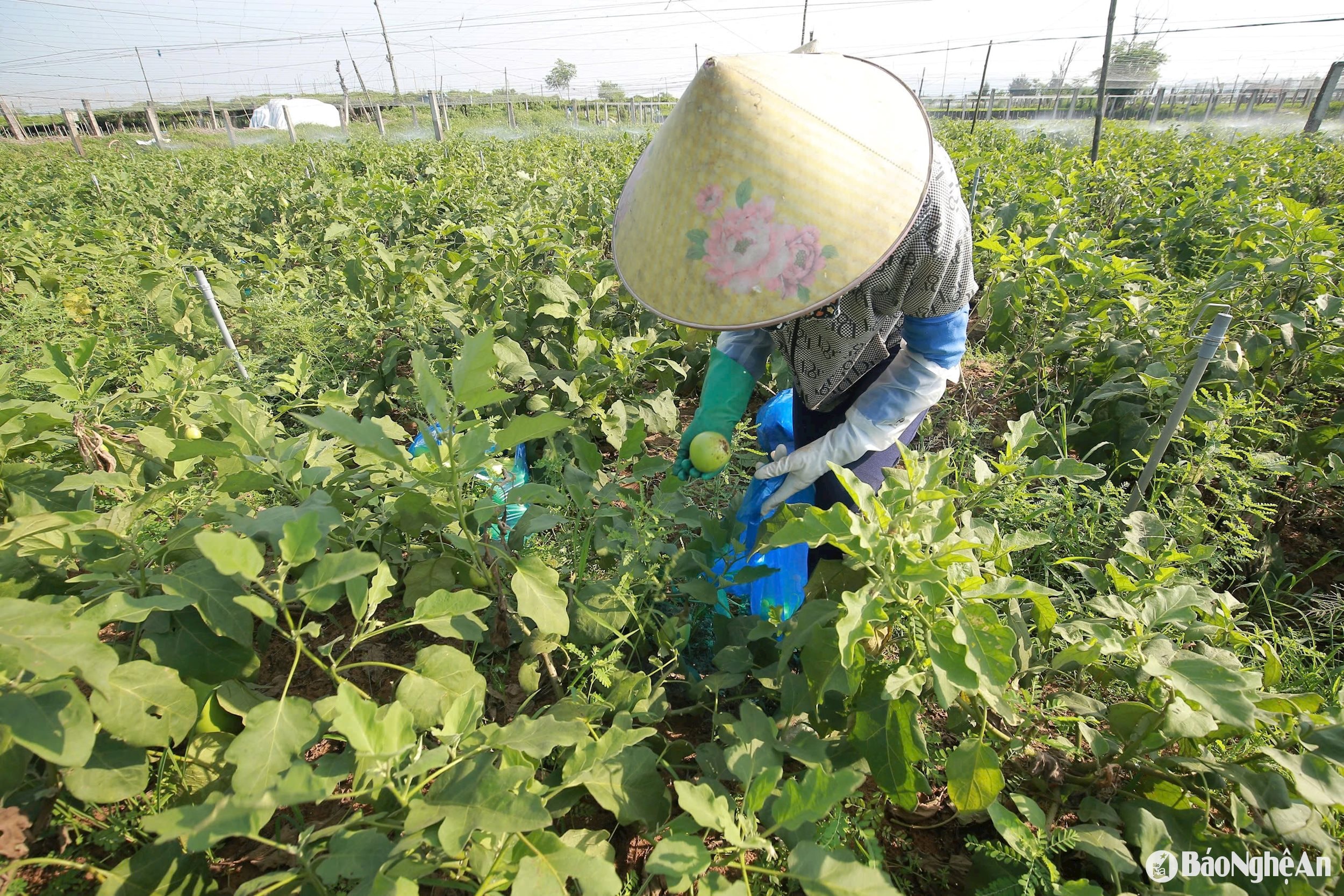
The favorable weather conditions, which have persisted since the Lunar New Year, have resulted in many vegetable growing areas in Nghe An province thriving, with fewer pests and diseases, and yielding outstanding harvests.
Mr. Hoang Van Phuong, a farmer from Lien Hai village, Quynh Lien commune (Hoang Mai town), said: “Every year, vegetables are scarce in the summer, and sometimes bitter melon can fetch 20,000-25,000 VND/kg. This year, the weather is cool and there has been consistent rain, so everything is doing well, and the yield is very high. I planted 3 sao (approximately 0.3 hectares) of eggplant, each sao yielding about 5 tons. At the beginning of the season, the price was 7,000 VND/kg, but now, in the peak season, it's only 1,000 VND/kg. Hiring laborers to harvest isn't even enough to cover the costs, let alone make a profit.”
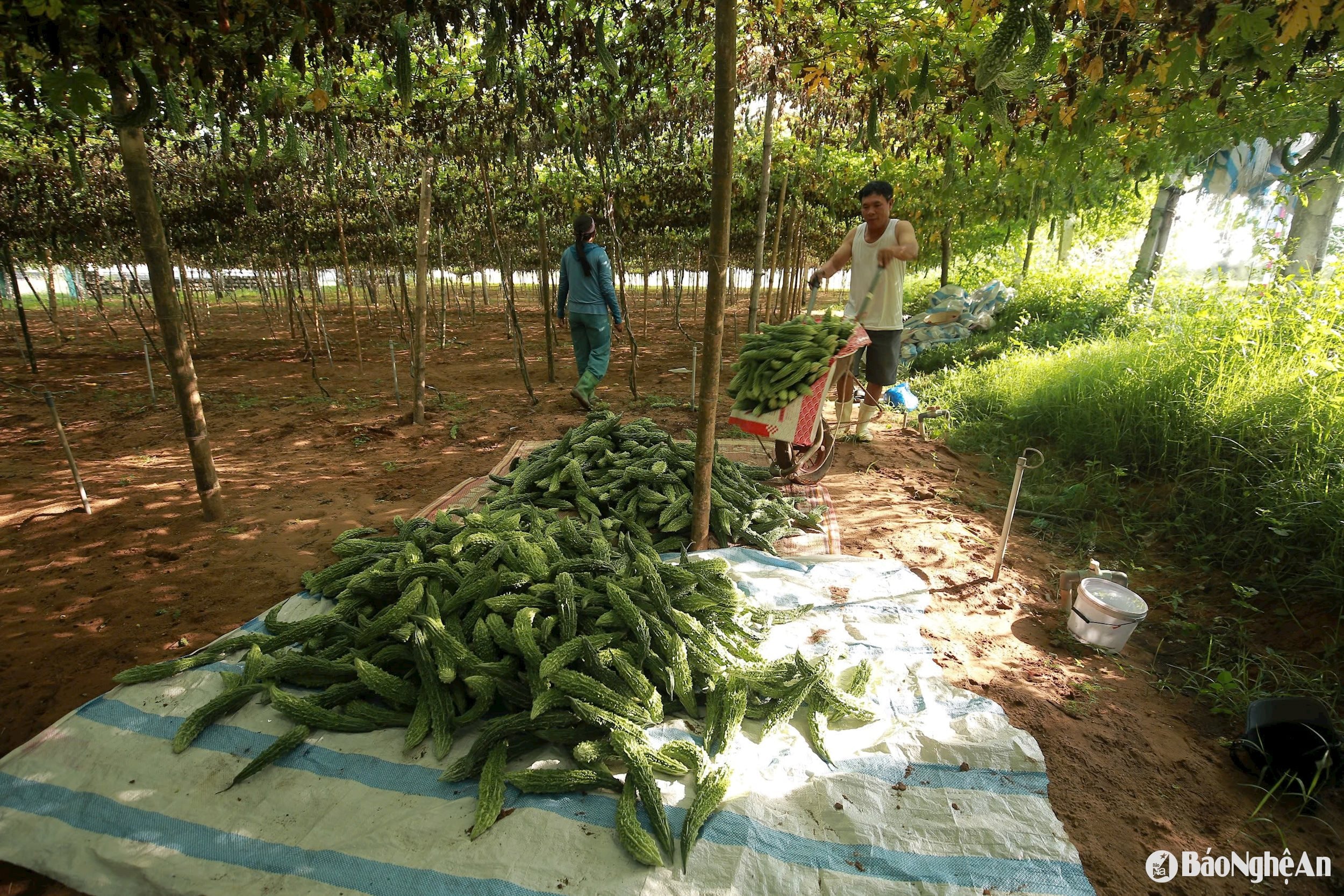
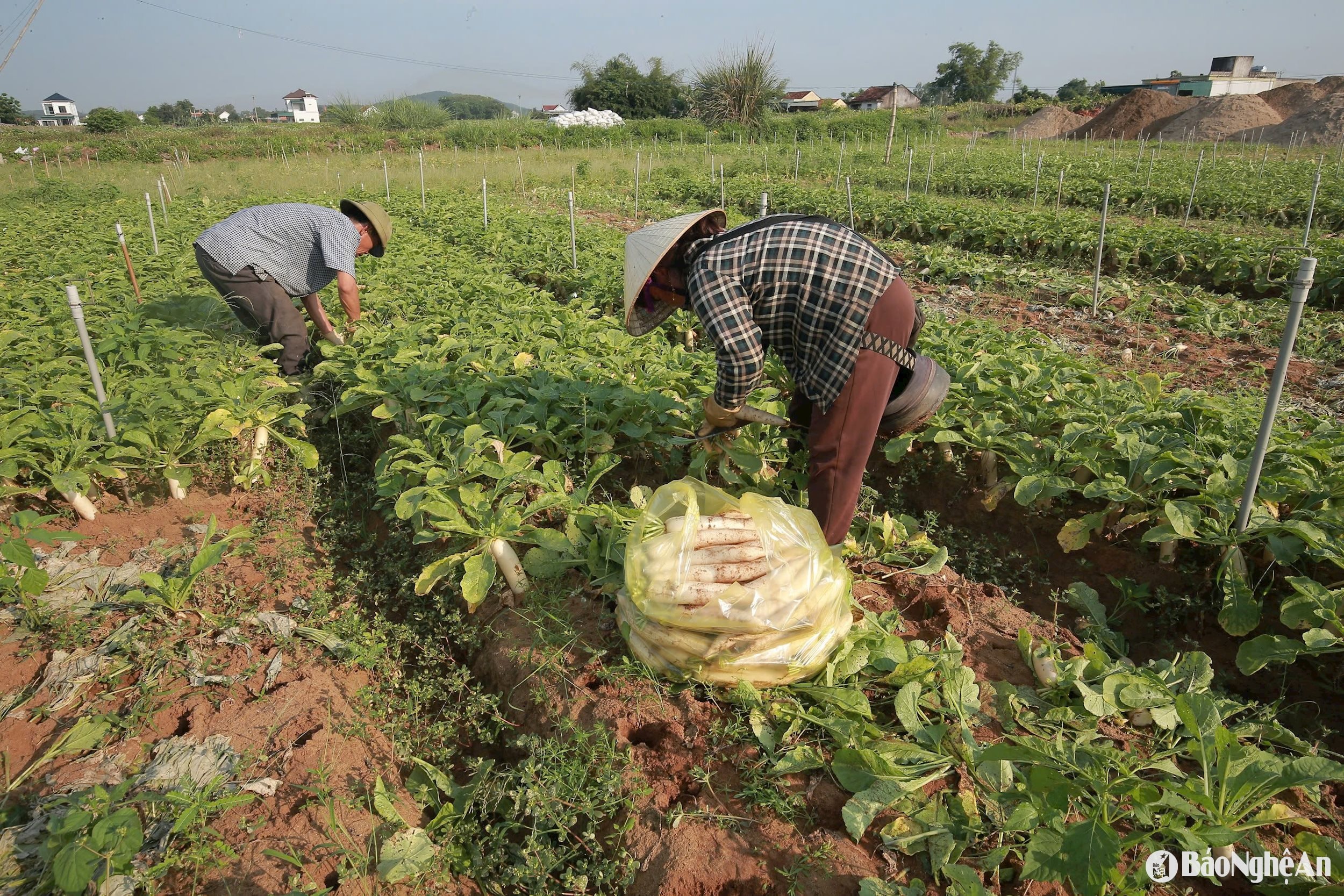
Not only eggplant, but most other common vegetables are also facing the same situation of "bumper harvest, plummeting prices." Bitter gourd - a vegetable that requires a lot of care - which was priced at 5,000-7,000 VND/kg at the beginning of the season, is now only 2,000 VND/kg and is selling very slowly. Radishes, chayote, green squash... are also only around 1,000 VND/kg - a price rarely seen in the summer.
In contrast to the same period last year, when there were intense heatwaves with temperatures commonly reaching 38-40 degrees Celsius, causing leaf scorching and prices to double or triple, this year the weather in May hasn't been particularly hot. Unseasonal rains have occurred repeatedly, and stable temperatures have helped vegetables grow vigorously, resulting in high yields. However, supply exceeding demand has led to difficulties in finding buyers.
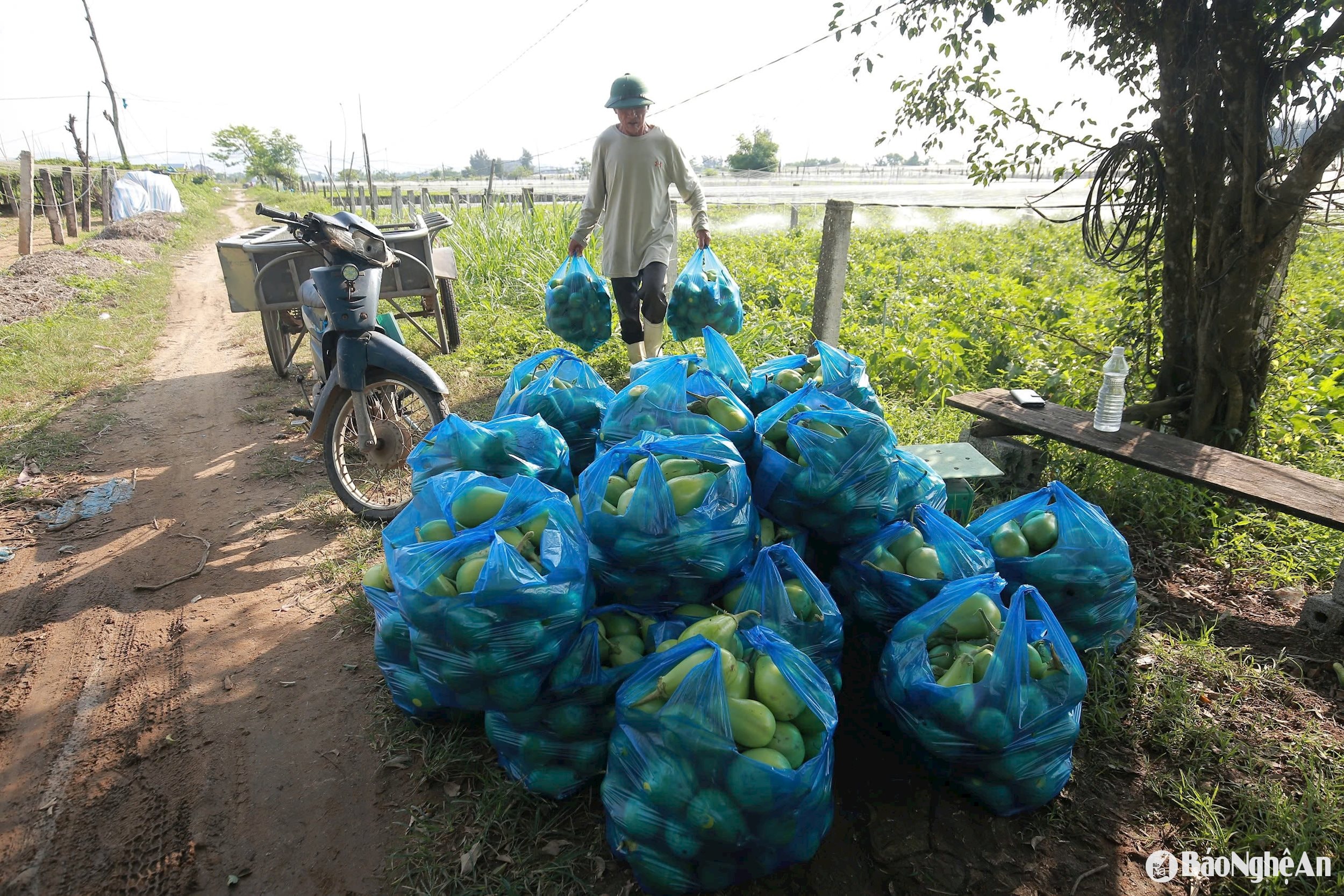
In vegetable-growing areas like Quynh Luu, Hoang Mai, and Dien Chau, many vegetable fields are ready for harvest but there are no pickers. Ms. Ho Thi Thu from Minh Luong commune, Quynh Luu district, shared: “Every year at this time, the sun is scorching, vegetables burn, supplies are scarce, and prices skyrocket. This year, the weather is cool, and there have been consecutive unseasonal rains, so the harvest is abundant, but no one is buying. It's a good harvest, but it's all for nothing!”
According to Ms. Nguyen Thi Oanh, Chairwoman of Phuong Lien Agricultural Cooperative (Hoang Mai Town), in previous years the cooperative supplied tens of tons of vegetables and tubers per day to the northern market. However, currently, provinces are also having bumper vegetable harvests, and there is no demand for imports.
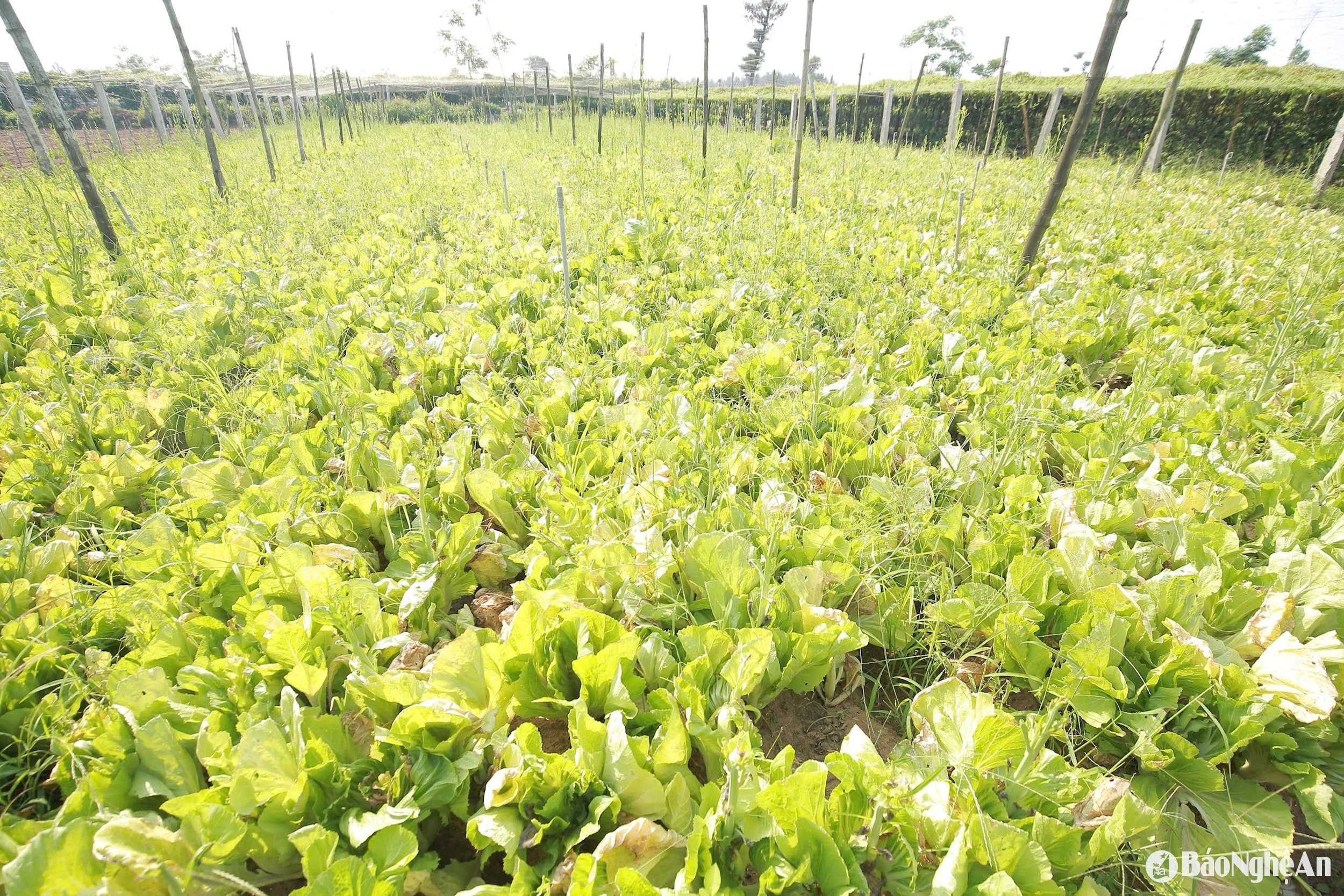
"Common, low-value vegetables like chayote, eggplant, zucchini, and radishes are very difficult to sell. Northern localities now have abundant supplies, so our sales have stalled," Ms. Oanh added.
Currently, vegetables such as eggplant, zucchini, chayote, and green squash are in season. However, prices are too low, making it difficult for growers to cover their harvesting costs. Although farmers have proactively linked up with traders and organized purchasing, the widespread oversupply is causing slow sales. Most of these vegetables are short-term crops, easy to grow, and high-yielding, but their low value and difficulty in long-term storage further complicate sales.
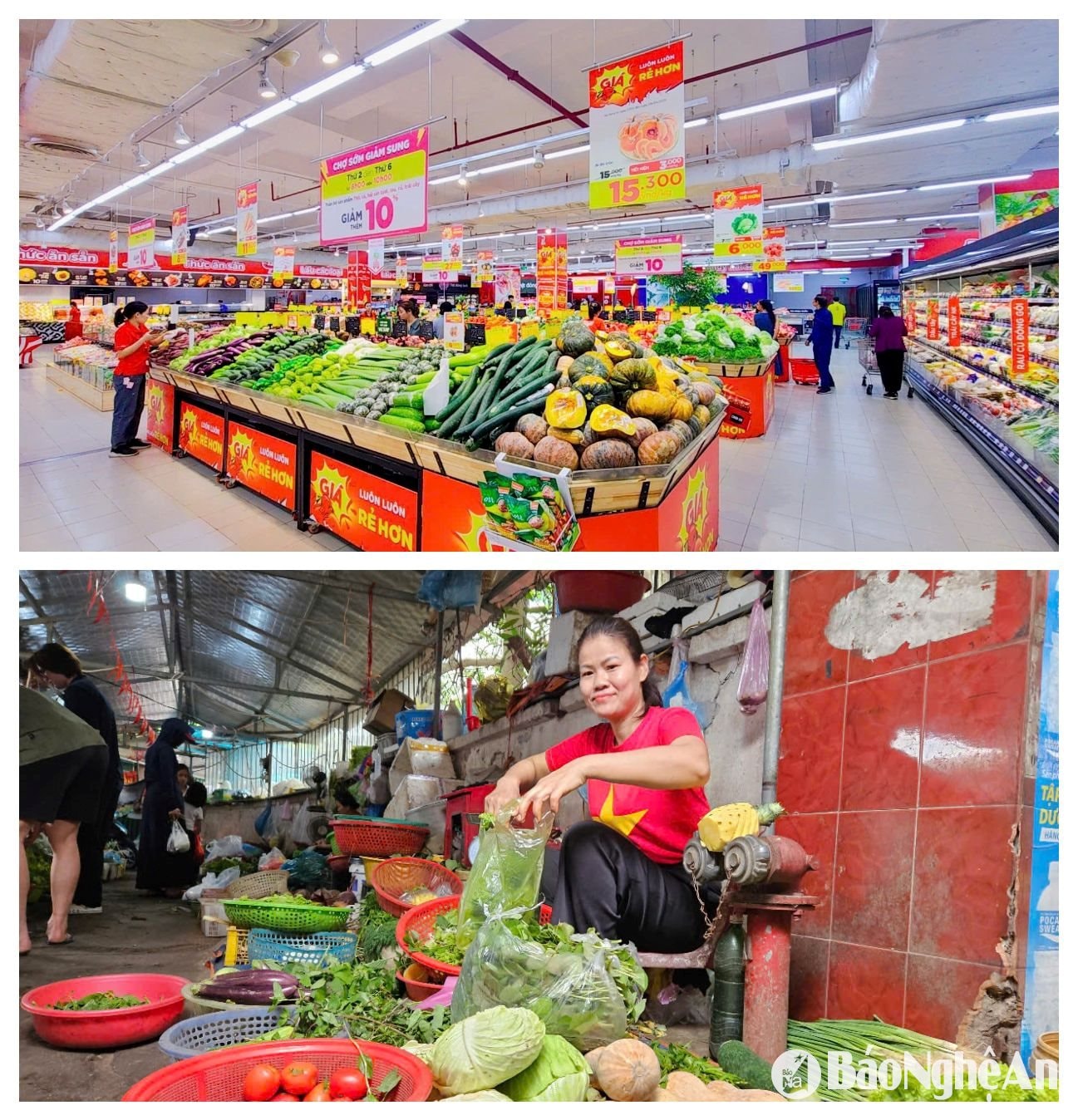
For consumers, this is an opportunity to access cheap green vegetables during the summer – something rarely seen in recent years. While in the same period of previous years, a bunch of water spinach or cabbage could cost up to 10,000 - 12,000 VND, now it only costs 3,000 - 5,000 VND.
Local markets and supermarkets are overflowing with all kinds of vegetables and fruits. Ms. Hoang Thi My Linh from Hung Phuc ward, Vinh City, shared: "Never before have green vegetables been so cheap and abundant during the hot May weather. Going to the market is easier to choose, cheaper, and eating vegetables every day is less expensive."
Although farmers face challenges in finding markets, favorable weather conditions have resulted in a year's vegetable crop with fewer pests and diseases, and no losses due to drought or extreme natural disasters. This is also an opportunity for the agricultural sector and farmers to review crop structure and seasonal planting schedules. Avoiding mass planting and instead regulating acreage appropriately, switching to higher-value varieties, or staggering planting seasons will be a sustainable approach. Simultaneously, strengthening consumption connections and expanding markets is necessary to prevent the recurring problem of "bumper harvest, low prices" every year.


