
Buying gold on paper: the tulip bubble of the digital age?
Gold prices surged, causing a scarcity of physical gold supply. Buyers paid for gold and were given a delivery date later, or even resold the delivery receipt before receiving the gold, similar to the tulip craze in the Netherlands in the 17th century.
Over the past week, world gold prices fluctuated around $4,100 – $4,150 per ounce. In Vietnam, the price of SJC gold bars has approached 150 million VND per tael, causing many people to rush to buy gold in anticipation of further increases.
According to major gold trading businesses, the number of customers placing orders and making reservations has surged, with some even having to issue "post-delivery slips" due to a shortage of physical gold. This gold price surge not only reflects investment demand but also indicates instability in the global economy.
International financial experts believe that the sharp rise in gold prices is due to the weakening US dollar and expectations that the US Federal Reserve (Fed) will begin a cycle of interest rate cuts starting in the first quarter of 2026.
As US 10-year Treasury yields fell to around 4%, investors shifted toward safe-haven assets. Additionally, geopolitical instability in the Middle East and US-China trade tensions continued to fuel demand for gold.
According to statistics from the World Gold Council (WGC), global central banks purchased a net of more than 400 tonnes of gold in the first nine months of 2025 – the highest level since 2011. This sustained demand has contributed to pushing gold prices to new highs.
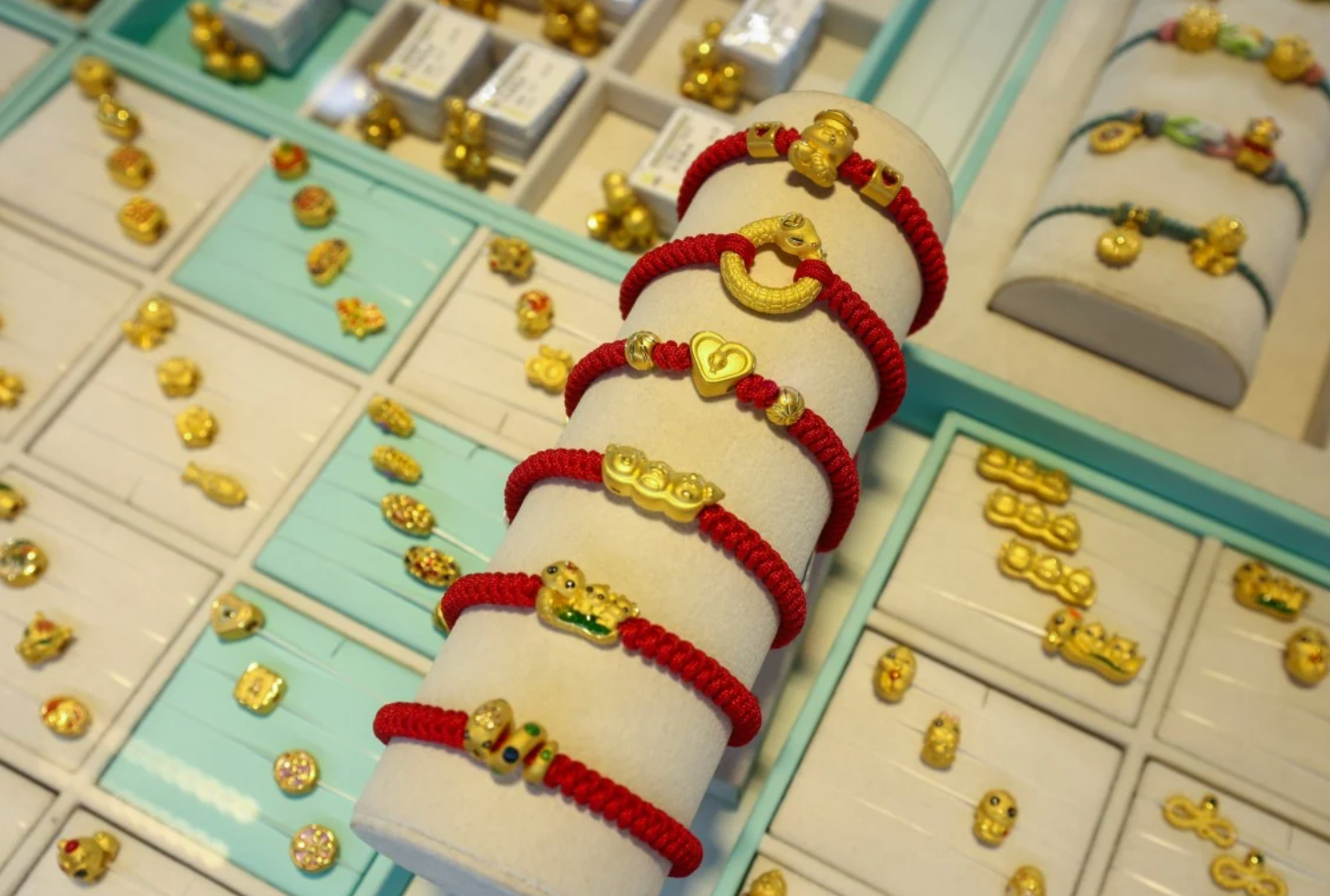
In Vietnam, the limited supply of SJC gold bars has led many businesses to adopt a "deposit-delivery" model. Many consumers pay real money but only receive a promissory note, hoping the price of gold will continue to rise so they can sell and lock in profits.
However, the rush to buy gold on a "promissory note" basis could leave many people losing everything if the seller fails to deliver the full amount.
"Paper gold" contracts do not equate to real ownership. When gold prices fluctuate sharply, buyers may be caught between two risks: falling prices and non-delivery. Once confidence is shaken, speculative capital can easily be withdrawn en masse, causing gold prices to plummet unexpectedly.
The phenomenon of investing in gold prices through promissory notes is likened by many experts to the "tulip bubble"—the tulip mania in the Netherlands in the 17th century, when people bought and sold contracts more often than physical goods.
Just like tulips, the price of gold is currently being inflated by the "fear of missing out" (FOMO) mentality. When too many people place their hopes on a single asset, the market can become highly volatile, creating cycles of artificial rallies followed by sharp crashes. As one experienced investor put it, "If you don't hold real gold, you're only holding a promise."
The gold price surge is causing many to forget the true value of this precious metal. Gold is only safe when you actually own it, not when you hold a piece of paper guaranteeing its purchase. The more volatile the market, the greater the risk – and the lesson of the "tulip bubble" remains relevant for investors in the 4.0 era.
Instead of chasing rumors or speculative waves, investors need to view gold prices as a long-term accumulation channel, with a solid vision and risk control. When quick profits become tempting, it is patience and understanding that are the true "gold" in investing.


