
The Vu Lan season, a time to remember our roots.
For a long time, Vu Lan has ceased to be simply a Buddhist ritual and has become a beautiful aspect of Vietnamese culture – the culture of filial piety. Even as life changes and modern people face many challenges of industrial life, filial piety remains true to each individual. It is the respect and appreciation for the kindness and nurturing of one's parents. Vu Lan Day is an occasion for each of us to reflect on the feelings and responsibilities of children and grandchildren towards their parents, grandparents, and ancestors.
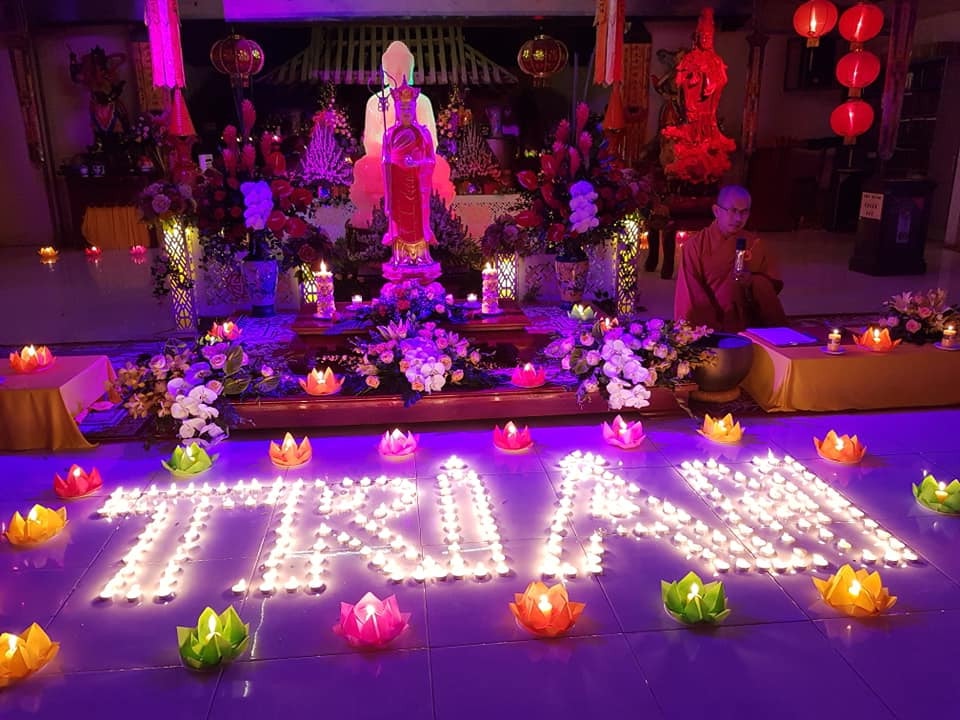
Filial piety has always been a noble moral value, the foundation for all development in life. Therefore, although the Vu Lan Festival originates from the story of Bodhisattva Mục Kiền Liên rescuing his mother in Buddhist legends, over time, with many changes in society, Vu Lan is no longer simply a sacred religious ritual, but also a festival of human compassion with special meaning, guiding people back to their ancestors and the principle of remembering their roots.
Filial piety is the foremost virtue in human conduct. Children must show respect and reverence to their parents – those who gave birth to and raised them, shaping them into who they are. Their contribution is as high as Mount Tai; pure and profound as an endless spring. Parents always find joy in their children's success. Children who uphold family traditions, live respectfully towards elders, maintain harmony among siblings, and avoid wrongdoing are also demonstrating filial piety. Therefore, repaying parental kindness through daily care and support during illness and hardship is always considered the primary criterion for evaluating a child's filial devotion to their parents.
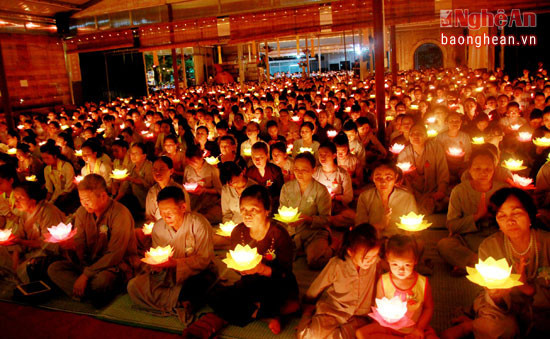
The Vu Lan season is not only for Buddhists to visit temples, chant prayers, and dedicate merit to the souls of their deceased grandparents, ancestors, or parents, but more importantly, it is an opportunity for each person to reflect on their filial responsibilities and pray for their living parents to always be healthy and happy surrounded by their children and grandchildren. Filial piety and gratitude must be shown while parents are still alive, by providing them with food and shelter, medicine, and care when they are sick or unwell.
The most sacred temple or shrine is the one in the heart of the person. The most revered and worthy Bodhisattva is the one in each family, our father or mother while they are alive. Therefore, the Vu Lan festival also encompasses the meaning of gratitude and repaying kindness. This idea aligns with the Vietnamese mindset and moral principle of remembering one's roots and repaying kindness.
It is truly commendable that more and more people, especially young people, are participating in the "Rose Pinning Ceremony" on the Vu Lan Festival with all reverence and sacredness. When a rose is pinned to the chest, each person has the opportunity to reflect on themselves and their actions towards their parents. There are increasingly more examples of filial piety towards grandparents and parents, culturally exemplary families, and respectful and heartfelt longevity celebrations, bringing joy and good health to the elderly, surrounded by the love and filial devotion of their children and grandchildren.
Showing filial piety to one's parents varies from person to person. However, it's not certain who is more filial: a wealthy person organizing a lavish birthday celebration for their parents with hundreds of guests and cars filling the city, or a poor, uneducated farmer offering a simple meal on the "Living Anniversary of Parents' Death" according to the customs of the Chuc ethnic group in the mountainous districts of Quang Binh and Ha Tinh provinces. The elderly often suffer from illnesses and have limited material needs. What matters most is the affection, care, and attention of their loved ones. As our people say, "The beauty of a betel quid lies not in the person who prepares it, but in the person who offers it."
Therefore, going to the temple to worship Buddha and dedicate merit to the spirits of ancestors on Vu Lan Day is a worthwhile endeavor. However, don't be swayed by superficial appearances and spend money on services, elaborate offerings, and expensive paper money, or perform rituals that are not in accordance with the proper Buddhist teachings and traditional ceremonies. Instead, let's work together to do good deeds, help the needy and the sick, and consider this a way to transform our actions into virtuous karma to show filial piety to our ancestors and parents. Without a kind heart and good deeds, no matter how lavish the offerings or how much paper money is burned, it will all be in vain!
Society has no right to treat the elderly badly or unjustly. Children and grandchildren are especially not allowed to be indifferent or insensitive to their own parents and those who raised them. No society considers mistreating or being cruel to parents to be normal.
"Children don't listen to what adults say, but they will watch closely to see what adults do, and then they will do the same."according to”Don't wait until it's too late to cry. Especially when it comes to things each of us can do for our parents and grandparents today.


