
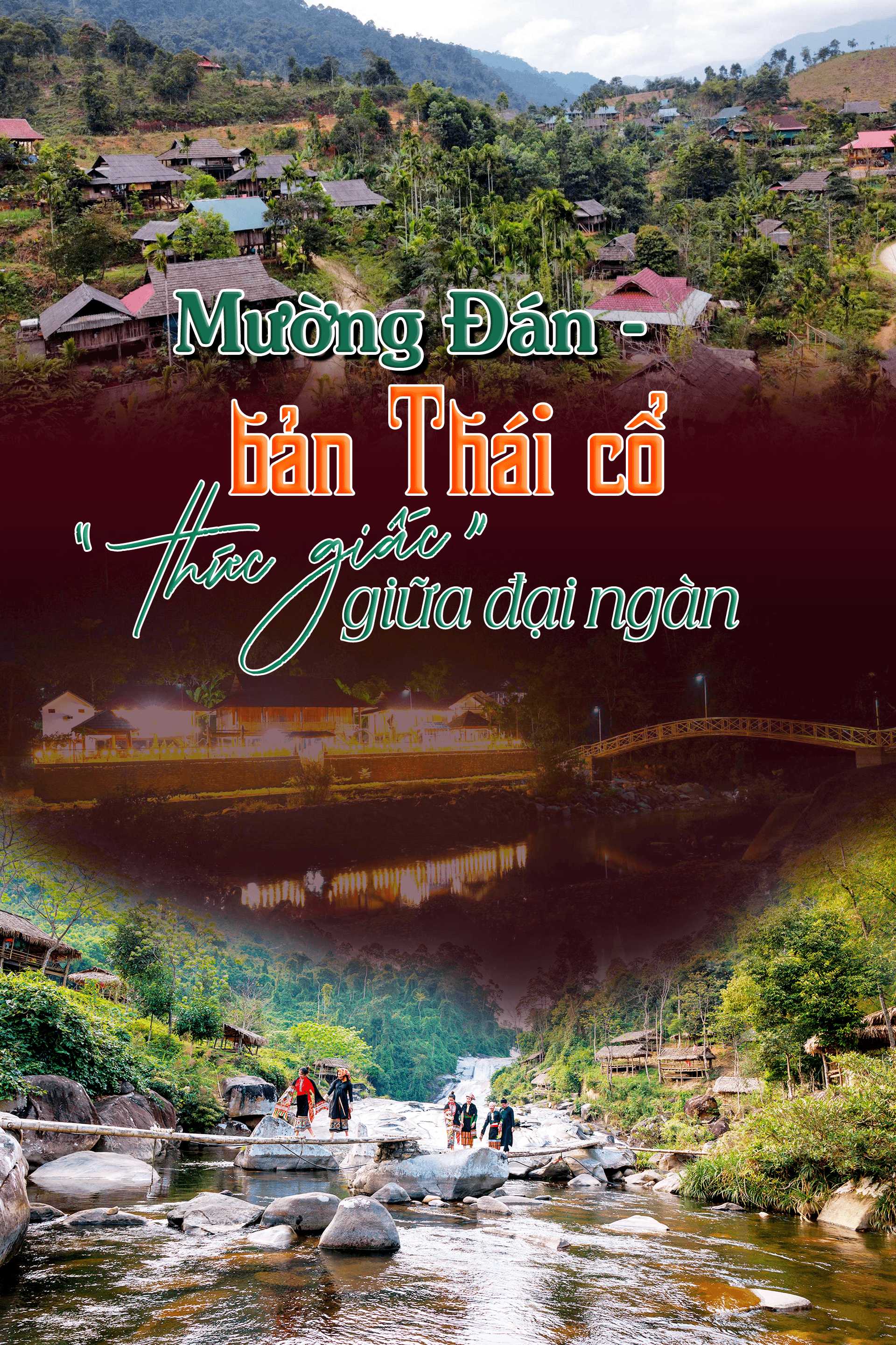
Muong Dan - an ancient Thai village "awakens" amidst the vast forest.
Nestled in the heart of the Pù Hoạt Nature Reserve (Tiền Phong commune, Nghệ An province), the ancient Thái village of Mường Đán still preserves its traditional stilt houses with thatched roofs, its folk songs and dances, and the vibrant lifestyle of the Thái people. But behind this peaceful facade lies a new vitality spreading day by day. From the pioneering efforts of exemplary Party members to the determination to develop the economy while preserving culture, Mường Đán is gradually awakening its potential, becoming an attractive destination in the vast forests of western Nghệ An.
Khanh Ly - Hoai Thu/Present:Hong ToaiJuly 26, 2026
*****
Nestled in the heart of the Pù Hoạt Nature Reserve, the ancient Thai village of Mường Đán (Tiền Phong commune, Nghệ An province) still preserves its traditional stilt houses with thatched roofs, its folk songs and dances, and the vibrant lifestyle of the Thai people. But behind this peaceful facade lies a new vitality spreading daily. From the pioneering efforts of exemplary Party members to the determination to develop the economy while preserving culture, Mường Đán village is gradually awakening its potential, becoming an attractive destination amidst the vast forests of western Nghệ An.

The nearly 15-kilometer road from the center of Tien Phong commune led us along the verdant mountain slopes to the ancient Thai village nestled in the heart of the Pu Hoat Nature Reserve. As we ventured deeper into the village, Muong Dan unfolded like a pristine painting, with its stilt houses and dark brown thatched roofs standing out against the green backdrop of the mountains and forests.
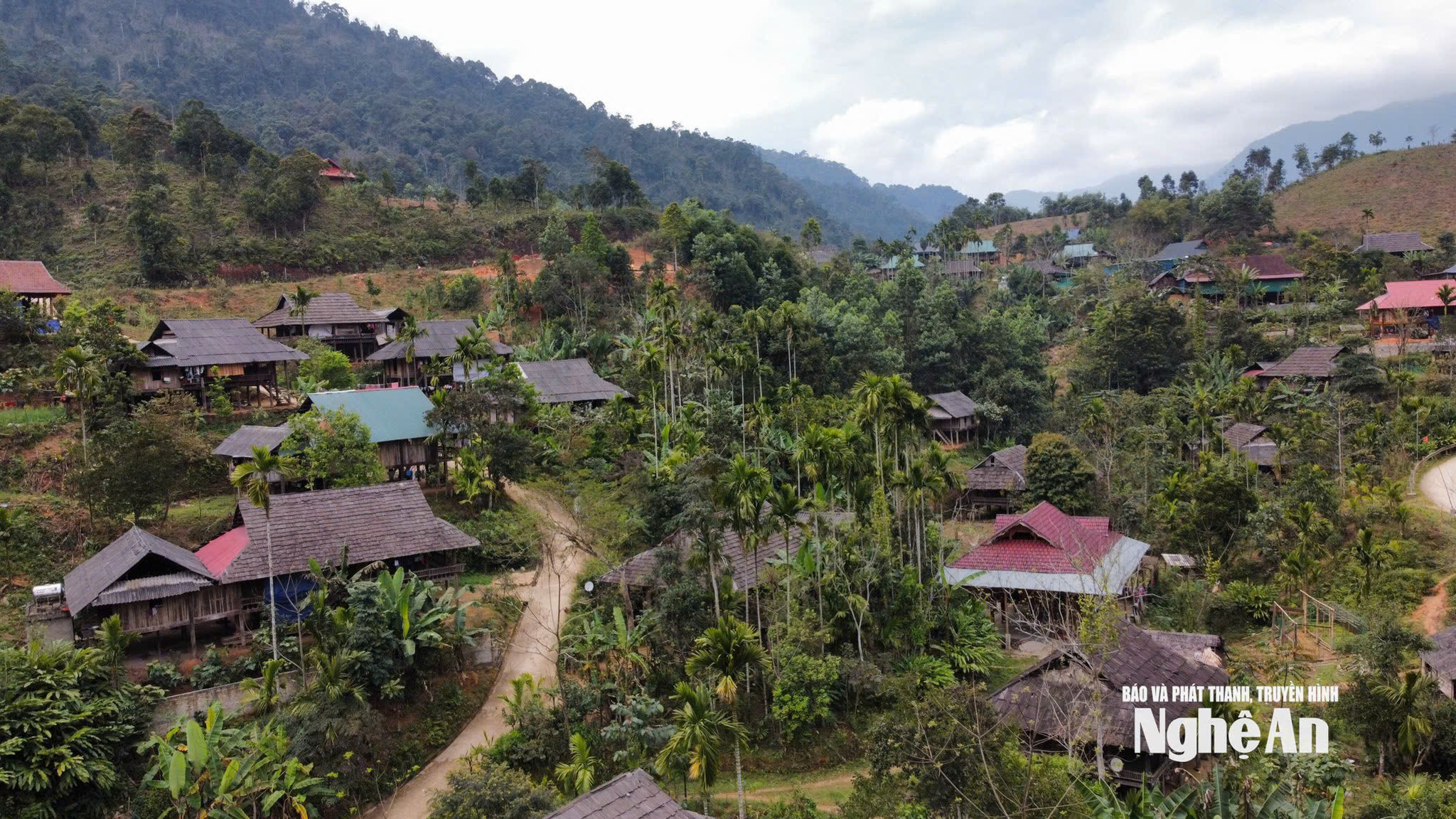
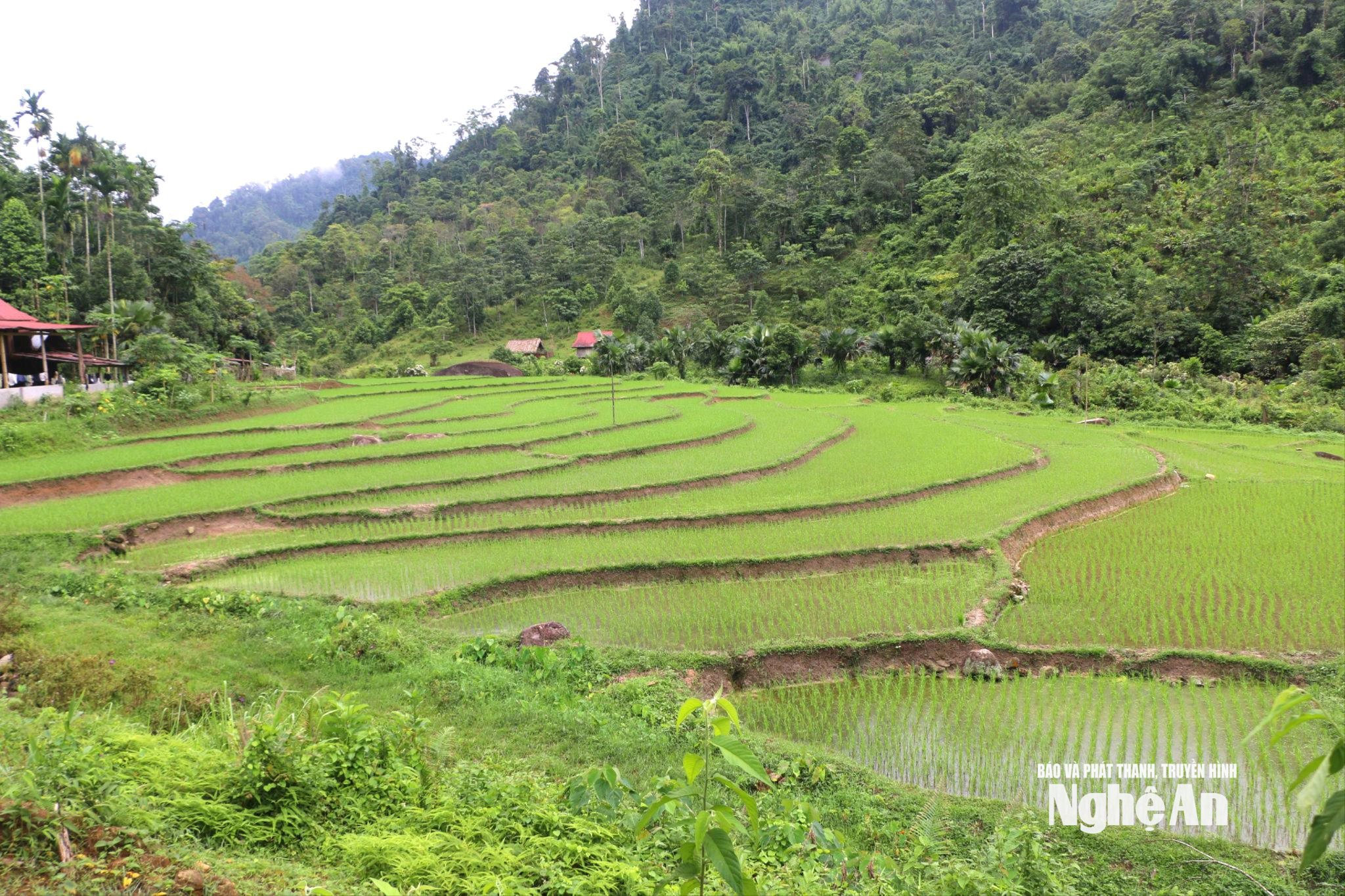
The Pang Tong stream meanders around the village, embracing the terraced rice fields that flow like silk ribbons. In the distance are rolling hills of cinnamon trees and lush green acacia forests, creating a landscape that is both poetic and abundant.
Few people know that behind that peaceful facade lies a dramatic transformation of a highland village. This transformation is the result of innovative production thinking, the unity of the people, and especially the pioneering role of the cadres and Party members.
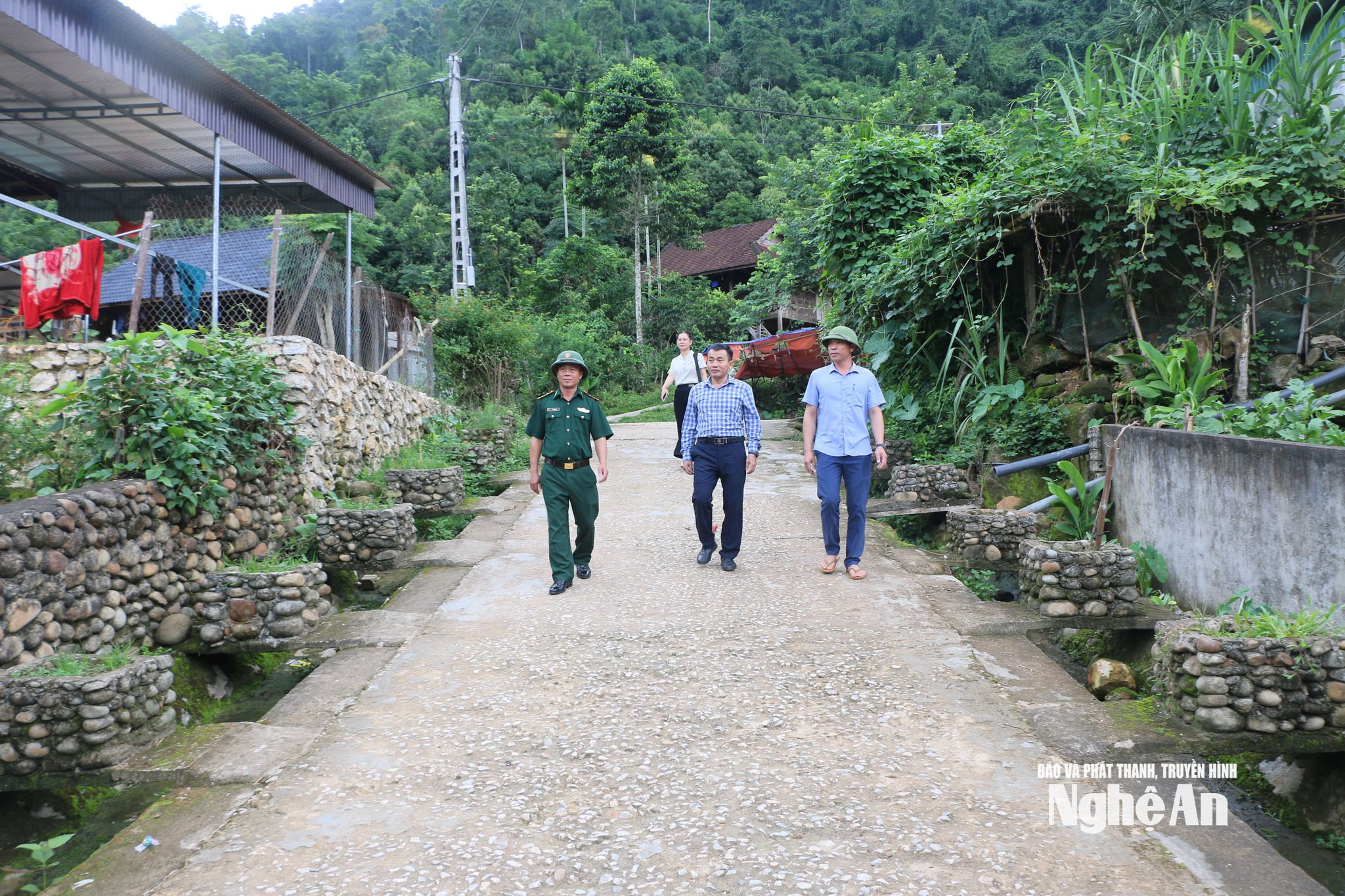
The Muong Dan village currently has 203 households with nearly 900 inhabitants, mainly of the Thai ethnic group. While in the past, the lives of the people mainly depended on rice cultivation and natural resource exploitation, in recent years, the forest-based economy has opened up a new direction.
The person most frequently mentioned by the villagers in terms of household economic development is Mr. Ha Van Binh - the former Party Secretary of the village.
Located a few kilometers from the village, his farm is situated in the middle of a production area, encompassing terraced rice fields, over 5 hectares of cinnamon trees, acacia forests, as well as areas for growing sorghum, raising buffaloes, fish ponds, and rows of lush green banana trees.
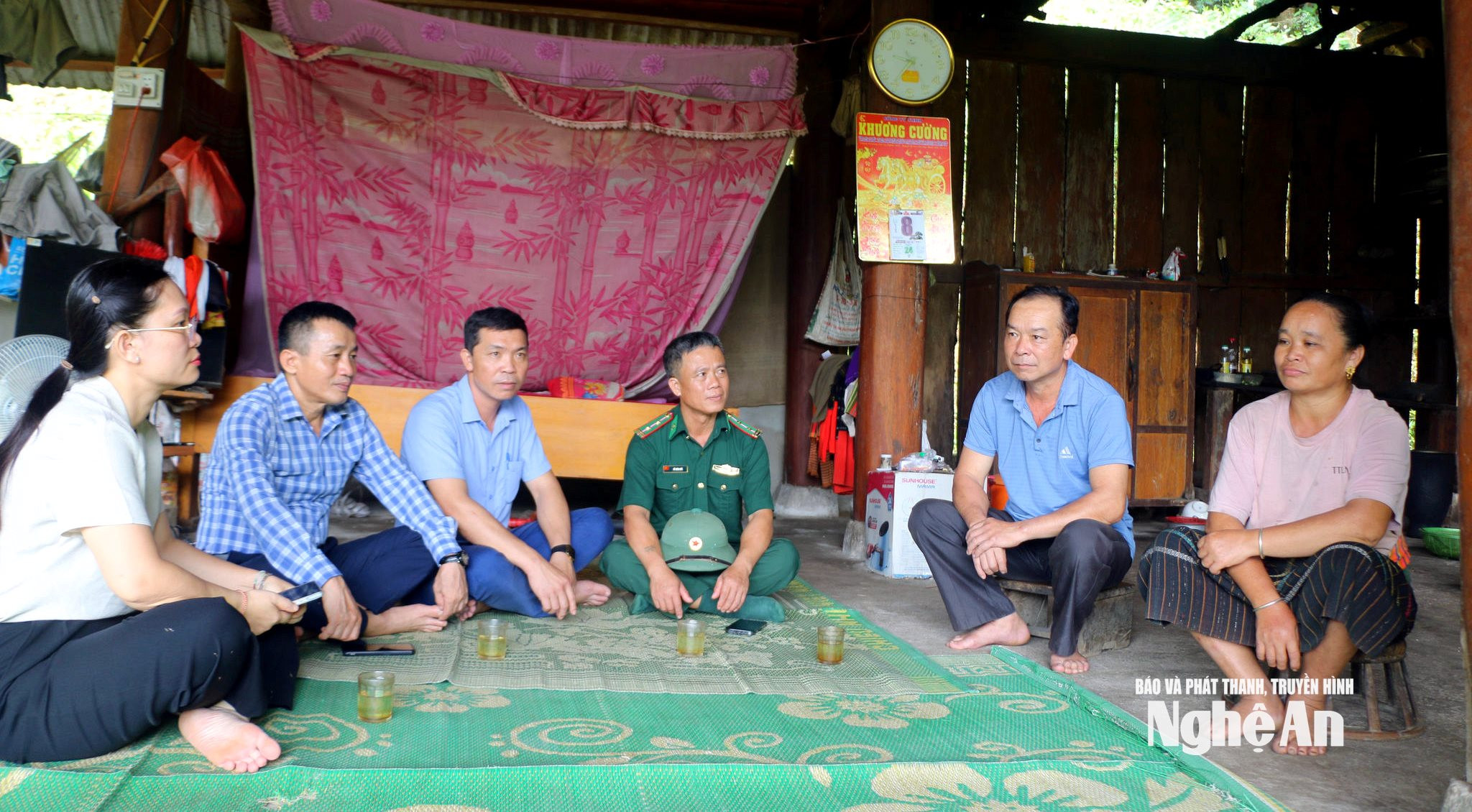
In a small house amidst the farm, beside a pot of fragrant cinnamon tea, the exemplary party member recounted the early days of land reclamation more than 30 years ago.
Back then, there were no roads, no machinery; everything relied on human labor. The couple quietly cleared land, cultivated rice, and gradually expanded the area for cinnamon and acacia trees, dug ponds for fish farming, and invested in plows and tillage machines to increase productivity.
Not only was he a pioneer in economic development, but he was also the pillar of support for his family of eight siblings after their father passed away prematurely. For many years, he worked in the village while simultaneously managing production, becoming an exemplary figure of diligence, responsibility, and a strong will to succeed.
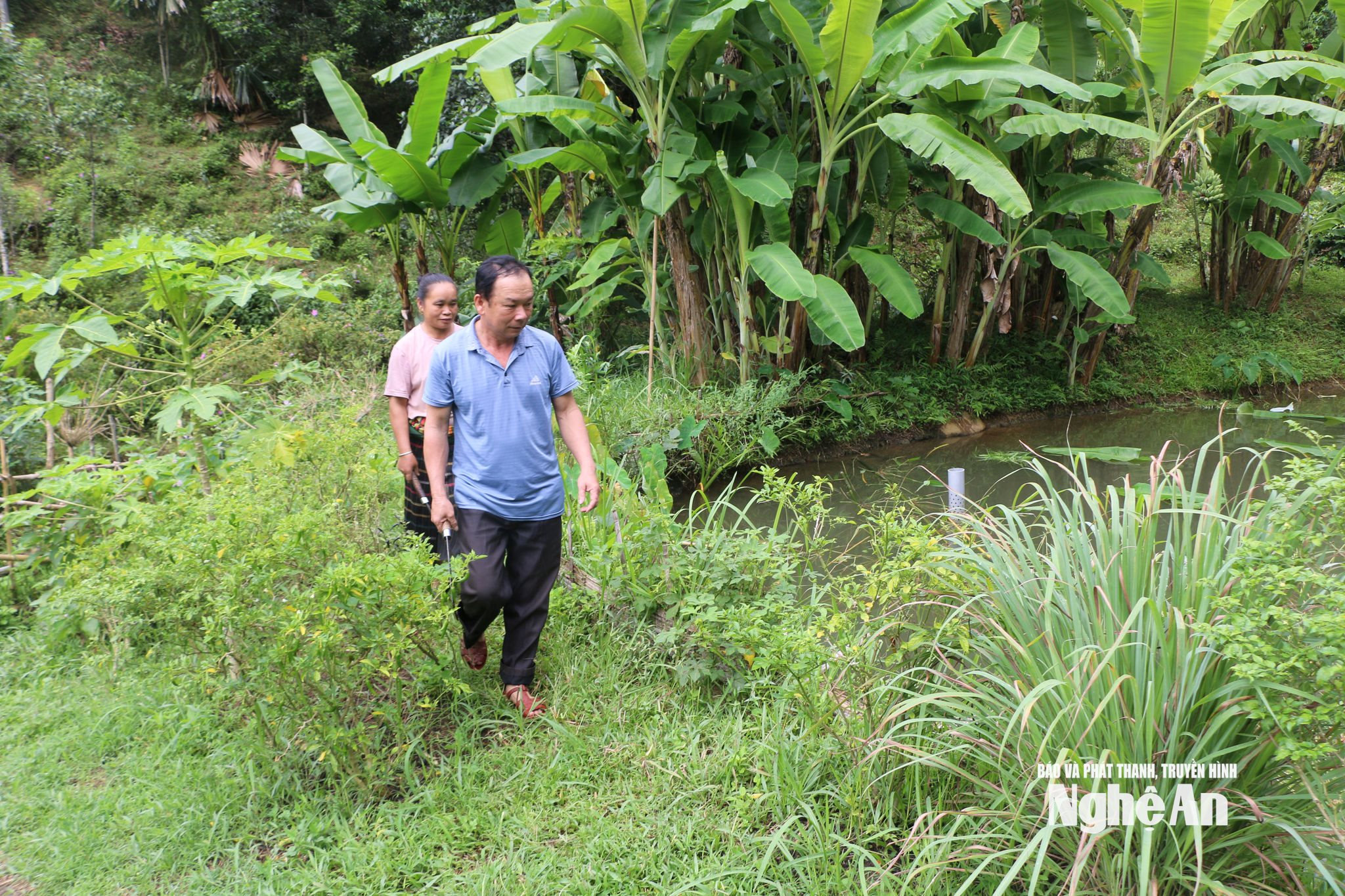
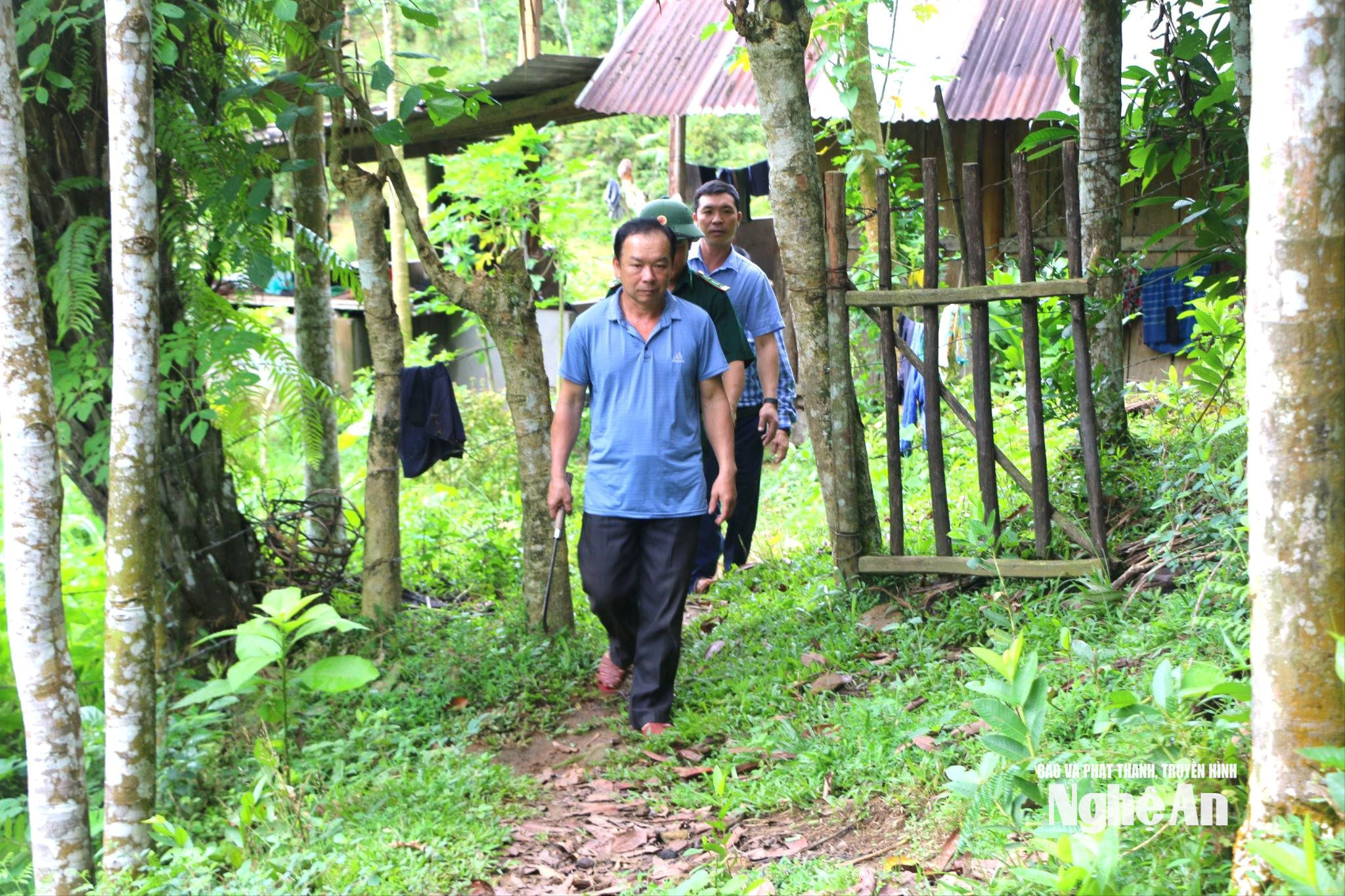
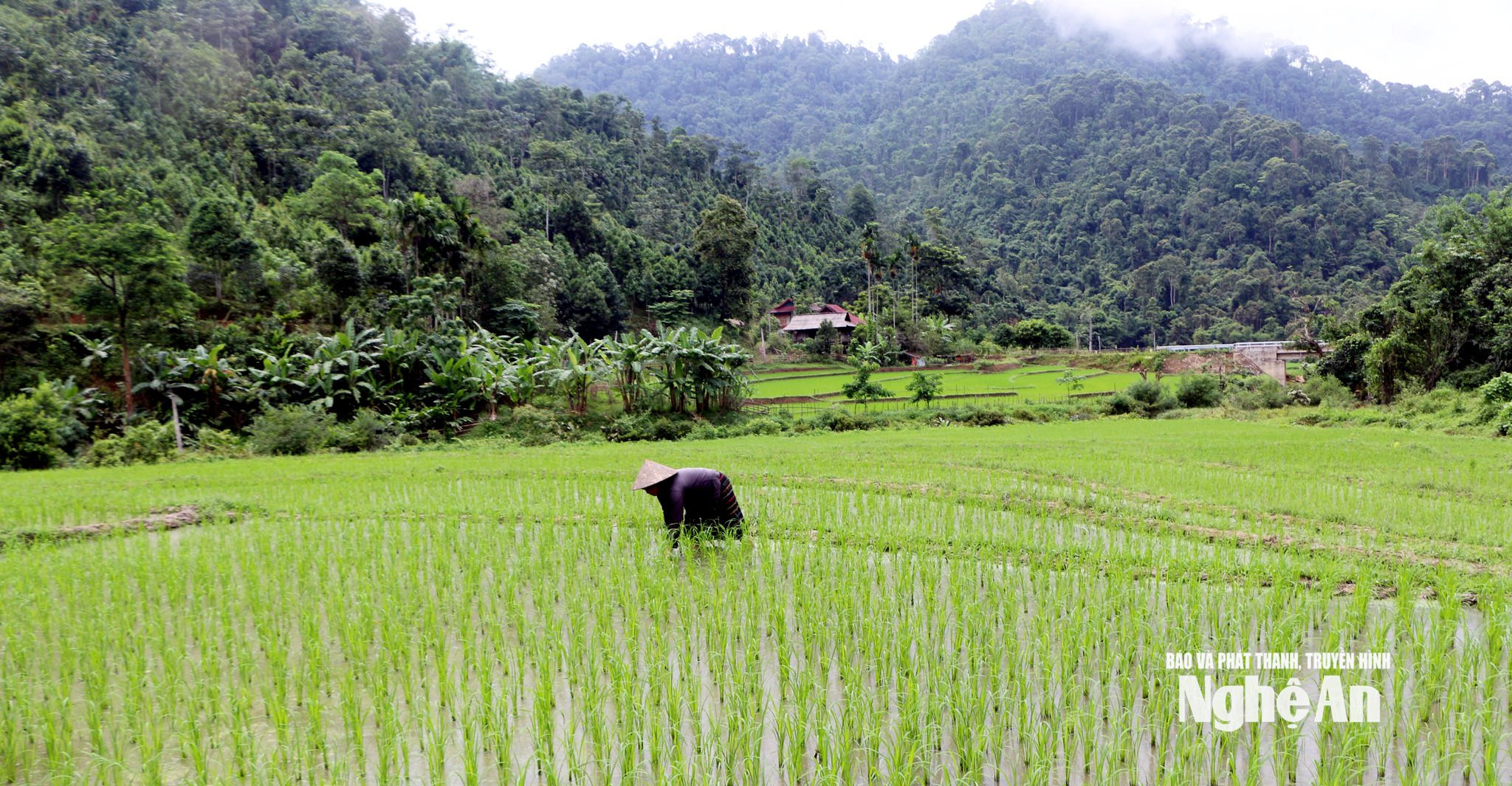
According to Vi Van Thu (born in 1979), the Party Secretary of the village, Mr. Ha Van Binh's family has three brothers who are Party members and have been involved in grassroots work for many years. Thanks to their exemplary conduct, the economic development movement in Muong Dan village is spreading increasingly.
Village head Ha Van Dung, Mr. Binh's younger brother, is currently developing an integrated model with cinnamon, acacia, dong leaves, sorghum, and buffalo and cattle farming in the Huoi Pung hill area.
The youngest brother, Ha Van Thuong, also built an effective forest-based economic model and actively participated in local activities as the village team leader and the head of the Veterans' Association branch. These models have become vivid evidence of the motto "Party members lead the way, the people follow."
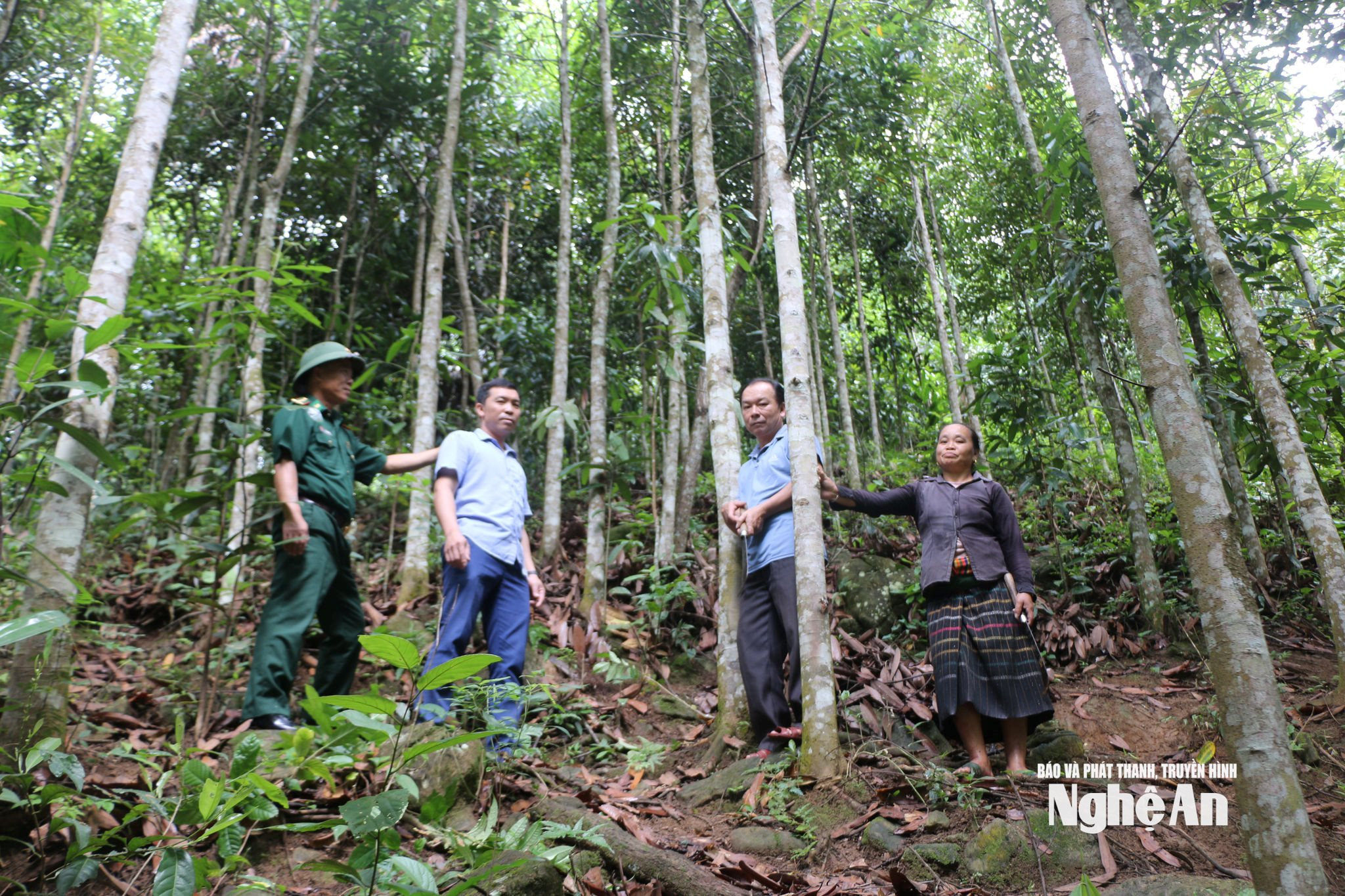
Thanks to the practical resolutions of the Party branch, the people boldly transformed the structure of crops and livestock. Cinnamon became the main crop; under the cinnamon canopy were the leaves of the *Centella asiatica* plant and *Bo bo* (a type of medicinal herb); on the hillsides were acacia forests; and at the foot of the mountain, the buffalo herd grew to 700 animals.
Currently, the entire village has over 30 hectares of cinnamon trees, with many households owning from 5 to 12 hectares. Each season, the villagers have a different source of income: dong leaves, bamboo shoots, sorghum, cinnamon, acacia trees, stream fish, etc.
Many households earn over 20 million VND per year just from selling corn. During bamboo shoot and mushroom seasons, people who go into the forest each day can earn an additional few hundred thousand to a million VND."
Village head Ha Van Dung shared:
Besides agricultural and forestry production, the village also maintains carpentry and construction teams, creating additional jobs and income for many local workers.
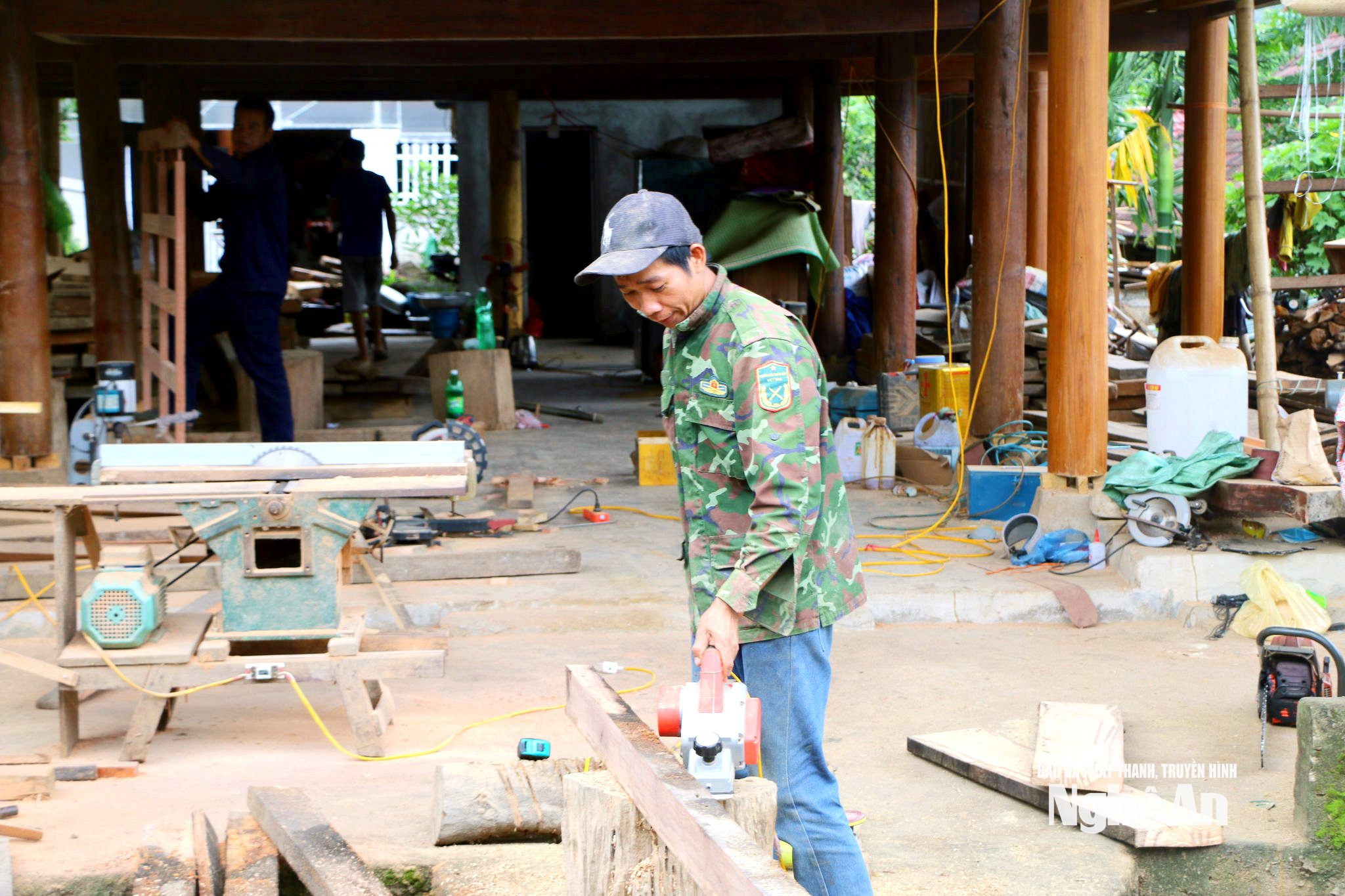
Today, concrete roads extend all the way to the production areas, replacing the old footpaths and making the transportation of agricultural products easier. As a result, people's lives are gradually improving.
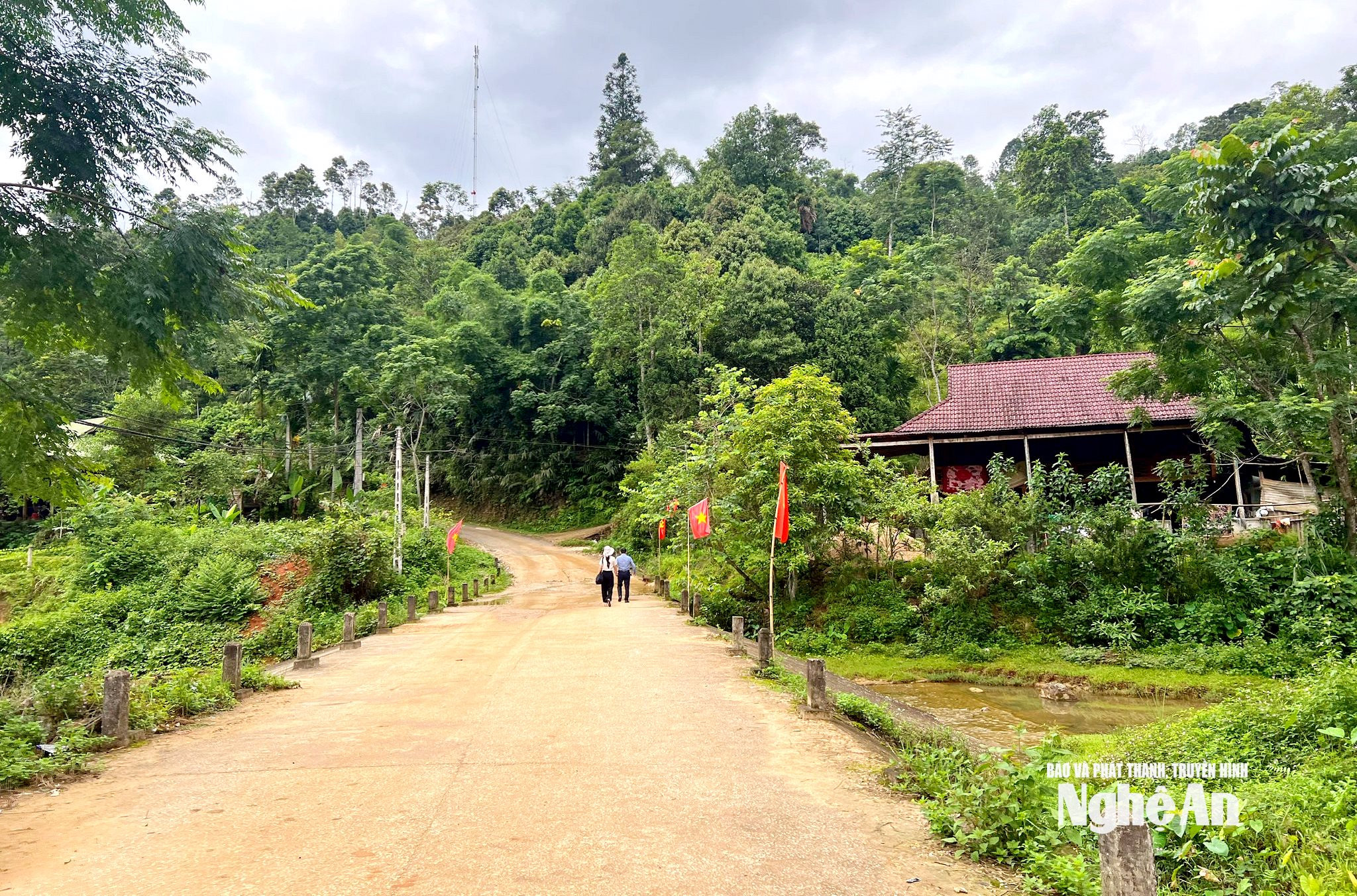

Amidst this rapid development, what is valuable is that Muong Dan village has retained almost entirely the appearance of an ancient Thai village.
Following the reorganization of villages and hamlets in 2026, the local authorities decided to restore the traditional name Muong Dan, replacing the previous name Long Thang.
This decision is not simply about restoring a historical site, but also affirms the determination to preserve cultural identity for the development of community tourism.
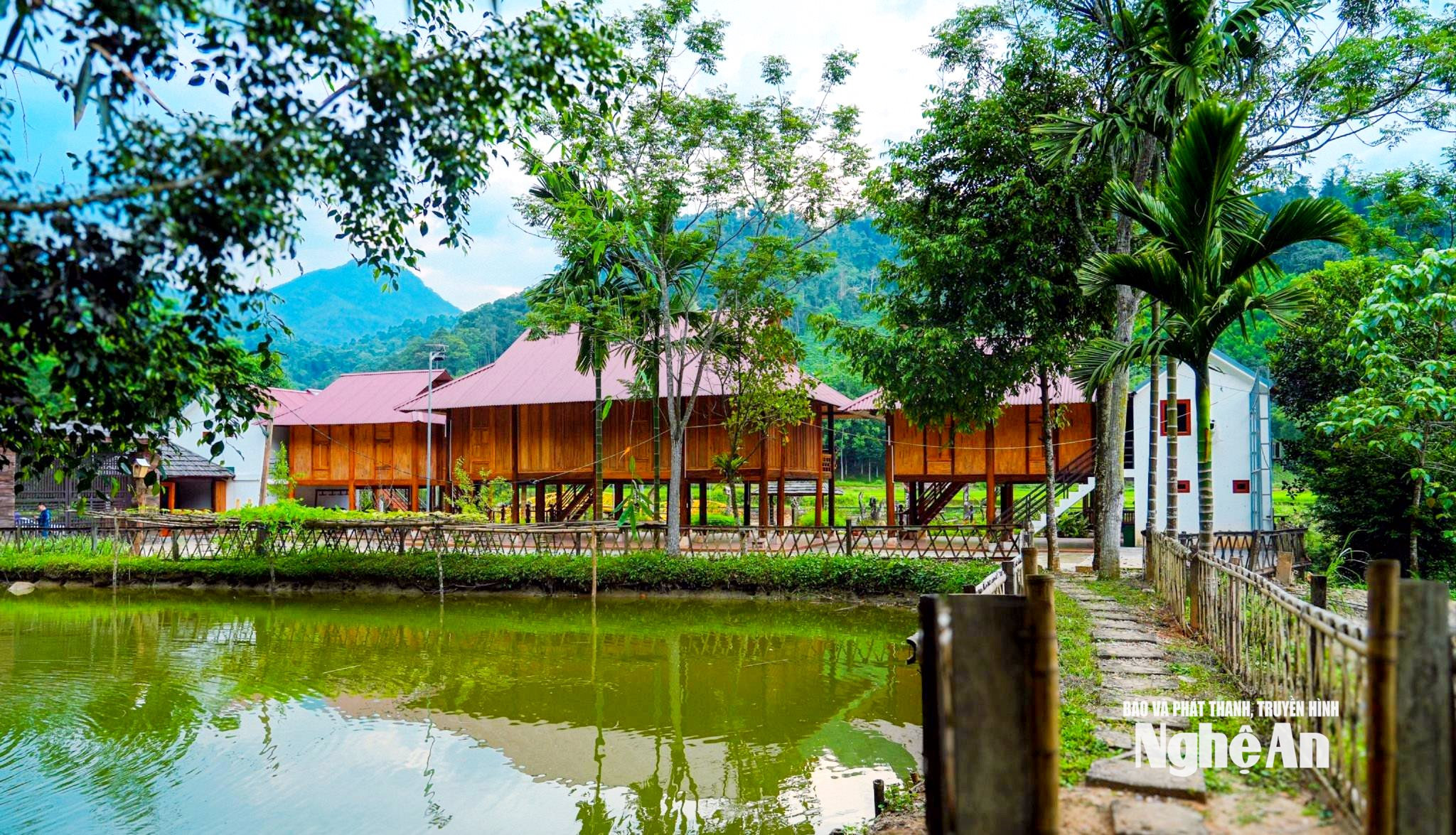
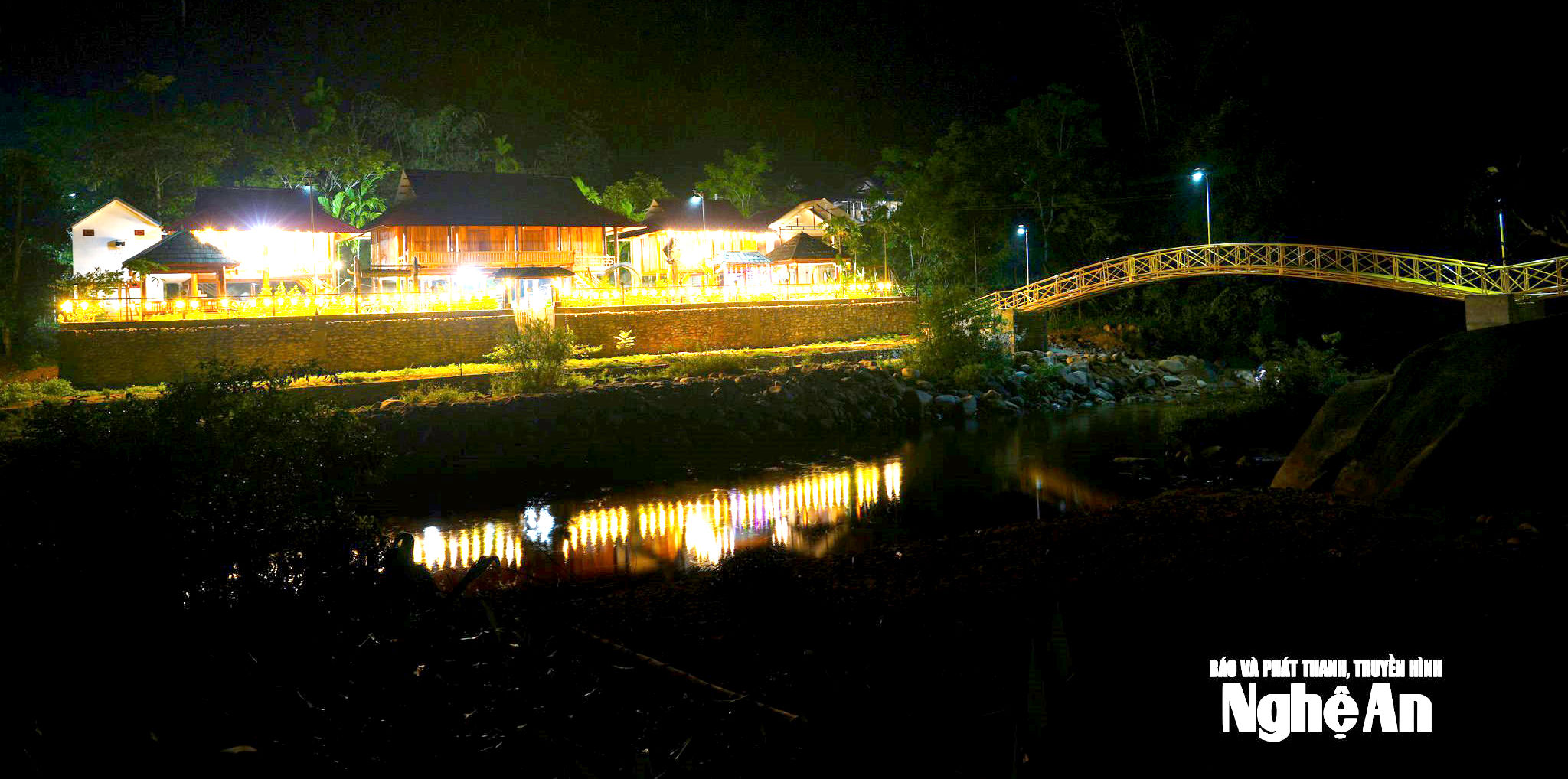
In 2025, the People's Committee of Nghe An province will recognize the ancient Thai village of Muong Dan as a community tourism destination, opening up new opportunities for this region.
According to Ms. Lo Thi Nguyet, Chairwoman of the People's Committee of Tien Phong commune, preserving the original name of the ancient village is also part of the local tourism development plan.
"Muong Dan is not only an attractive destination in western Nghe An but also a symbol of the harmony between cultural preservation and economic development."

Nature has endowed Muong Dan village with many rare advantages. The majestic 7-tiered waterfall, the clear blue Pang Tong stream, the system of primeval forests, caves, and the rich flora and fauna of the Pu Hoat Nature Reserve create a special attraction for adventurous tourists.
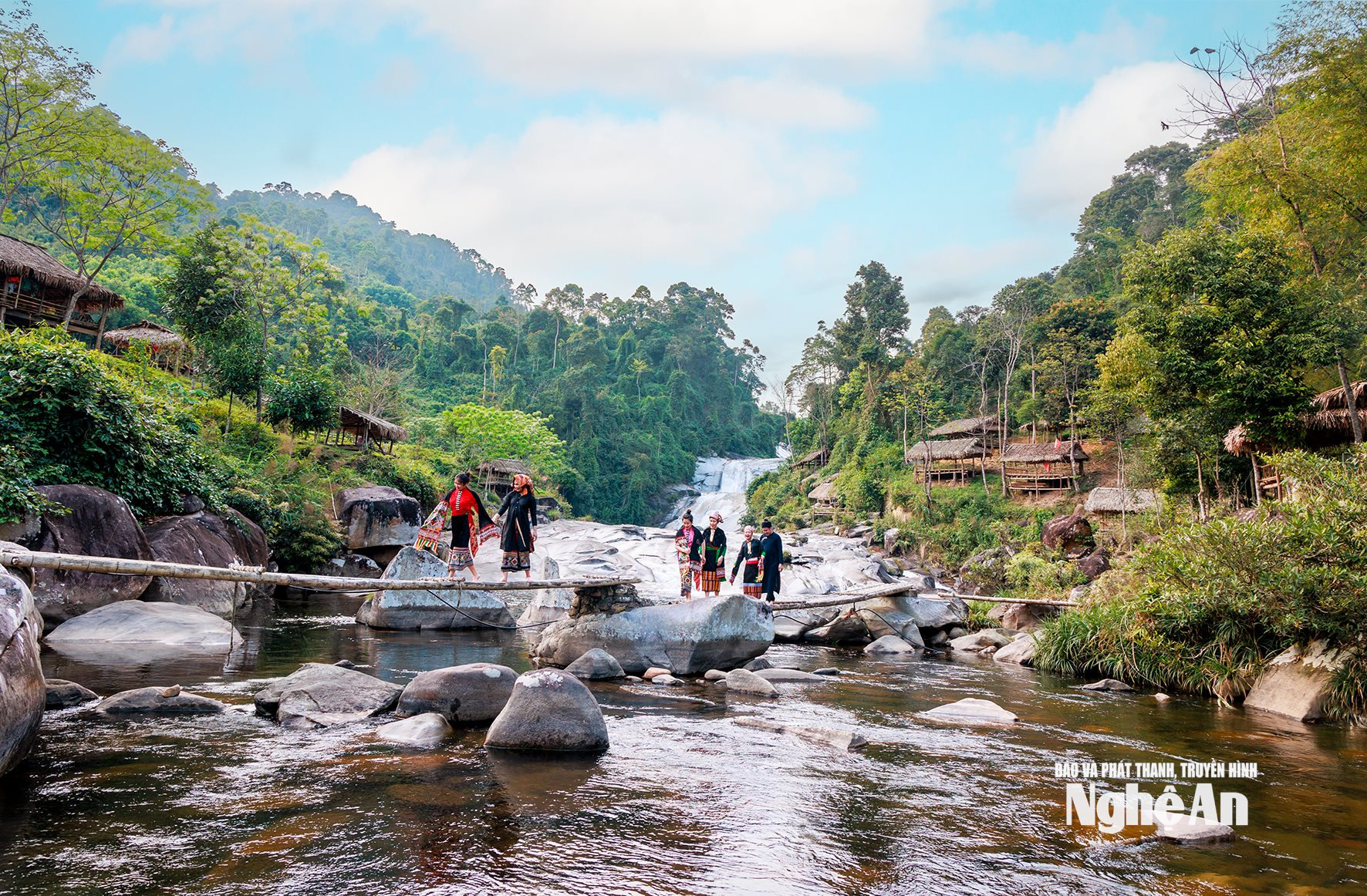
But what truly captivates tourists is the cultural atmosphere of the village.
Currently, Muong Dan village still has 32 traditional stilt houses with sa mu roofs – a type of durable wooden roof with a distinctive glossy brown color and a gentle fragrance. The roofs are neatly arranged, creating a unique beauty rarely found elsewhere.
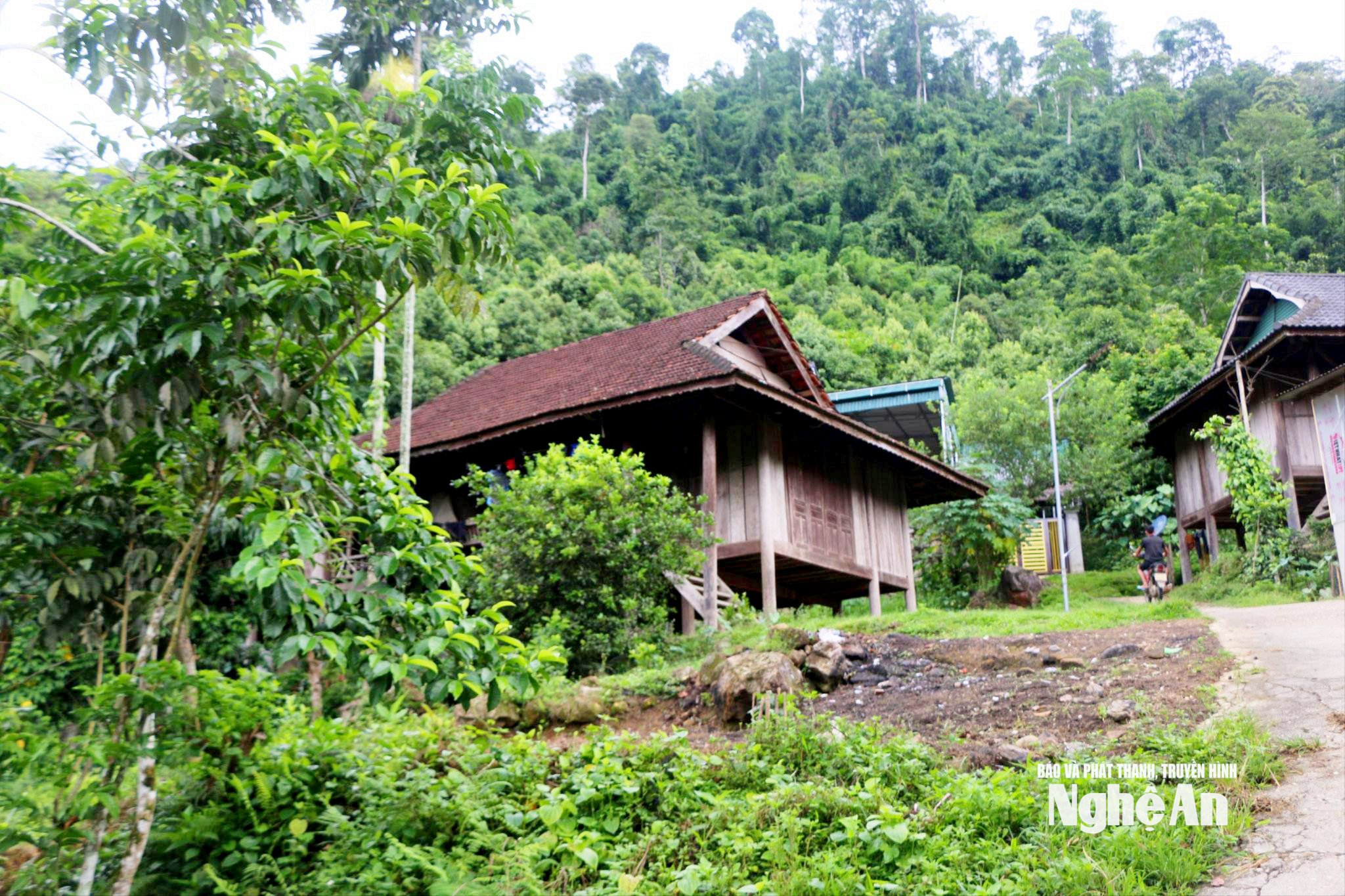
The atmosphere becomes even more vibrant when the sounds of gongs, flutes, and pipes blend with the melodies of the traditional Vietnamese folk songs like "khap," "lam," "nhuon," and "xuoi" resound each time guests are welcomed.
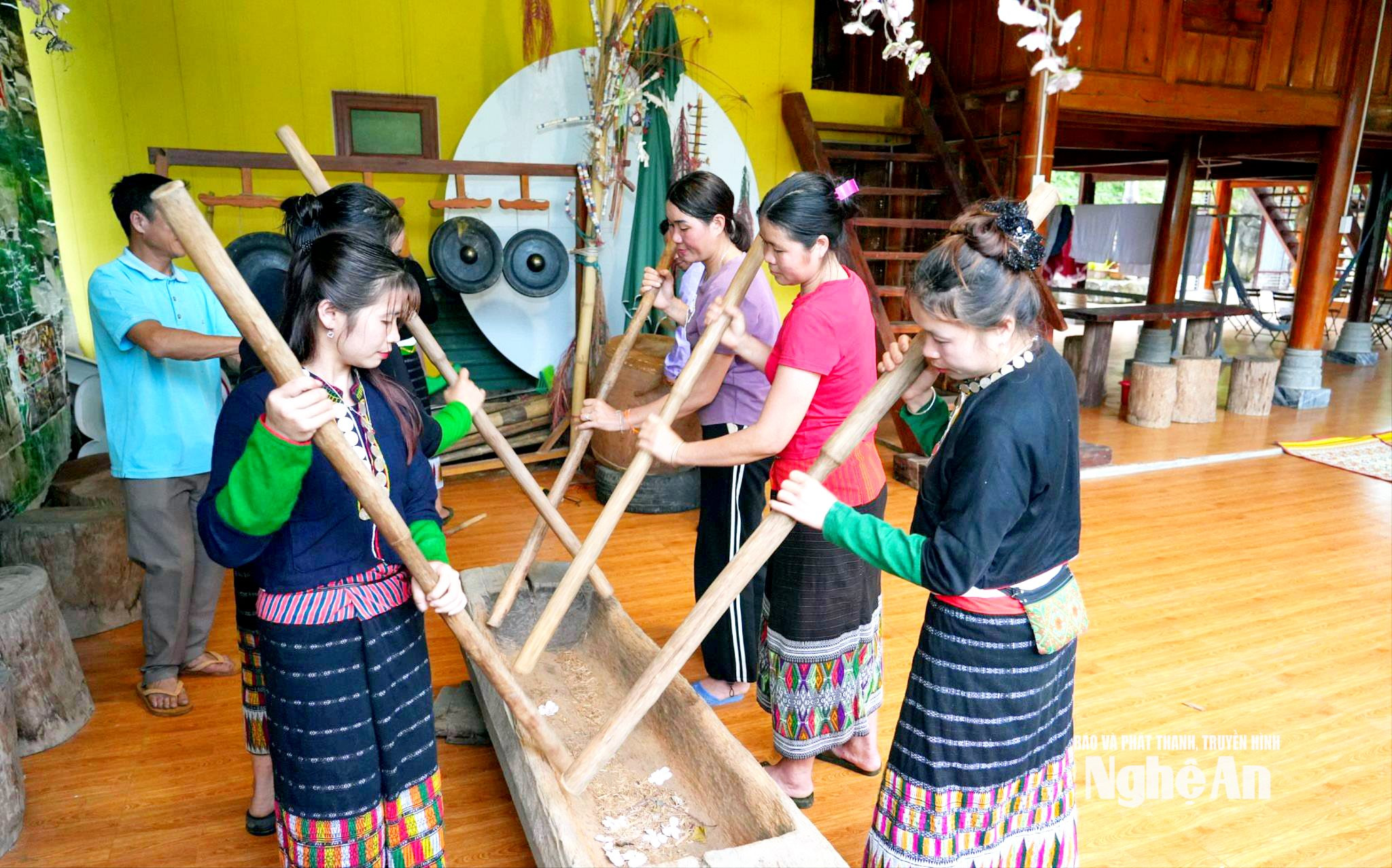
Since 2018, the village's folk song and dance club, with nearly 30 members, has been established and has become the "soul" of community cultural activities. Besides performing for tourists, the members also contribute to preserving ancient melodies that are gradually disappearing.
Besides that, the traditional brocade weaving craft is still preserved by the women. At 75 years old, Mrs. Lo Thi Phong still diligently works at her loom. "Traditional clothing is the pride of Thai women. As long as I can still weave, my children and grandchildren will remember the craft," she said with a gentle smile.
These intricately patterned fabrics are not only handcrafted products but also embody the memories, identity, and love that the Thai people have for their national culture.
Along with cultural preservation, the people of Muong Dan village are gradually developing tourism using their existing resources. Currently, the village has three households developing homestay models, including the homestay of Mr. Lo Van Thang. Starting in 2023, the young couple personally renovated the grounds, built stone fences, planted flowers, and designed a resort space that reflects the unique Thai culture.
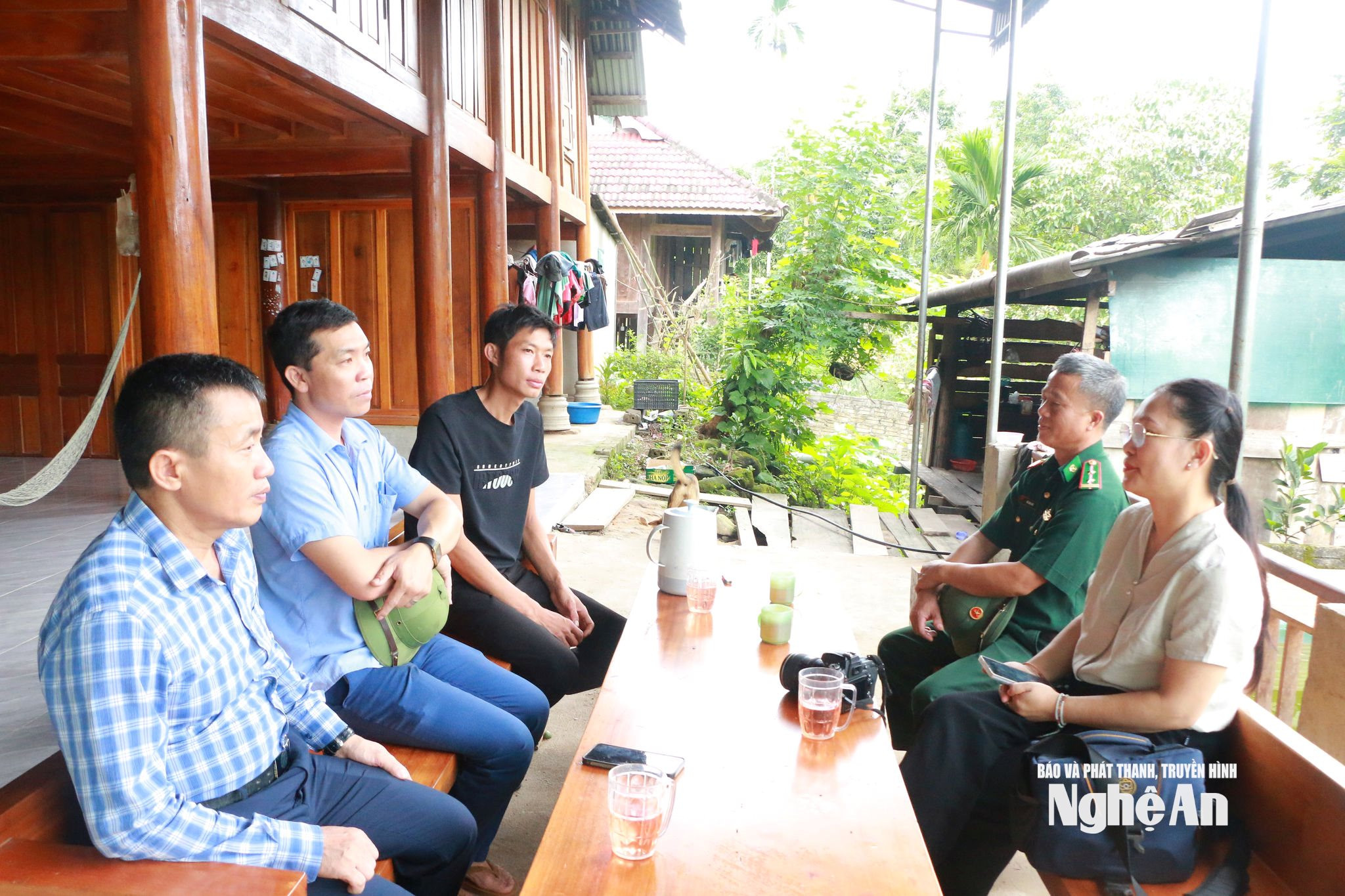
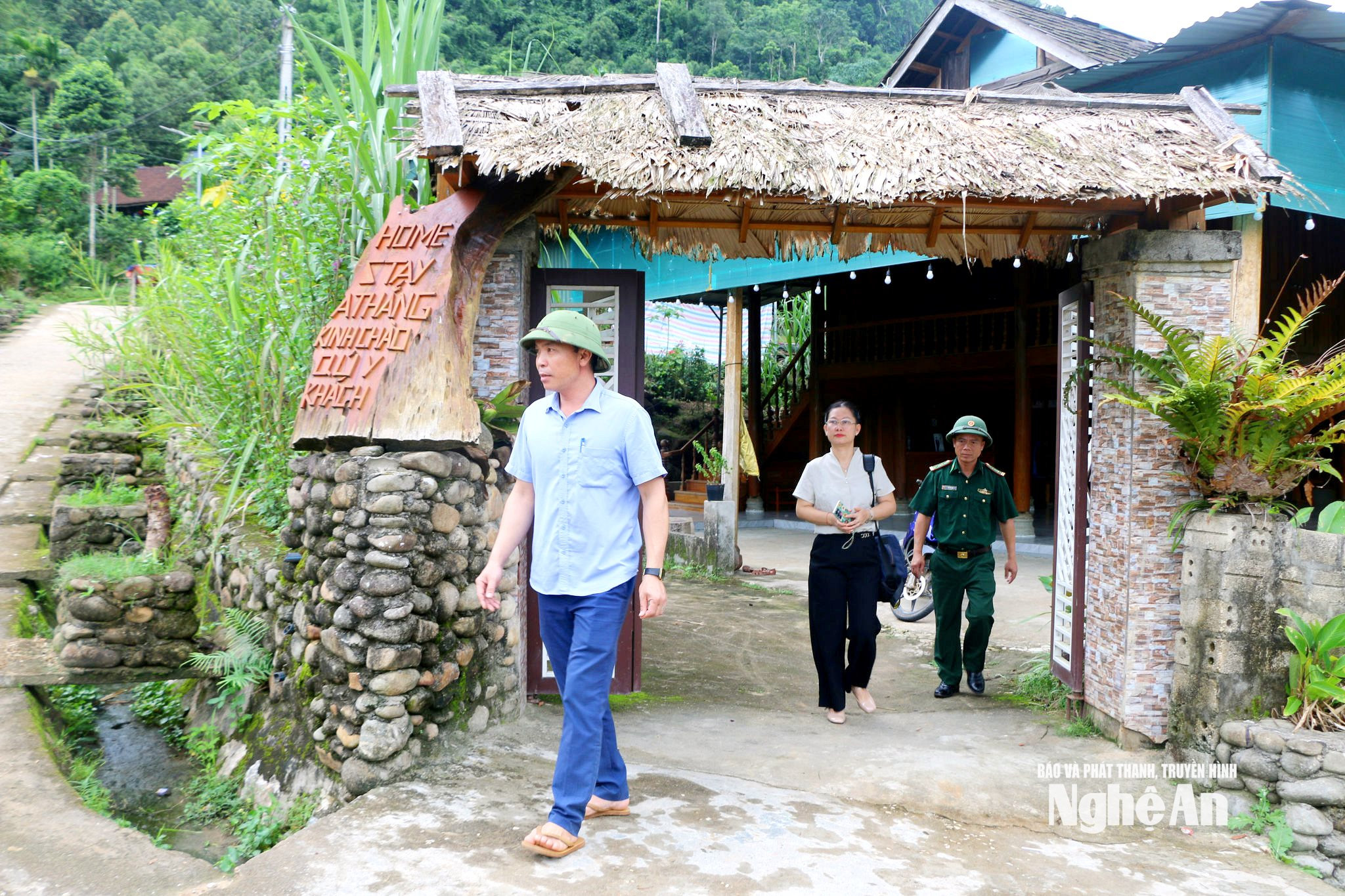
His homestay can accommodate around 40 guests at a time. What's special is that everything from the cultural performances and food to the ingredients is sourced directly from the local people.
Meals featuring bamboo-cooked rice, five-colored sticky rice, grilled stream fish, snail soup, and local black chicken... imbued with the flavors of the mountains and forests, become an unforgettable experience for every visitor.
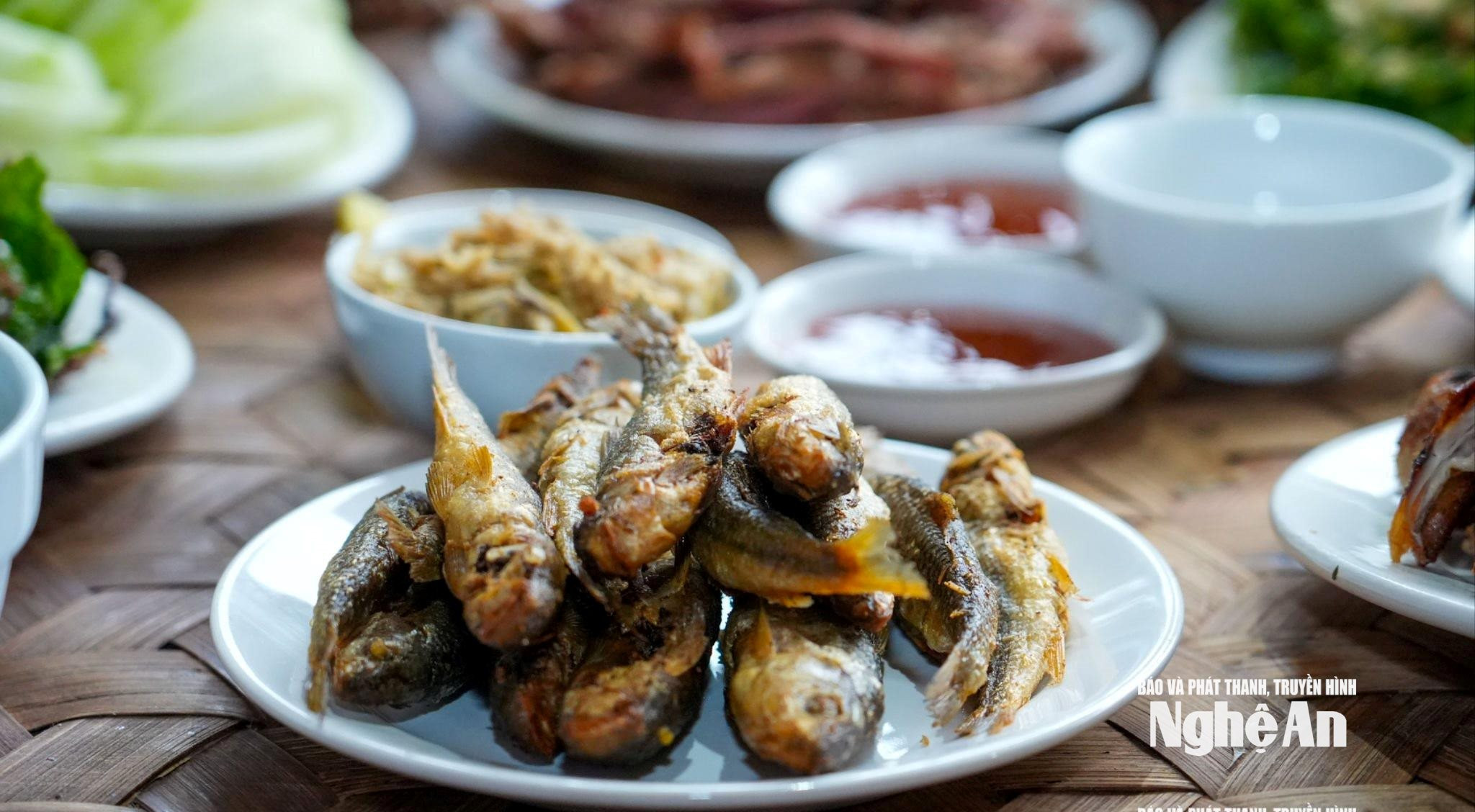
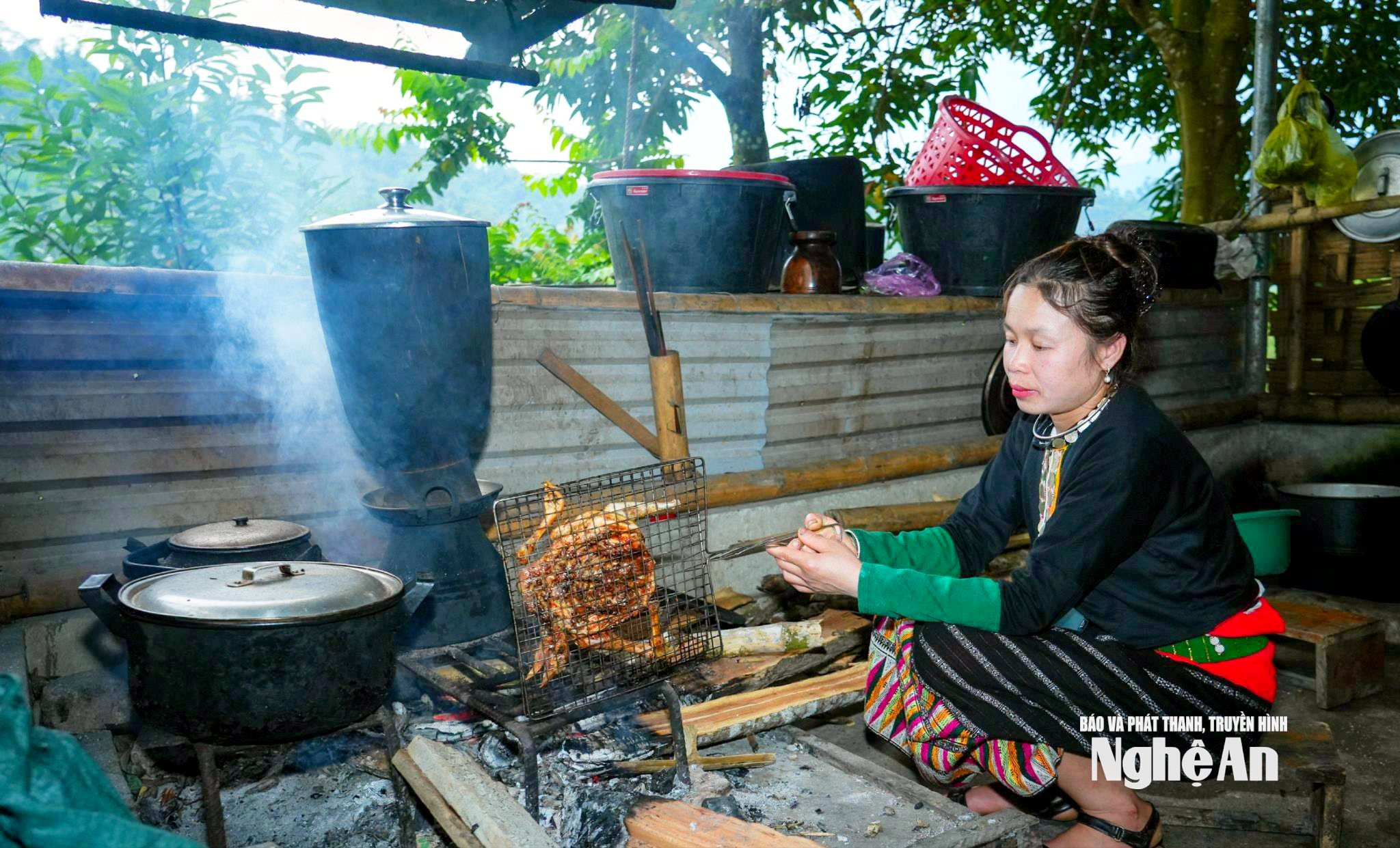
According to Village Head Ha Van Dung, the Party Branch and the Village Management Board have incorporated regulations on environmental protection, landscape preservation, and cultural conservation into the Village Charter so that each villager has a responsibility to preserve tourism resources.
.png)
Simultaneously, resources are being mobilized to build roads, cultural centers, sports fields, and improve the landscape, creating a foundation for the sustainable development of community tourism.
Evening falls over Muong Dan village. Smoke drifts lazily from the old thatched roofs of the houses. In the distance, Thai women still diligently work at their looms, while on the hillsides, the green of cinnamon and acacia trees stretches endlessly.
Today, Muong Dan village is no longer a remote hamlet nestled in the heart of the mountains. Change is evident in every house, every forest, and every aspect of the villagers' lives. But amidst this development, the ancient Thai village still retains its most precious assets: its cultural identity, its community spirit, and its love for its homeland.
.jpg)
This also forms the foundation for Muong Dan village to firmly establish itself as a unique community tourism destination in western Nghe An province – a place where every step of the way, visitors not only discover the beauty of nature but also feel the vitality of a village undergoing renewal, stemming from the traditional values preserved through generations.


