
The US depleted its PrSM missile stockpile in the early stages of a conflict with Iran.
The rapid depletion of PrSM ballistic missiles and other long-range precision-guided munitions is posing a serious challenge to the production capacity of the U.S. defense industry.
The U.S. military used up its entire initial stockpile of Precision Strike Missiles (PrSM) tactical ballistic missiles in the early stages of the conflict with Iran. This was the first time this latest weapon had been deployed in combat, and the rate of attrition far exceeded any initial projections by military planners.
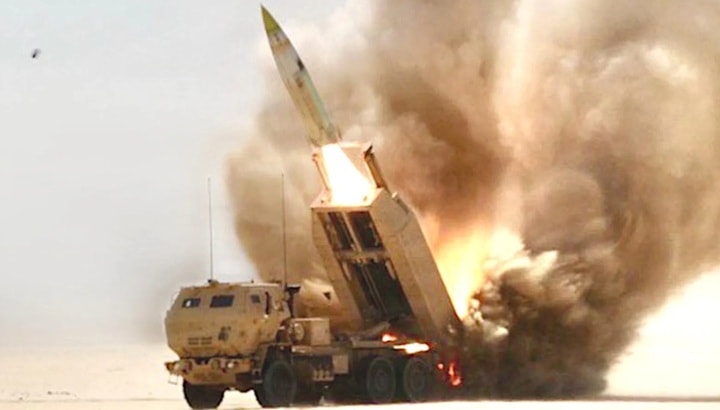
According to military sources, PrSMs have been deployed to strike strategic targets deep within Iranian territory from the Persian Gulf region. The high intensity of combat and frequent use have rapidly depleted the available missile supply. A U.S. Army transition official confirmed that the force must await additional shipments after the initial stockpile was exhausted.
Technical advantages of the PrSM missile over the ATACMS
PrSM was developed as a modern alternative to the long-standing ATACMS system. Compared to its predecessor, PrSM possesses superior technical characteristics, making it suitable for modern multi-domain warfare:
- Range:Reaching over 500 km, this represents a significant increase compared to the approximately 300 km limit of ATACMS.
- Design structure:The more compact size allows each launcher to carry two missiles, instead of just one as before.
- Integrated platform:Utilizing the highly mobile M142 HIMARS multiple rocket launcher system allows for flexible deployment in complex terrain.
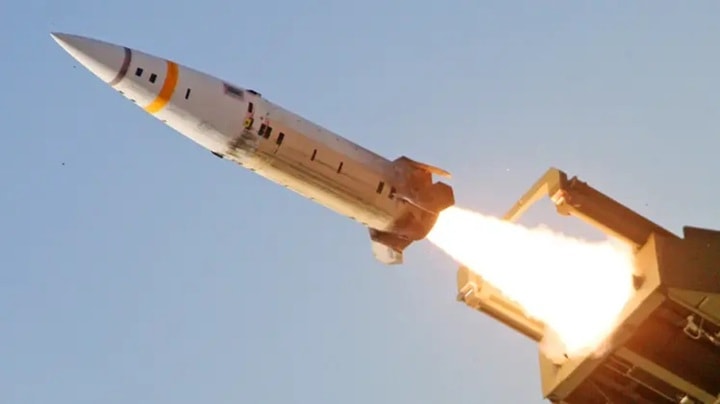
Prioritizing long-range precision strikes to minimize risk to direct forces is central to the new U.S. combat doctrine. However, battlefield reality shows that even the most advanced weapons can become scarce in a high-intensity conflict.
Pressure on supply chains and the defense industry.
The shortage wasn't unique to the PrSM. The US Navy reportedly launched nearly 1,000 Tomahawk cruise missiles in just the first few weeks of the conflict. Meanwhile, production capacity for this weapon was only around 150 per year, creating a huge gap between consumption and resupply.
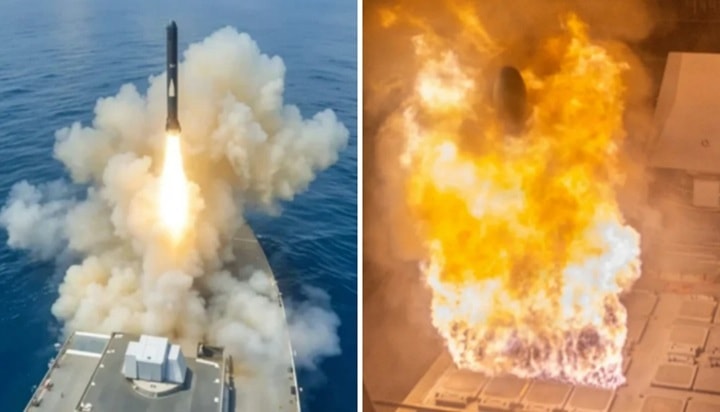
The defense system also faced similar pressure as more than 2,000 interceptor missiles from THAAD, Patriot, and Aegis systems were fired to counter counterattacks. In addition, specialized weapons such as the GBU-57 bunker-busting bomb, which have extremely high production costs, were also running low on stockpiles.
This situation reflects a gap in the ability to sustain military power long-term. High-tech weapons require complex production processes that cannot be immediately accelerated to meet battlefield demands. This forces the U.S. to consider shifting reserves from other strategic areas, potentially impacting global combat readiness in a complex geopolitical landscape.


