
US warns it will 'shoot down' landmine targets in Hormuz; Israel ready to escalate tensions with Iran.
The overall picture of the Middle East on the morning of April 24th continues to be dominated by escalating military activity. While diplomatic efforts are kindling hope for a ceasefire between Israel and Lebanon, the tension in the region is shifting toward Iran, with stern threats from Washington and Tel Aviv.
The US is tightening its grip on Iran from multiple fronts.
In Washington, pressure on Tehran is reaching its peak. Despite the global economy reeling from the conflict, US President Donald Trump insists the country is under no pressure to quickly end the war with Iran. On the social media platform Truth Social, he issued a chilling warning that he has all the time in the world, but not Iran, and that "the clock is ticking" for Tehran. Nevertheless, the White House firmly ruled out nuclear attack, emphasizing to the press that no one should be allowed to use this weapon of mass destruction.
Accompanying these tough statements were a series of concrete military steps. The US military confirmed that the supercarrier USS George HW Bush, with its deck packed with fighter jets, entered the area of responsibility of the US Central Command (CENTCOM) in the Indian Ocean on April 23. This move brings the total number of massive US warships ready for combat in the Middle East to three.
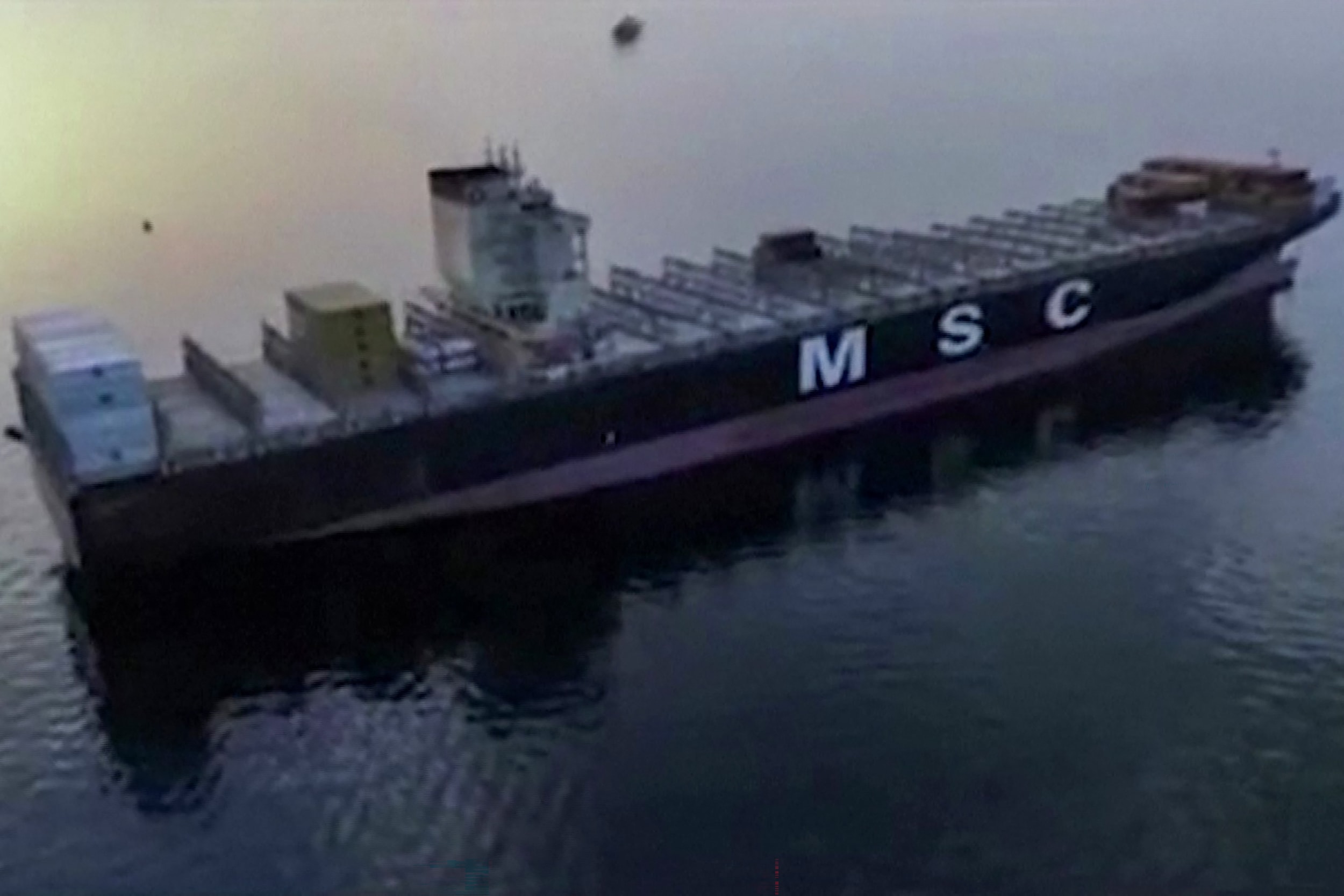
Meanwhile, on the economic front, the US Department of Defense announced that its forces had intercepted and inspected the M/T Majestic X in the Indian Ocean. This stateless vessel is subject to sanctions for suspected transport of oil from Iran and providing material support to that country. Notably, this was the second time in three days that US forces had conducted similar maritime intervention operations.
The "cauldron" of the Strait of Hormuz and Iran's shocking move.
The confrontation in the strategic Strait of Hormuz is becoming more dangerous than ever. In an effort to increase pressure on Iran to reopen this vital maritime trade route, President Trump has ordered the U.S. Navy to destroy any vessel attempting to lay mines. He declared a "shoot down" order applies to all vessels, even the smallest boats, that attempt to lay mines in the waters of Hormuz.
On Tehran's side, the country has shown no signs of compromise. Iranian Parliament Vice Chairman Hamidreza Hajibabaei revealed to the Tasnim news agency that Tehran has received its first revenues from the imposition of fees across the Strait of Hormuz – an unprecedented move made amidst direct confrontation with the US and Israel. All collected fees have been transferred directly into the account of the Central Bank of Iran.
Israel denies attacking Tehran, but is prepared to "wipe out" its adversary.
Despite reports from Iranian state media about a series of explosions over Tehran that triggered air defenses, Tel Aviv has denied any involvement. An anonymous Israeli security source told AFP that Israel is not currently conducting any airstrikes inside Iranian territory.
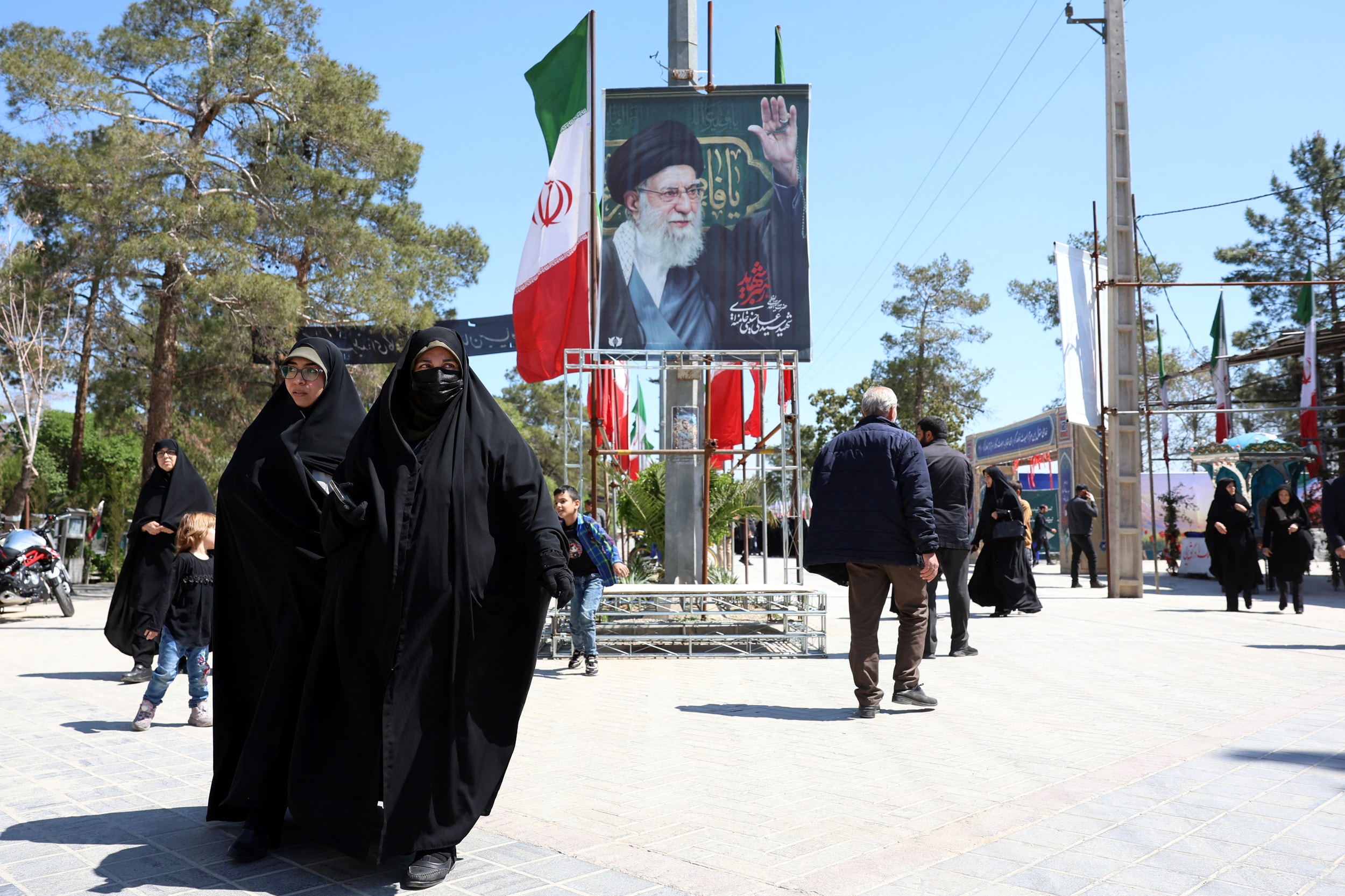
However, public statements from high-ranking Israeli officials paint a grim picture. In a video statement, Israeli Defense Minister Israel Katz emphasized that the country's military is fully prepared to continue the fight. Katz declared that Tel Aviv is only waiting for a "green light" from Washington to complete the dismantling of the Khamenei regime and push Iran back to the "dark ages" and the "Stone Age."
A fragile ceasefire exists between Israel and Lebanon.
Amidst the escalating violence, a rare bright spot emerged on the diplomatic front between Israel and Lebanon. During a meeting with the ambassadors of both countries in Washington on April 23rd, President Trump announced that the ceasefire between Israel and Lebanon would be extended for another three weeks. He assessed the chances of achieving peace as very high, calling it an "easy" process, and revealed that he would meet directly with the top leaders of both countries in the coming weeks. The negotiations in Washington took place just before Beirut officially requested an extension of the ceasefire.
However, on the ground, the agreement reached 10 days earlier is being seriously tested. The Lebanese Ministry of Health reported that a recent Israeli airstrike in the south of the country killed three people. Immediately, the Iranian-backed Hezbollah group claimed responsibility for firing rocket artillery at the Shtula settlement in northern Israel. Hezbollah asserted that this was a legitimate act of self-defense to protect Lebanese citizens, and a response to the Israeli army's violation of the ceasefire by attacking the town of Yater.


