
The US is spending $2 billion to revive the B-52: The Flying Fortress is heading towards a record 100 years of service.
Boeing has been awarded a contract to modernize the engines and electronics of its B-52 fleet, transforming this legendary aircraft into the B-52J version, which will remain operational until 2060.
The U.S. Air Force has officially awarded Boeing Defense Systems a contract worth over $2 billion, marking the start of the most extensive engine replacement and modernization program in the history of the B-52 Stratofortress bomber. This decision aims not only to maintain operational capability but also to make the B-52 the first combat aircraft in the world to celebrate its 100th anniversary of service.
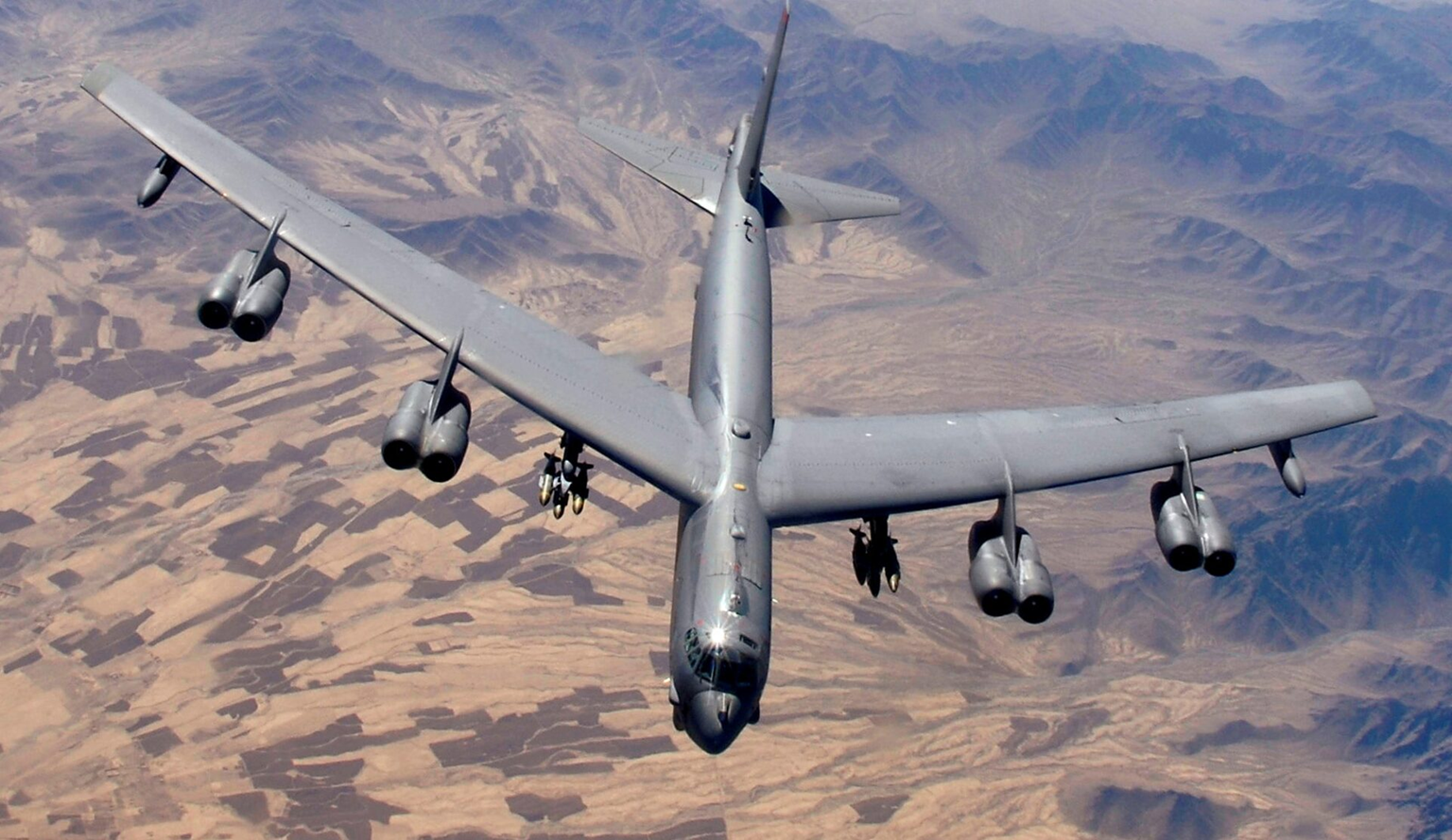
The engine revolution and the new designation of the B-52J.
According to an announcement from the Pentagon, Boeing will undertake the first phase of the Commercial Engine Replacement Program (CERP). The core task is to modify the first two B-52s with a new propulsion system for comprehensive flight testing and evaluation before completion in May 2033. The total cost of upgrading the entire fleet of 76 B-52H aircraft is expected to reach $48.6 billion.
Since 1955, the B-52 has used eight Pratt & Whitney TF33 turbofan engines. However, when Pratt & Whitney announced it would cease maintenance support for the TF33s after 2030, the US Air Force opted for the Rolls-Royce F130 engine as a replacement. This engine is widely used in commercial aircraft such as the Gulfstream G650, promising higher fuel efficiency, reduced noise, and increased reliability.
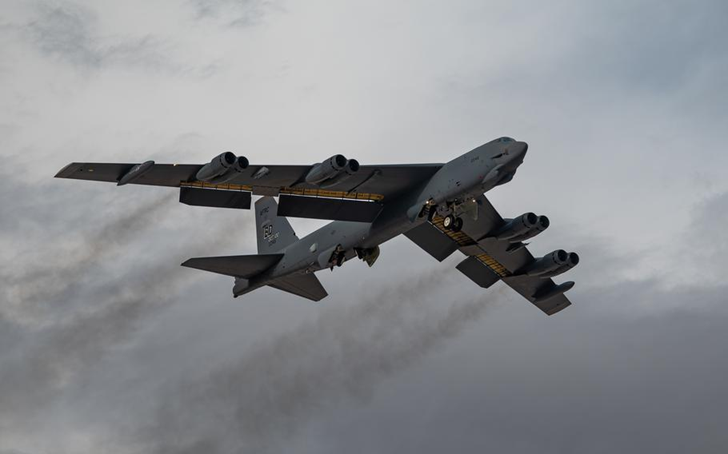
After the upgrade, the aircraft will be redesignated as the B-52J. In addition to new engines, the B-52J will feature a modern digital cockpit, advanced avionics, and the AN/APQ-188 active electronically scanned array radar developed by Raytheon. These improvements will enable the flight crew to process information more effectively in a complex electronic warfare environment.
The 'two-pillar' strategy of strategic bomber forces.
Investing tens of billions of dollars in a platform over 60 years old is part of the U.S. Air Force's long-term restructuring strategy. The future bomber force will focus on two main aircraft: the modernized B-52J and the next-generation B-21 Raider stealth bomber.
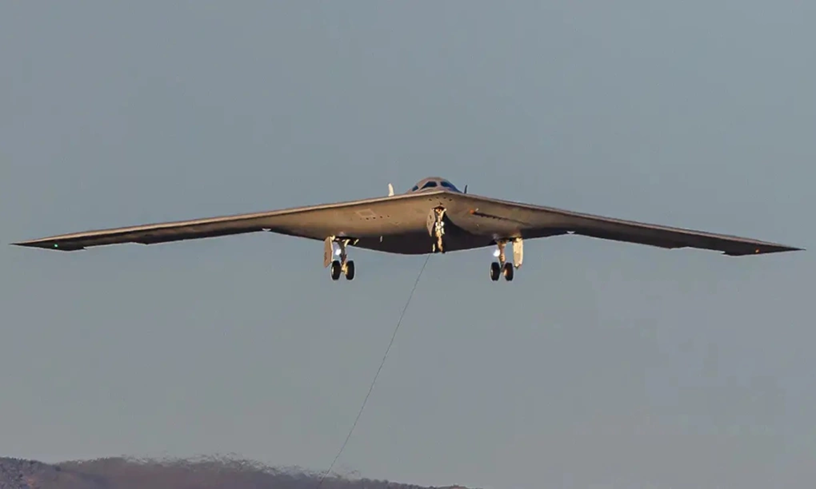
In this model, the B-21 Raider assumes the role of deep penetration thanks to its stealth capabilities, while the B-52J acts as a 'mobile weapons depot,' deploying missiles from outside the enemy's air defense zone. To focus resources, the US plans to gradually retire the B-1 Lancer and B-2 Spirit bombers in the 2030s due to excessively high maintenance costs and degraded airframe structures.
The power of the world's largest 'mobile arsenal'.
The key reason the B-52 has not been replaced is its superior payload capacity and range. With the ability to carry over 31 tons of weapons and a range of 13,800 km without refueling, the B-52 can deploy almost any weapon in its arsenal, from precision-guided bombs to nuclear-tipped cruise missiles.
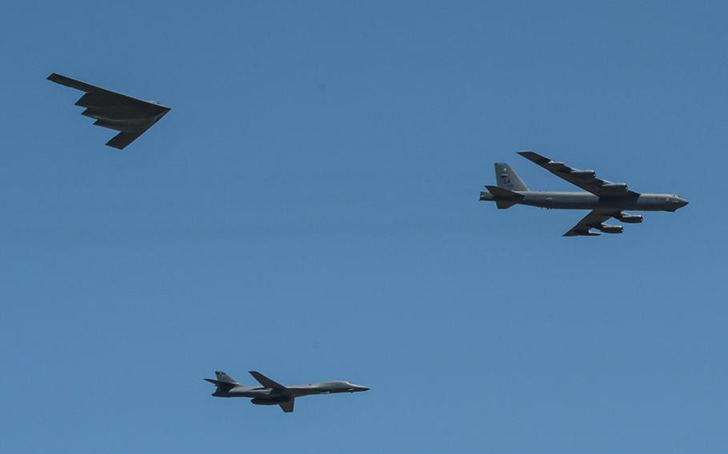
Despite lacking stealth capabilities and flying at subsonic speeds, the B-52 remains extremely effective as a stand-off platform for launching long-range missiles. This allows it to attack strategic targets without directly confronting modern air defense systems.
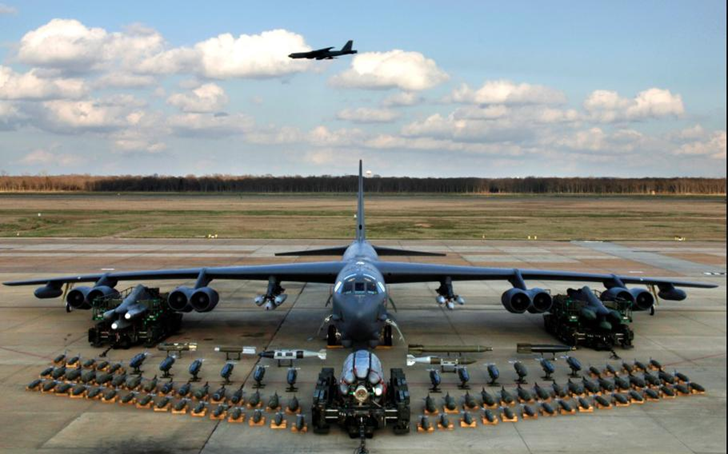
The CERP program is expected to keep the B-52 operational until 2050, or even 2060. Originating from a Cold War design intended to replace the Convair B-36 for nuclear deterrence, the B-52 is demonstrating remarkable resilience in the history of world military aviation.


