
The US points out a critical bottleneck for Ukraine's S-300 system.
The War Zone assesses that the supply of interceptor missiles is the biggest bottleneck for Ukraine's S-300, with Russia being the sole supplier while Norway is expected to finance the purchase of air defense missiles.
The US-based War Zone (TWZ) assesses that the biggest problem with Ukraine's S-300 systems currently lies not in the systems themselves, but in the supply of interceptor missiles. Russia is cited as the sole supplier of these new generation missiles, while Kyiv needs a large quantity to maintain its air defense capabilities and is relying on a new funding package from Norway.
The issue of sourcing missiles for Ukraine's S-300.
According to reports, Kyiv intends to receive additional interceptor missiles for its S-300 air defense systems, with funding provided by Norway as part of a new aid package for the Ukrainian Armed Forces. This context indicates Ukraine's significant reliance on foreign aid to maintain the operational capability of its S-300 systems.
The article highlights Ukraine's urgent need for a large number of anti-aircraft missiles. This reflects the high intensity of operations of its air defense network, which requires a stable supply of ammunition to counter airborne threats.
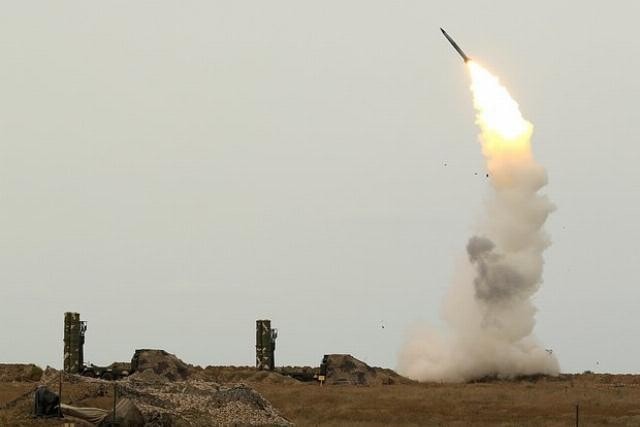
The War Zone's assessment of the S-300's "bottleneck"
The War Zone points out that getting Ukraine's S-300 systems back into effective operation is a challenging task. The problem is not just about the technical aspects of the launchers or radar, but primarily about ensuring a long-term supply of interceptor missiles.
TWZ stated that currently, the only known source of next-generation interceptor missiles for the S-300 system is Russia. The fact that a crucial Ukrainian air defense system has to rely on missiles from an adversary is considered a fundamental "bottleneck," directly raising questions about the origin of the missiles that Norway intends to purchase and donate to Kyiv.
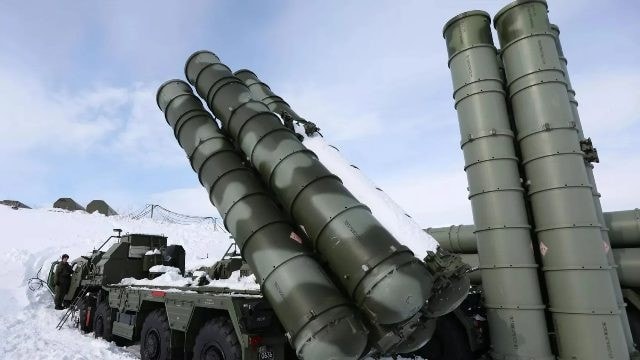
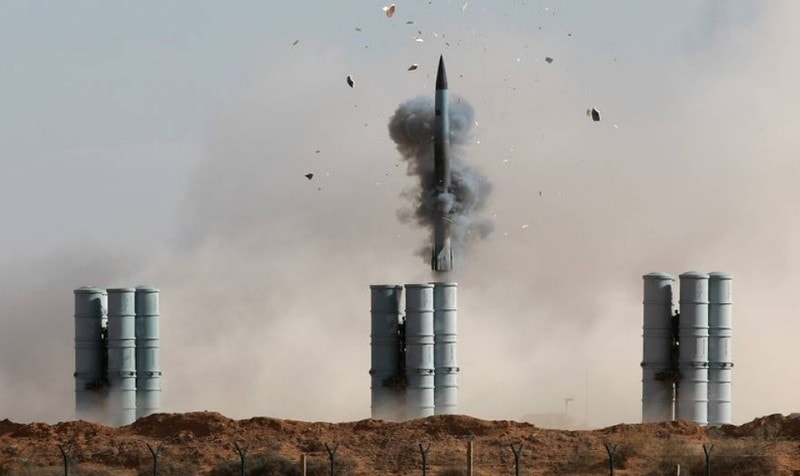
S-300 sources within NATO and missile limitations.
The article reiterates that Ukraine previously received an S-300PMU battery from Slovakia. This was one of the sources of increased medium-range air defense capabilities for Kyiv after the conflict broke out.
The War Zone also notes that currently only two NATO member states operate the S-300 system: Bulgaria and Greece. Bulgaria operates two S-300PMU battalions, while Greece uses the S-300PMU-1 version. However, the article emphasizes that there is no reliable data on the number of missiles these countries possess or their technical condition.
In that context, the likelihood of extracting missiles from NATO's S-300 stockpiles and transferring them to Ukraine is considered uncertain, both in terms of quantity and quality, according to the assessment presented in the article.
| Nation | The S-300 system is operational. | Notes on the missile (according to TWZ) |
|---|---|---|
| Ukraine | S-300 (including S-300PMU batteries from Slovakia) | A large quantity of anti-aircraft missiles is needed, depending on external aid and supply sources. |
| Bulgaria | 2 S-300PMU battalions | The number and condition of the missiles are uncertain. |
| Greece | S-300PMU-1 | The number and condition of the missiles are uncertain. |
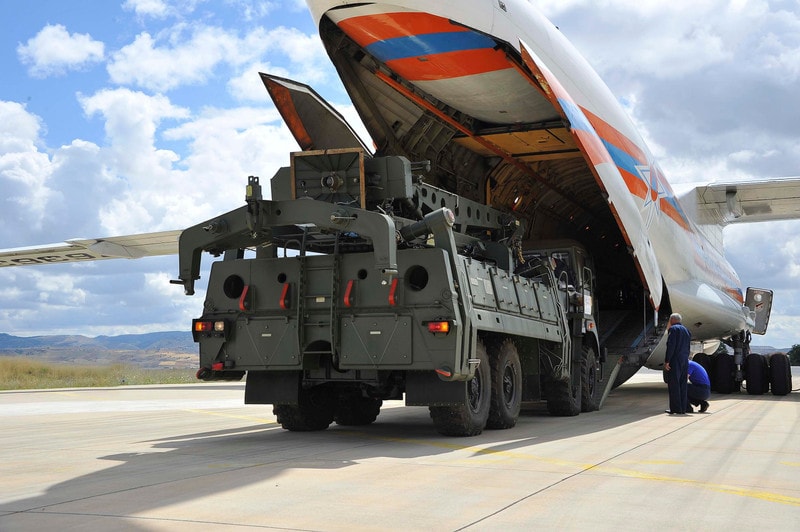
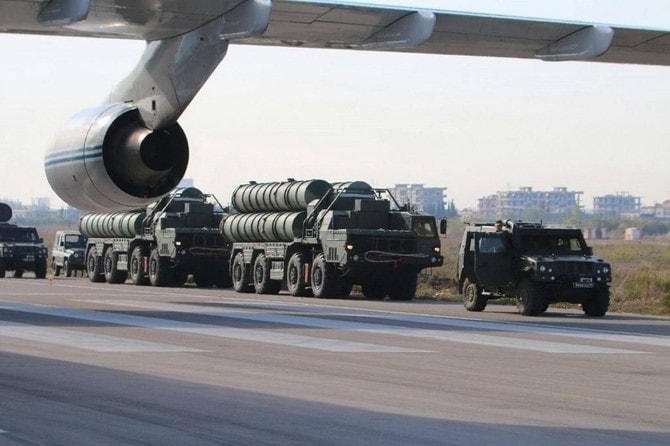
The Turkish S-400 option was raised.
Another possibility mentioned in the article is that NATO could buy back the S-400 system from Türkiye to supply Ukraine. Ankara is currently reportedly considering selling the system for $2.5 billion.
According to the information cited, Türkiye will have to handle the S-400 issue in some way, and the idea put forward is to leverage the sale of the system to generate revenue, while simultaneously improving relations with the US and revisiting the issue of purchasing F-35 aircraft.
From a technical and operational standpoint, the transfer of a modern air defense system like the S-400, if it were to happen, would present entirely different integration, training, and logistical challenges compared to the S-300. However, this article does not delve into these details, but primarily emphasizes the buying and selling aspect and the system's position in Ankara's relationship with its allies.
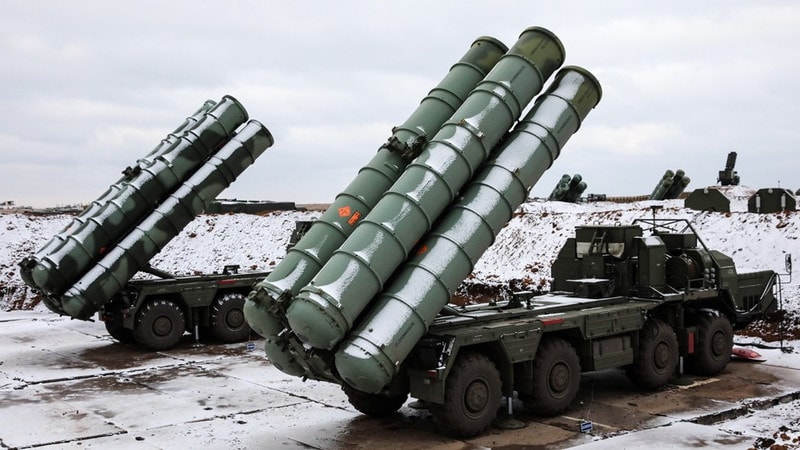
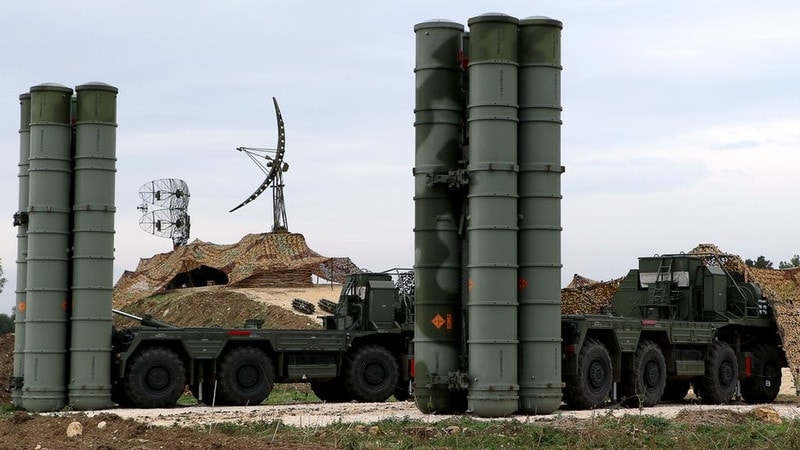
Tactical significance for Ukrainian air defense
Based on the facts presented by The War Zone, it is clear that the combat capabilities of Ukraine's S-300 are closely tied to the availability of interceptor missiles. Given that the only known source of the next-generation missiles is Russia, any option for supplying ammunition to the S-300 faces significant obstacles.
The need for "a large number of anti-aircraft missiles," as emphasized in the article, indicates Ukraine's need to maintain a high density of firepower, especially given that the S-300 systems remain a crucial component of its medium-range air defense network. If the missile resupply problem is not resolved, the tactical effectiveness of these systems will be limited, regardless of whether the airframes, radars, or launchers are still operational.
In the short term, aid packages such as the missile purchase financing paid for by Norway are seen as a necessary solution. However, according to the cited analysis, the lack of a stable supply source, independent of adversaries, remains a central challenge to the operational future of the S-300 in Ukraine's arsenal.


