
Will the US find it easy to get out of a protracted conflict with Iran?
The attacks by the US and Israel did not bring Iran down. And now, from its strategic location on the Strait of Hormuz, the conflict has thrust the entire global economy to the front lines of the war.
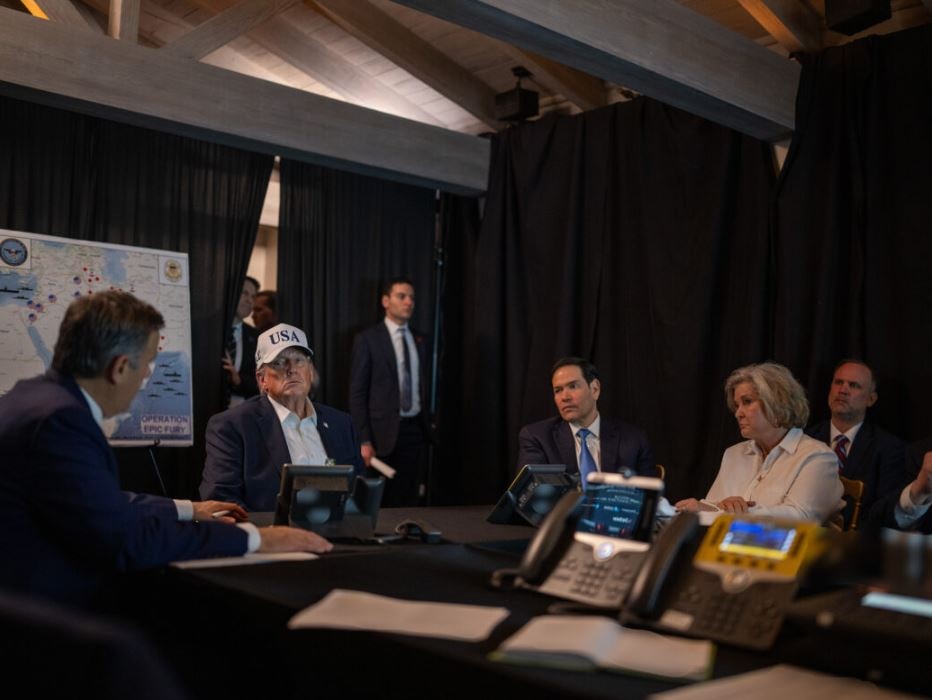
According to AFP, the initial strategic victory for the US, which resulted in the death of Supreme Leader Ali Khamenei, has given way to a conflict that Washington cannot fully control, significantly narrowing President Donald Trump's options.
Two weeks after the air battle broke out, Iran holds a significant advantage in strangling global oil supplies and attacking U.S. allies in the Middle East, including Gulf states that have for years built their reputations on economic and political stability.
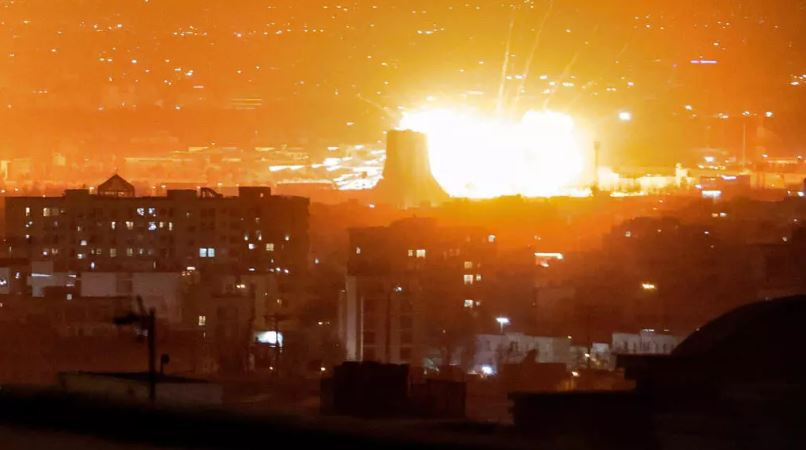
Amidst the still-smoking rubble of a residential area in the Iranian capital, Khamenei and dozens of other high-ranking officials were killed in airstrikes, the result of years of espionage and planning.
However, such "strike first to kill" strategies "have never been effective" in wars between nations, according to American professor Robert Pape in his book "Bomping to Win," a study on military air campaigns.
And Iran itself deeply understands this lesson from history.
"We have had two decades to study the failures of the American military in both the eastern and western parts of the country," Iranian Foreign Minister Abbas Araghchi recently stated. "We have learned valuable lessons."
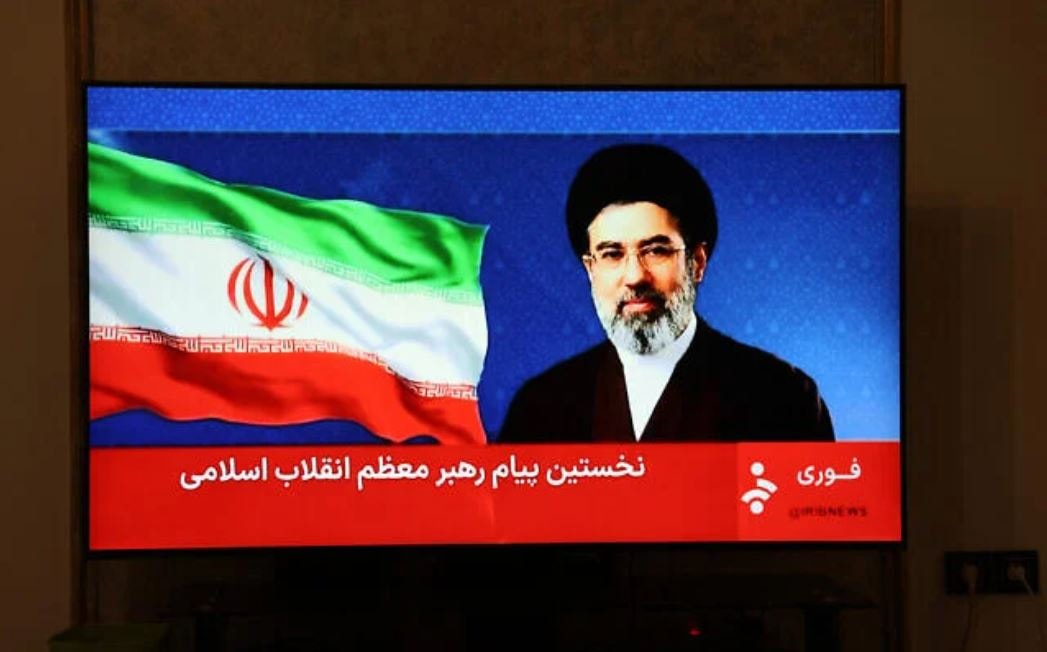
The Iranian government quickly installed a new supreme leader, while its defense system allowed its military to launch a retaliatory strike without delay.
This military doctrine was developed in 2005, after the US overthrew the governments in Iraq and Afghanistan, according to French researcher Elie Tenenbaum of the French Institute of International Relations (IFRI).
This system is designed to help a decentralized military command avoid collapse from the loss of its top leadership. Ali Vaez, Director of the Iran Project at the International Crisis Group (ICG), stated: "This allows Tehran to implement a 'three-part strategy'. First, ensuring survival. Second, maintaining sufficient retaliatory capabilities to stay in the conflict. And third, prolonging the conflict so that it can end it on its own terms."
All these developments signal major trouble for Trump as the trade war drags even America's allies into the vortex and drives up the cost of living both domestically and internationally.
Consequences on a global scale
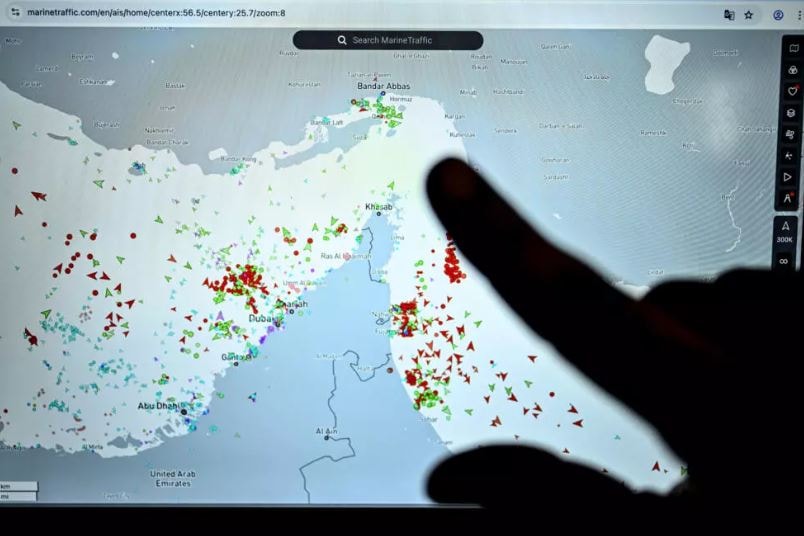
With its vast arsenal of missiles and supply of inexpensive drones, Iran attacked a marina in Dubai and oil tankers at sea, expanding the war to US allies in the Gulf, Türkiye, Cyprus, and other regions.
Meanwhile in Lebanon, the Hezbollah armed group is exchanging missile fire with Israel. Iranian forces have also nearly blockaded the Strait of Hormuz – a vital waterway that handles up to one-fifth of global crude oil trade.
Gasoline prices have skyrocketed or led to rationing in a range of countries, from the US to Bangladesh and Nigeria.
Air traffic has stalled and foreigners are fleeing the Gulf region – an area whose image as a stable, business-friendly destination has just suffered a major blow.
Oil-importing nations worldwide have been forced to release around 400 million barrels of oil from their strategic fuel reserves, although this move has done little to alleviate the situation.
"We know that this event will open a Pandora's box full of chaos," said Saudi Arabian analyst Aziz Alghashian of the Gulf International Forum. He also said there is rising "anger" among the Gulf states, which have "invested heavily" in diplomatic efforts with Iran.
Overconfidence?
The repercussions on a global scale have raised doubts about Washington's strategy.
President Trump has called for Iran to "surrender unconditionally," while Defense Secretary Pete Hegseth insists the campaign's objectives are "extremely focused," even as the Washington administration evades questions about the war's shifting and unclear goals.
Danny Citrinowicz, a senior research fellow at the Israel National Security Institute, stated: "There is a complete difference between the operational advantage we have over Iran; we know where they are and where we can strike them, with strategic insight into Iran."
Jonathan Paquin, a professor of political science at Laval University (Canada), told AFP: "The US administration was clearly overconfident in believing it held all the cards."
However, there are reasons for Washington to allow itself that confidence. Professor Paquin notes that earlier this year, a lightning campaign by the US took place in Venezuela.
Meanwhile, the Iranian government, already struggling to cope with US sanctions, is also being shaken by major protests in December 2025 and January 2026.
The US elections and the wave of defections in Iran?
However, in the short term, Tehran still has numerous vulnerabilities it can exploit through oil and maritime threats. One of these is through the Houthi forces in Yemen – who have previously disrupted shipping lanes through the Red Sea with their own missile attacks.
Expert Vaez commented that Iran is holding the "global economy hostage" as a way to "put pressure on Trump."
Throughout that process, the barrage of Iranian missiles fired at allied countries was exhausting the U.S. interceptor systems, including the extremely expensive Patriot and THAAD systems.
On the domestic front, Trump – who ordered surprise airstrikes without regard for public support for a war – is facing upcoming congressional elections.
As price-sensitive voters prepare to head to the polls, "Republican representatives and senators will certainly call the White House to warn that they risk losing seats in their own districts," Professor Paquin analyzed.
Of course, that doesn't mean Iran doesn't have its own long-term problems, as it's suffering from the political, military, and economic upheavals of the war.
IFRI researcher Clement Therme said: "I think the most likely scenario is a government clinging to its security apparatus, but incapable of performing core functions like collecting taxes or exporting oil. Even this month, they're struggling to pay civil servants' salaries." Therme added that even ensuring the loyalty of the security forces is uncertain. He noted significant police desertions during the crackdowns on protesters in January.
No way out?
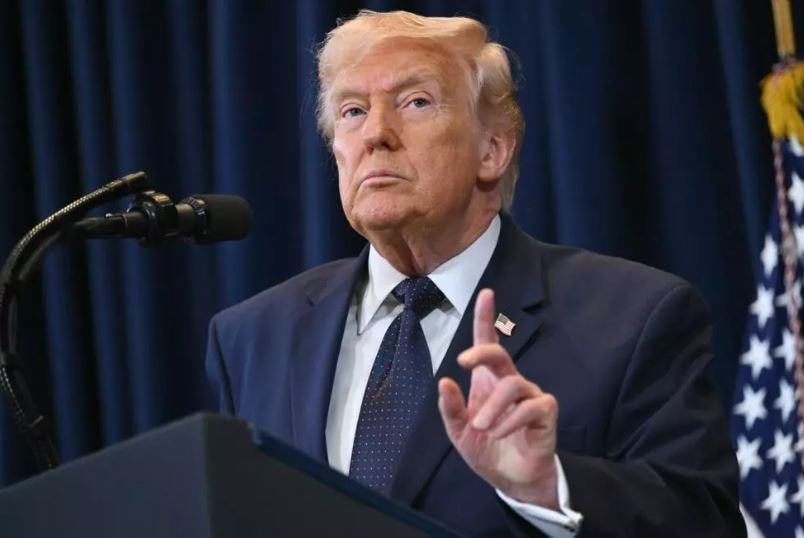
Faced with a seemingly inescapable situation, President Trump is likely to "re-define victory, abandoning the prospect of forcing the opponent to surrender or change the regime," and instead declare that the Iranian people should stand up for themselves, Professor Paquin predicts.
But while Trump may want to leave and boast about his achievement of taking down Khamenei and weakening the Iranian military, "Tehran is unlikely to let him get away so easily," says Nate Swanson of the Atlantic Council.
The remaining choices seem to be getting increasingly difficult.
Iran may continue hostile actions even after the US has laid down its weapons.
Alternatively, Trump would have to "go all in. We would deploy a certain ground force," whether for special operations or long-term combat.
The final possibility, and the one that experts fear most, is that the war will turn into "an ethnic conflict," in which Washington and Israel will arm opposition groups in Iran.
But for now, the barrage of missiles continues, raining down right inside Iranian territory and spreading further and further.


