
The US announces a historic nuclear agreement with Saudi Arabia.
The United States has just announced a historic agreement with Saudi Arabia, laying the groundwork for Riyadh's civilian nuclear program. The agreement comes amid escalating tensions between the US and Iran, sparking debate about the risk of a nuclear arms race in the Middle East.
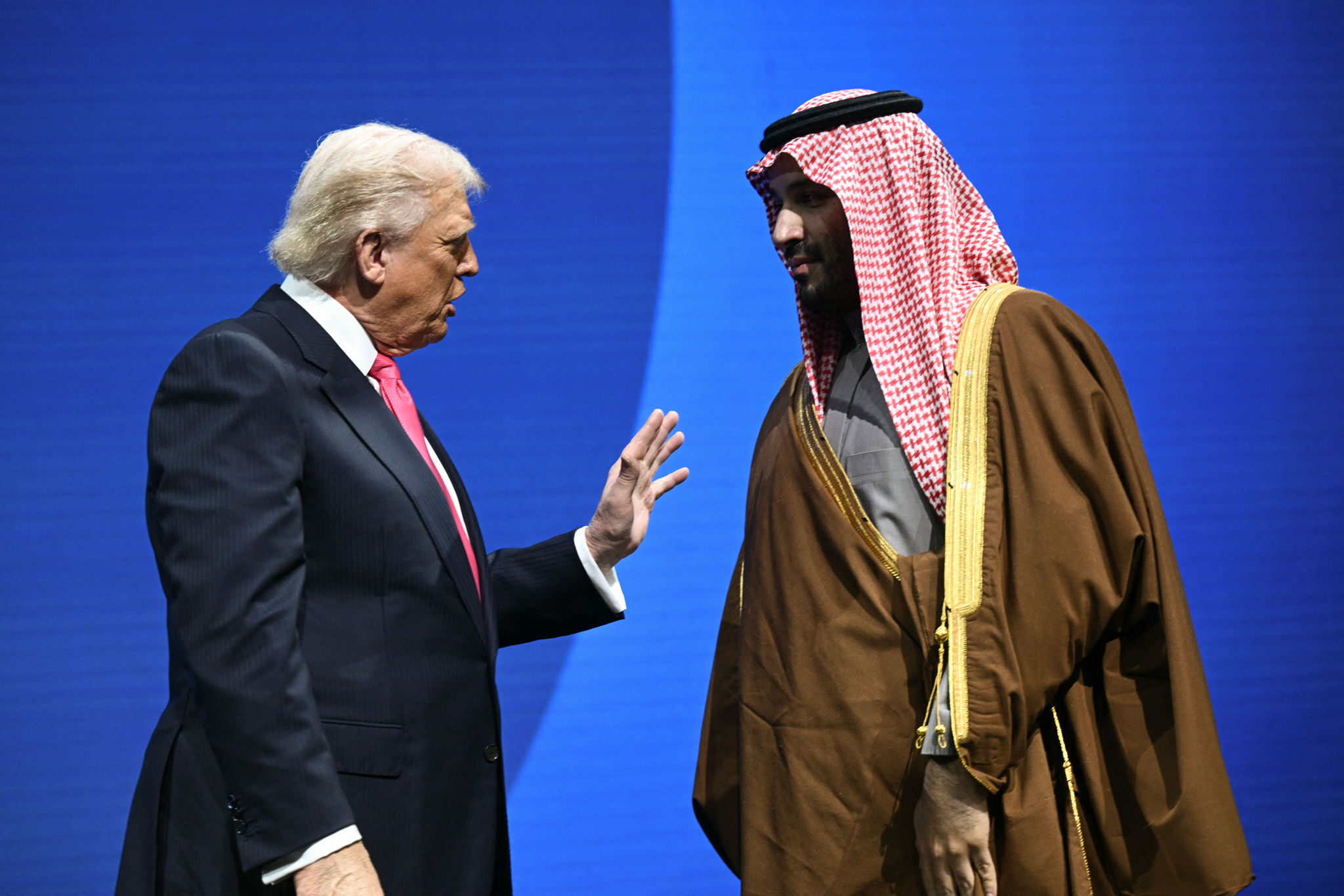
The U.S. Department of Energy announced on July 22 that Washington and Riyadh had signed a landmark agreement to establish a civilian nuclear program in the Gulf nation. According to the U.S., the agreement includes safeguards to prevent nuclear proliferation.
The documents were signed by U.S. Energy Secretary Chris Wright and Saudi Arabia's Energy Minister, Prince Abdulaziz bin Salman. In an official statement, the U.S. Department of Energy said the agreement provides the legal basis for a decades-long partnership worth billions of dollars, while serving multiple economic and strategic goals. Washington affirmed that the agreement includes measures to combat nuclear proliferation.
The agreement was announced amid a US trade war with Iran under President Donald Trump, which began in part due to Washington's concerns about Tehran's nuclear program – an issue that remains a core point of contention in the stalled negotiations.
According to the Wall Street Journal, a clause in the agreement could allow American companies to participate in building uranium enrichment facilities in Saudi Arabia. However, the US Department of Energy did not mention this in its press release and declined to comment when asked for confirmation by AFP.
The agreement will be submitted to the US Congress for review as per regulations. However, with the Republican Party controlling Congress, the likelihood of the document being blocked is considered low.
Nevertheless, the plan to support Saudi Arabia in developing its civilian nuclear program has faced opposition from many members of Congress from both parties in the US, as well as Israeli officials. Concerns have been raised that this program could pave the way for Riyadh to develop its own nuclear weapons capabilities in the future.
Saudi Arabia has long maintained its right to develop a nuclear program for peaceful purposes, a position similar to that held by Iran. Last year, Riyadh also signed a mutual defense treaty with Pakistan – a nuclear-armed state.
In recent years, Washington has sought to integrate any nuclear-related agreement into a broader strategy, including Saudi Arabia normalizing relations with Israel and signing a defense treaty with the United States.
Security experts have long warned that if Iran acquires nuclear weapons, the Middle East could witness a nuclear arms race among Gulf states.
However, speaking in Manila before the agreement was officially announced, US Secretary of State Marco Rubio dismissed concerns that cooperation with Saudi Arabia would increase the risk of nuclear proliferation.
"The United States will not sign any agreement with any country in the world if it increases the risk of nuclear proliferation," Rubio asserted on the sidelines of the Southeast Asian foreign ministers' meeting.
Previously, the US signed a nuclear cooperation agreement with the United Arab Emirates (UAE) in 2009, but the UAE was not allowed to enrich uranium on its own.
Last May, the UAE's Barakah nuclear power plant – the Arab world's only nuclear power facility – was attacked by a drone, causing a fire.
Amid renewed fighting between the US and Iran, observers are increasingly concerned that the conflict will further exacerbate instability in the Middle East.


