
The US has deployed more than half of its combat-ready B-1B bomber squadron to the UK.
The US Air Force has deployed 12 B-1B Lancers and 3 B-52s to RAF Fairford to increase the frequency of airstrikes against Iran in Operation Epic Fury.
According to data from airandspaceforces.com, the US Air Force has deployed 12 B-1 Lancer strategic bombers to RAF Fairford Air Base in the UK. This is considered a strategic move to create a launching pad for attacks targeting Iran. Notably, these 12 aircraft represent more than half of the total number of B-1s currently in the US military's combat readiness.
Strategy to shorten the combat distance
The troop buildup at the Gloucestershire base began on March 6th, shortly after the British Ministry of Defence officially authorized the US to use military bases on British territory to conduct the attack on Iran. Previously, during the initial phase of the operation, codenamed "Epic Fury," US aircrews had to undertake round-trip flights lasting up to 36 hours from the US mainland, placing significant strain on both equipment and personnel.
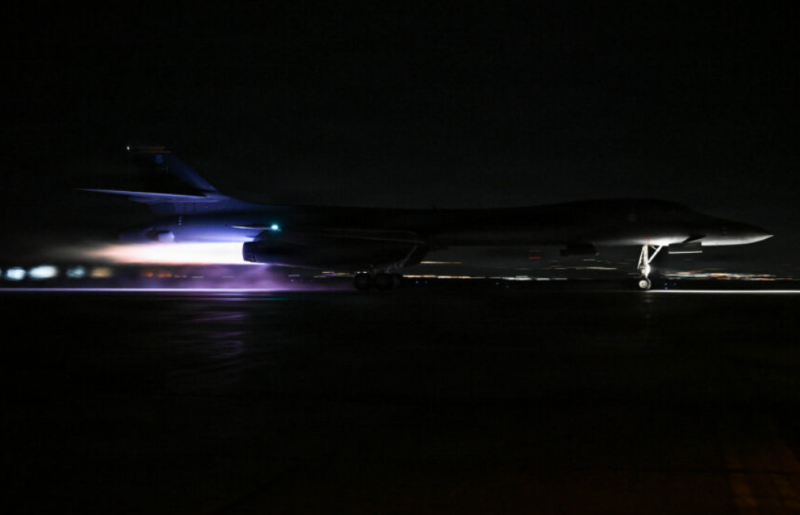
The concentration at RAF Fairford significantly shortens travel distances, reduces the need for in-flight refueling, and allows for increased sortie frequency. Mark Gunzinger, a former U.S. Air Force colonel and current director of research at the Mitchell Institute, believes that using the base in the UK is a logical step to maintain bombing intensity while minimizing crew fatigue.
The B-1B Lancer's superior firepower and versatility.
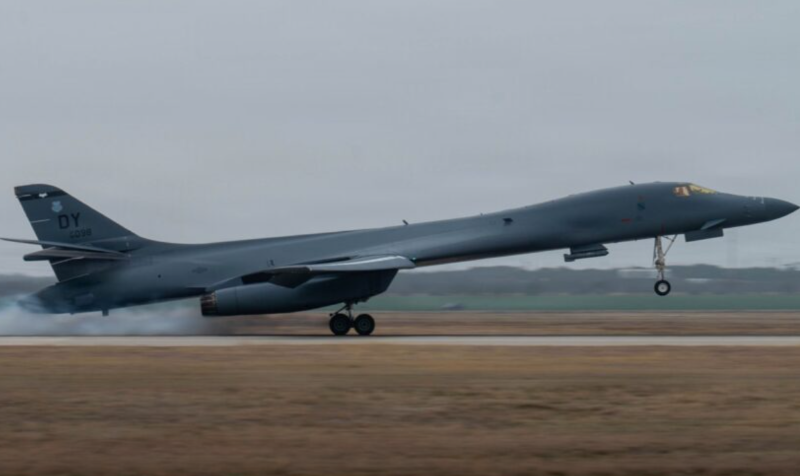
Among the various types of US strategic bombers, the B-1B Lancer is becoming the mainstay in this operation thanks to its extremely large weapons payload and high speed. Although the US has deployed both the B-2 Spirit stealth bomber and the B-52 Stratofortress, the B-1 has proven superior in missions involving attacking multiple targets over a wide area.
U.S. Defense Secretary Pete Hegseth stated that as enemy air defenses weakened, the U.S. military shifted from using long-range cruise missiles to GPS- and laser-guided bombs (500, 1,000, and 2,000-pound). Images from open sources show crews replacing AGM-158 JASSM missiles with JDAM-guided bombs on B-1 bombers to optimize attack effectiveness.
Challenges regarding combat readiness
Despite its crucial role, the B-1 fleet is currently facing a major maintenance challenge. The U.S. Air Force currently maintains 44 B-1s in service, but their combat readiness is only expected to be around 47% by the end of 2024. This means that only about 20 to 22 aircraft will be operational at any given time.
| Aircraft type | Combat readiness rate | Total number of personnel |
|---|---|---|
| B-1B Lancer | 47% | 44 |
| B-2 Spirit | 56% | But |
| B-52 Stratofortress | 54% | But |
The deployment of 12 B-1s to the UK means the US has concentrated a significant portion of its best B-1 combat resources in this region. The B-1 squadron is planned to remain operational until the next-generation B-21 Raider bomber enters service in large numbers, expected between 2030 and 2036.
Context and the shift in Britain's position
Initially, Britain refused to allow the US to use bases such as RAF Fairford or Diego Garcia. However, London's stance changed after Iran carried out a drone attack on a British base in Cyprus on March 5th. By March 11th, CENTCOM Commander Admiral Brad Cooper confirmed that bombers had successfully struck a major Iranian ballistic missile production facility, affirming the effectiveness of deploying forces at forward bases.


