
The US approves the sale of a $136.1 million arms package to NATO.
The Trump administration approved a deal to supply components and related technical services for Stinger anti-aircraft missiles to NATO, aiming to increase the readiness and air defense capabilities of allies such as Germany, Italy, and the Netherlands.
The Trump administration has approved an estimated $136.1 million arms sale to the North Atlantic Treaty Organization (NATO), focusing on the supply of components and technical services related to the Stinger air defense system. The package is seen as an attempt to increase the readiness and air defense capabilities of European NATO allies.
Overview of the $136.1 million deal.
According to a statement from the U.S. Defense Security Cooperation Agency (DSCA), the NATO Acquisition and Support Agency (NSPA) has submitted a request for additional defense items. The estimated value of the deal is $136.1 million, including both physical equipment and accompanying technical support services.
NSPA is the agency responsible for procurement and assurance for NATO member states, so this supply package is designed to be distributed to multiple allies, including Germany, Italy, and the Netherlands. The deal was deemed by the US to be consistent with the shared defense objectives of the US and NATO.
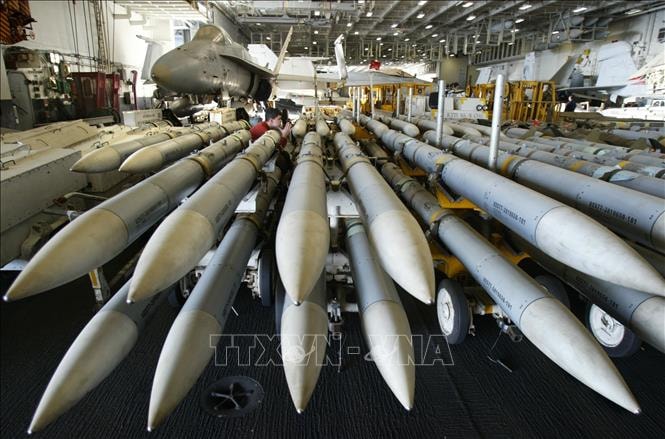
Key technical items included in the supply package.
The DSCA statement said NSPA had requested additional items including aircraft engines, gas generators, Stinger warhead components, along with technical services and engineering support from the U.S. government and contractors. These are key components in the operation and maintenance of the air defense missile system.
The flight engine is a crucial component ensuring the missile's maneuverability during the cruise phase. The gas generator plays a role in the launch and operational control process, helping the missile achieve the necessary operating conditions. The Stinger warhead components are the area directly involved in destroying airborne targets.
In addition, technical services and support from U.S. government engineers and contractors help user countries maintain, inspect, repair, and standardize equipment. This contributes to ensuring the system remains ready and compliant with common NATO operating standards.
Stinger in NATO's light air defense system.
Theo Raytheon – công ty quốc phòng Mỹ sản xuất Stinger – hệ thống này là vũ khí phòng không hạng nhẹ, tự hành, có thể được bộ binh triển khai nhanh. Đặc trưng hạng nhẹ và tính tự hành cho phép Stinger được bố trí linh hoạt cùng lực lượng mặt đất, thay vì phụ thuộc vào các bệ phóng cố định quy mô lớn.
Việc có thể triển khai nhanh bởi bộ binh giúp Stinger phù hợp với các kịch bản bảo vệ đơn vị cơ động, căn cứ tiền phương hoặc mục tiêu quan trọng trên mặt đất trước các mối đe dọa trên không ở cự ly gần. Trong tổng thể mạng lưới phòng không, những hệ thống như Stinger thường đảm nhiệm lớp bảo vệ tầm thấp, bổ sung cho các hệ thống tầm trung và tầm xa.
Gói cung cấp tập trung vào linh kiện và dịch vụ cho Stinger cho thấy NATO tiếp tục ưu tiên duy trì và tăng cường lớp phòng không hạng nhẹ. Thay vì chỉ đầu tư các hệ thống quy mô lớn, việc bảo đảm khí tài cơ động cho bộ binh giúp năng lực phòng không phân tán, khó bị vô hiệu hóa đồng loạt.
Mục tiêu tăng khả năng sẵn sàng và phòng không
DSCA nhấn mạnh thương vụ được đề xuất sẽ góp phần vào các mục tiêu quốc phòng của Mỹ và NATO bằng cách tăng khả năng sẵn sàng và năng lực phòng không của các đồng minh NATO. Khả năng sẵn sàng ở đây không chỉ là số lượng trang bị, mà còn liên quan đến việc duy trì kỹ thuật, bảo đảm phụ tùng và hỗ trợ chuyên môn.
Khi có nguồn cung ổn định về động cơ bay, hộp tạo khí và bộ phận đầu đạn, cùng với hỗ trợ kỹ thuật, các nước sử dụng có điều kiện duy trì hệ thống tên lửa trong tình trạng hoạt động tốt trong thời gian dài. Điều này hạn chế nguy cơ suy giảm năng lực chiến đấu do thiếu linh kiện thay thế hoặc không bảo đảm được quy trình bảo dưỡng.
Đối với NATO, việc giữ cho các hệ thống phòng không hạng nhẹ luôn trong trạng thái sẵn sàng là yếu tố quan trọng để bảo vệ lực lượng và hạ tầng trong nhiều kịch bản khác nhau. Mạng lưới tên lửa cơ động có thể được triển khai nhanh theo tình hình, tạo thêm tầng phòng thủ linh hoạt quanh các mục tiêu cần được bảo vệ.
Tác động đối với Đức, Italy và Hà Lan
DSCA cho biết Đức, Italy và Hà Lan sẽ không gặp khó khăn trong việc biên chế những thiết bị này vào lực lượng vũ trang của họ. Nhận định này cho thấy các nước nói trên đã có sẵn nền tảng tổ chức, con người và khí tài liên quan, nên có thể tiếp nhận và tích hợp nhanh các linh kiện và dịch vụ mới.
Việc không phải thực hiện những điều chỉnh lớn về tổ chức hay huấn luyện cơ bản giúp quá trình triển khai diễn ra thuận lợi, rút ngắn thời gian đưa khí tài vào trạng thái sẵn sàng tác chiến. Đồng thời, việc duy trì chuẩn thống nhất về khí tài và hỗ trợ kỹ thuật trong NATO cũng giúp đơn giản hóa phối hợp tác chiến chung.
Against the backdrop of European countries focusing on strengthening their air defense capabilities, this $136.1 million package is designed as an additional step to maintain the reliability and effectiveness of existing systems, rather than to change the force structure. The focus is on enhancing readiness, long-term sustainability, and technical compatibility among allies.
Technical and tactical aspects viewed from the perspective of the deal.
Technically, the deal underscores the importance of the logistical support chain for air defense missile systems. Items such as aircraft engines, gas generators, and warheads are components that must be tightly controlled throughout their operational lifecycle. Ensuring sufficient spare parts and technical services helps mitigate the risk of malfunctions and reduce downtime for maintenance.
Tactically, the lightweight, self-propelled, and rapidly deployable Stinger system allows NATO forces increased flexibility in air defense deployment. Units can carry or position the system near the front lines, creating a direct layer of protection against airborne threats. This complements long- and medium-range systems, which are typically located in fixed positions or on large platforms.
Overall, the deal demonstrates that the U.S. and NATO continue to prioritize strengthening the fundamental but essential components of the air defense network: from light weapons and infantry mobility to the long-term technical maintenance chain. This is a necessary foundation for maintaining the alliance's deterrence capabilities and air defense, alongside other large-scale weapons modernization programs.


