
US releases Iranian assets: A strategic setback?
The US decision to release frozen Iranian assets should not be seen as a "pre-emptive response" to future concessions from Tehran. According to Orientalist expert Mais Kurbanov, this is essentially a concession by Washington aimed at salvaging the negotiation process.
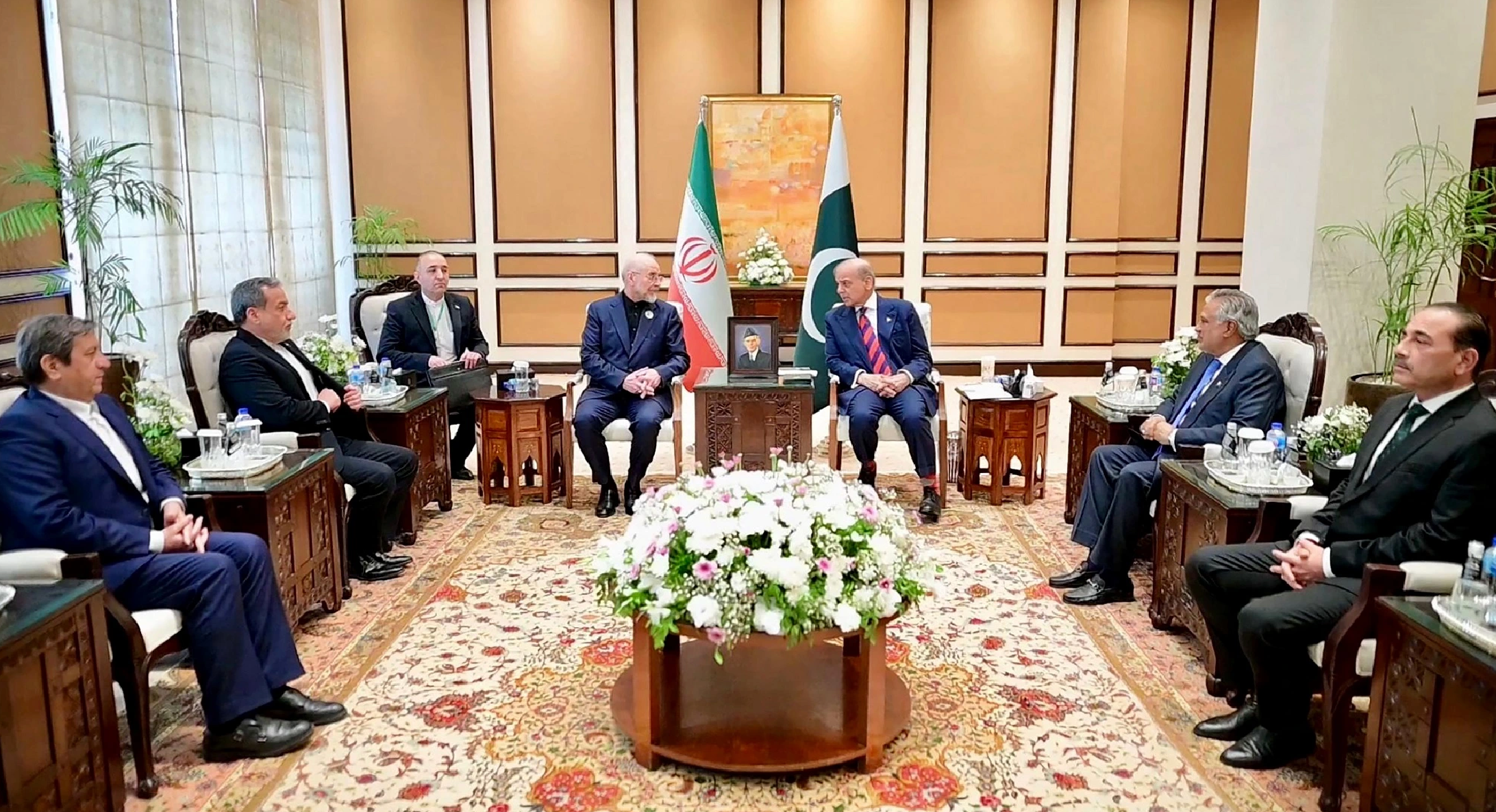
Recently, Reuters, citing a high-ranking Iranian source, reported that the US had agreed to release some of Iran's assets in banks in Qatar and other countries, causing a stir in public opinion. However, behind this "gesture of goodwill" may lie a reality about a shifting balance of power in the Middle East.
American liberation Iranian assets - negotiation efforts
According to Oriental studies expert Mais Kurbanov, Iranian diplomacy has maintained a firm and consistent stance from the outset. In contrast, signals from the US side have shown contradiction and confusion. Iranian leaders, including the Speaker of Parliament, have declared that the repayment of frozen funds and the ceasefire in Lebanon are not subject to bargaining, but are prerequisites for negotiations to continue.
Reuters reported that the initial figure for releasing Iranian assets was $6 billion. Kurbanov commented that the US decision should be understood as an attempt by Washington to maintain control. The expanded US delegation to Pakistan shows a high level of interest, but in reality, it reflects concern about the prospect of completely losing influence in the region.
Miscalculations regarding the nuclear program.
Many believe that the West expects that financial relief will soften Iran's stance on its nuclear program. However, expert Kurbanov asserts that this is an incomplete view.
"An analysis of Iran's internal situation shows that the country is at a point of maximum mobilization. Iran's young elite are uncompromising, especially in defending its sovereignty. Strategic concessions at a time when social and military morale are at their peak are illogical for Tehran," expert Kurbanov stated.
Conversely, Iran now has sufficient power to demand that the U.S. fulfill all of its initial conditions, including the complete lifting of sanctions on U.S.-Iran relations.
The Strait of Hormuz and the New Economic Reality
The link between asset release and maritime security in the Strait of Hormuz is also noteworthy. Iran genuinely wants this vital shipping lane to function, but the security terms will now be determined by Tehran.
In the future, passage through this strait may come with mandatory transit fees. Thus, Iran is not "trading" control for money, but is transforming its geographical position into a long-term tool of financial sovereignty.
According to expert Kurbanov, the current move by the US is only the first link in a chain of inevitable concessions. It is predicted that the next stage will be a demand for the release of all Iranian assets, estimated at nearly $1 trillion, and the removal of all restrictions.
Kurbanov stated that Washington faces two choices: acknowledge the new reality and seek détente with Iran; or confront a full-scale conflict with consequences far more catastrophic than the withdrawal from Afghanistan.


