
The US calls the annexed Russian territories a core issue in the Ukraine conflict.
The US President's special envoy stated that the regions of Ukraine annexed by Russia are the core issue that needs to be addressed first.
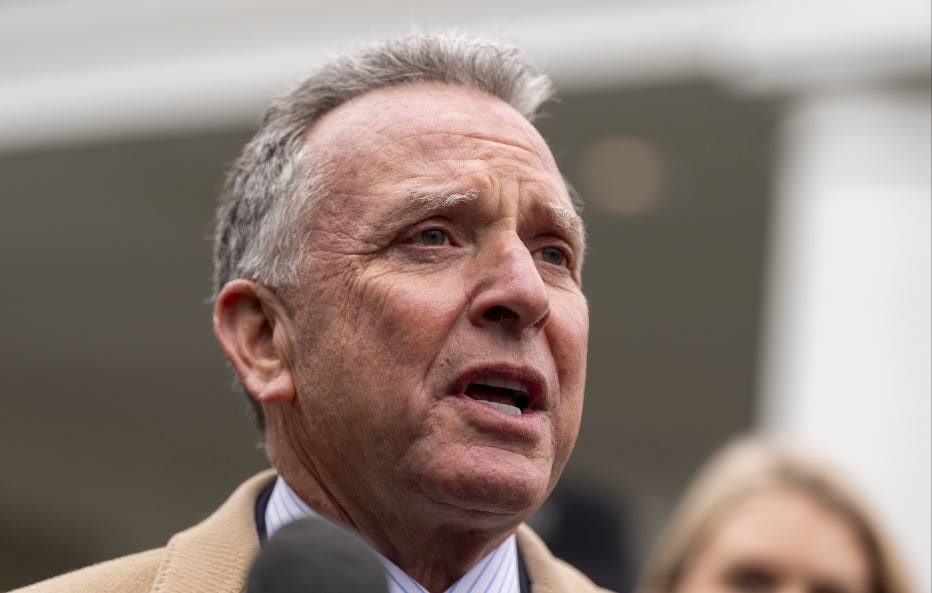
According to TASS on March 22, US President's special envoy Steve Witkoff stated that the main issue in the conflict in Ukraine remains the status of Crimea, the Donetsk and Lugansk People's Republics, as well as the Zaporizhia and Kherson regions.
"First of all, I think the biggest problem in this conflict lies in four regions: Donetsk, Crimea, Lugansk, and two others. These are Russian-speaking regions. Yes, there have been referendums there in which the majority of people expressed a desire to be annexed by Russia. Yes, I think that's the key issue in the conflict. This is what needs to be resolved first and foremost, and we are having very, very active negotiations on this topic," Special Envoy Witkoff emphasized in an interview with American journalist Tucker Carlson.
Witkoff stated, "Nobody wants to talk about that." According to him, these territories are in fact under Russian control, but the core issue is international recognition. At the same time, Ukraine's constitutional issues concern what it can relinquish territorially. "Would Zelensky be politically legitimate if he recognized this?" Witkoff asked.
The Donetsk, Lugansk, Zaporozhye, and Kherson regions became part of Russia following referendums held in those areas from September 23 to 27, 2022. Crimea was annexed by Russia after a referendum held in March 2014 amidst the coup in Ukraine. More than 80% of the peninsula's residents eligible to vote participated in the referendum; 96.7% of Crimean residents and 95.6% of Sevastopol residents voted in favor of unification with Russia.
In addition, Special Envoy Witkoff said that the two leaders, Donald Trump and Vladimir Putin, could meet in the coming months. Putin has received signals from Trump about his desire to restore relations.
Witkoff asserted that the US could not continue providing funding to Ukraine because it considered this a risk of nuclear war.


