
The US deployed A-10 attack aircraft and Apache helicopters to clear the Strait of Hormuz.
The Pentagon launched a large-scale air campaign to neutralize Iran's fleet of fast boats and missile systems, in an effort to re-establish maritime security.
The U.S. and its allies are stepping up a multi-phase military operation to open up the Strait of Hormuz. This operation focuses on deploying A-10 bomber squadrons and Apache attack helicopters to neutralize threats from Iranian naval vessels, drones (UAVs), and missile systems that are disrupting international maritime traffic.
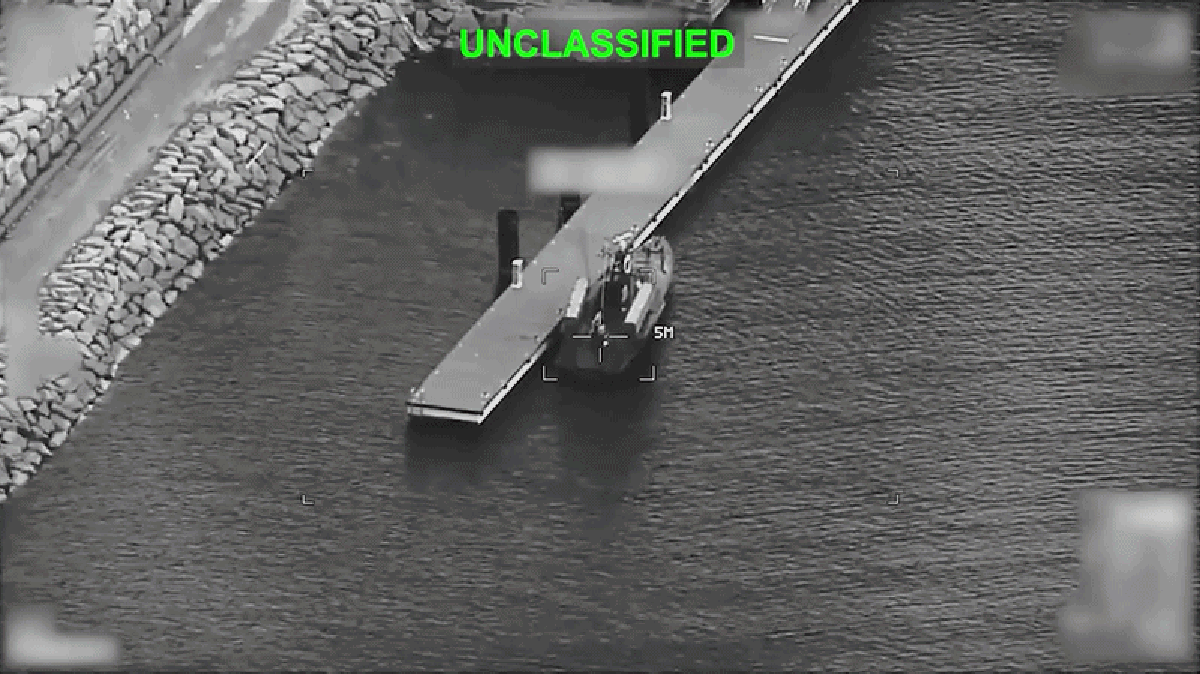
Strategies to overcome the Hormuz bottleneck.
The operation was designed to mitigate the risks posed by Iranian armed vessels, mines, and cruise missiles. These were key factors disrupting shipping through the region since the beginning of the month, pushing world oil prices above $100 a barrel, at one point reaching $119. The Pentagon's ultimate goal was to establish a safe corridor for U.S. warships to escort commercial vessels in and out of the Persian Gulf.
General Dan Caine, Chairman of the Joint Chiefs of Staff, confirmed that A-10 "Warthog" aircraft were targeting high-speed attack vessels on the southern flank of the strait. Meanwhile, Apache helicopters were deployed to counter suicide drones – a type of weapon Iran frequently uses to attack energy infrastructure and neighboring countries.
The combat capabilities of the A-10 and Apache at sea.
Although initially designed for ground infantry support, the A-10 aircraft is proving particularly effective in hunting small vessels at sea. Simultaneously, Apache helicopter squadrons equipped with Hellfire missiles are intercepting Iranian mine-laying vessels from bases in the Gulf nation.
According to War Minister Pete Hegseth, the intensity of the operation has increased significantly in recent days. Reports indicate that more than 120 Iranian naval vessels have been destroyed or damaged following airstrikes on bases and cruise missile systems belonging to the Iranian Islamic Revolutionary Guard Corps (IRGC).
The challenge from asymmetric defense networks
Despite initial losses, military experts believe Iran still maintains a significant arsenal. This network includes mobile cruise missiles, hundreds of warships hidden in secret facilities, and a system of fortified tunnels along the coast and on the islands.
| Iranian weapons | Deployment characteristics |
|---|---|
| Cruise missiles | Mounted on a truck, it offers high mobility along the coast. |
| Torpedo | Many types, including seabed anchors and remote detonators. |
| Fast attack craft | They are numerous, hiding in caves and islands. |
| Suicide UAVs | Used for direct attacks on commercial ships. |
Maritime security prospects
The Strait of Hormuz is only about 34km wide at its narrowest point, allowing land-launched cruise missiles to easily strike moving targets. Experts warn that achieving absolute safety is nearly impossible. Lessons from the Red Sea campaign against Houthi forces show that even if the US attacks more than 1,000 targets, the conflict will only truly de-escalate when a ceasefire agreement is reached.
Currently, while the US is attempting to use force to open a passage, Iran is also beginning to consider legislation to charge fees to ships passing through the strait. This move suggests Tehran may be using its geographical position as a political bargaining tool with countries dependent on oil and gas supplies from the region.


