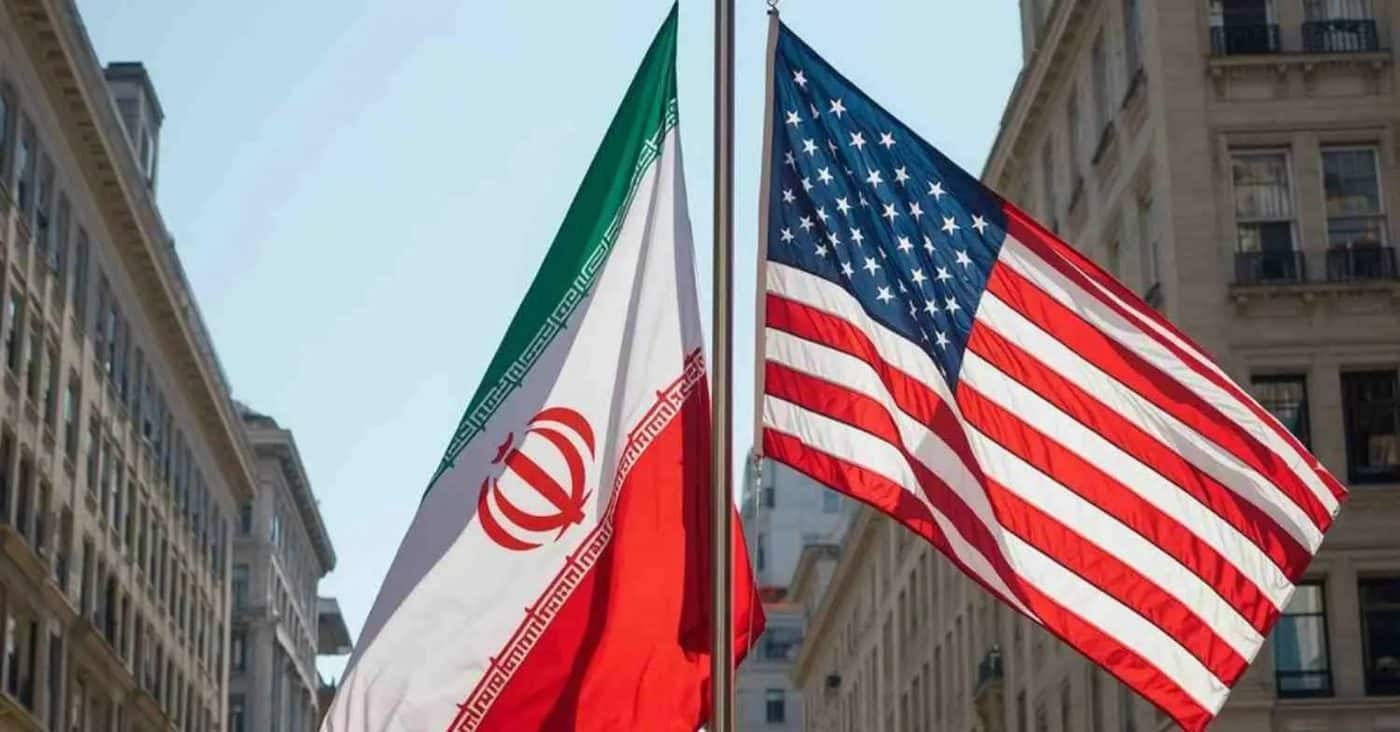
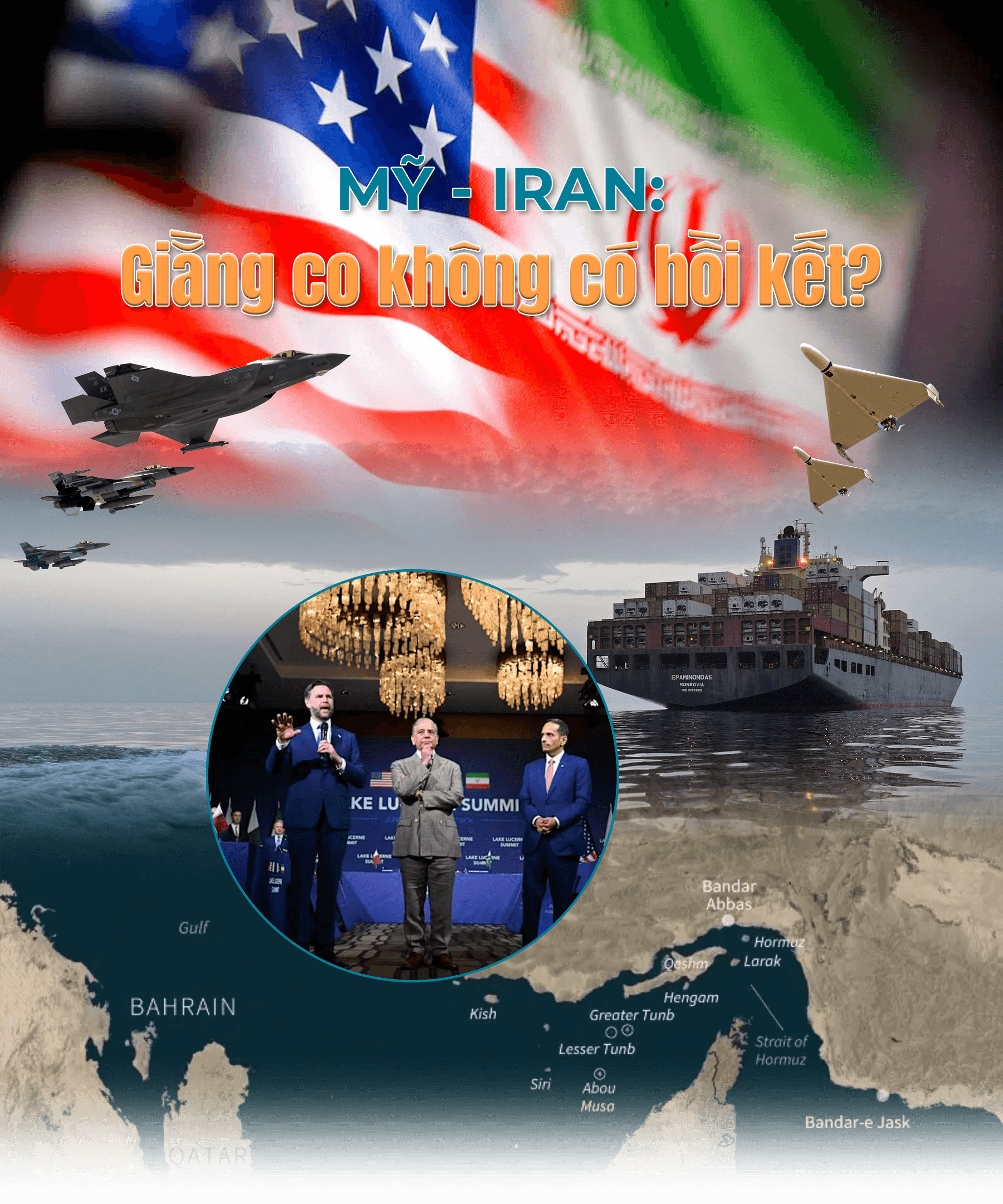
US-Iran: A never-ending standoff?
On one side is the world's leading military power. On the other is a nation that has endured decades of pressure. One side wants to change the status quo. The other side refuses to back down.
Perform:Huong Giang - Huu QuanJuly 16, 2026
On one side is the world's leading military power. On the other side is a nation that has endured decades of pressure. One side wants to change the status quo. The other side is determined not to back down.
For over four decades, the United States and Iran have been locked in a vicious cycle of confrontation with no end in sight. Each time tensions escalate, the risk of conflict looms large. But it is precisely in these moments, when it seems there is no turning back, that diplomatic signals emerge.
It's a peculiar game, where neither side has the power to force the other to surrender, but neither is willing to compromise either. A place where missiles, sanctions, and diplomacy coexist in a delicate balance.
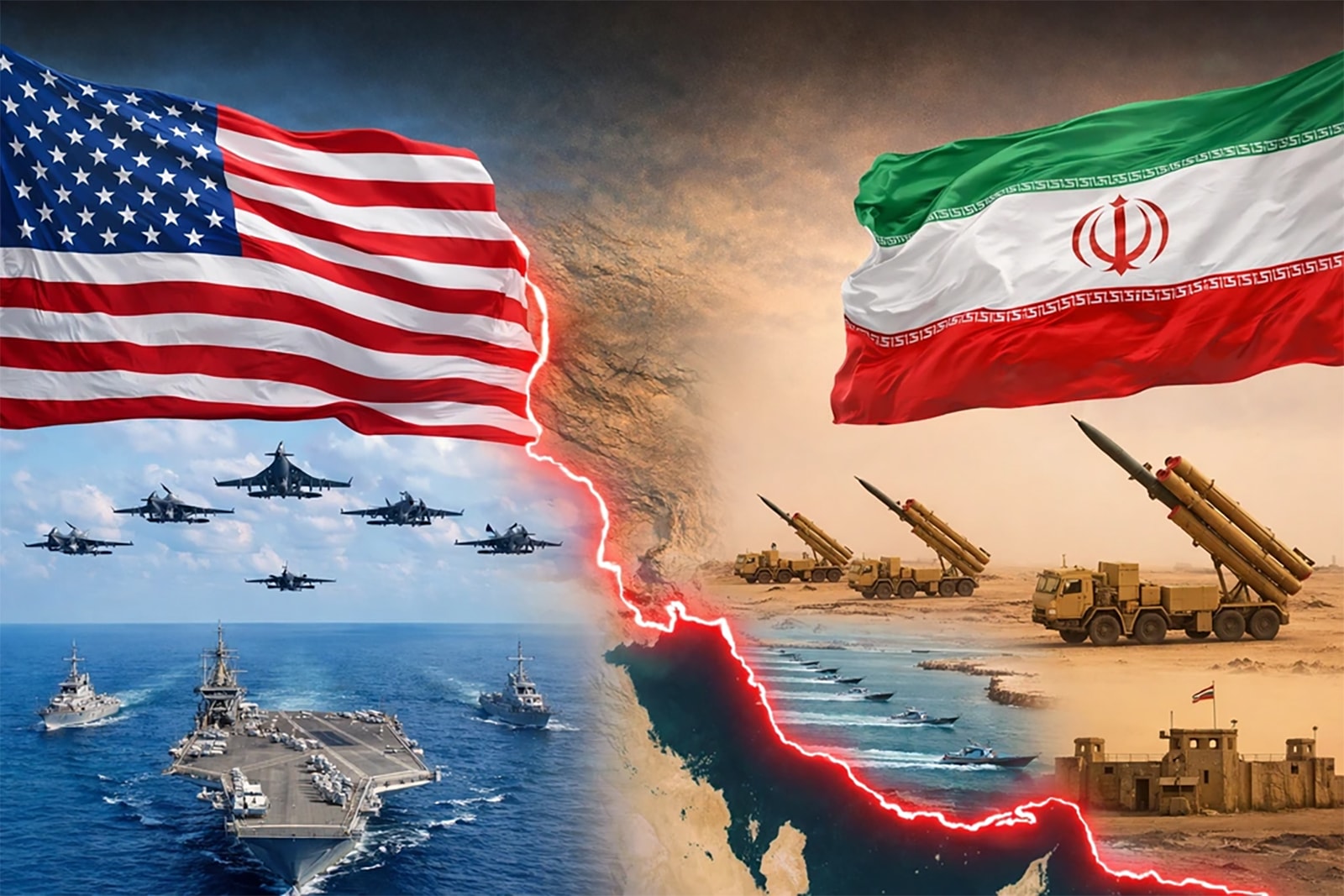
And as the latest developments continue to heat up the Middle East, fueling concerns about the Strait of Hormuz—a vital energy artery for the world—the bigger question is: Will the US and Iran enter a new confrontation?
The real question is: Will this struggle ever truly end?
In just the past few days, the Middle East has once again witnessed developments that have left the world on the edge of its seat. The tit-for-tat retaliations, the stern warnings from Washington and Tehran, and the signals of increased military presence in the region… have once again raised concerns about the risk of conflict spiraling out of control.
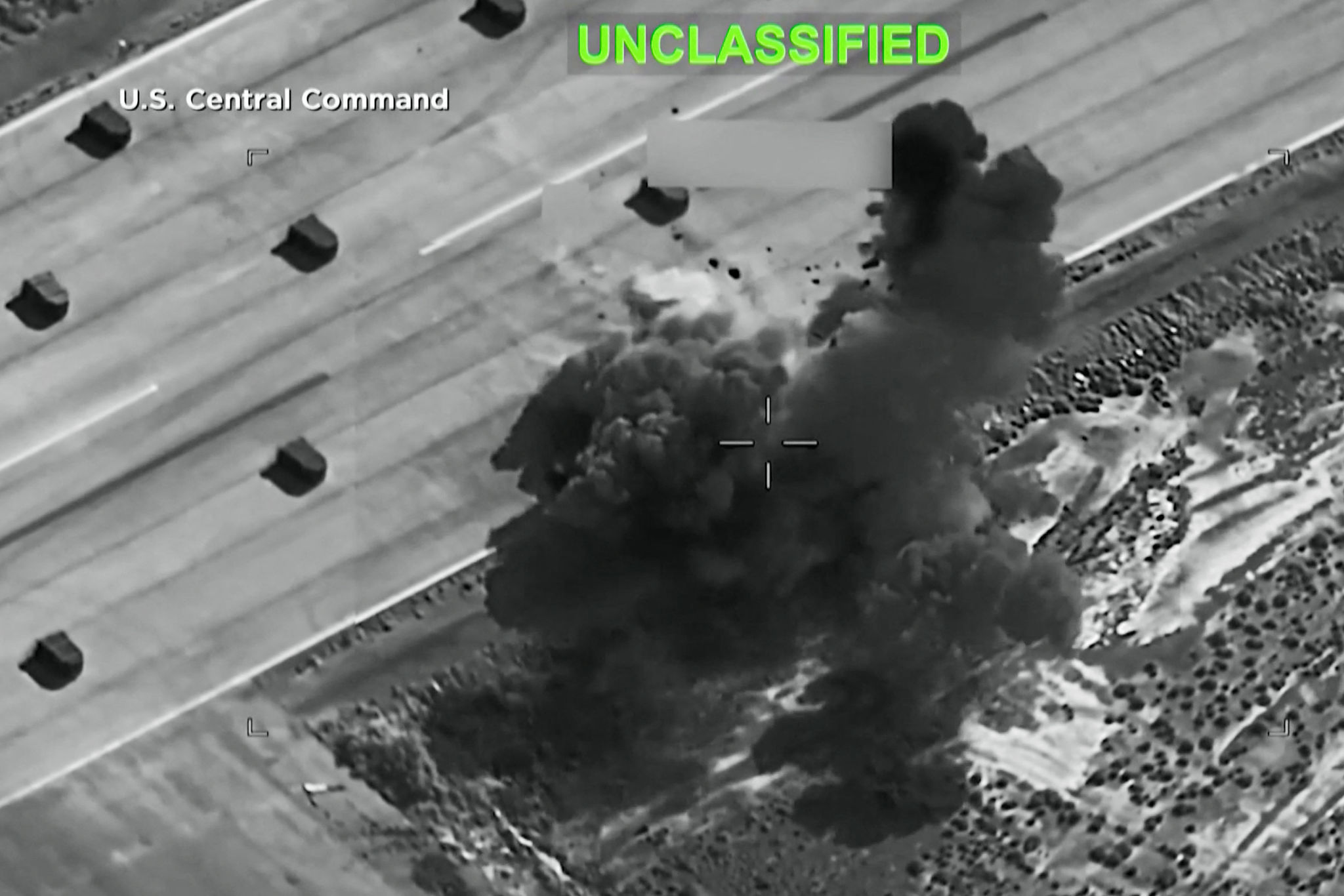
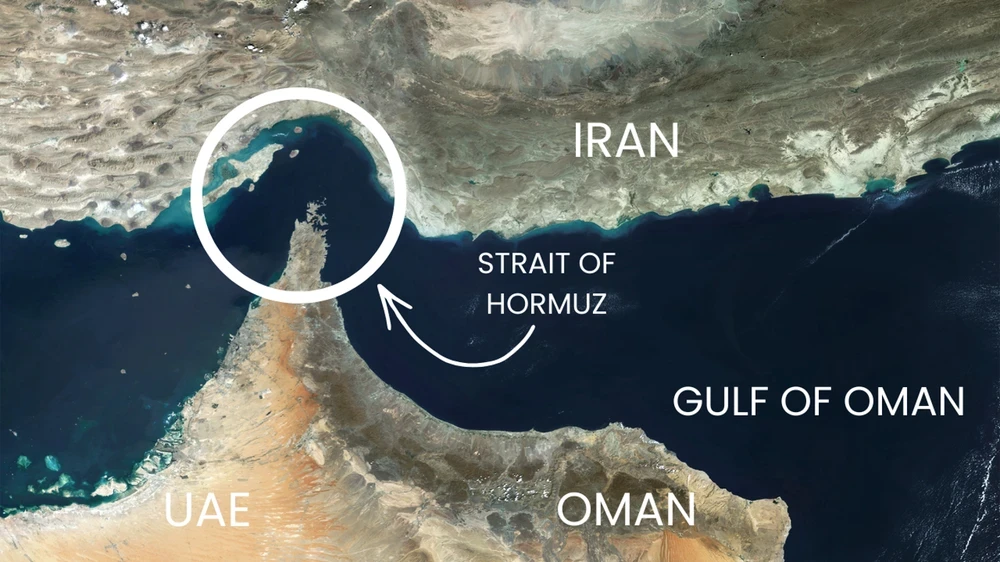
Along with that comes the worry about the Strait of Hormuz - a shipping lane that is only a short distance.less than 170 kmat the narrowest point, but transports approximately every day.1/5 of global oil consumptionThe mere threat of disruption triggers an immediate reaction in energy prices. Numerous international financial institutions have warned that if Hormuz remains under lockdown for an extended period, the global oil market could face unprecedented shocks, potentially leading to extreme scenarios.price $200/barrel.
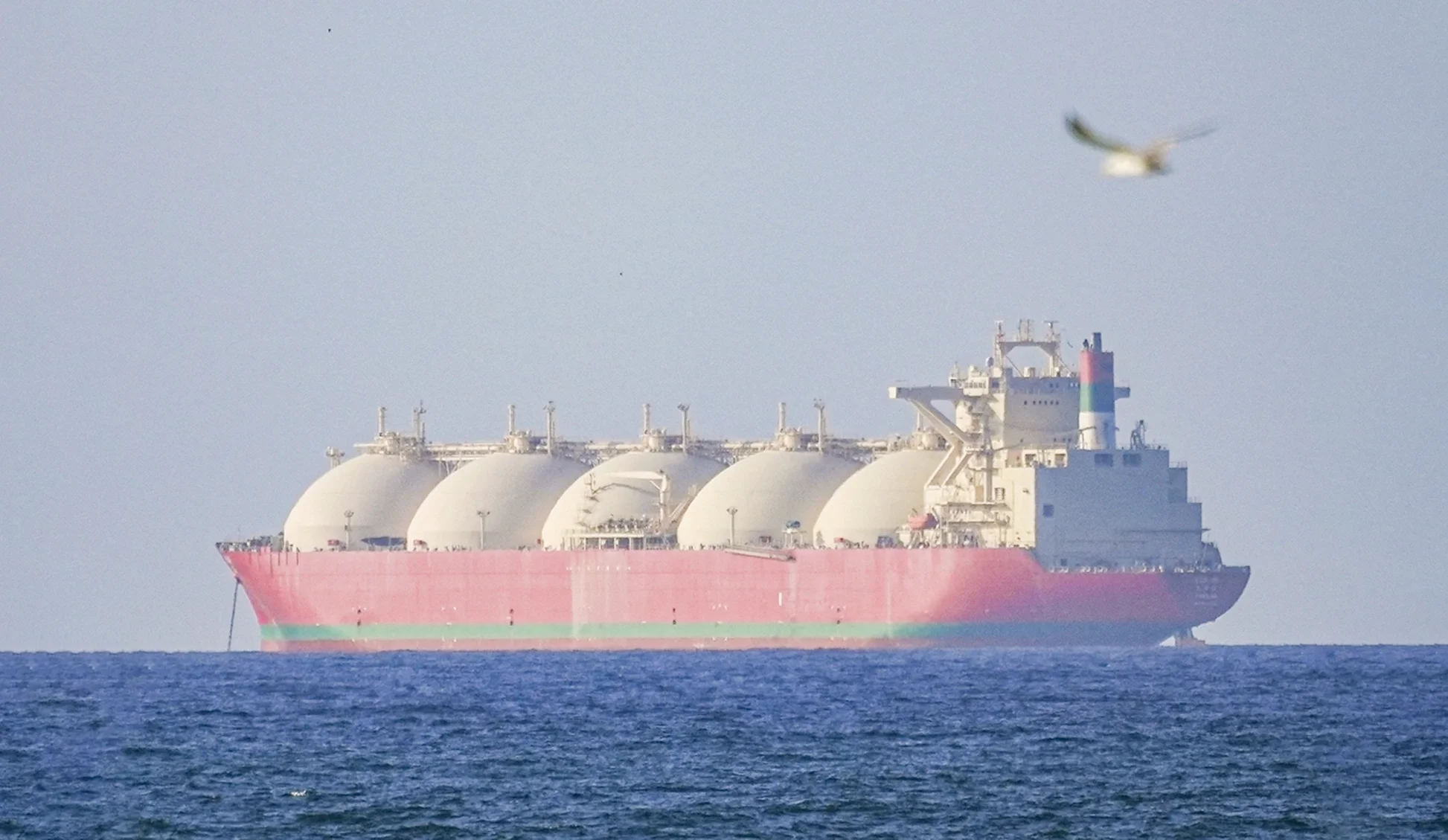
But what worries observers is not just the price of oil.
What's even more noteworthy is that after each escalation, both the US and Iran simultaneously send signals leaving open the possibility of negotiations. This paradox seems difficult to explain, but in reality, it's a recurring pattern in the relationship between the two countries for over four decades. Every confrontation is followed by a signal for dialogue, and every conciliatory signal is followed by renewed tension. This isn't a contradiction; it's the very nature of the stalemate.
Many had hoped that recent US military attacks would create a turning point, forcing Iran to abandon its nuclear ambitions. But reality shows that while a nuclear facility can be destroyed, a national strategy is not easily erased by bombs and bullets.
Karim Sadjadpour, senior research fellow ofCarnegie Endowment for International Peace, once stated that,Military measures might slow down Iran's nuclear program, but it's unlikely to change the strategic calculations of Tehran's leadership."
According to him, the nuclear program is not just a technological issue, but also linked to Iran's perception of sovereignty, security, and national status. In other words, Washington can destroy a nuclear facility, but it cannot destroy Tehran's determination to pursue its nuclear program.

Conversely, Iran has also not achieved its goals.
These retaliatory measures have helped Tehran demonstrate that it still has the capacity to make its adversaries wary. But they are not enough to force the U.S. to change its strategy in the Middle East. Not enough to end the sanctions. And certainly not enough to weaken the alliance system that Washington has built in the region over decades. Iran may make the U.S. pay a price. But it cannot yet force the U.S. out of the game.
That is why, after so many escalations, the strategic balance has remained virtually unchanged. Neither side has achieved a decisive victory. But neither side is willing to back down either.
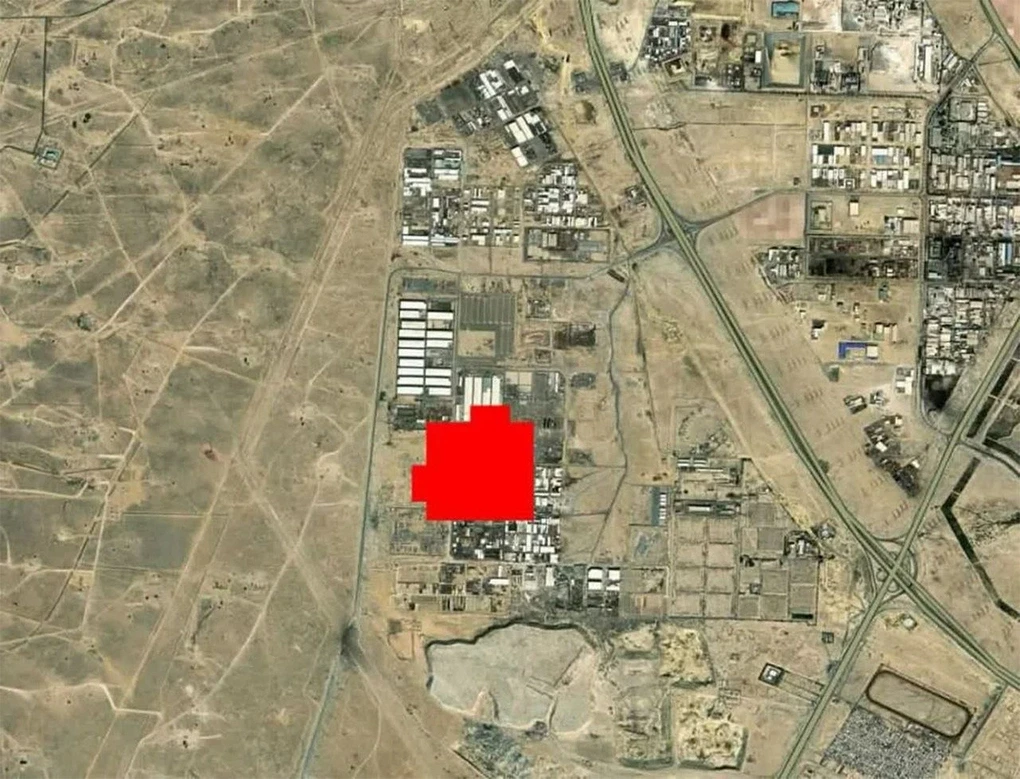

From the outside, it might seem that both Washington and Tehran are increasing pressure on each other. But a deeper look reveals that both are bound by "red lines" that they themselves dare not cross.
For the US, Iran must not possess nuclear weapons. That is a limit that any administration in Washington has repeatedly stated it will not accept. However, launching an all-out war with Iran is not an easy option either. The lessons from Iraq and Afghanistan remain relevant. Trillions of dollars were spent, thousands of soldiers died, but the cost of those wars is still a subject of debate in American politics today.
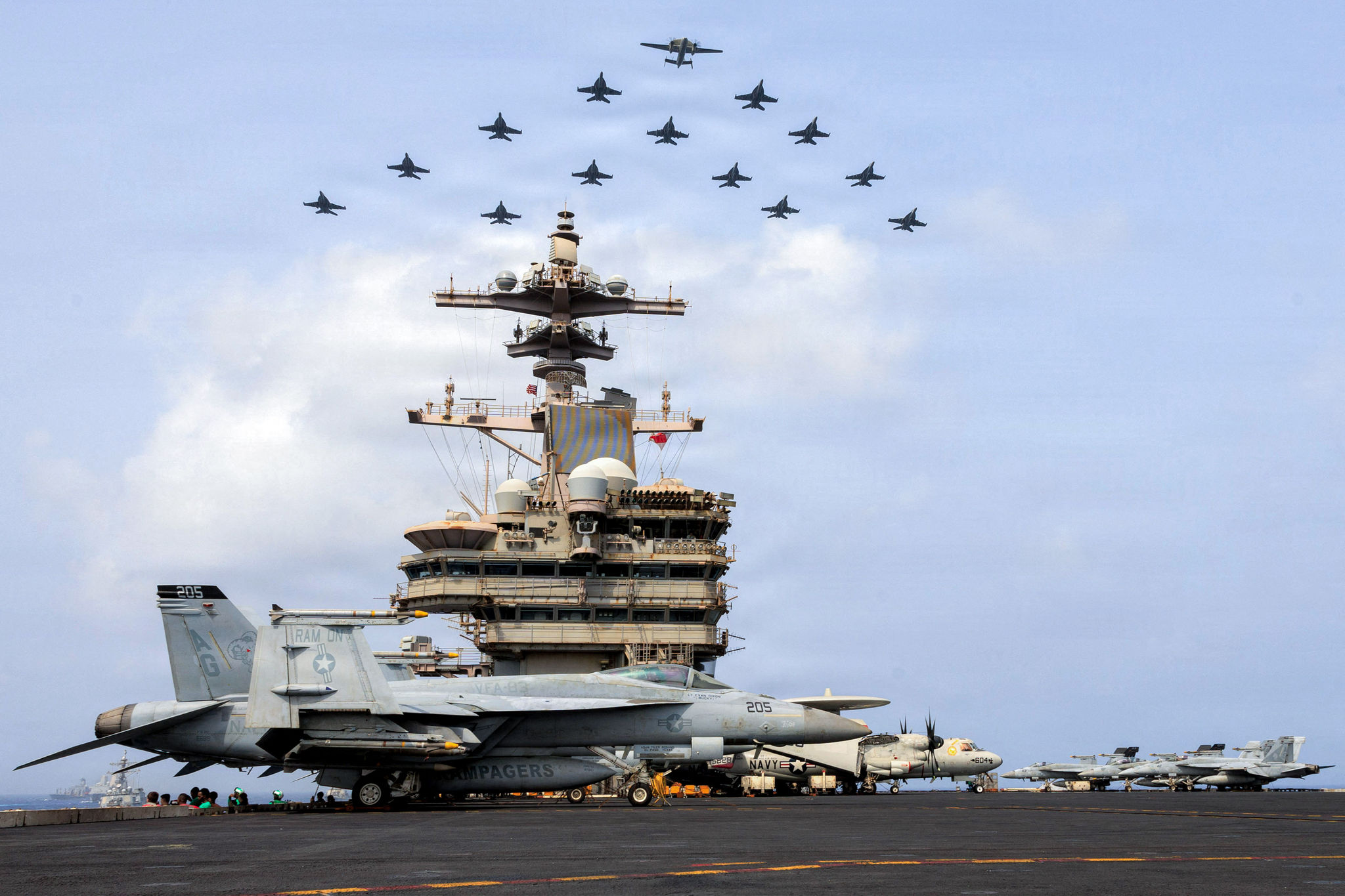
Furthermore, given that Washington must simultaneously allocate resources to multiple priorities, from strategic competition with China to the Russia-Ukraine conflict, becoming bogged down in another large-scale war in the Middle East is clearly not something the White House desires.
On the other side, Iran also understands the balance of power very well.
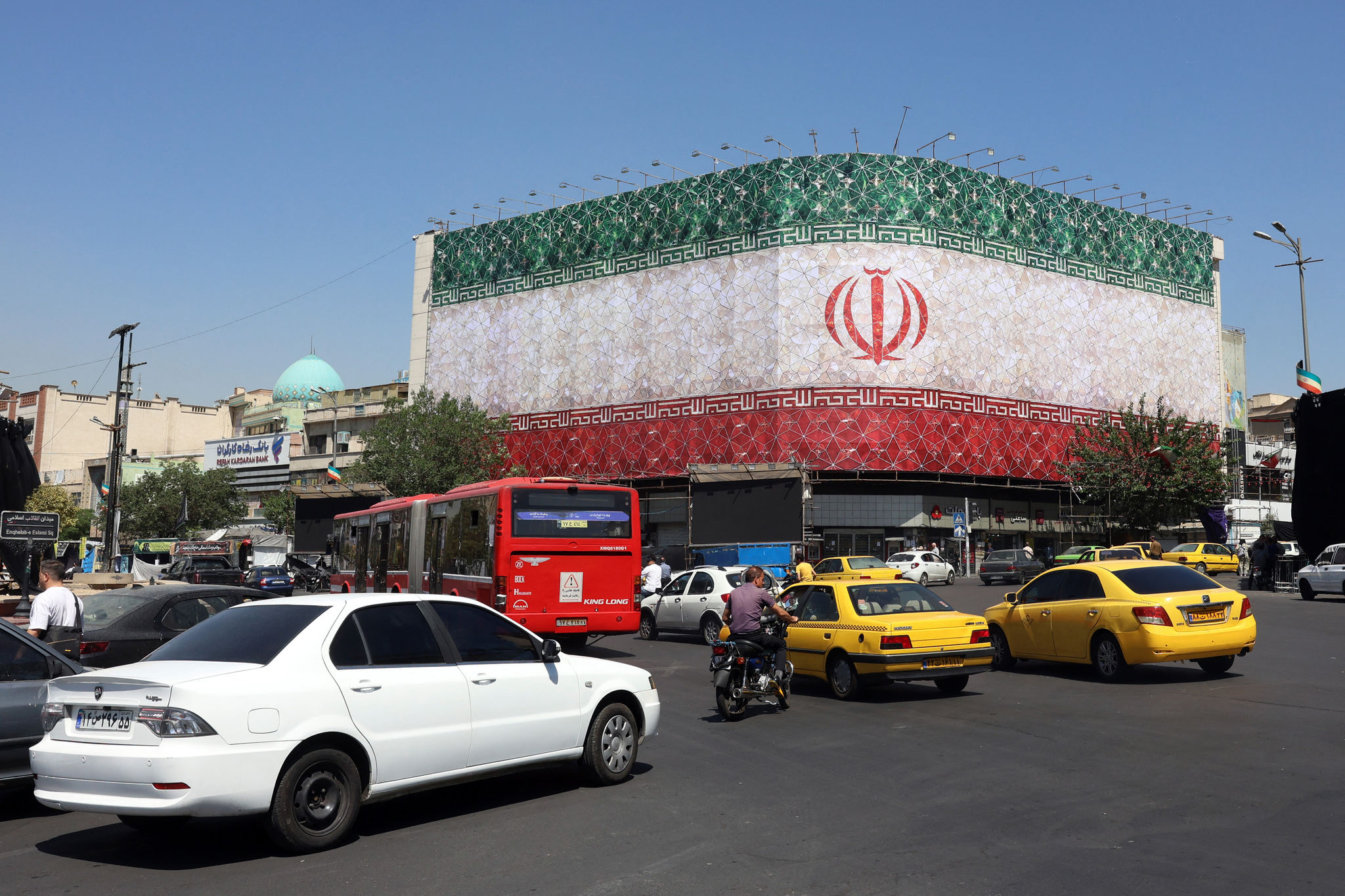
Tehran could inflict damage on the U.S. and its allies with missiles, drones, or a network of pro-Iranian forces in the region. But Iranian leaders also understand that a direct confrontation with the U.S. would put immense pressure on an economy already burdened by years of sanctions.

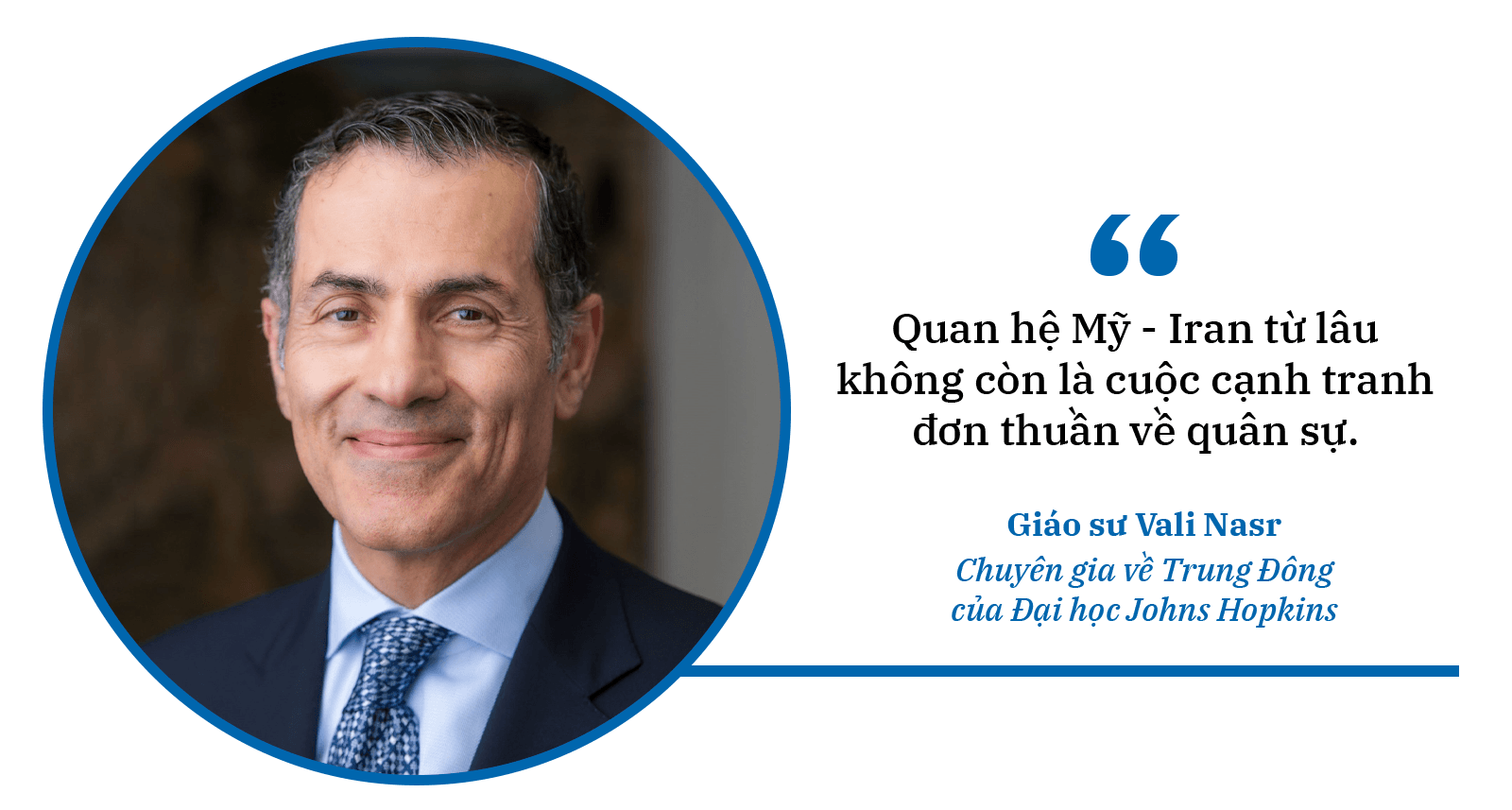
ProfessorNasr SuitcaseJohns Hopkins University's Middle East expert and former senior advisor to the US State Department once stated that the US-Iran relationship has long ceased to be a purely military competition. The core issue is that both sides view concessions as undermining their strategic standing, thus always choosing to increase pressure while avoiding an uncontrollable confrontation.
This observation partly explains why, after each escalation, the door to diplomacy never completely closes. It's not because the two sides have come to trust each other more, but because both understand that the cost of war is far greater than the cost of prolonged confrontation.
This also explains why the Strait of Hormuz always becomes the focal point whenever tensions erupt. Hormuz is not just a shipping lane; it's the "regulating valve" of the global energy market. Approximately 20% of the world's oil and one-fifth of its liquefied natural gas (LNG) pass through this narrow waterway. Therefore, the market reacts to any potential disruption even before a single drop of oil is stopped from flowing.
That's why many international financial institutions are constantly developing contingency plans. JPMorgan Bank once warned that if Hormuz were locked down for an extended period, oil prices could rise to very high levels. Some energy experts also believe that, in the worst-case scenario, oil prices could easily approach $200 per barrel.
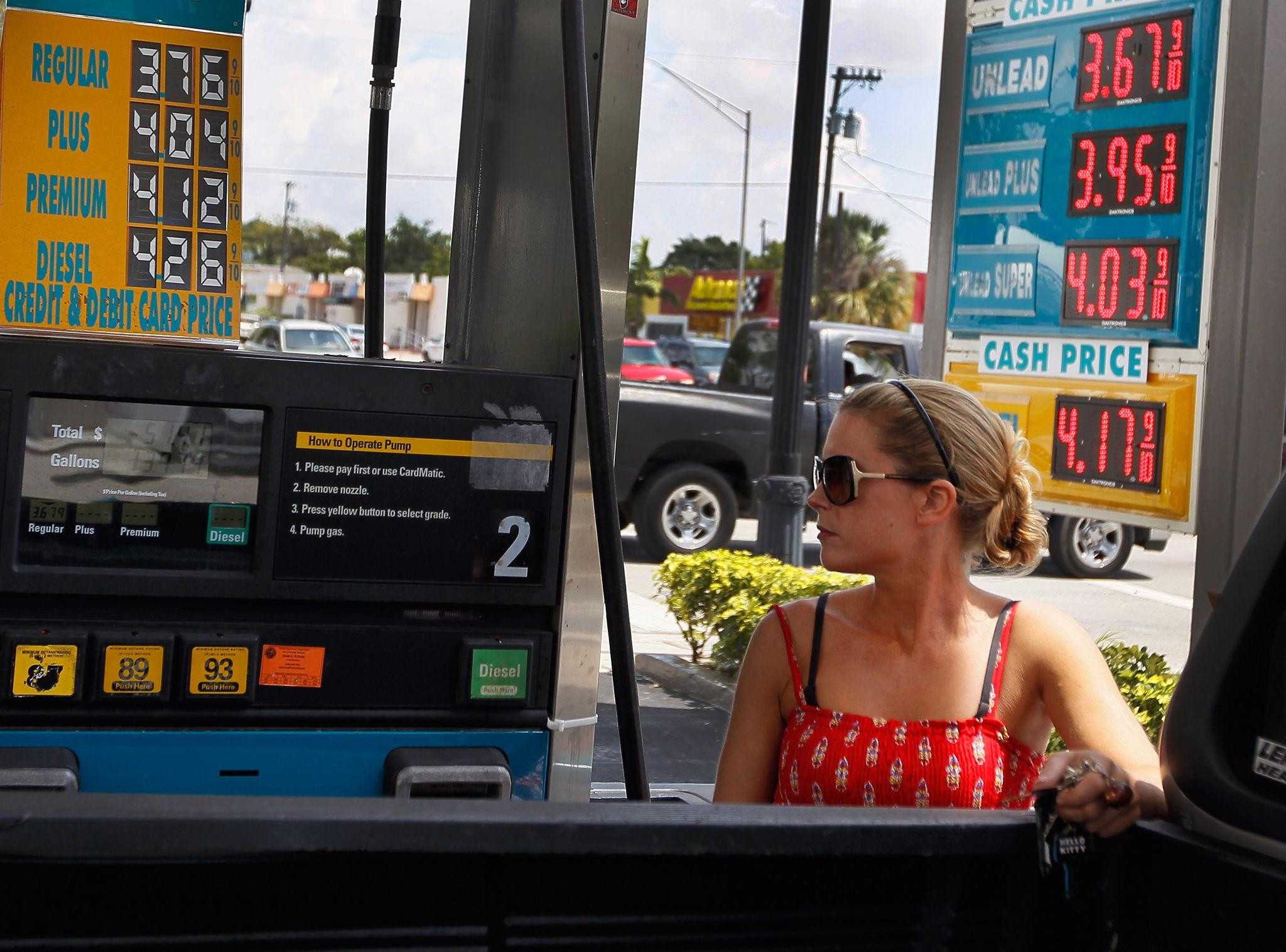
While this remains an extreme assumption, the mere possibility is enough to make major economies closely monitor every move of Washington and Tehran. After all, the bill for the US-Iran confrontation isn't just being paid in the Middle East. It's also reflected in fuel prices, transportation costs, and inflation in many countries around the world.
Recently, Professor Liu Zhongmin from Shanghai Foreign Language University assessed that targeting the Strait of Hormuz is a highly strategic move. This decision clearly reflects Washington's dilemma between military escalation and diplomatic appeasement.
This is not simply a tool to pressure Iran or other countries in the region. More importantly, the US wants to consolidate its dominant position in establishing maritime rules here. As a result, the bilateral confrontation risks taking a new and more complex turn.


Interestingly, the more one observes the confrontation between the US and Iran, the more one realizes a seemingly paradoxical reality: both want the other to change, but neither wants to push the other to the brink.
For Washington, the goal is not just to stop Iran's nuclear program. It's also about maintaining the security order that the U.S. and its allies have painstakingly built in the Middle East over decades. If Iran becomes a nuclear power, the regional balance of power will shift. Israel will feel more threatened. Gulf Arab states will have to recalculate their security strategies. And the risk of a nuclear arms race in the Middle East will no longer be a hypothesis. That is a scenario Washington is always trying to prevent.
Conversely, Tehran does not view its nuclear program simply as a technological matter. It is also a symbol of sovereignty, self-determination, and the ability to resist external pressure. Therefore, every step back can be perceived as a concession. And in Middle Eastern politics, sometimes concessions are more dangerous than confrontation.
Ali Vaez, Director of the Iran Project at the International Crisis Group, stated that the most dangerous thing now is not the two sides actively choosing war, but the risk that a series of retaliatory actions will lead to miscalculations, causing the conflict to spiral out of control..

That observation is worth pondering. The history of US-Iran relations shows that most crises don't begin with a decision to wage war. They often originate from actions aimed at... avoiding war. An airstrike to deter. A retaliatory strike to save face. A tough statement to reassure allies. But then, these very steps create a new vicious cycle. In this confrontation, the most dangerous thing isn't the intention to wage war. It's the possibility that both sides believe they are still in control. Perhaps that's why, for over four decades, US-Iran relations have never truly been still. Sometimes it's sanctions. Sometimes it's negotiations. Sometimes it's attacks. Sometimes it's diplomatic signals. On the surface, these are different states. But from a strategic perspective, they are all just different manifestations of the same stalemate.
According to Professor Fawaz Gerges, a Middle East politics expert at the London School of Economics and Political Science (LSE), the Middle East is entering a phase where conflict is no longer a total war, but rather a protracted competition through deterrence, economic pressure, proxy forces, and diplomatic bargaining.
In other words...
War is no longer the goal. Deterrence is. And that's why, after each time the world fears an impending Middle East conflict, the door to dialogue unexpectedly opens. Not because the parties have found common ground, but because they all understand that if that door slams shut completely, the price to pay will exceed anything any side can accept.