
What did the US and Israel discuss at the White House?
Against the backdrop of complex and volatile developments in the Middle East, with many unresolved diplomatic "bottlenecks," Israeli Prime Minister Benjamin Netanyahu made an urgent visit to the White House on February 11th to meet with US President Donald Trump. This seventh summit between the two leaders since the beginning of 2025 aimed to strengthen their strategic alliance and address key issues regarding Iran's nuclear program and the future of the Gaza Strip.
A timely diplomatic move.
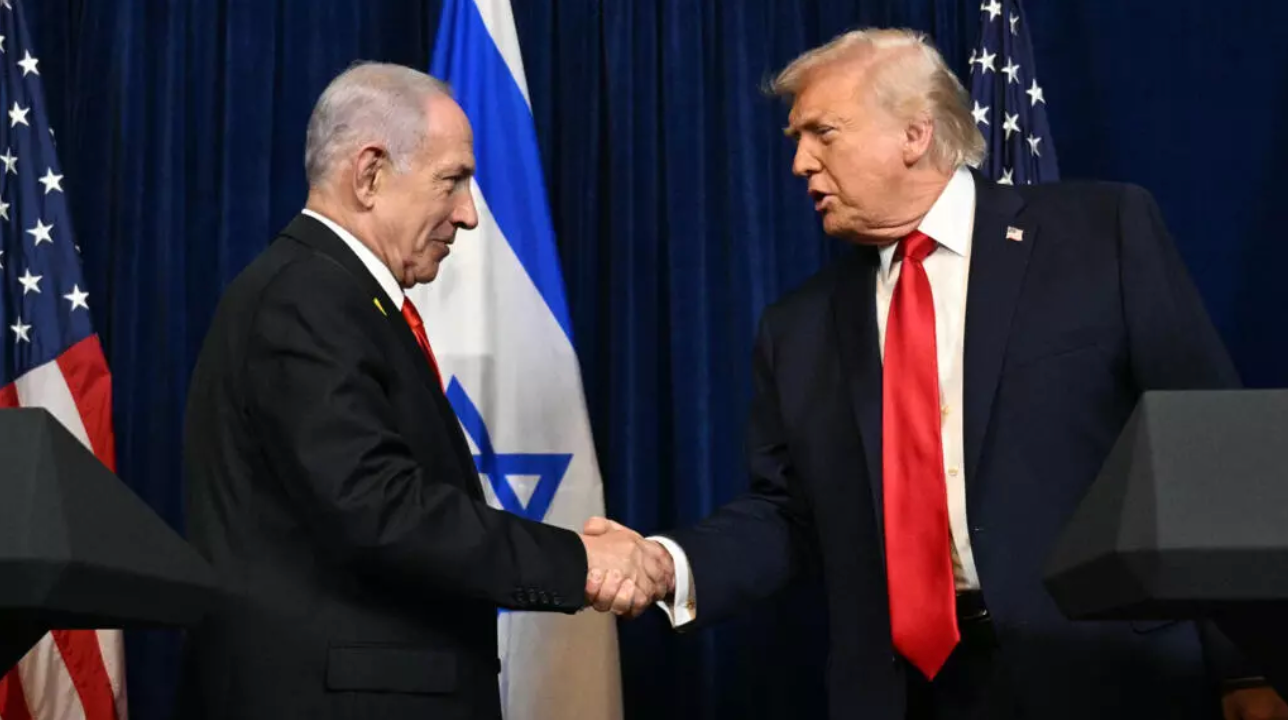
According to the original schedule, Prime Minister Benjamin Netanyahu's visit to Washington was planned for February 19th, to attend a session of the "Peace Council"—an initiative launched by the Trump administration to discuss the reconstruction of Gaza.
This decision is seen by international observers as a "preemptive" move by Tel Aviv. The direct cause stems from the fact that the US and Iran resumed nuclear negotiations in Oman last week.
Upon arriving in Washington D.C. on the evening of February 10th, Prime Minister Netanyahu held preliminary meetings with the White House's Middle East envoys, Steve Witkoff and Jared Kushner.
Nuclear or missile?
The focal point of this meeting in the Oval Office was the difference in approach to the threat from Iran. On the US side, President Donald Trump is employing a "stick and carrot" strategy. On the one hand, he keeps the door open for diplomacy, while on the other hand, he maintains maximum military pressure. Speaking ahead of the meeting, Trump announced he was considering deploying an additional carrier strike group, which he called a "second fleet," to the Middle East.
However, for Israel, the concerns extend beyond the nuclear program. Prime Minister Netanyahu emphasized that any agreement must comprehensively address the threat posed by Iran's ballistic missile arsenal.
Israel's resolve stems from battlefield realities. During the 12-day conflict in June 2025, Israeli territory suffered ballistic missile and drone attacks from Iran, affecting both military and civilian areas.
Meanwhile, Iran has maintained a hardline stance: negotiations will only focus on nuclear issues, and it firmly refuses to discuss its missile program or support for proxy forces in the region.
US-Israel relations under Trump
The meeting on February 11th was the sixth time the two leaders have met on American soil and the seventh in-person meeting since Trump returned to the White House in January 2025.
Looking back at the series of previous summits, it is clear that the US has reshaped its Middle East policy.
February 2025: The two sides discussed bold proposals regarding the future of the Gaza Strip. While some initial ideas for rebuilding Gaza met with mixed reactions from the international community, it demonstrated Washington's exploration of new approaches.
April 2025: This will be a test of trust when the US unexpectedly announces negotiations with Iran while Netanyahu is in Washington lobbying for military action.
June and December 2025: Through conflicts and escalating tensions, the US has consistently affirmed its commitment to defending Israel, even participating in airstrikes on enemy infrastructure when necessary.
The West Bank problem and the remaining uncertainties.
Besides the Iran issue, this summit also took place against the backdrop of new developments in the West Bank. The Israeli security cabinet recently approved measures to strengthen land control in the region. This move has drawn some international concern about the prospects of the Middle East peace process.
Although U.S. officials say President Trump wants to maintain stability and does not support unilateral actions that alter the status quo.
The meeting at the White House between President Donald Trump and Prime Minister Benjamin Netanyahu was not merely a diplomatic formality, but a strategic dialogue aimed at unifying perspectives on historic decisions. The challenges facing both leaders were immense: How to advance a sustainable nuclear agreement with Iran without weakening military deterrence? How to address the ballistic missile issue without plunging the region into a new arms race? And, more importantly, how to forge lasting peace for both Gaza and the Middle East? The answers would depend heavily on the outcome of the hours-long, closed-door meeting in Washington.


