
The US urgently needs to bring Israel and Lebanon to the negotiating table.
The U.S. State Department has confirmed it will chair talks between Israel and Lebanon next week in Washington. This move comes amid Tel Aviv's military campaign in its neighbor, which directly threatens the recently implemented ceasefire in the Middle East.
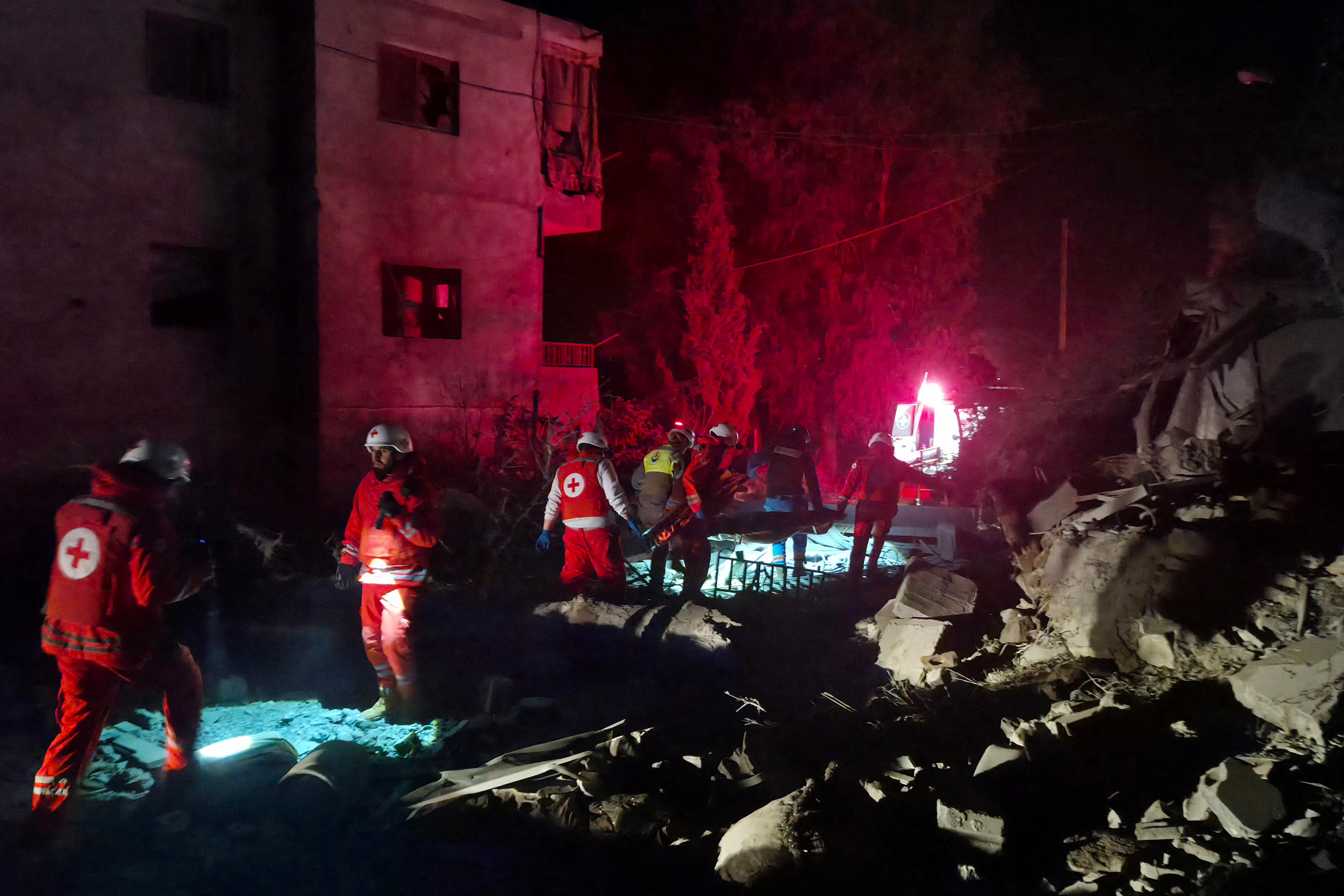
AFP news agency reported on the morning of April 10th, citing a US State Department official, that plans are underway for a meeting next week to find a way out of the escalating conflict. According to the source, Israeli Prime Minister Benjamin Netanyahu has instructed his cabinet to seek direct negotiations with Lebanon, focusing on the disarmament of the Iranian-backed Hezbollah forces. However, Beirut officials maintain a firm stance: they will only sit down for talks if Israel accepts a ceasefire.
On the ground, there are no signs of de-escalation. Hezbollah claims to be engaging in close combat with Israeli forces in southern Lebanon. According to reports from Lebanese officials, on April 8 alone, Israeli airstrikes killed at least 303 people and injured 1,150.
Despite rising civilian casualties, the Israeli military continues to issue new evacuation orders for the southern suburbs of Beirut and relentlessly shells sites believed to be Hezbollah launch sites. Israeli Army Chief of Staff, General Eyal Zamir, personally inspected ground forces in Lebanon on April 9th, asserting that the recent operation had dealt a "heavy blow" to the enemy's capabilities.
Israel's refusal to halt its campaign in Lebanon is casting a dark shadow over reconciliation efforts in Pakistan, which were hoped to unravel the larger Middle Eastern conflict between the US and Iran.
Tehran reacted extremely strongly to Tel Aviv's actions. Iranian officials declared that the Israeli airstrikes had rendered the negotiations in Pakistan "meaningless," while emphasizing that Lebanon was "an integral part of the ceasefire." The tension escalated when the Iranian ambassador to Pakistan unexpectedly deleted a social media post announcing the delegation's schedule for their trip to Islamabad, raising concerns about the breakdown of the entire diplomatic process.
Pakistan's mediating role is also facing a major challenge following a heated war of words with Israel. On the evening of April 9th, Pakistani Defense Minister Khawaja Asif posted scathing remarks condemning the military campaign in Lebanon. In response, the Israeli Prime Minister's office immediately called these comments "outrageous" and declared such an attitude unacceptable from a country that claims to be a mediator. The fact that Pakistan currently has no formal diplomatic relations with Israel further complicates the diplomatic landscape.
A wave of concern is also spreading across Europe. Sharing the same anxieties, German Chancellor Friedrich Merz warned that the ongoing devastation in Lebanon could cause "the entire peace process to fail." Similarly, British Prime Minister Keir Starmer flatly rejected Tel Aviv's argument, asserting that Israel was completely "mistaken" in believing that Lebanon was outside the scope of the current Middle East ceasefire.


