
US launches "Peace Council": New hopes for Gaza reconstruction and global security.
Today (February 19), in Washington D.C., U.S. President Donald Trump chaired the first meeting of the "Peace Council" - a new multilateral initiative with the ambition to resolve international conflicts, with the immediate focus on consolidating the ceasefire and rebuilding the Gaza Strip.
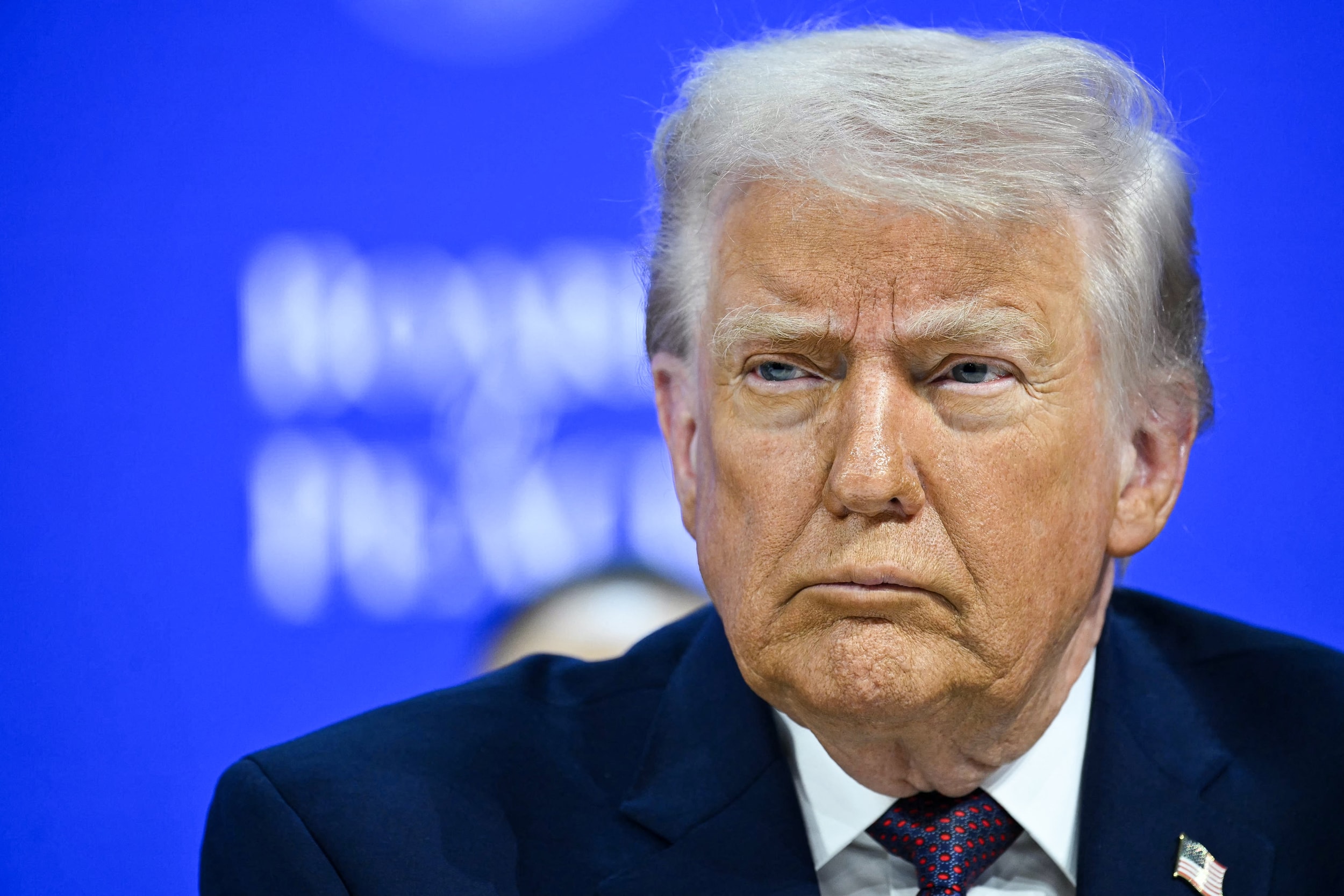
According to AFP, DW, and other international news agencies, the event attracted leaders and high-ranking representatives from nearly 30 countries, marking a new step in global diplomatic efforts to find a solution to the Middle East "powder keg" after more than two years of protracted conflict.
Commitment of $5 billion and roadmap for rebuilding Gaza.
The "Peace Council" was established based on the shuttle diplomacy efforts undertaken by the Trump administration, in coordination with Qatar and Egypt, to achieve a ceasefire agreement by October 2025. Entering the second phase of the peace process, the Council's key objective is to ensure lasting security and restore life in this heavily devastated region.
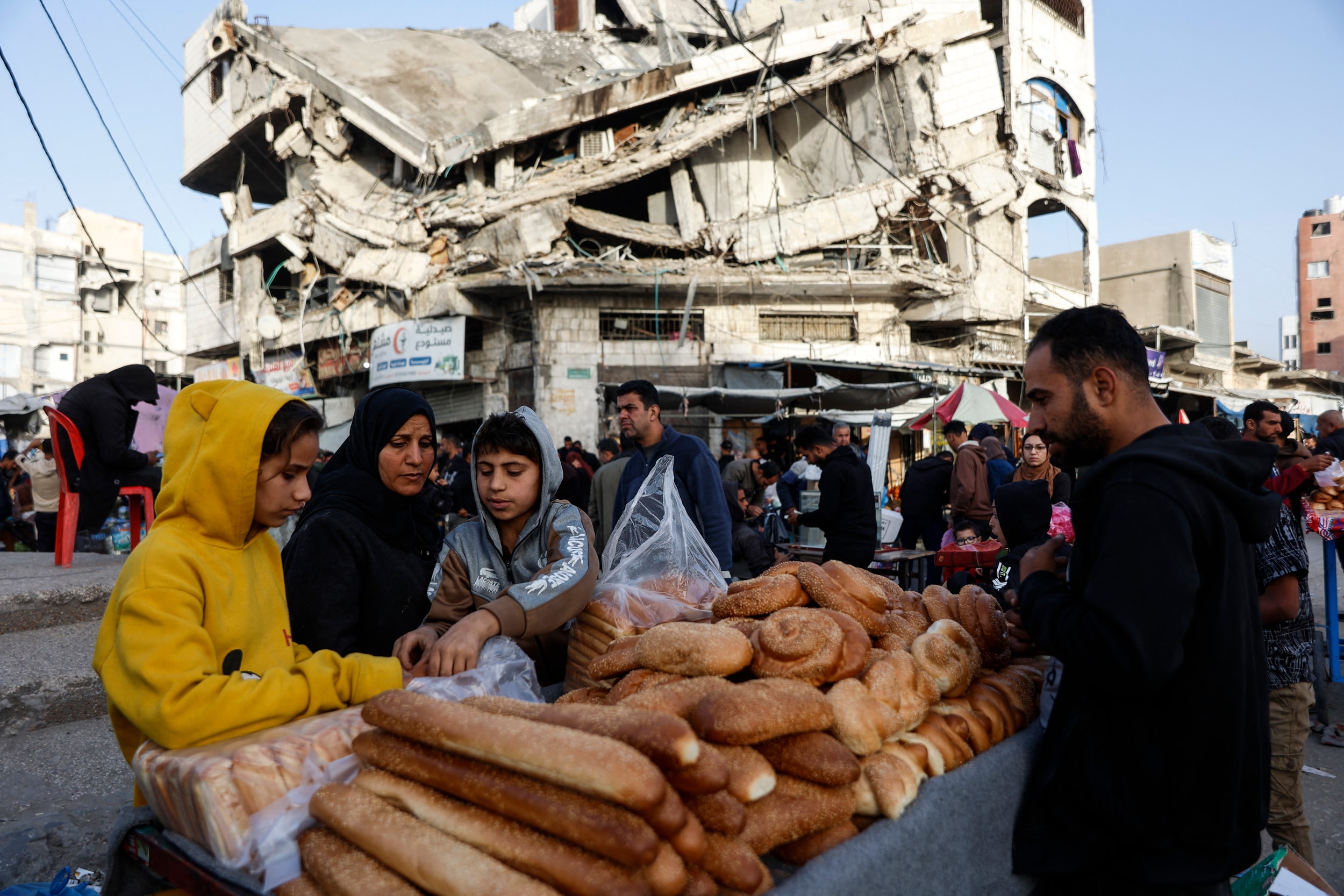
At the opening session, a strong financial commitment was made. Member states plan to mobilize more than $5 billion for the reconstruction of Gaza, where much of the infrastructure has been destroyed.
The US president also proposed bold ideas for economic development, including tourism and real estate projects, aimed at transforming the territory's future.
Besides financial matters, the conference also discussed the establishment of an "International Stabilization Force" to maintain security in Gaza. Indonesia – the country with the world's largest Muslim population – declared its readiness to send up to 8,000 troops to participate in this peacekeeping force if the mechanism is approved. Indonesia's presence, along with the participation of countries such as Pakistan, Hungary, and Argentina, demonstrates an effort to diversify the participants in peacebuilding, not limiting it solely to traditional Western allies.
Challenges from the field
Despite the ceasefire being in effect, the situation on the ground remains fragile. The Gaza Health Ministry reports that since the ceasefire began, more than 600 people have been killed in sporadic clashes. This places significant pressure on the Council's oversight role.
At the heart of the security discussions is the disarmament of Hamas. Both the US and Israel consider this a prerequisite. Israeli Prime Minister Benjamin Netanyahu has emphasized a tough stance on the seizure of heavy weapons and assault rifles.
Jeremy Issacharoff, a strategist from Reichman University (Israel), believes that disarming Hamas is not a simple task, but a necessary path to building trust.
Conversely, Hamas representatives called on the Council to pressure Israel to completely end its military actions and lift the years-long blockade.
To address the governance challenges during the transitional period, a technocratic committee headed by engineer Ali Shaath was established last month to oversee day-to-day civil operations in Gaza.
Operating mechanism and expanded vision
Although the current focus is on Gaza, the "Peace Council" is designed with the larger ambition of becoming a global conflict resolution mechanism. According to the Council's charter, the organizational structure includes an Executive Board with influential figures such as US Secretary of State Marco Rubio and World Bank President Ajay Banga.
A notable aspect of the Council's mechanism is the central role of the United States. The US President holds veto power and has the final say in shaping strategic steps. This reflects the pragmatic approach of the Washington administration: leveraging its position and close relationships with various parties (especially Israel) to promote solutions that traditional mechanisms might not immediately achieve.
Jason Isaacson, Director of Policy at the American Jewish Committee (AJC), expressed cautious optimism: "If this model can bring about positive changes on the ground, it could achieve successes that previous conflict resolution models have not."
A new multilateral approach
The creation of the "Peace Council" comes at a time when traditional international institutions like the United Nations are facing an urgent need for reform to adapt to the new situation. While some European countries, such as France and Germany, remain cautious and emphasize the central role of the UN Security Council, many others view the new US initiative as a necessary and practical supplementary channel.
In fact, the United Nations Security Council in November 2025 also took steps to support the "Peace Council's" efforts within the framework of resolving the Gaza issue, acknowledging that direct US involvement is a key factor in influencing Israel.
The presence of diverse voices at the Council is also expected to help balance interests, ensuring that the solutions offered not only serve the major powers but also take into account the legitimate rights of people in conflict zones.
The first meeting of the "Peace Council" in Washington DC could not immediately resolve all overlapping conflicts in the Middle East, but it opened up a new, more pragmatic and decisive approach.
The Council's future success will depend on its ability to translate billions of dollars in commitments into reality, as well as maintaining a balance between Israel's security needs and the Palestinian people's aspirations for peace and independence.


