
The US initiates a new global trade investigation.
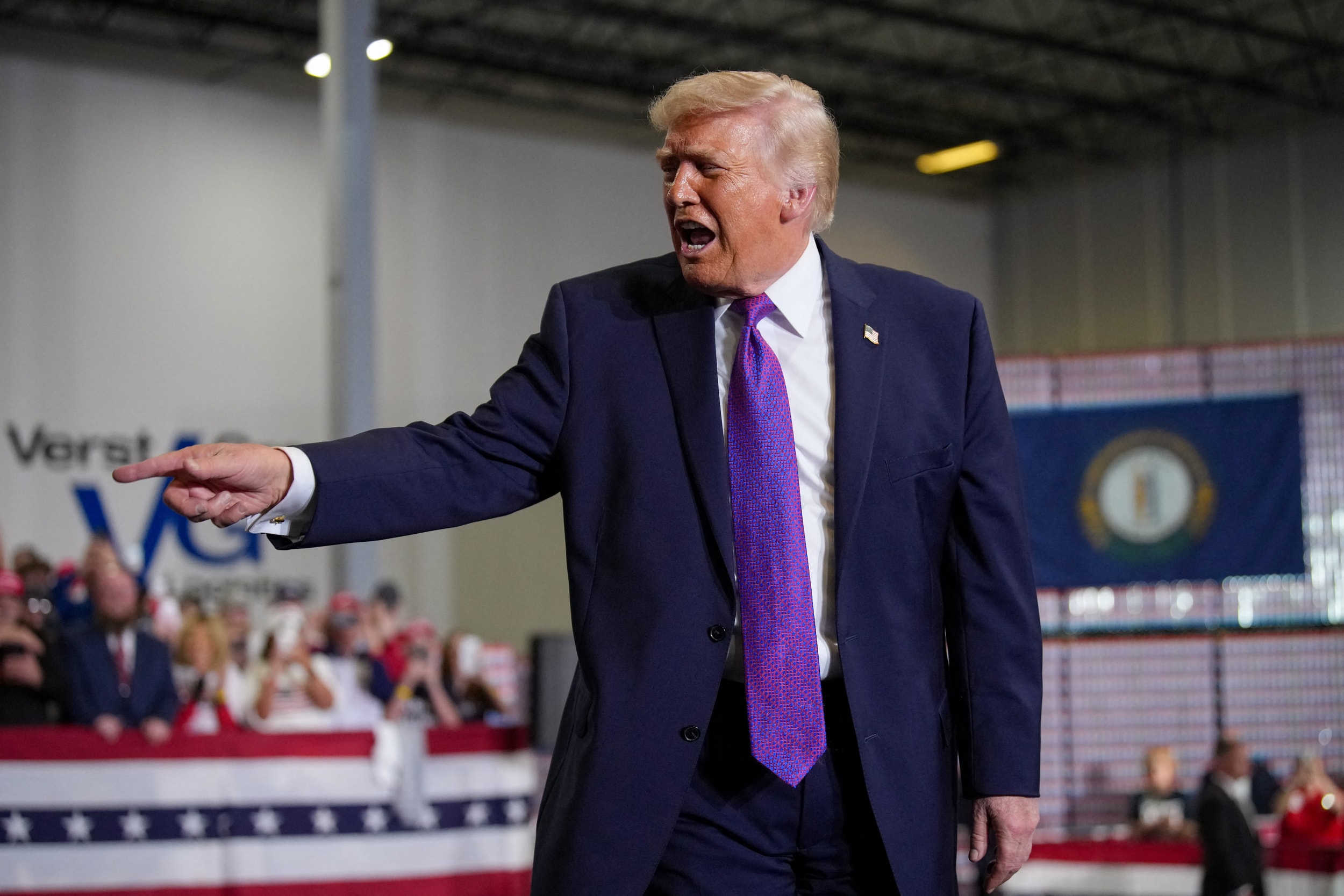
On the morning of March 12, the US announced new investigations into what Washington considers "unfair trade practices" from dozens of countries. This move paves the way for new sanctions, including tariffs, as US President Donald Trump rushes to find alternatives after the Supreme Court rejected previous broad tariffs.
Two new areas of investigation.
Speaking to reporters, U.S. Trade Representative Jamieson Greer said the Trump administration is conducting separate investigations focusing on two main issues: industrial overcapacity and imports of goods related to forced labor.
The first investigation into excess production capacity targeted the European Union (EU), China, Japan, India, and several other economies.
A USTR representative emphasized that the investigation would "focus on economies where the U.S. has evidence of structural overcapacity and output surpluses across various manufacturing sectors." However, the agency did not specify whether the final sanctions would differ between countries.
The second investigation is expected to be launched as early as the afternoon of March 13 (US time), and is anticipated to affect approximately 60 trading partners.
Legal basis and context
These efforts come just weeks after the U.S. Supreme Court reversed President Trump's global tariff policy. The court ruled that he exceeded his authority when he used emergency economic powers to impose tariffs on most countries.
Immediately after the ruling, Trump quickly imposed a new 10% tariff on imports. This measure is temporary, expected to last until July 24th, to buy time for officials to develop more permanent measures to restore the government's trade agenda.
Both newly released investigations were handled by the USTR and fall under Section 301 of the Trade Act of 1974. This is the same legal basis that President Trump used to impose tariffs on imports from China during his first term. It's important to note that Trump's specific tariffs on sectors like steel, aluminum, and automobiles were not affected by the recent Supreme Court ruling.
Impact on existing agreements
The US initiation of the investigation risks sparking tensions with major trading partners. Notably, many of the targeted countries already have tariff agreements with Washington. However, Greer asserted that these agreements are entirely "independent" of the ongoing investigations and that the US has the ability to review and balance these agreements during the process.
A USTR representative expressed hope for more similar investigations "on a country-by-country basis" in the future, and Washington's goal is to conclude the current investigations "as quickly as possible," ideally before the 10% provisional tariff expires at the end of July.
Washington is also paying particular attention to a range of other issues, from taxes on digital services to pharmaceutical pricing. The Trump administration's latest trade move comes just ahead of a planned meeting between him and Chinese President Xi Jinping in Beijing this April.


