
The US is upgrading the Trident II missiles and W93 nuclear warheads on the Columbia-class submarines.
The US Navy is deploying the D5LE2 program and W93/Mk7 warheads to modernize its sea-based nuclear triad, ensuring strategic deterrence capabilities until 2084.
The U.S. Navy is entering a critical phase of modernization for its sea-based nuclear deterrence capabilities. The focus of this plan is the Trident II D5 Life Extension 2 (D5LE2) missile and the W93/Mk7 warhead program. This effort aims to maintain the most vital pillar of the U.S. nuclear triad for decades to come.
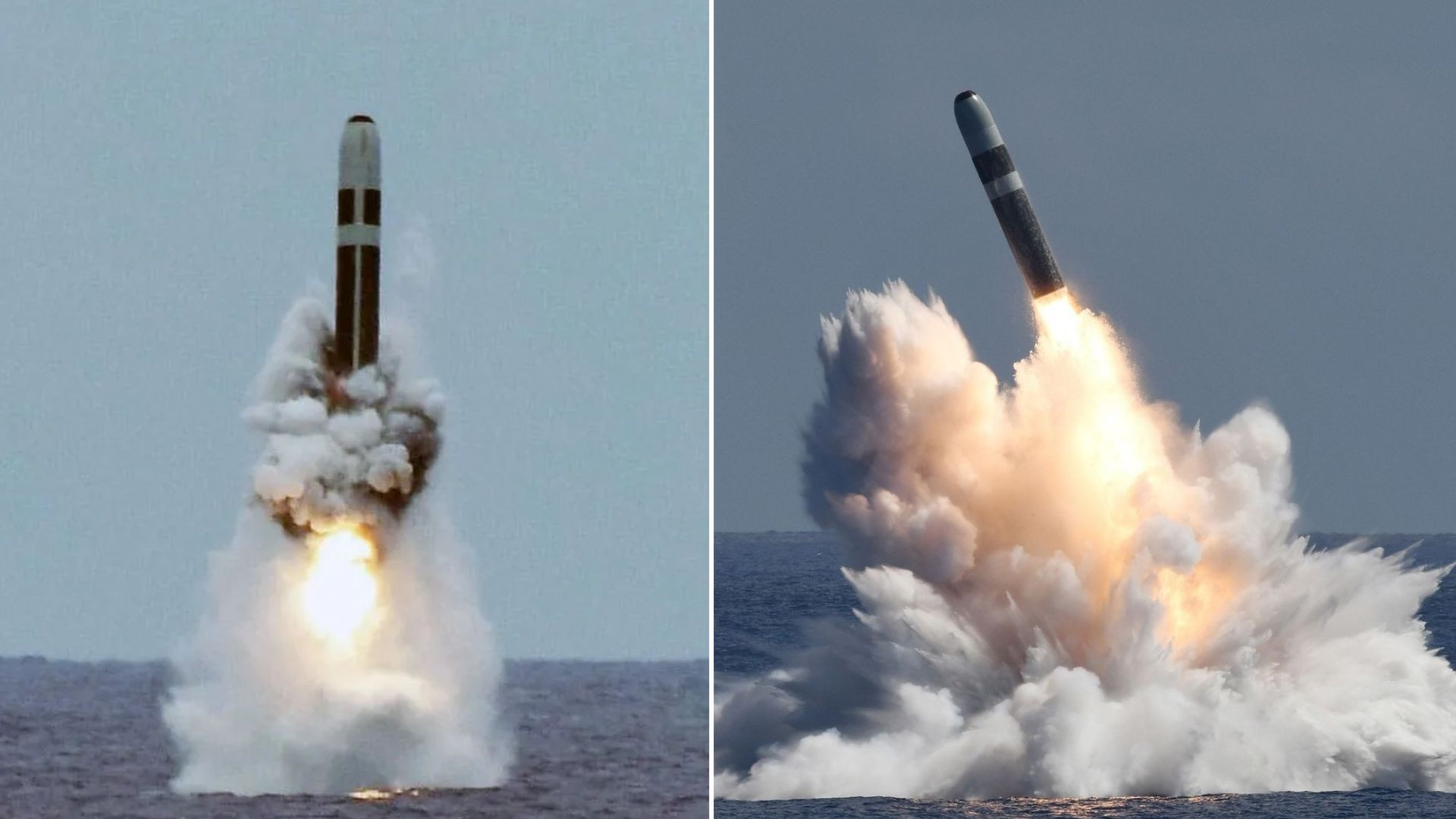
Trident II D5: A strategic deterrent pillar beneath the ocean.
The Trident II D5 is a submarine-launched ballistic missile (SLBM), first deployed in 1990. Currently, this weapon is a primary combat component of the US Ohio-class and British Vanguard-class submarines. According to US Navy specifications, the missile is 13.41 meters long, 2.11 meters in diameter, and weighs approximately 58.5 tons.
The system uses a three-stage solid-fuel engine, achieving a range of approximately 7,360 km. Each missile is capable of carrying multiple independent re-entry vehicles (MIRVs), allowing for simultaneous attacks on multiple different targets. The ability of nuclear submarines to remain hidden beneath the ocean makes the Trident II the most difficult component to neutralize in the nuclear triad (comprising land-based missiles, bombers, and submarines).
D5LE2 Upgrade: Meeting the Lifecycle Requirements of the Columbia-Class Submarines
Although the current D5LE program has helped extend the lifespan of the Trident II, in the long run, repairing older components is no longer sufficient to meet technical requirements. The U.S. Navy has developed the D5LE2 version as a more significant upgrade to ensure deterrence capabilities in the new security environment.
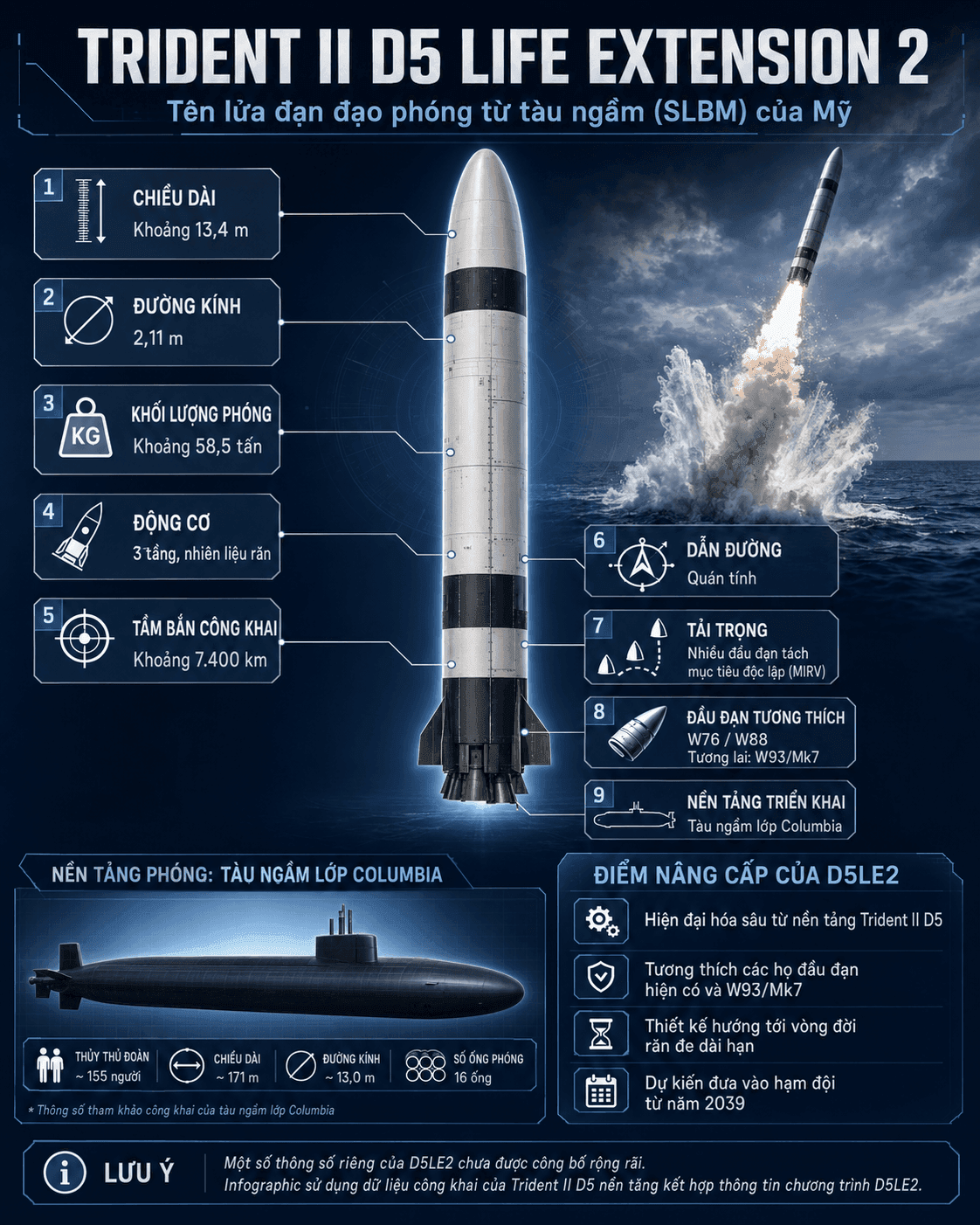
The new Columbia-class submarines are designed to operate until 2084. Therefore, a Cold War-era weapons system needs comprehensive modernization to be compatible with the new fleet. The D5LE2 is not an entirely new missile but is based on the proven Trident II platform, focusing on upgrades to materials, electronics, and technical support systems.
The D5LE2 development roadmap has reached a key milestone (Milestone B) in mid-2025. According to plan, the system will begin fleet deployment in fiscal year 2039 after completion of launch trials at Cape Canaveral and on submarines.
W93/Mk7: A new nuclear warhead after nearly 40 years.
Alongside the missile program, the U.S. is developing the W93/Mk7 – the first new nuclear warhead program since the late 1980s. In this configuration, the W93 is the nuclear warhead, while the Mk7 is the reentry vehicle, tasked with protecting the warhead during its final re-entry into the atmosphere.
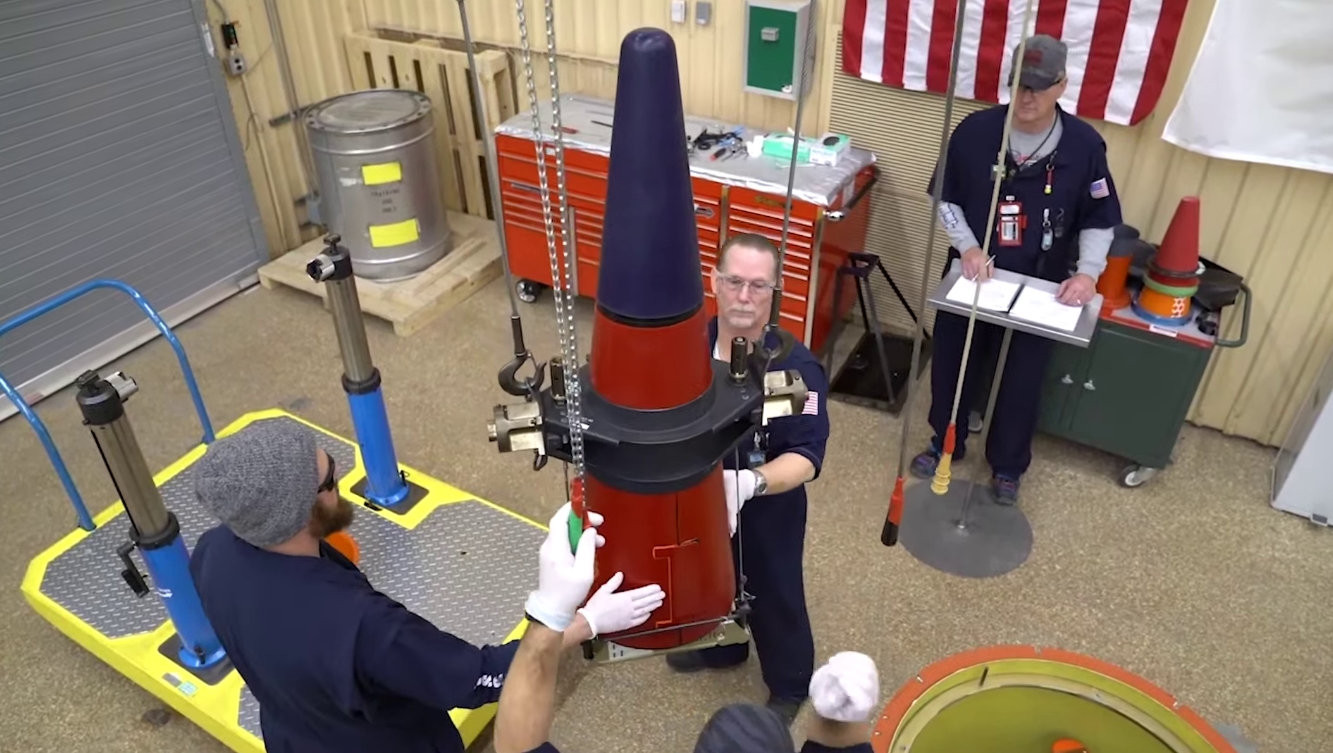
According to Los Alamos National Laboratory, the W93/Mk7 program completed its feasibility study (Phase 2) in March 2025. Documents confirm that the development of the W93 is not aimed at increasing the size of the arsenal and does not require underground nuclear test launches. This new system will help reduce inventory risk as older warheads like the W76 and W88 reach the end of their service life.
Optimizing combat capabilities on Columbia-class submarines.
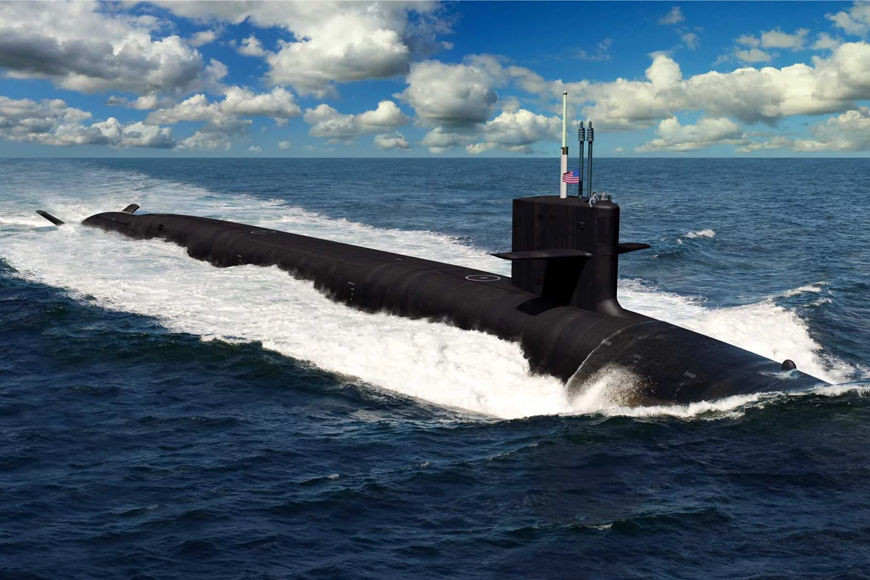
The Columbia-class submarines will replace the Ohio-class with a design featuring 16 missile launch tubes (eight fewer than the previous class). However, this change reflects a strategy prioritizing accuracy and survivability over sheer numbers.
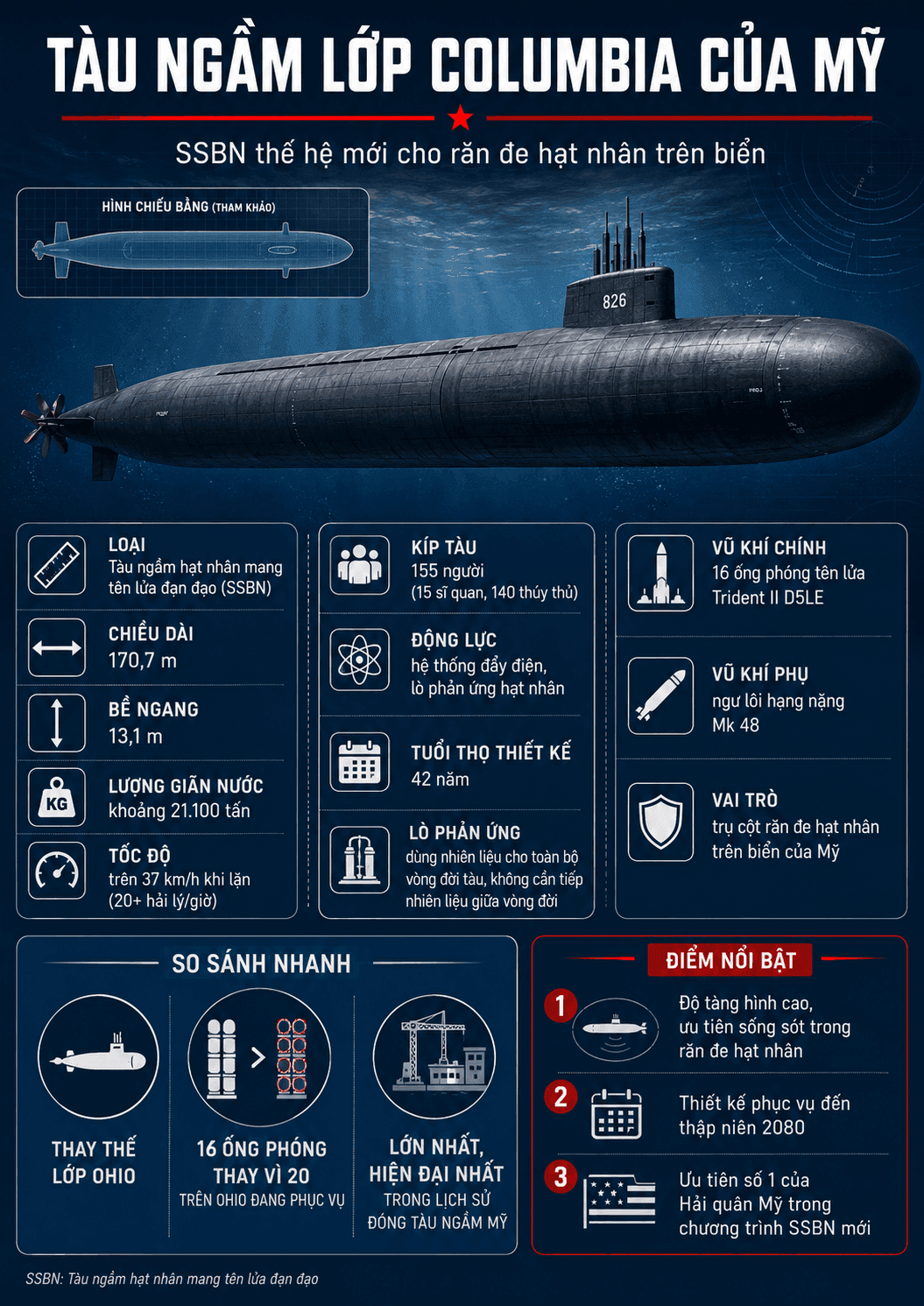
The first Columbia-class submarines will use the D5LE variant. The D5LE2 missile is expected to be equipped from the ninth submarine of the class, or integrated during major maintenance of earlier vessels. This modernization program also involves close cooperation with the UK, as the Royal Navy is developing Dreadnought-class submarines based on the same Trident launch system.
Modernizing the military infrastructure ecosystem.
Upgrading the Trident II requires a complete overhaul of its supporting ecosystem. The U.S. is currently investing in expanding capabilities at strategic bases such as Kings Bay (Georgia) and Bangor (Washington). These are crucial locations supporting the maintenance and operation of both the current fleet and the future Columbia-class.
The preliminary design review is expected to take place in 2028, and the critical design review in 2032. With the deployment of the Trident II D5LE2 and W93/Mk7, the U.S. Navy aims to maintain the absolute reliability of its underwater nuclear deterrence pillar in the face of new global security challenges.
Related news:


