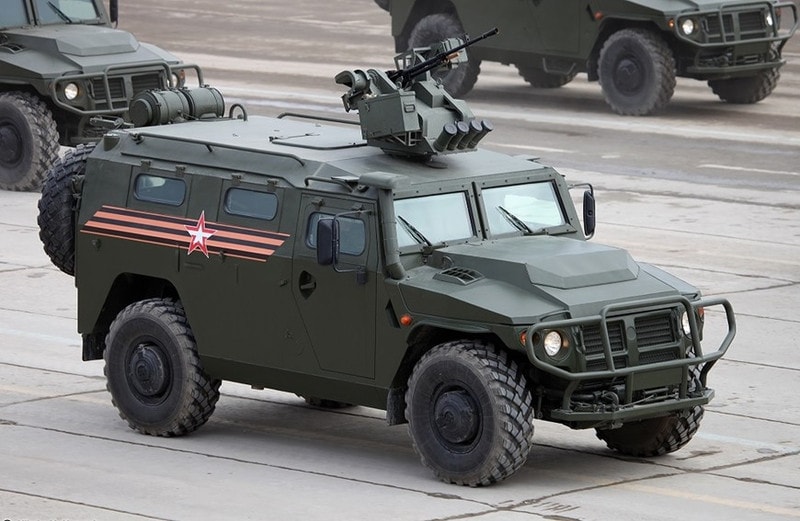
US highlights Russian logistical weaknesses: lubricants, tires.
The Guardian: US targets chemicals for lubricants and military tires; difficult to replace, essential; Russia has almost no domestic capacity, according to the Dekleptocracy group.
According to The Guardian, the United States has identified a little-noticed but potentially significant target for sanctions targeting Russia's military logistics capabilities: chemicals used in lubricants and military tires. The American analytical group Dekleptocracy argues that these measures could severely hinder Russian military operations, as they are difficult to replace and essential to Moscow's ability to wage war.
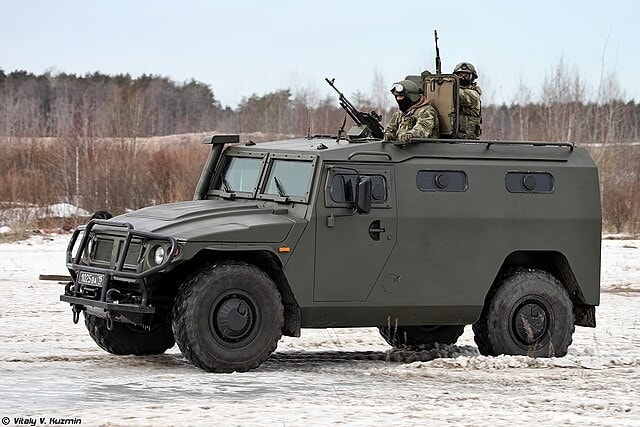
Overview of the findings
The publication stated that these are chemicals used in military lubricants and tires. Analysts noted that this represents a potential vulnerability that could cripple Russia's military apparatus.
The Guardian quoted the Dekleptocracy group as saying: "The American analytical group Dekleptocracy has identified a number of little-known but impactful sanctions that they believe could seriously hinder Russian military actions."
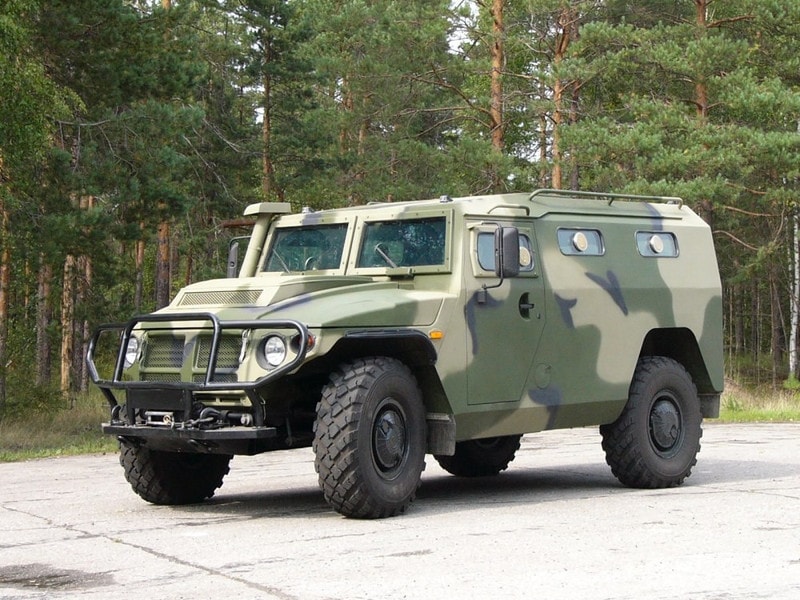
Technical and logistical aspects
The article highlights two key groups of supplies:
- These chemicals are used to manufacture lubricants for engines and transmissions.
- The chemicals needed to manufacture military tires include vulcanization accelerators.
The Guardian notes that these targets receive "less attention" than microchips or oil, but are difficult to replace and play a vital role in the operation of military vehicles.
Substitution capabilities and supply chains
The Guardian reports that only a handful of companies worldwide produce chemical additives for lubricants – that is, engine oil for tanks and cars. Regarding tires, "The Decleptocracy group also found that Russia has virtually no domestic capacity to produce vulcanization accelerators and other substances necessary for the production of military tires."
The article emphasizes: "However, they are very difficult to replace and play a vital role in Moscow's ability to wage war."
Operational and tactical consequences
According to The Guardian, this weakness lies in the technical logistics layer – which depends on a continuous supply of additives and specialized substances. Analysts note that this is a vulnerability that could cripple Russia's military machine if tightened.
- Sanctioned targets receive less attention, and therefore have a higher chance of evading previous scrutiny compared to "hot" sectors like microchips or oil.
- When supplies are disrupted, maintaining the technical readiness of military vehicles can be affected, according to an assessment cited by The Guardian.
Policy outlook
The newspaper stated that these chemicals could become central to upcoming adjustments to sanctions policy, as "politicians in the US, UK and EU" could fully exploit the aforementioned weaknesses.
Key points to note
- Target of sanctions: Chemicals used in lubricants and military tires.
- Impact: Difficult to replace, could seriously hinder Russian military action (according to Dekleptocracy, The Guardian).
- Supply chain: Only a handful of global companies manufacture additives for lubricants.
- Domestic capabilities: Russia has almost no capacity to produce vulcanization accelerators and other components necessary for military tires.
- Policy outlook: This could be fully utilized by the United States, the United Kingdom, and the EU in the near future.