
US-Russia-China negotiate nuclear arms control.
Russia, the United States, and China are discussing a new nuclear arms treaty in Geneva, Switzerland.
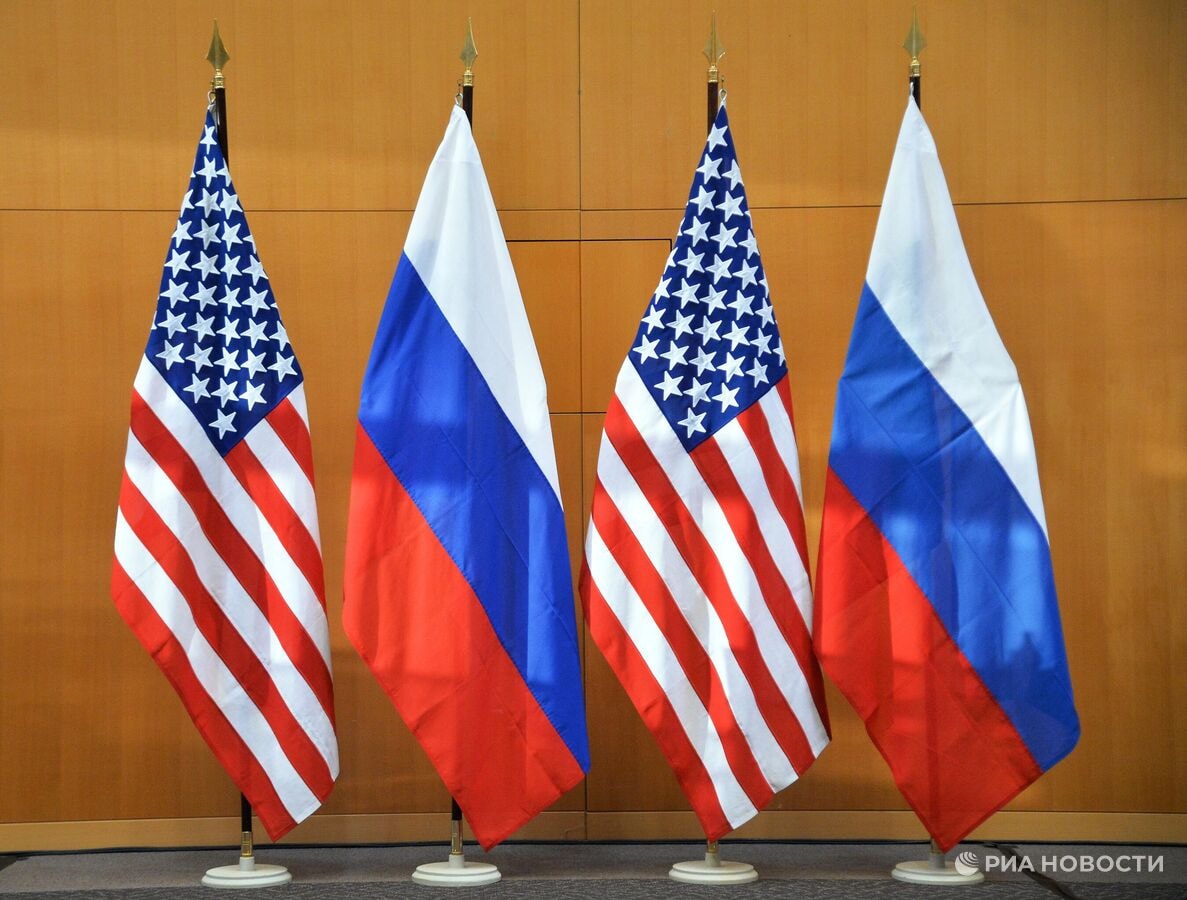
According to Reuters, a senior US government official confirmed that representatives from Washington met directly with delegations from Russia and China in Zurich, Switzerland, on February 23 to discuss nuclear arms control and strategic risk reduction. This was a rare effort involving all three of the world's largest nuclear powers, amid ongoing high geopolitical tensions.
Reuters reported, citing sources from the U.S. State Department, that the discussions focused on three main pillars: Transparency in weapons stockpiles. The U.S. continues to push China to disclose its rapid expansion of its nuclear arsenal. For Russia, the goal is to restore certain provisions of the New START Treaty, which had been previously suspended.
The parties discussed establishing "red zone" rules, ensuring that humans, not artificial intelligence (AI), always retain ultimate control over nuclear weapons launch decisions.
A preliminary agreement was reached on providing advance notice to each other regarding intercontinental ballistic missile (ICBM) test launches to avoid misunderstandings that could lead to unintended conflict.
On the US side, led by Assistant Secretary of State for Arms Control Mallory Stewart, the delegation emphasized that "maintaining open channels of communication is not a privilege, but a responsibility for global stability."
On the Chinese side, the Beijing delegation maintained a cautious stance, asserting that the major powers with the largest arsenals, namely the US and Russia, must bear primary responsibility for reductions before requiring other countries to join multilateral treaties.
On the Russian side, Moscow expressed its willingness to discuss the matter but conditioned it on the fact that any talks on strategic stability must include consideration of the "broader security context," including NATO's presence in Eastern Europe.
Russian Foreign Minister Sergei Lavrov said that Russia is ready to discuss security issues within the framework of the strategic stability dialogue and expects the same from other countries.
Although the meeting did not immediately result in a signed treaty, analysts considered it a "small victory" for diplomacy. With the New START Treaty set to expire completely in 2026, the return of the parties to the negotiating table is a positive sign in preventing an uncontrolled nuclear arms race.
In the coming period, the parties have agreed to establish a "technical working group" to further review the details of the missile test announcement and anticipate a higher-level meeting in the summer of 2026 in Vienna, Austria.


