
The US is striving to expand production of the SM-6 missile in the face of hypersonic challenges.
The U.S. Department of Defense is implementing a long-term plan to upgrade industrial infrastructure to increase production of SM-6 interceptor missiles, in response to threats from Russia and China.
The US is accelerating plans to expand production of the SM-6 missile to bolster its defenses against hypersonic weapons such as the Kinzhal and Zircon. This is a strategic move given that these high-tech weapons are significantly altering the balance of offensive and defensive capabilities on the modern battlefield.
The urgency of a multi-layered defense strategy.
Hypersonic missiles, with their extremely high speeds and flexible flight paths, have posed a serious challenge to traditional defense systems. In this context, the SM-6 is considered one of the few existing solutions capable of effectively countering these threats.
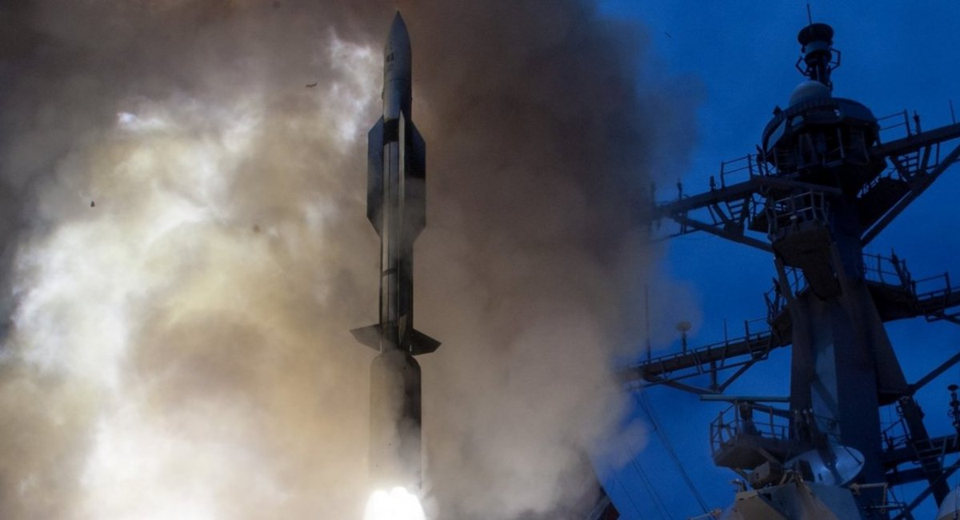
The U.S. Navy has identified securing a stable supply of SM-6 missiles as a top priority. This missile not only plays a role in air defense but is also a core component of the U.S. multi-layered defense architecture on land and at sea.
Investing in infrastructure to remove production bottlenecks.
The U.S. Department of Defense has just announced a revised $29.2 million contract with Raytheon. This funding is focused on developing specialized tools and equipment and preparing the infrastructure for expanding the production line, rather than directly purchasing missiles.
Notably, this preparation phase is expected to last until September 30, 2028. This timeline reflects the reality that expanding the production of high-tech weapons is a long-term process requiring strategic patience and cannot be solved immediately with budget allocations.
Analyzing the multi-role combat capabilities of the SM-6
The SM-6 (Standard Missile 6) boasts impressive technical specifications, allowing it to perform a variety of roles on the battlefield. The missile reaches a cruising speed of over Mach 3.5 (approximately 4,000 km/h) and has a maximum interception altitude of 33 km. The system utilizes an active radar seeker, enabling it to accurately locate and track its target in the final stage.
- Range:The Block IA version achieves a range of over 240 km; the Block IB version can be extended to up to 370 km.
- Mission:Traditional air defense involves intercepting ballistic missiles in their terminal phase, destroying cruise missiles, and countering hypersonic weapons.
- Launch platform:Compatible with the Mk 41 vertical launch system on warships and mobile ground-based systems.
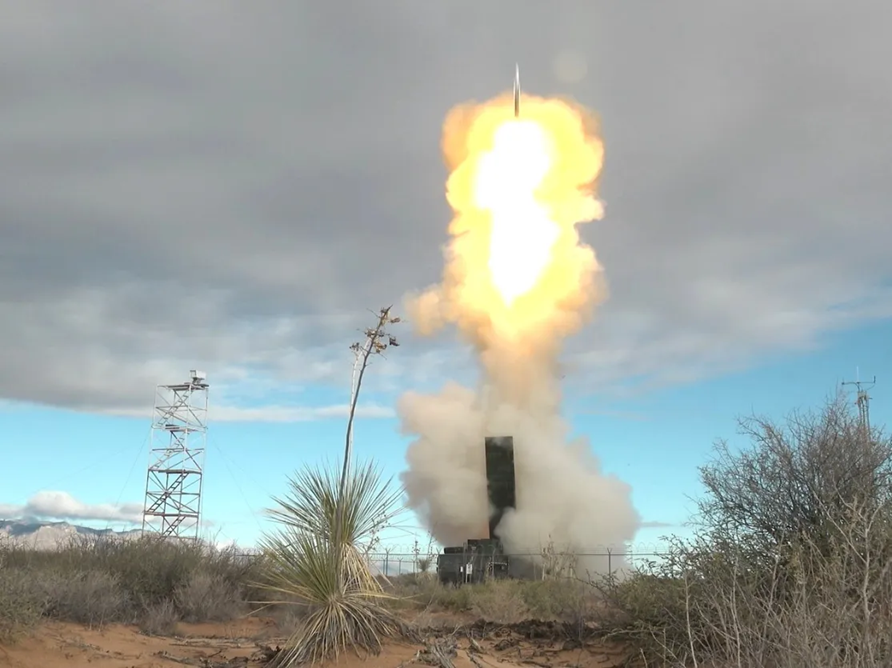
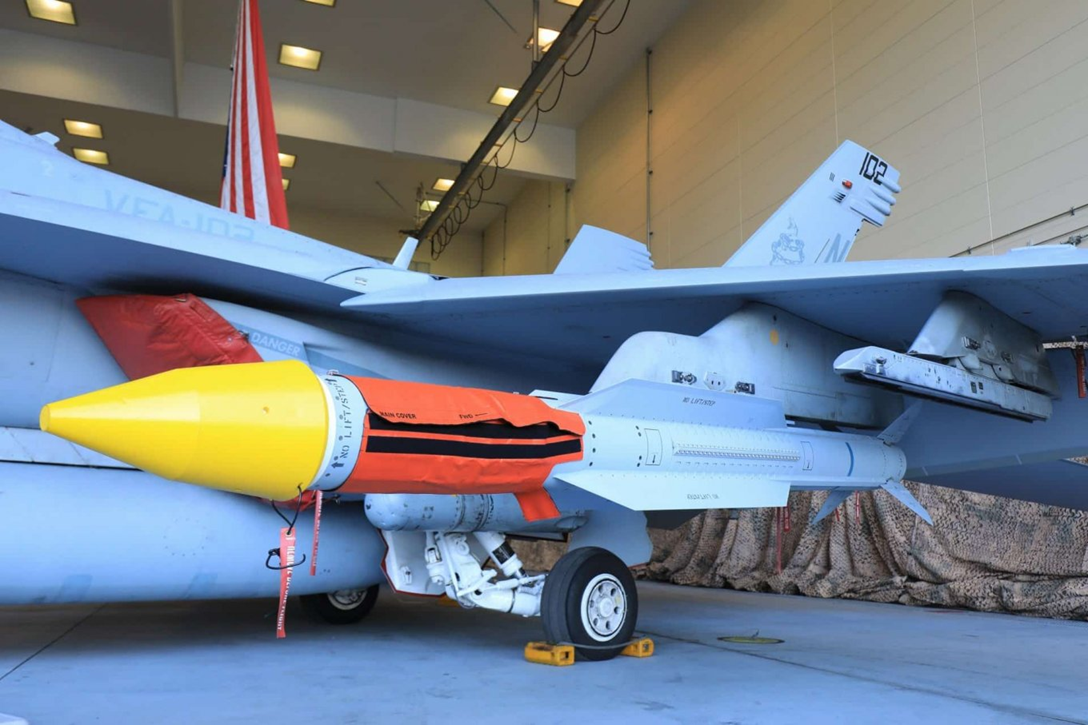
Currently, the demand for SM-6 is rapidly increasing as the US Army deploys the Typhon system on land. In addition, the air-launched variant, the AIM-174B, has been integrated into the F/A-18 Super Hornet fighter jet, allowing it to engage targets at distances exceeding 300 km.
Cost and supply chain challenges
Despite being a superior weapon, the SM-6 still faces economic and time challenges. Each missile costs up to $17 million depending on the configuration. More importantly, the production process from contract signing to delivery takes 33 to 36 months.
This situation demonstrates that technical barriers and global supply chains are insurmountable challenges in the short term. Expanding SM-6 production is not just about a single weapon, but about an effort to restore America's defense industry capabilities in the face of the strong rise of potential adversaries.


