
US lockdown of Hormuz: 3 facilities and the line between reality and reality.
Despite President Donald Trump's tough rhetoric, will the US blockade of Iran actually stop all ships as warned?
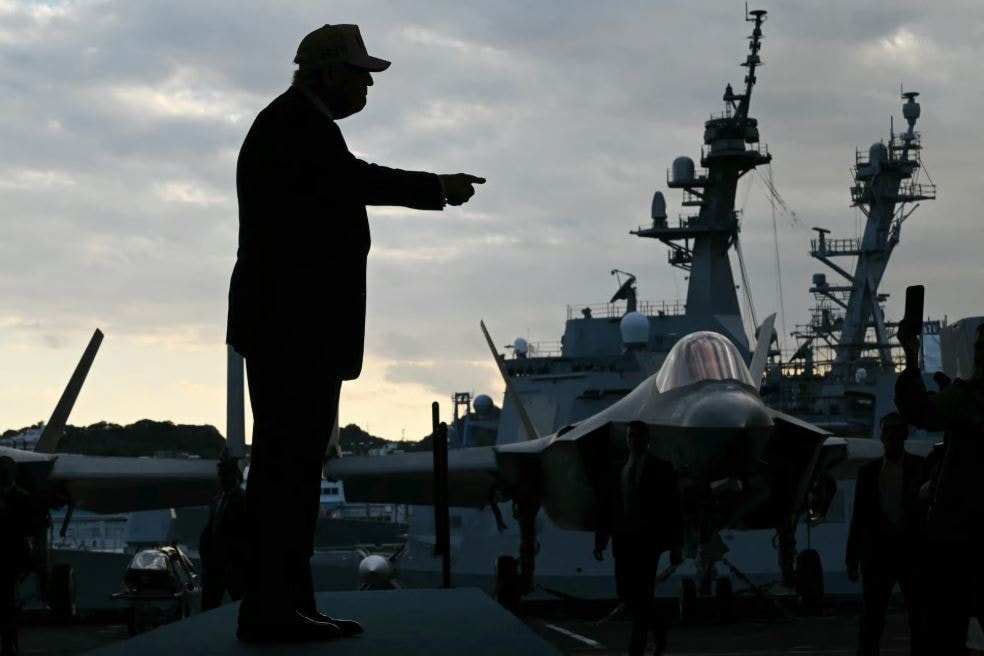
US blockade of Hormuz: The line between declaration and reality.
President Donald Trump warned that the U.S. Navy would "begin the process of blockading all ships attempting to enter or leave the Strait of Hormuz." However, according to Politico, this actual action is governed by centuries-old rules of naval warfare.
The White House's statement on April 12th called for a suspension of all maritime traffic. This immediately raised concerns about the risk of clashes with other powers that have ships in the region, such as China. However, in reality, the US Navy is imposing a much more limited blockade. This move shows they are strictly adhering to the laws of maritime warfare.
The nature of lockdown orders
According to Politico, a blockade is essentially an act of war against another country. Its goal is to cut off trade and commerce to and from the targeted ports.
Professor Wolff Heintschel von Heinegg, an expert on maritime blockade law at the European University Viadrina (Frankfurt, Germany), commented:"A blockade is like drawing a line. Ships are told not to cross that line, whether coming from inside or outside."
Phillip Drew, a former legal advisor to the Canadian Navy, further explains:"No ships are allowed to enter, no ships are allowed to leave, regardless of their nationality."
If ships violate the blockade, it doesn't necessarily mean they will be sunk. According to expert von Heinegg, sinking only occurs if the ship resists the interception, and this is always a last resort. However, "the ship could be seized, and the blockade forces would take control of it."
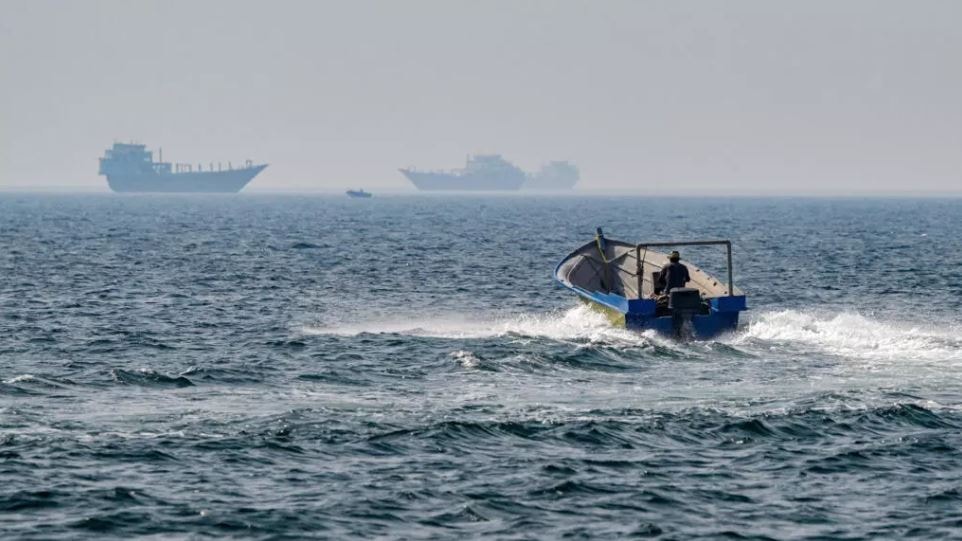
Tensions are high in the Strait of Hormuz.
The US action comes after peace talks with Iran stalled over the weekend, with the reopening of the Strait of Hormuz reportedly being the most contentious point of contention.
In retaliation for the attacks by the US and Israel, Iran closed the strait to most ships. As a result, hundreds of ships are stranded in the Persian Gulf.
Although President Trump had called on the U.S. Navy to "search for and intercept any ships in international waters that have paid Iran," the actual U.S. campaign was much narrower.
The U.S. Central Command (Centcom) clarified in an official statement: "The blockade will be enforced impartially against ships of all nations entering or leaving Iranian ports and coastal areas."
This distinction was clearly demonstrated on April 14th. A Chinese-owned oil tanker named Rich Starry passed through the Strait of Hormuz, after leaving the United Arab Emirates (UAE), without being intercepted by the US Navy.
Beijing, a massive importer of crude oil from the Gulf region, has strongly criticized the US blockade of Iran, calling it a "dangerous and irresponsible" act.
On the evening of April 15, Centcom stated that no ships had broken through the blockade to reach or leave Iranian ports since April 13. The force confirmed that it had forced 10 vessels to turn back.
This US campaign aims to maximize pressure on the Iranian government, amid Tehran's firm refusal to meet Trump's conditions for ending the war. However, this operation carries significant risks. Intercepting ships and boats could ignite diplomatic tensions with other nations and put US warships at risk of counterattacks by Iranian forces.
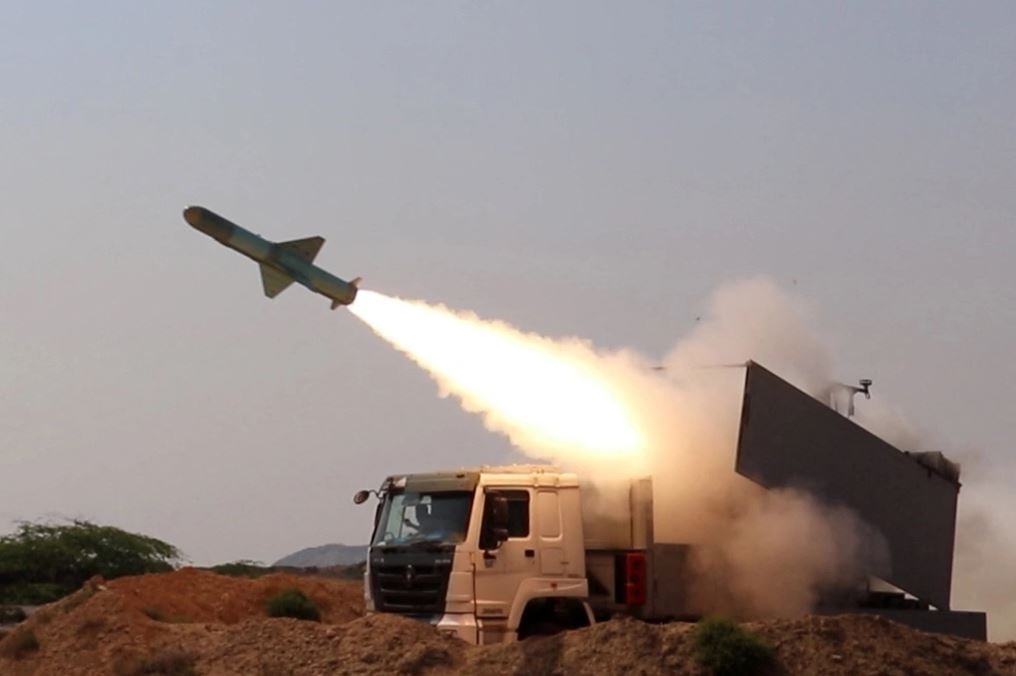
3 locations the US could use to blockade Hormuz.
Politico argues that for a naval blockade to have solid legal validity, the US must meet three tests of international law:
Issue an official statement.
A lockdown order must be announced transparently. The US has followed this procedure.
Countries and forces operating at sea must be clearly informed of the area of application and the start time. Centcom stated that notifications have been broadcast on Channel 16 – the 24/7 international maritime radio frequency for distress and safety calls. This is to ensure that ships and vessels have sufficient time to leave before the official blockade takes effect.
Effective in practice
Phillip Drew, a former legal advisor to the Canadian Navy, stated: "You can't just declare a blockade and then not deploy any forces."
Professor Von Heinegg further explained: "Effectiveness means that, in practice, the blockade force must be capable of preventing ships from crossing the boundary." He noted that this does not require the navy to capture 100% of every ship. However, there must be a realistic probability that ships attempting to break the blockade will inevitably be intercepted.
Politico reports that currently, more than a dozen US warships are present in the area. This force includes ships carrying Marine Corps units professionally trained to conduct amphibious landing operations against enemy ships.
Apply fairness
The blockade order must not have exceptions. Andrew Clapham, a professor of international law at the Geneva Graduate Institute, asserted: "It must be implemented without discrimination. As long as they block every ship, they can't say, 'If you're from China, you can pass, but everyone else can't.'"
Although the US Navy claims it is only preventing ships from departing from Iranian ports, experts believe Washington still has legal grounds to detain ships that pay fees to Tehran. This assessment comes from James Kraska, professor of international maritime law at the US Naval War College and visiting professor at Harvard Law School.
Politico reports that international maritime law prohibits countries from charging fees to ships passing through straits used for international navigation.


