
The US is complicating negotiations by blocking Iranian ports.
The reinstatement of the US maritime embargo against Iran is expected to add weight to negotiations. However, international observers warn that the US blockade of Iranian ports will only erode strategic trust.
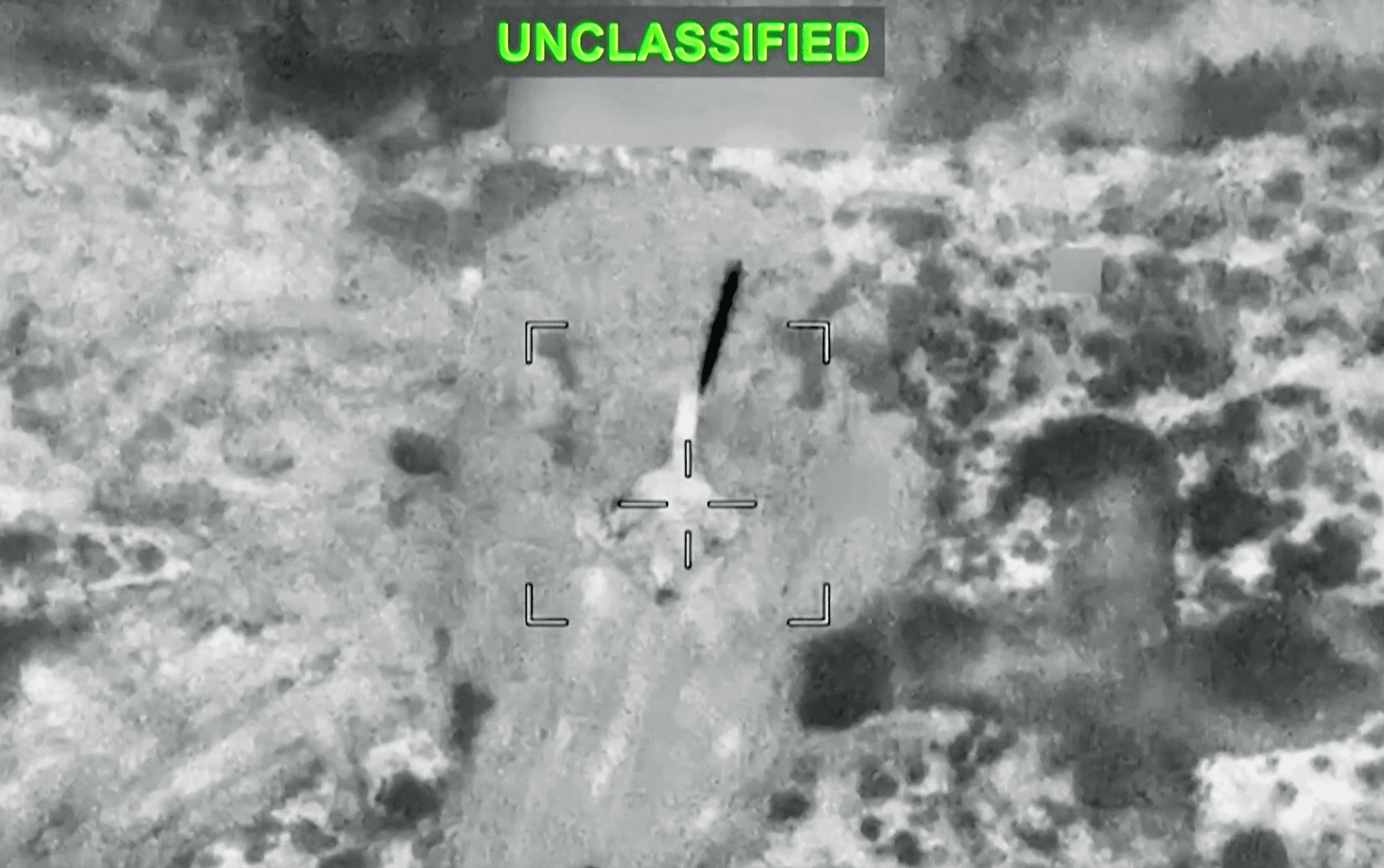
According to the TASS news agency.On July 15, Zhu Yongbiao, Director of the Institute of Politics and International Relations at Lanzhou University, stated that the US move risks making the diplomatic process more difficult than ever. The core reason for this new wave of conflict is the serious lack of strategic trust between Washington and Tehran. Both are at an impasse. In particular, the US appears dissatisfied with the few advantages gained from previous rounds of negotiations.
In recent times, Washington has continuously escalated the scale of its airstrikes against Iran. It has even openly threatened to attack the other side's nuclear facilities. According to Zhu Yongbiao, these actions are a tool of "maximum pressure" aimed at gaining the upper hand in future discussions. Ultimately, the two countries will have to return to the diplomatic table. However, this "game of cat and mouse on the brink of war" will undoubtedly turn into a protracted and exhausting confrontation.
The cycle of armed conflict interspersed with diplomatic negotiations will continue. This situation makes any hope of peacefully de-escalating tensions extremely slim. This follows the US Central Command (CENTCOM) officially resuming its lockdown on July 14th.
Meanwhile, on Tehran's side, the Iranian Islamic Revolutionary Guard Corps declared on July 15 that attacks on US bases would continue until Tehran's final victory. According to AFP, the force stated that it had targeted what it described as command and control, logistics, fuel, and military equipment facilities belonging to the US Fifth Fleet in Bahrain.
Professor Liu Zhongmin from Shanghai Foreign Language University offers a more nuanced analytical perspective. He assesses targeting the Strait of Hormuz as a highly strategic move. This decision clearly reflects Washington's dilemma between military escalation and diplomatic appeasement.
This is not simply a tool to pressure Iran or other countries in the region. More importantly, the US wants to consolidate its dominant position in establishing maritime rules here. As a result, the bilateral confrontation risks taking a new and more complex turn.


