
US reviews forces in Europe, NATO faces significant pressure.
US Defense Secretary Pete Hegseth announced to NATO that the Pentagon will conduct a comprehensive review of its military presence in Europe over the next six months. This move aims to pressure allies to strengthen their self-defense capabilities, amid Washington's dissatisfaction with Europe's response to the war in Iran.
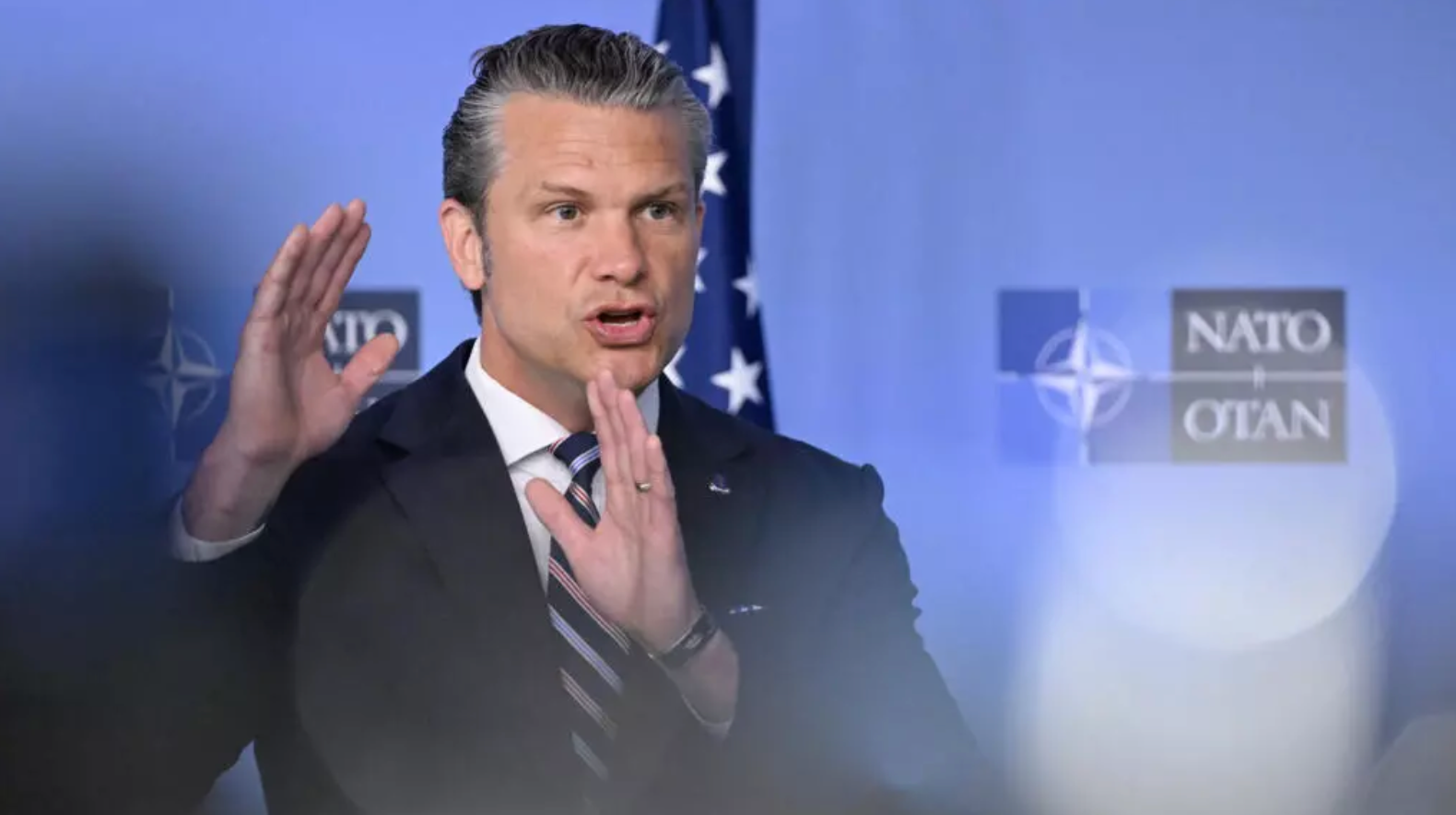
According to AFP, speaking at the NATO defense ministers' meeting in Brussels on June 18, Minister Hegseth emphasized: "This will be a substantive review. Its goal is to ensure that NATO moves rapidly and irreversibly toward a European-led scenario, assuming primary responsibility for its own defense."
The head of the Pentagon warned: "In this test, some countries will fail, but others will pass with outstanding results."
In response to the reactions of some European countries in the Iran conflict, including the imposition of restrictions on the US military, Hegseth said the review aimed to ensure that "US access, bases, and airspace jurisdiction are clearly defined and secured."
"That is shameful. These allies have put American children in danger. There is no justification for that," Hegseth stated emphatically.
Washington is increasing pressure ahead of next month's NATO summit to force allies to fulfill their commitment to significantly increase defense spending made last year.
Hegseth warned that the U.S. contribution to NATO's operating costs — approximately $790 million by 2026 — would "depend entirely" on whether allies meet their spending targets. "If allies don't act urgently, our contributions will decrease," he asserted.
The warning from the head of the Pentagon—a figure who had initially shown a conciliatory attitude—has poured cold water on NATO allies, who are concerned about America's commitment to defending Europe. Earlier, US President Donald Trump had also sharply criticized European allies for their response to his war in Iran.
Nevertheless, observers had hoped that the peace agreement between the US and Tehran could help NATO set aside its differences before the alliance leaders met in Türkiye. However, Hegseth noted: "It seems that many allied capitals still haven't fully grasped the message."
He added that President Trump "has put allies to the test of their support for America when asked for help, and too many nations have failed." Despite the strong language, the US Secretary of Defense acknowledged the efforts of many NATO members in strengthening their defenses and affirmed that progress is moving in a positive direction.


