
US reduces troop levels in the Middle East, Iran issues stern warning.
The US has begun withdrawing personnel from key military bases in the Middle East as a precautionary measure against the risk of conflict. Meanwhile, Iran has sent a stern warning to its neighbors that it will attack US bases if Washington takes military action.
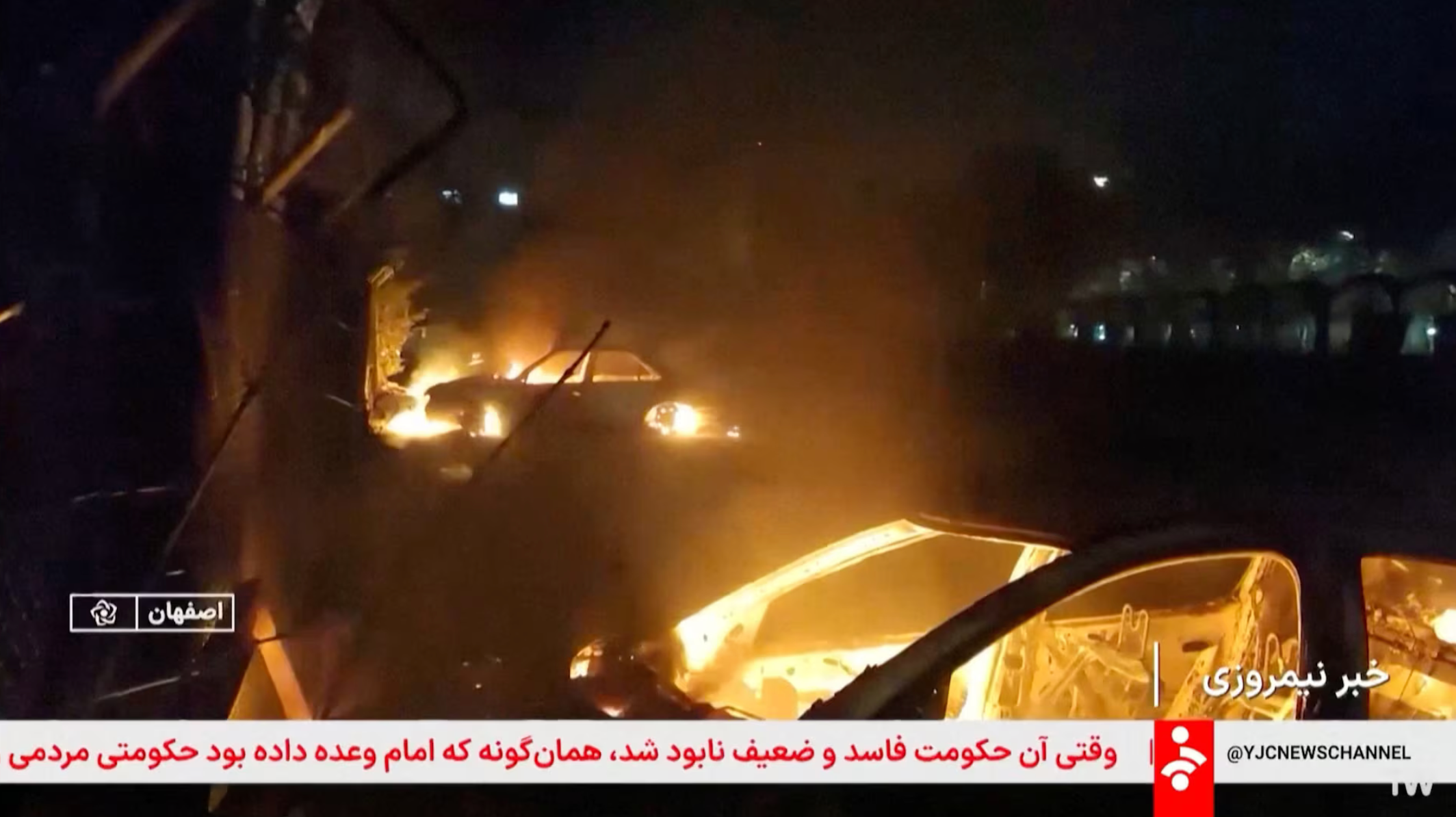
The US is preparing scenarios, while the West is predicting an "imminent attack."
On January 14 (local time), an unnamed US official told Reuters that Washington is withdrawing some personnel from bases in the Middle East amid escalating regional tensions. This move comes shortly after a senior Iranian official stated that Tehran had warned its neighbors that it would target US bases located in those countries if Washington launched an attack.
The Qatari government confirmed that a troop withdrawal is underway at Al Udeid Air Base – the largest US base in the Middle East – in response to the current tense situation. Diplomatic sources said that while there were no signs of a mass troop evacuation, some personnel had been ordered to leave. British media also reported that the UK was withdrawing some personnel from its air base in Qatar amid the possibility of US airstrikes.
A Western military official stated: "All signs point to an impending American attack, but this could also be a way for the Washington administration to maintain pressure. Unpredictability is part of their strategy."
Two European officials believe that US military intervention could occur within the next 24 hours. Meanwhile, Israel assesses that US President Donald Trump appears to have decided to intervene, although the scale and timing remain unclear.
Iran warns its neighbors.
Facing its most serious domestic instability since 1979, Tehran is seeking to deter threats of external interference.
A senior Iranian official revealed that Tehran has sent a clear message to US allies in the region: "Tehran has informed countries in the region, from Saudi Arabia and the UAE to Türkiye, that US bases in these countries will be attacked if the US targets Iran."
Reportedly, direct communication channels between Iranian Foreign Minister Abbas Araqchi and US Special Envoy Steve Witkoff have been suspended.
At the White House, President Donald Trump stated that he was adopting a "wait-and-see" approach to the crisis. However, the White House occupant did not rule out the possibility of military action. Earlier, in an interview, he had threatened "very strong action" if the situation in Iran deteriorated.
The wave of unrest in Iran began two weeks ago, stemming from protests against the country's struggling economy, and quickly escalated. A Western official noted that, although the scale of the events caught the authorities by surprise, Iran's security apparatus is still in control.
The Iranian government accused the US and Israel of instigating the unrest. The Chief of Staff of the Iranian Armed Forces, Abdolrahim Mousavi, declared that the country "has never faced such a level of destruction" and blamed foreign hostile forces.
In an effort to stabilize the situation, Iranian state media reported that the country's foreign minister had telephone conversations with his counterparts in Qatar, the UAE, and Türkiye, asserting that "calm prevailed."


