
The US will cut approximately 200 personnel at NATO.
According to sources from Reuters and the Washington Post, the administration of President Donald Trump has notified European capitals of its plan to cut approximately 200 personnel positions at NATO command centers.
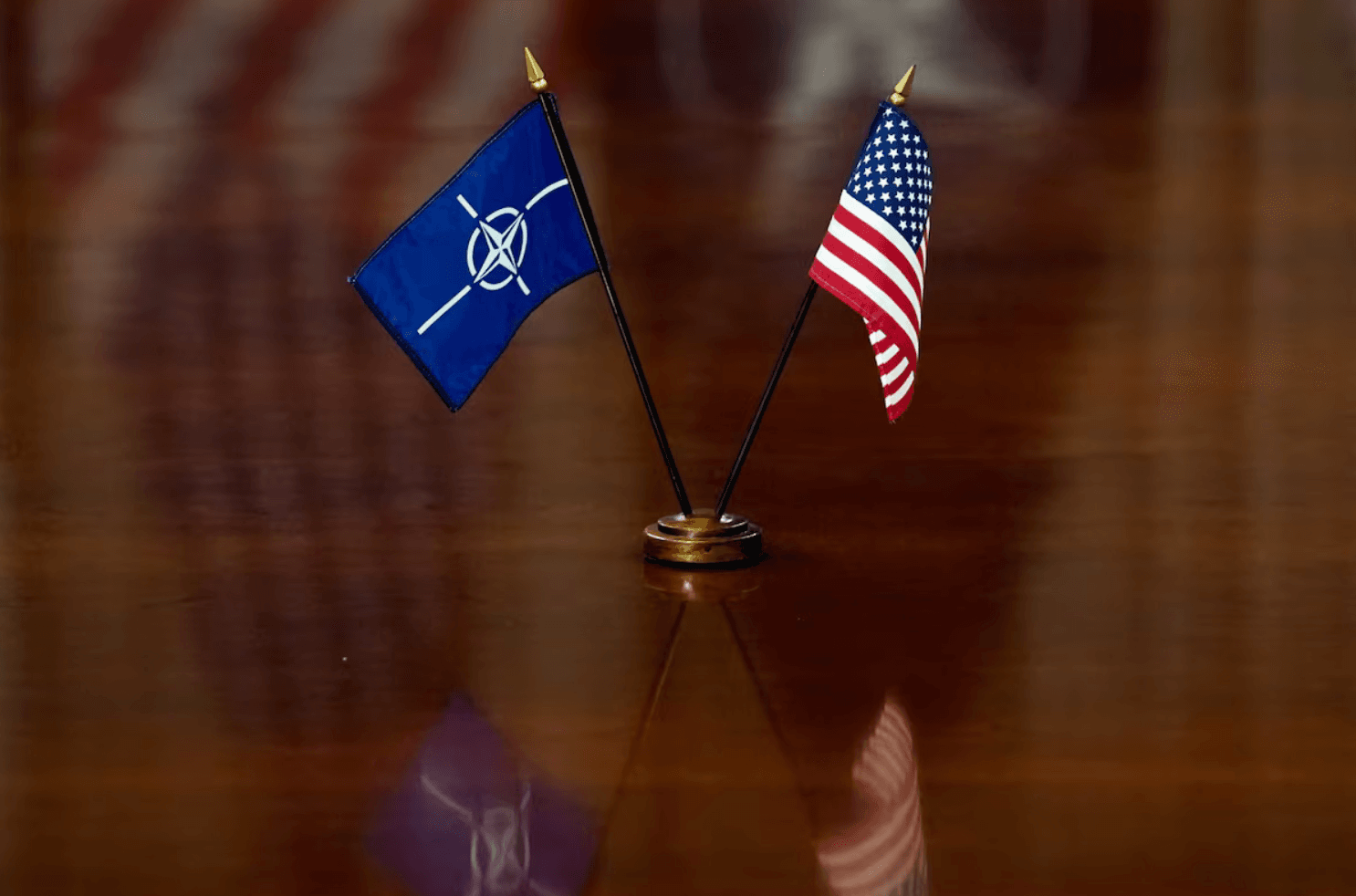
These are the units responsible for overseeing and planning the alliance's military and intelligence operations. Units directly affected include: the NATO Intelligence Integration Centre (located in the UK); the Allied Task Force Command (in Brussels, Belgium); and the NATO Naval Strike and Support Force - STRIKFORNATO (in Portugal)...
Notably, these cuts represent nearly half of the approximately 400 American personnel currently working at the affected units. Instead of immediate recalls, the U.S. will implement a "no replacement" approach: positions left vacant after personnel complete their terms will not be filled.
Observers believe this move aligns with the Trump administration's stated goal: shifting more military resources to the Western Hemisphere.
Earlier, in early December 2025, the Pentagon told diplomats that Europe must take on the majority of its conventional defense capabilities – from intelligence to missiles – by the 2027 deadline. A recently released key U.S. national security document also emphasized prioritizing military resources in the region near U.S. territory, raising serious questions about whether Europe remains a "top priority" in Washington's global strategy.
The decision to cut personnel comes at a time when NATO is experiencing one of the most tense diplomatic periods in its 77-year history. The relationship between the US and its European allies is constantly being tested by a number of factors. These include President Trump's renewed efforts to acquire Greenland from Denmark, which has met with fierce opposition from Copenhagen and across Europe. In addition, Washington is threatening to impose tariffs on several NATO countries starting February 1st in an effort to exert pressure regarding Greenland's sovereignty.
On social media, President Trump even shared content that portrayed NATO as a "threat" to the US, while downplaying the role of other major powers as counterweights.
In response to the above information, a NATO official attempted to reassure the public by stating that the personnel changes in the US were "normal" and that the US presence in Europe remains higher than in previous years (around 80,000 troops, mainly in Germany).
"NATO and U.S. authorities remain in close contact to ensure the alliance maintains a strong deterrent and defensive capability," he said.
Meanwhile, the White House and the Pentagon have yet to issue an official comment.


