
The US will send missile defense systems and deploy troops to Israel.
The U.S. announced on October 13 (local time) that it would send troops and advanced missile defense systems to Israel, in an unusual move aimed at bolstering Israel's air defenses following missile attacks from Iran.
US President Joe Biden declared the move was aimed at "protecting Israel," which is considering retaliation against Iran after Tehran fired more than 180 missiles at Israel on October 1st.
According to officials, the U.S. has discreetly urged Israel to adjust its response to avoid provoking a wider war in the Middle East. Biden has publicly spoken out against an Israeli attack on Iranian nuclear facilities and expressed concern about attacks on Iran's energy infrastructure.
Pentagon spokesman Major General Patrick Ryder described the deployment as part of "larger adjustments that the U.S. military has made in recent months" to support Israel and protect U.S. personnel from attacks by Iran and Iranian-backed groups.
However, deployments of U.S. troops to Israel are rare except for exercises, given Israel's already strong military capabilities. In recent months, the U.S. military has supported Israel's defenses in the Middle East with warships and fighter jets during attacks from Iran, although these forces are based outside Israeli territory.
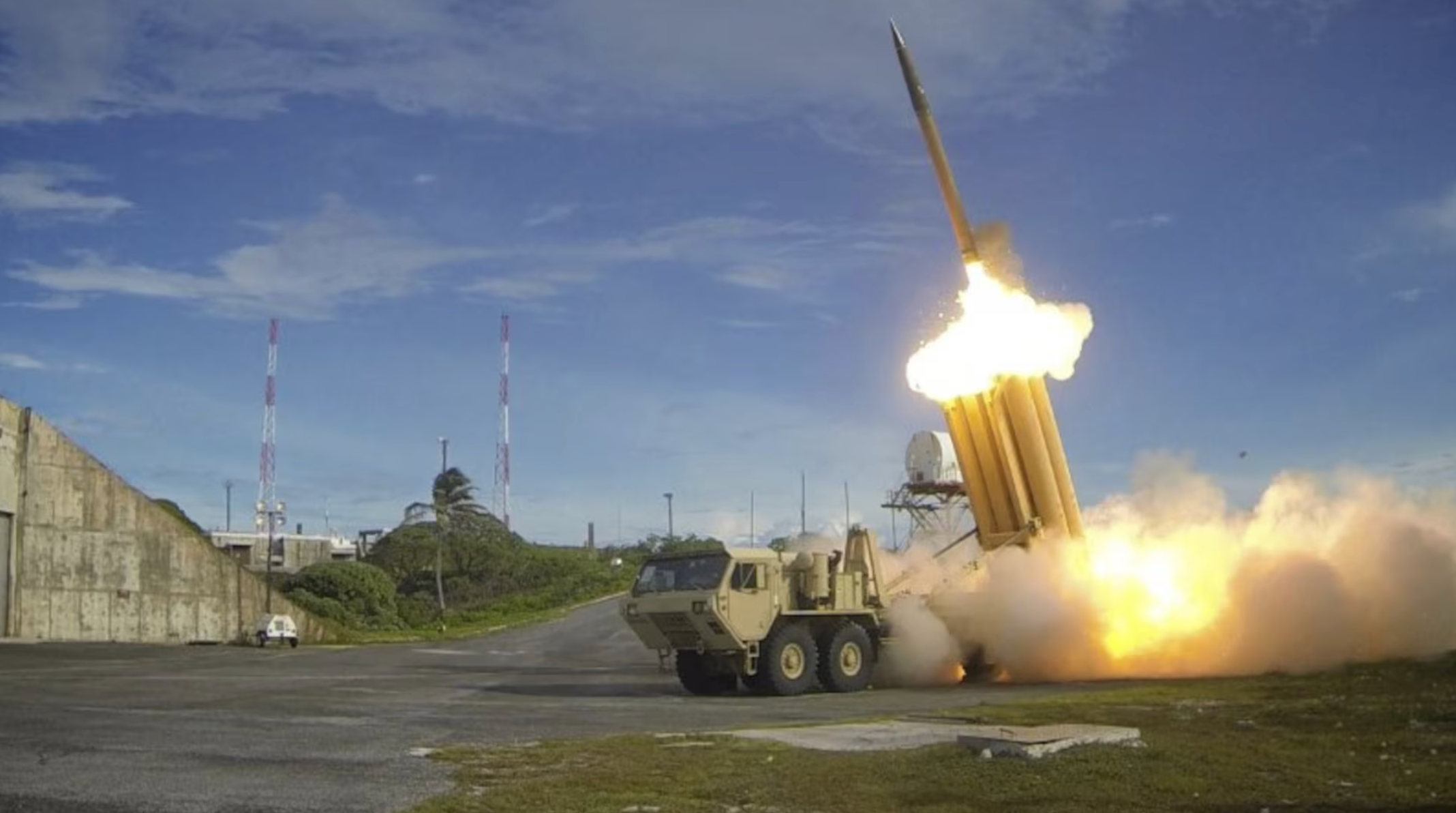
The Terminal High Altitude Area Defense (THAAD) system is a crucial part of the U.S. military's multi-layered air defense systems and further enhances Israel's already formidable missile defense system.
A THAAD battery, typically requiring around 100 soldiers to operate, includes six truck-mounted launchers with eight interceptor missiles on each, along with a powerful radar.
Iranian Foreign Minister Abbas Araqchi warned on October 13 that the US was "putting its soldiers in danger" by deploying troops to operate missile systems in Israel.
Foreign Minister Araqchi posted on X (formerly Twitter): "While we have made great efforts in recent days to prevent a full-scale war in the region, I want to make it clear that we have no red lines when it comes to protecting our people and interests."
However, experts suggest that Iran has been trying to avoid a direct war with the US, and the deployment of US forces to Israel is another factor in its calculations.
Iran launched missiles and drones at Israel in April. Then, on October 1st, Iran launched more than 180 ballistic missiles at Israel amid escalating tensions between Israel and Hezbollah, an Iranian-backed force in Lebanon. Many missiles were intercepted in mid-air, but some still managed to penetrate defense systems.
U.S. officials did not say how quickly the system would be deployed to Israel. The Pentagon said THAAD was deployed to southern Israel for exercises in 2019, the most recent and only time the system has been there to date.
Lockheed Martin, the largest US arms manufacturer, builds and integrates the THAAD system, which is designed to shoot down short-, medium-, and long-range ballistic missiles. Raytheon, part of the RTX group, manufactures the system's advanced radar.


