
The US used bunker-busting bombs to attack Iran's underground missile sites.
The US military deployed 900 kg armor-piercing bombs to attack Iran's underground weapons infrastructure on March 10, marking the most intense bombing raid since the start of the conflict.
On March 10, the US military launched a series of large-scale airstrikes targeting Iranian weapons production facilities and underground missile depots. This was confirmed to be the most intense attack since hostilities broke out on February 28.
Tactics involving the use of heavy penetrating bombs.
White House Press Secretary Karoline Leavitt said U.S. forces used approximately 900-kilogram bunker-busting bombs to directly strike fortified targets. According to Leavitt's statement, the objective of the operation was to dismantle Tehran's missile production infrastructure.
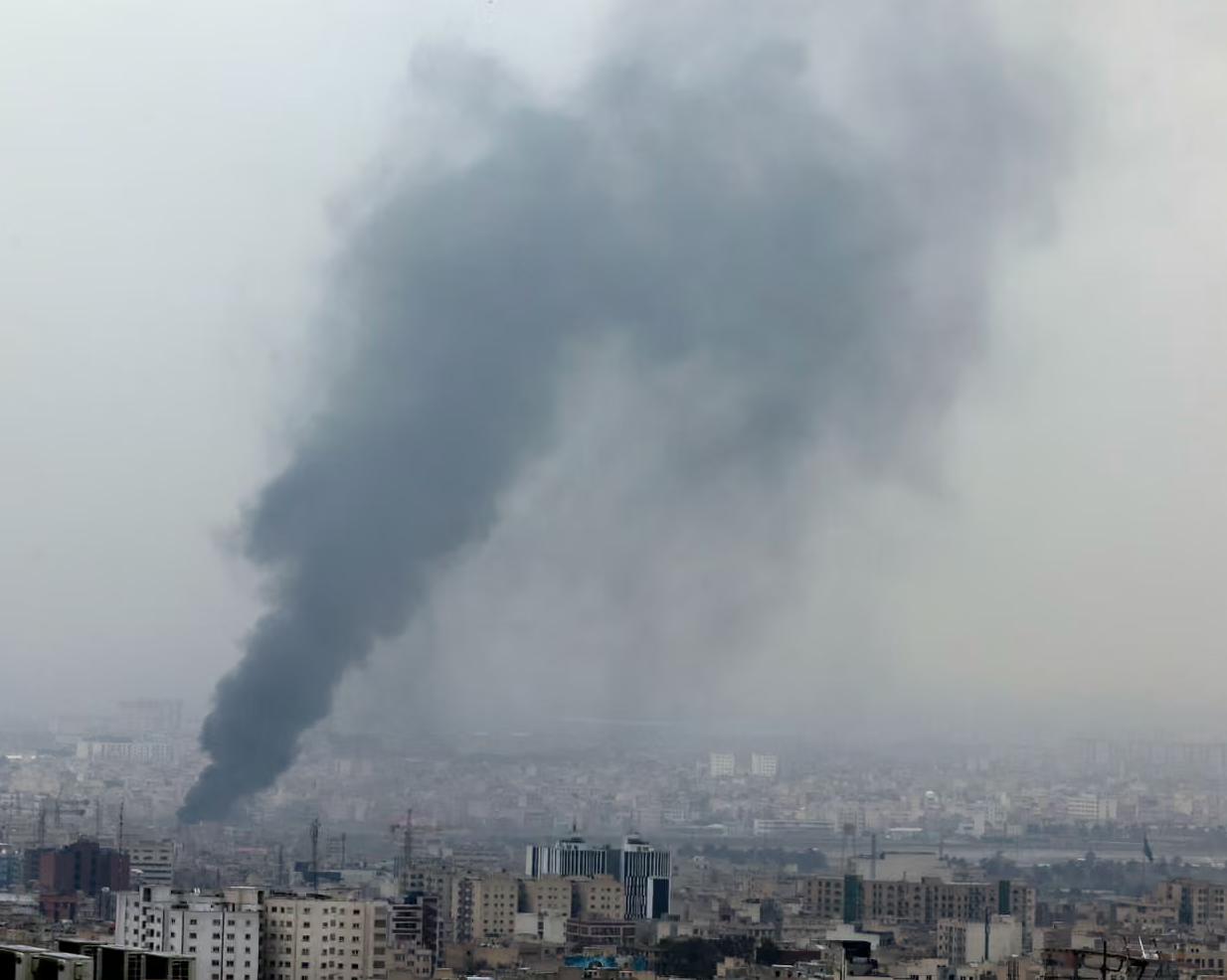
US Defense Secretary Pete Hegseth confirmed that successfully neutralizing the enemy's air defense system has allowed the military to switch to direct bombing from aircraft instead of launching long-range missiles. This method optimizes the ability to destroy underground military facilities.
Fighting in the Strait of Hormuz
Alongside the airstrikes, tensions also flared up on the maritime front in the Strait of Hormuz. Citing US intelligence sources, Iran deployed small mine-laying vessels to blockade international oil shipping lanes. In response, President Donald Trump announced that US forces had destroyed Iranian mine-laying ships.
The US Central Command (CENTCOM) subsequently announced that a total of 16 Iranian mine-laying vessels had been neutralized. In the face of continued military pressure, Ali Larijani, Secretary of Iran's Supreme National Security Council, declared that the country was not concerned by the threats and affirmed that the strength of the Iranian nation could not be destroyed.
Reinforce the bomber force in the UK.
In terms of alliance coordination, the US military continues to increase its presence at bases in the UK. Three more B-1B bombers have landed at RAF Fairford, bringing the total number of bombers stationed there to a quarter of the US global fleet.
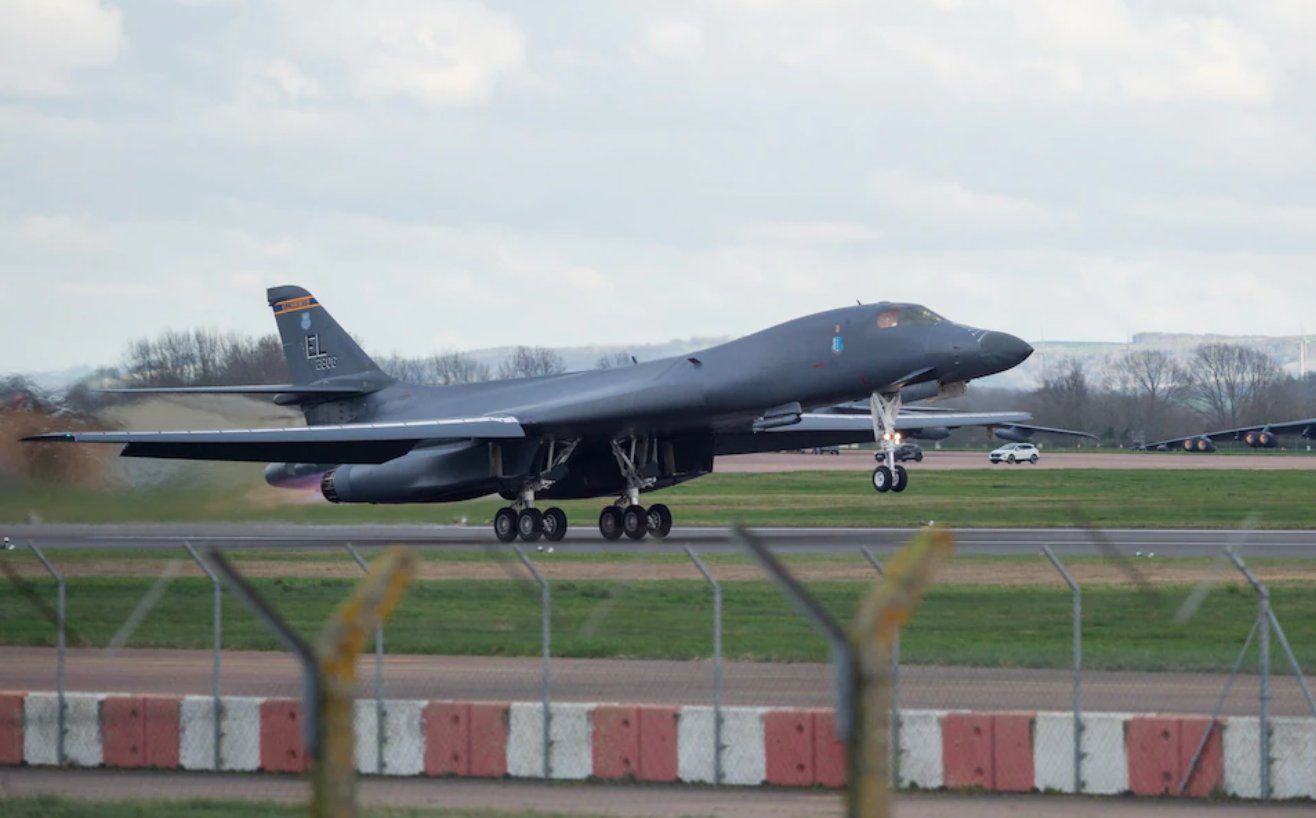
On the same day, US Secretary of State Marco Rubio and British Foreign Secretary Yvette Cooper held a phone call to agree on maintaining close coordination in the Middle East. However, the British Ministry of Defence declined to confirm whether B-2 stealth bombers participated in the airstrikes from bases on the Chagos Islands.


