
The US declares the end of Operation "Fury Fury" against Iran.
Washington has declared the completion of its military offensive against Tehran, but US officials continue to issue stern warnings of a potentially "devastating" response if international shipping lanes remain threatened. Meanwhile, the international community is increasing diplomatic pressure to de-escalate the Middle East tensions.
Stop attacking but maintain combat readiness.
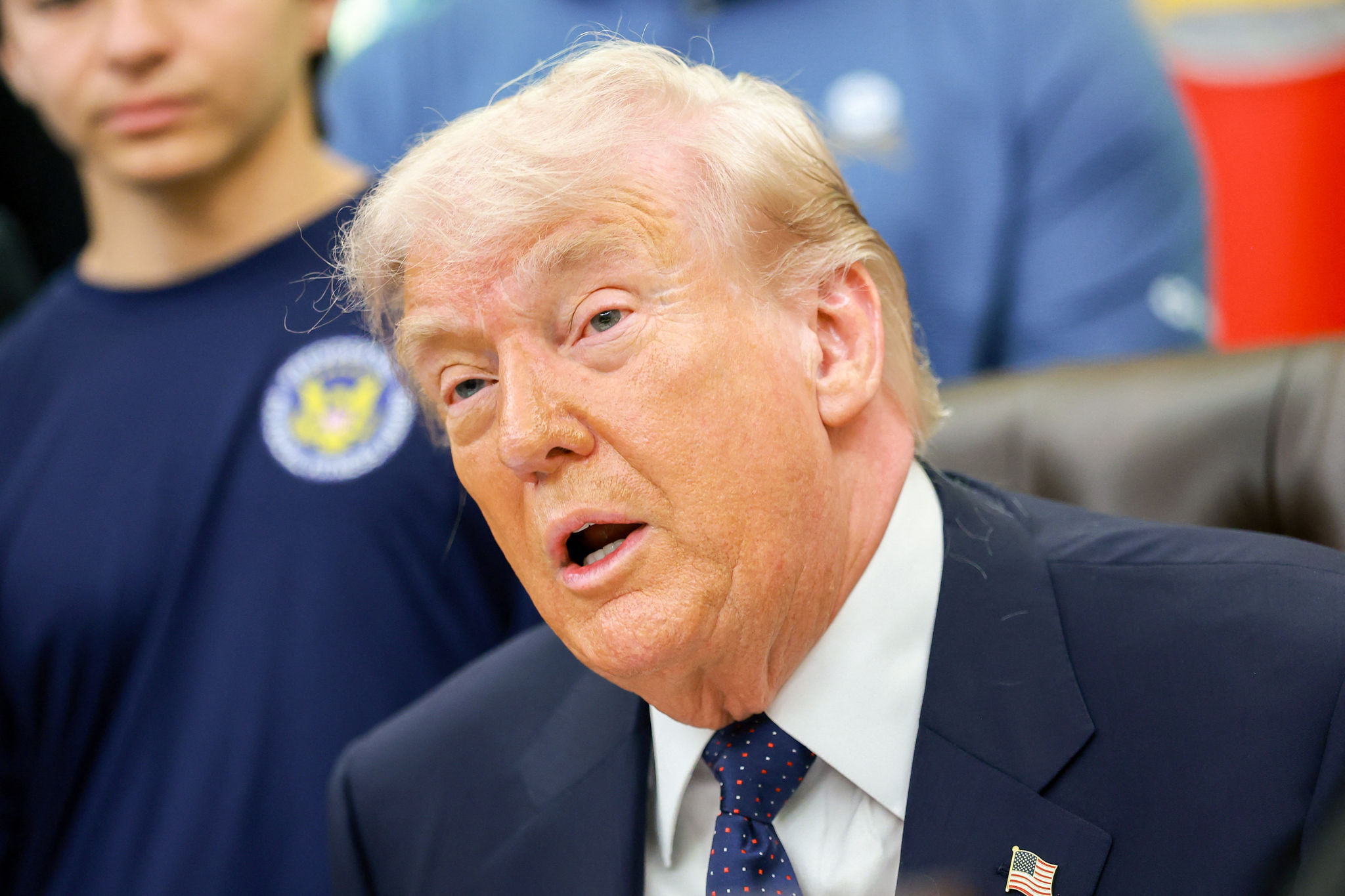
U.S. Secretary of State Marco Rubio announced on May 5 (local time) that the U.S. had completed its offensive operations against Iran. Speaking to reporters at the White House, Rubio confirmed that the offensive phase of the military operation, codenamed "Epic Fury," had ended, and stated that the U.S. President had informed Congress of this.
However, Washington also warned it was ready to retaliate "decisively" against any new attacks on shipping through the Strait of Hormuz. General Dan Caine affirmed that the U.S. Central Command remains "ready to resume major combat operations... if ordered," while emphasizing that adversaries should not mistake the current restraint of the U.S. for a lack of resolve. U.S. Defense Secretary Pete Hegseth also declared that Washington "is not seeking a war" but warned that attacks would be met with "overwhelming and devastating" force.
Regarding efforts at the United Nations, Secretary of State Rubio accused Iran of "holding the world economy hostage" and said the U.S. and its Gulf allies had drafted a Security Council resolution. This resolution demands that Tehran cease attacks, disclose the locations of its mines, end strait tolls, and support a humanitarian corridor.
On the White House side, President Donald Trump has called on Iran to act "wisely" and reach an agreement. He affirmed that he does not want to kill more Iranians, even though he had previously called the conflict "a small skirmish" and said Iran "has no chance."
According to AFP, in an effort to reach an agreement to end the conflict with Iran, US President Donald Trump announced the suspension of the military operation to escort commercial ships through the Strait of Hormuz, just 24 hours after its deployment.
President Trump confirmed that Washington is temporarily suspending military operations to escort ships through the vital waterway of the Strait of Hormuz. This "de-escalation" decision was made very quickly, just one day after the operation officially began, with the clear goal of promoting an agreement to end the war in the Middle East.
Posting on his personal social media platform Truth Social, the White House occupant stated: "Project Freedom (the operation to move ships through the Strait of Hormuz) will be temporarily suspended to see if an agreement can be finalized and signed."
This latest move by Trump is seen by observers as a tactical gesture of goodwill. It comes shortly after Washington announced the completion of its military offensive against Tehran, indicating that the US is prioritizing creating space for diplomatic efforts and maintaining the fragile ceasefire, rather than continuing direct military pressure at sea.

Tensions in the Strait of Hormuz and international diplomatic efforts.
Despite the fragile ceasefire that has lasted for weeks, clashes along the vital waterway still risk reigniting hostilities.
The Iranian Revolutionary Guard's naval forces recently warned they would "respond decisively" if ships deviated from their approved routes through the Strait of Hormuz.
Meanwhile, Iranian President Masoud Pezeshkian said Tehran remains open to dialogue but rejects any demands in the form of "maximum pressure" from the US.
Iranian Parliament Speaker Mohammad Bagher Ghalibaf warned that the "harmful" US presence would diminish and vowed to maintain control of the strait.
The situation became more complicated as the parties continuously made conflicting accusations. The UAE asserted that its Fujairah energy center had been attacked, calling it "a dangerous escalation."
The Indian government has condemned the drone attack on an energy facility in the UAE that injured three Indian citizens.
However, the Iranian military has vehemently denied any missile or drone activity targeting the Gulf nation in recent days.
South Korea said it would "reconsider its stance" on participating in U.S. operations in the Strait of Hormuz, following an alleged Iranian attack on one of its ships.
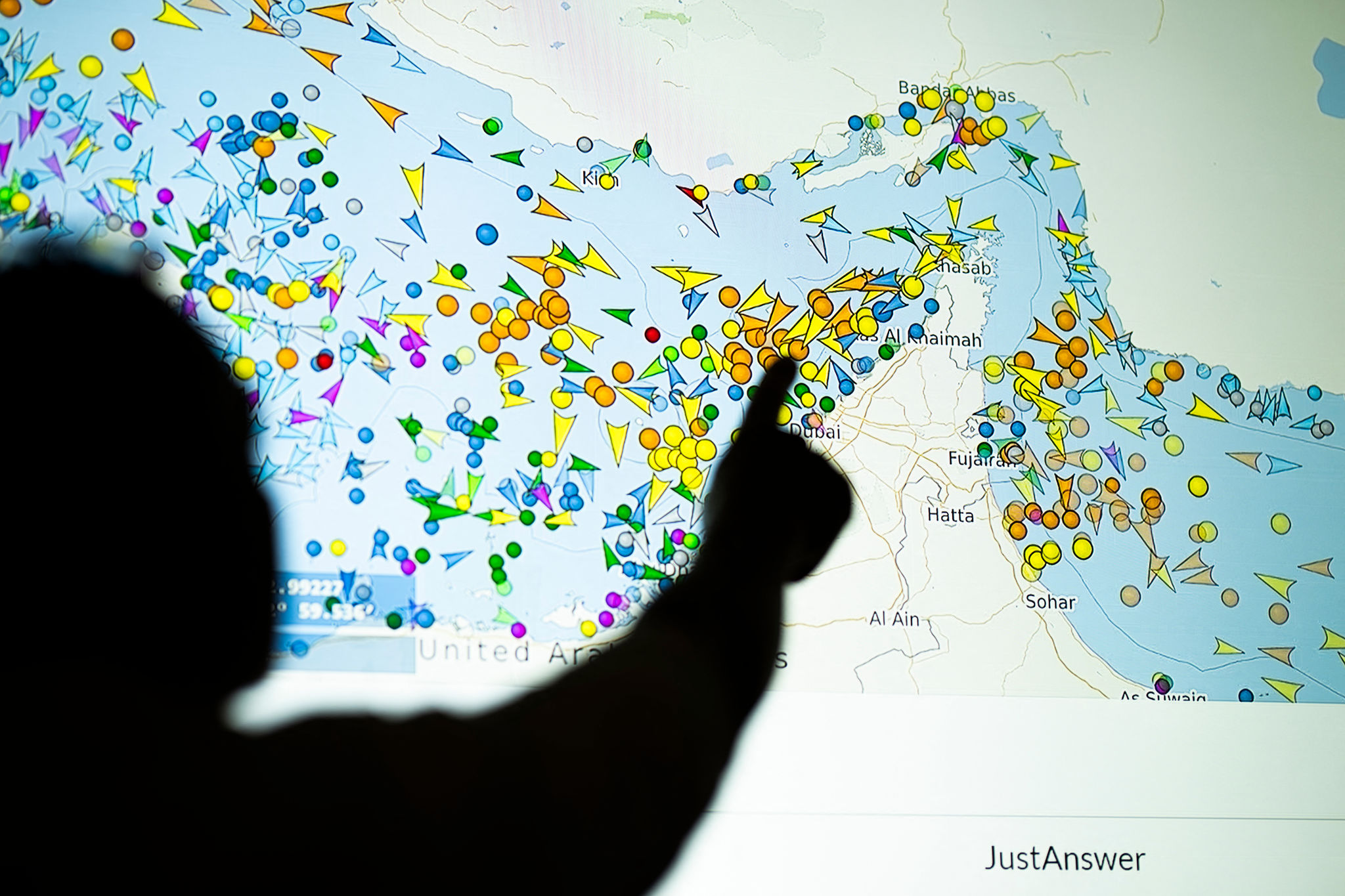
Amidst heightened tensions, Danish shipping giant Maersk announced that one of its ships had safely and incidentally transited the Strait of Hormuz under the escort of the US Navy.
The international community is urgently stepping up diplomatic efforts. French President Emmanuel Macron is expected to have a phone call with his Iranian counterpart Masoud Pezeshkian, while German Chancellor Friedrich Merz and British Prime Minister Keir Starmer have both called on Iran to return to the negotiating table.
During his visit to Bahrain, Ukrainian President Volodymyr Zelensky also offered to share security expertise to help the country combat drone threats.
In addition, FIFA has invited the Iranian Football Federation (FFIRI) to its headquarters to discuss the possibility of the Iranian national team participating in this year's World Cup.


