
The US and Iran threaten to resume conflict ahead of the expiration of their ceasefire.
The two-week ceasefire between the US and Iran is entering its final hours. With the next round of talks in Pakistan still up in the air, both Washington and Tehran have issued stern warnings about the possibility of renewed conflict. Disruptions in the Strait of Hormuz and economic sanctions are driving up global oil prices, while the repercussions of the war continue to cast a dark shadow over the entire region.
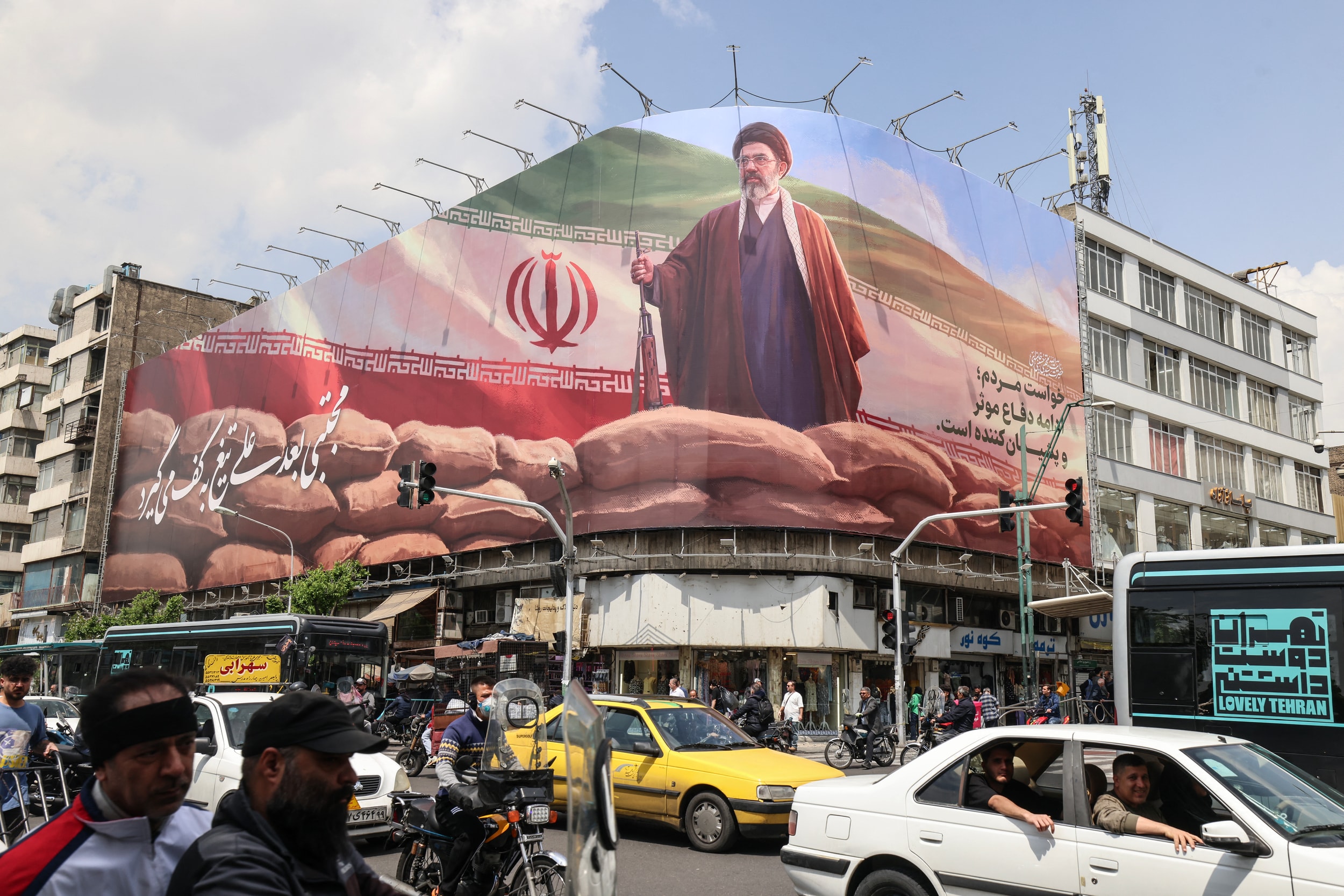
Negotiations are at a standstill, and military threats are imminent.
The confrontation between the US and Iran is at a dangerous crossroads as the planned ceasefire is set to expire on the night of April 21 (Tehran time). Although the White House confirmed that the US delegation – led by Vice President JD Vance, along with negotiators Jared Kushner and Steve Witkoff – will arrive in Islamabad, Pakistan, "soon" to begin the second round of talks, Iran has so far refused to confirm its participation.
Tehran accuses Washington of violating the ceasefire agreement by maintaining a blockade of Iranian seaports and seizing cargo ships. Iranian Parliament Speaker Mohammad Bagher Ghalibaf, who previously led the negotiating delegation in Pakistan, issued strong statements.
By imposing a blockade and violating the ceasefire, Trump wants to turn these negotiations into a surrender table or a pretext for resuming hostilities. We do not accept negotiations under the shadow of threats. Over the past two weeks, Iran has been preparing to deploy new "cards" on the battlefield.
The Speaker of the Iranian Parliament, Mohammad Bagher Ghalibaf
Conversely, US President Donald Trump also remained resolute. He asserted that the US would not lift the blockade of Iranian ports until Tehran accepted a comprehensive peace agreement, including concessions on its controversial nuclear program. According to Trump, the blockade is costing Iran $500 million a day – a figure that "cannot be sustained even in the short term." He also warned that if the ceasefire expires without an agreement, "a lot of bombs will start falling."
Furthermore, the issue of handling Tehran's enriched uranium stockpile is becoming a major sticking point. Although Washington claims Iran has agreed to hand over the stockpile, the Iranian Foreign Ministry has completely denied this, asserting that the transfer of uranium "was never offered as an option" at the negotiating table.
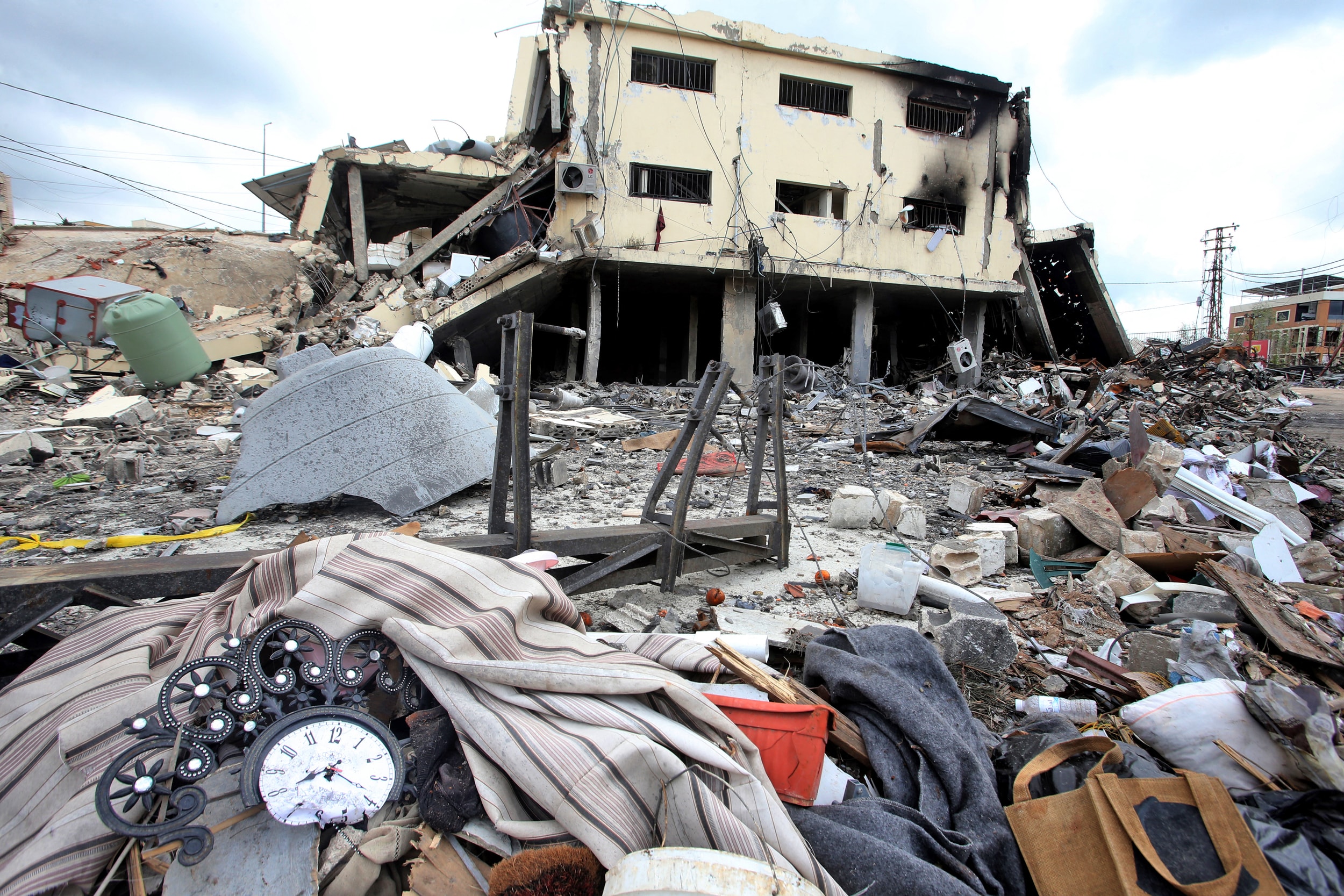
Global repercussions and intertwined developments in the Middle East
The risk of direct military conflict between the US and Iran is not confined to the region but is creating significant repercussions for the global economy. Iran's closure of the Strait of Hormuz last weekend and the US Navy's firing on and seizure of an Iranian cargo ship just outside this vital waterway have sent energy markets reeling.
World oil prices surged by nearly 6% in early trading this week. Brent crude reached $94 per barrel, while WTI crude rose to $86 per barrel. This situation forced the Dutch government to urgently allocate more than 950 million euros (approximately $1.1 billion) to support businesses and individuals in coping with the skyrocketing fuel prices since the war broke out.
The international community is expressing deep concern. French President Emmanuel Macron called the blockade of the Strait of Hormuz by both the US and Iran a "mistake from both sides." Meanwhile, Chinese President Xi Jinping, in a phone call with Saudi Crown Prince Mohammed bin Salman, emphasized the need to maintain "normal traffic" through the strait and called for a swift resumption of negotiations. The Russian government also urged the US and Iran to extend the ceasefire to create space for diplomatic efforts.
In a related development, the situation between Israel and Lebanon is also attracting attention. According to statistics from the Lebanese government, Israeli attacks over the past six weeks have killed at least 2,387 people. Although a separate ceasefire has been established between Israel and Hezbollah forces, sporadic violence continues. A prime example is the recent Israeli drone strike on the town of Qaqaiyat al-Jisr.
On April 23, the United States is expected to mediate a new round of talks between Israel and Lebanon in Washington. Lebanese President Joseph Aoun affirmed that these talks are "completely independent" of the US-Iran negotiations, with the ultimate goal being to end the Israeli occupation of southern Lebanon. For his part, Hezbollah lawmaker Hassan Fadlallah declared that his group will continue its efforts to disrupt Israel's "Yellow Line" in the south, while still expressing a desire to maintain the ceasefire.


