
The US and Iran launched retaliatory attacks against each other following the downing of an Apache helicopter.
Tensions escalated in the Strait of Hormuz as the US launched retaliatory airstrikes after Iran shot down an Apache helicopter. Tehran immediately responded with missiles and drones.
On the morning of June 10th (local time), tensions escalated in the Strait of Hormuz following a series of retaliatory military actions between the United States and Iran. The incident stemmed from the downing of a US military Apache helicopter while on patrol, leading to attacks from Washington and retaliatory missile and drone strikes from Tehran.
US retaliates with airstrikes after Apache helicopter is shot down.
President Donald Trump confirmed that the U.S. military had carried out "very strong and decisive" attacks on Iranian targets. This decision came after Iran shot down a state-of-the-art U.S. Apache helicopter that was patrolling the Strait of Hormuz the previous night.
According to information from the US side, the helicopter was carrying two pilots. Fortunately, both were safe and unharmed after the incident. Mr. Trump emphasized the importance of responding immediately to attacks targeting US military equipment and personnel.
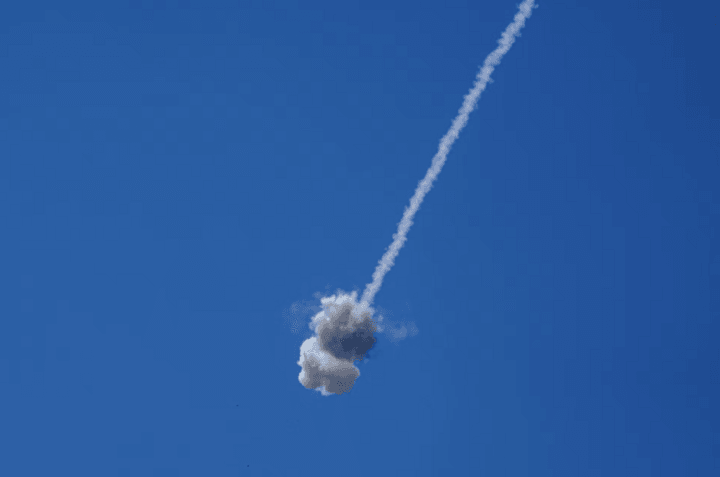
Iran deploys missiles and UAVs in retaliation.
Iran's Islamic Revolutionary Guard Corps (IRGC) said it launched missiles and drones targeting US targets in the region. Iran's semi-official Tasnim news agency reported that multiple explosions were heard in the cities of Sirik, Minab, and on the island of Qeshm.
However, the Mehr news agency later quoted the governor of Minab as clarifying that there had been no reports of a direct attack on the city. The explosions were reported to have originated from the coastal strip bordering the Strait of Hormuz, not from the city center. This development suggests that military activity is primarily concentrated at strategic locations along this vital waterway.
Warning of further confrontations.
Iranian Foreign Minister Abbas Araghchi declared that any attack from the US would be met with a strong response. He affirmed that the Iranian armed forces would not allow any threat to go unanswered, and warned all parties involved to leave the conflict zone for their own safety.
Currently, the situation in the Strait of Hormuz remains highly alert. The cycle of retaliation between Washington and Tehran is pushing the region into a new phase of instability, threatening maritime security and geopolitical stability in the Gulf.


