
The US and Israel face the risk of running out of interceptor missiles in a conflict with Iran.
A report from RUSI warns that Arrow and THAAD missile stockpiles could be depleted within a month due to record consumption rates of over 11,000 units of ammunition in just 16 days.
According to the latest report from the Royal United Services Institute (RUSI), the US and Israel are facing a "spending abyss" as the conflict with Iran enters its 28th day. The analysis indicates that industrial production capacity and logistical resilience are becoming key factors shaping strategy, rather than solely relying on weapon performance on the battlefield.
The risk of depletion of strategic defense systems.
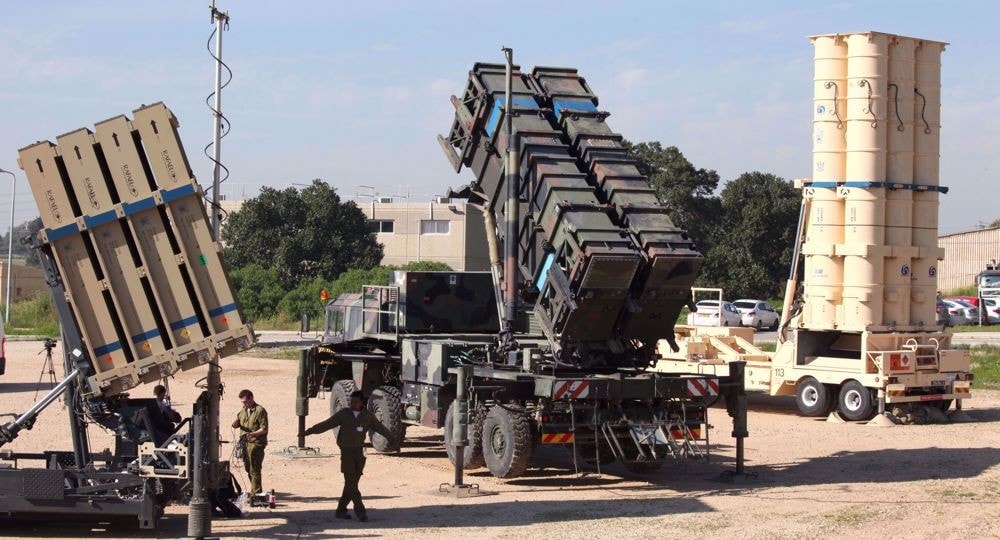
A report by RUSI indicates that Israel's stockpile of Arrow interceptor missiles could be completely depleted by the end of March. This threatens to severely weaken the country's outer-atmosphere defenses. Meanwhile, US forces are facing similar pressure with their Terminal High Altitude Area Defense (THAAD) system, which risks running out of stock within a month if the current intensity of combat operations remains unchanged.
The primary cause of this situation is the continuous frequency of attacks from Iran. Since the conflict broke out on February 28, an average of 33 ballistic missiles and 94 drones have been launched daily targeting coalition objectives.
Financial burden and technical pressure
In just the first 16 days of the war, the US-Israel alliance is estimated to have consumed approximately11,294 units of ammunitionwith total costs amounting to26 billion USDRUSI describes this as a situation where the rate of depletion far exceeds the actual replenishment capacity.
Notably, the damage to several radar systems during the fighting increased pressure on the air defense network. Units were forced to launch more interceptor missiles per target to ensure a higher probability of destruction, causing reserves to be depleted even more rapidly.
The challenge of reproduction spans many years.
The biggest challenge currently lies in the time it takes to reproduce high-tech weapons. It is estimated that replacing the used Arrow missiles could take 2-3 years, even with production lines operating at full capacity. Each Arrow-3 missile requires a complex manufacturing process, heavily dependent on specialized material supply chains and long-term industrial contracts.
Although Israel has denied the possibility of an immediate shortage, RUSI warns that the current rate of depletion is approaching structural limits. Without an effective resupply solution, even the most advanced defense systems risk degradation, creating vulnerabilities that missiles and drones can exploit to penetrate the defenses.
Intensity of attacks from Iran
On Tehran's side, its forces claimed to have carried out a total of 83 attacks as part of the operation codenamed "True Promise 4". These attacks involved a coordinated use of missiles and drones targeting various Israeli military and strategic targets, as well as US bases in the region.
The current conflict clearly reflects a trend in modern warfare: the resilience of an army lies not only in superior technology but also depends heavily on its defense industry production capabilities and its ability to maintain long-term logistical support.


