
The US and Israel face challenges from Iran's underground tunnel tactics and missile matrix.
Despite destroying 15,000 targets and gaining control of the skies, the US-Israel coalition has yet to completely dismantle Tehran's network of missile launchers hidden deep underground.
As part of Operation Epic Fury, the U.S. Air Force and Navy, along with their Israeli allies, established absolute air superiority over much of Iranian territory. With over 15,000 targets struck, Iran's nuclear infrastructure, air defense systems, and Islamic Revolutionary Guard Corps (IRGC) suffered significant losses. However, despite this record-breaking intensity of attack, Iran's counter-attack capabilities remain an unpredictable variable for Western strategists.
Achievements and limitations of saturation air strikes.
To date, the US-Israel alliance has successfully reduced the intensity of Iranian missile and UAV launches by 90-95%. Key command centers have been weakened, many launch platforms destroyed, and the most elite ballistic missile operators are being gradually depleted. Nevertheless, the NSJ notes that the true effectiveness of Tehran's "matrix" air defense strategy still leaves coalition pilots wary.
Matrix defense tactics and fortified underground bunkers
Despite suffering significant losses, a considerable portion of Iran's missile launchers remain intact thanks to their high mobility and "fire and run" tactics. Most of the missile and UAV production and launch facilities are hidden deep underground, inaccessible to conventional bombs and ammunition.
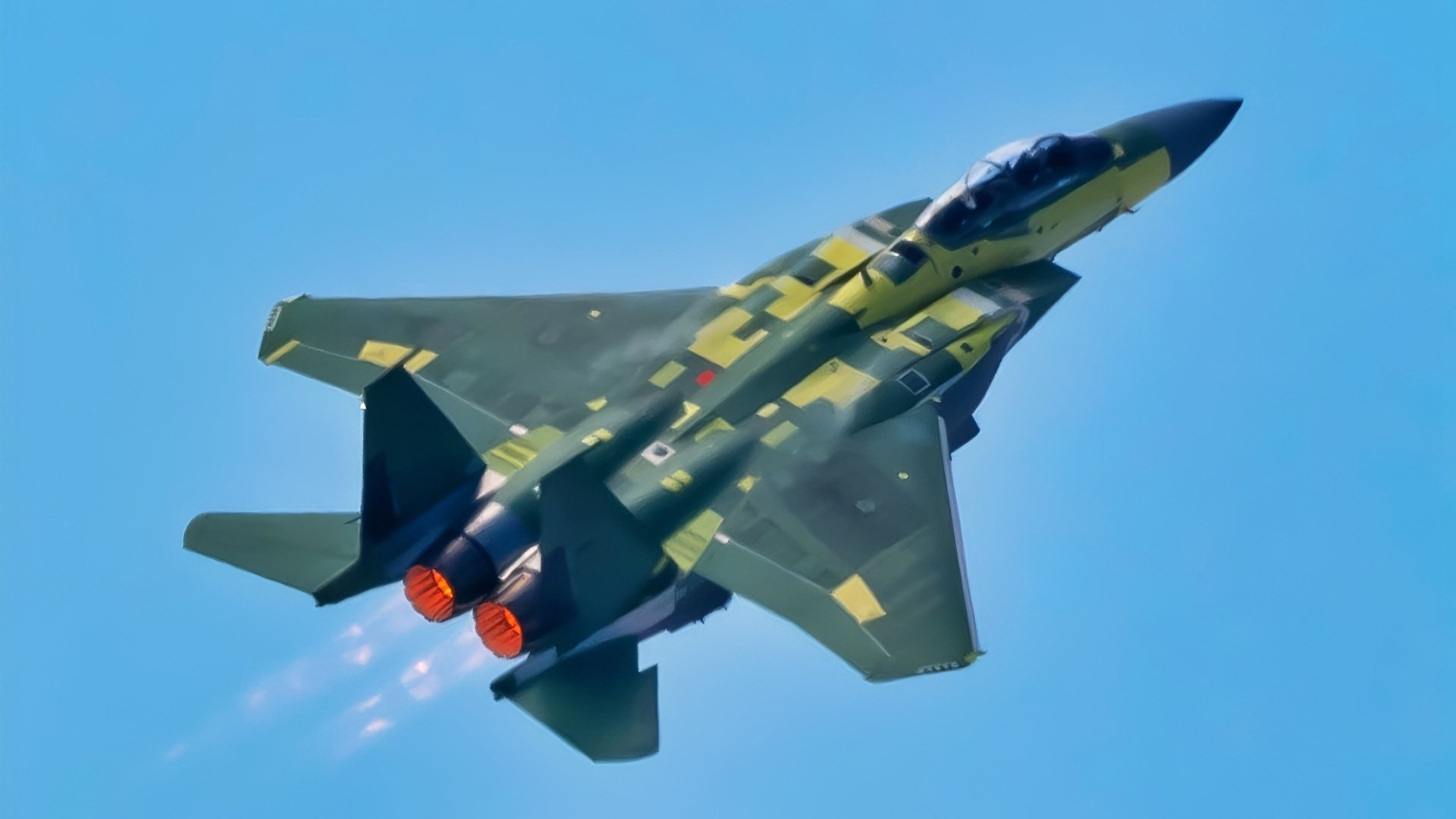
This presented a difficult challenge for Washington as its stockpile of Massive Ordnance Penetrator (MOP) bunker-busting bombs was dwindling. To address the situation, the US Air Force had to switch to using "Mini-MOPs"—essentially JDAM systems equipped with deep-penetrating warheads. However, damage assessment after strike (BDA) was hampered by the targets' extreme depths, making it difficult for satellite imagery to accurately determine whether the targets had been completely destroyed.
Decentralized warfare strategy
Iran's defense system is based on the principle of decentralization, allowing each production unit and launch platform to operate independently without direct orders from a central command. These structures, built by the Khatam al-Anbiya corporation, are located deep beneath hundreds of meters of granite in rugged mountainous regions, creating a protracted, asymmetrical warfare system.
According to a 2022 assessment by the US Office of the Director of National Intelligence, Iran possesses the largest ballistic missile arsenal in the region. Estimates from Israeli intelligence suggest that, from approximately 3,000 missiles before the war, this arsenal has decreased to around 2,500 after the conflict last June, and may currently number around 500 units, according to Al Jazeera data.
Deception and harassing firepower
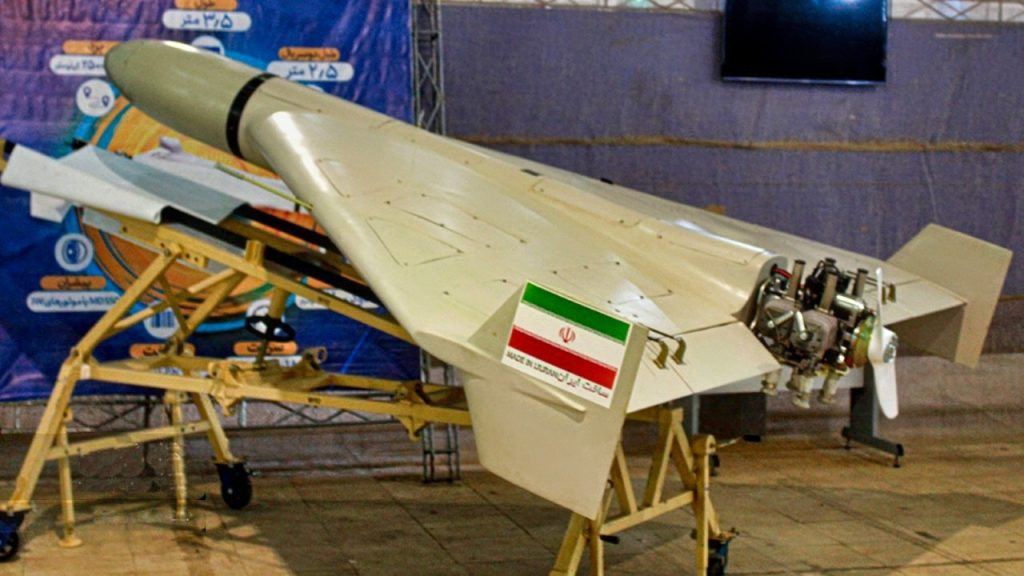
Tehran appears to be deliberately moderating its firepower to put its adversaries on the edge. Instead of launching devastating attacks, Iran is opting for a cautious approach with "harassment fire." Just one or two launches a day toward the Strait of Hormuz are enough to cause panic and disrupt international maritime trade, driving up oil prices.
David Des Roches, an associate professor at the National Defense University (Washington, DC), noted that the missiles are being hidden in civilian locations or places unrelated to the military, making their location extremely difficult. He emphasized that these strikes are primarily aimed at overwhelming the warning systems of neighboring countries rather than inflicting serious military damage.
Time pressure and infantry options
The longer the conflict drags on, the greater the pressure on the U.S. government. The only way to wipe out the hidden launch sites is to deploy infantry and special forces to search and destroy them. However, this is a risky, time-consuming, and manpower-intensive operation that the current Trump administration is unlikely to sustain over such a vast area.
With the advantage of its fortified underground tunnel system and masterful camouflage capabilities, Iran holds the initiative in terms of timing. It is highly likely that a declaration of victory can be issued before the entire Iranian missile stockpile is destroyed, opening the door for Tehran to preserve its forces for future confrontations.


