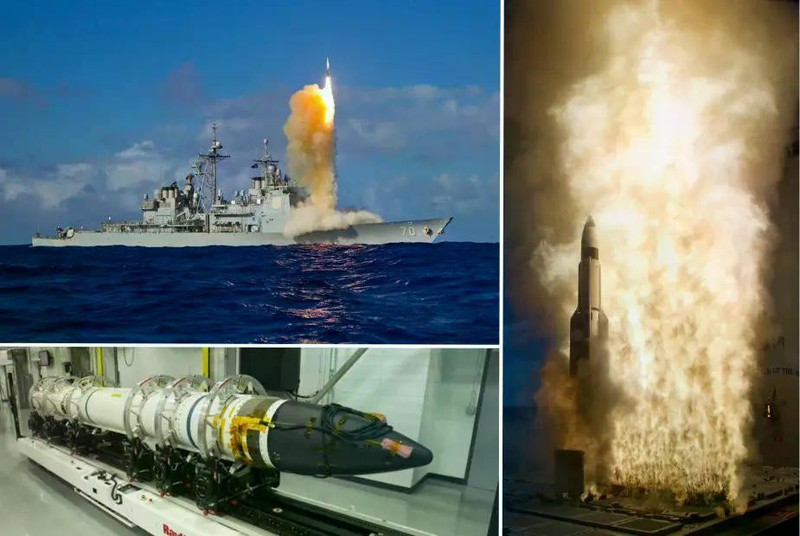
The US and Japan quadruple their production of SM-3 interceptor missiles.
Following the effectiveness of the SM-3 in combat against Iranian missiles, the US and Japan decided to increase SM-3 production to 100 missiles per year to replenish their reserves and enhance their defense capabilities.
The United States and Japan have agreed to boost their defense capabilities by quadrupling the production of the Standard Missile-3 (SM-3). Under this decision, annual production will be increased from the previous maximum of 24 missiles to approximately 100 missiles to meet the urgent need for missile defense.
Practical effectiveness drives production demand.
This increase in production comes shortly after the SM-3 high-altitude interceptor missile demonstrated superior effectiveness in combat. Specifically, the system successfully shot down a 4-ton Iranian Khorramshahr ballistic missile as it was heading towards the Diego Garcia base in the Indian Ocean.
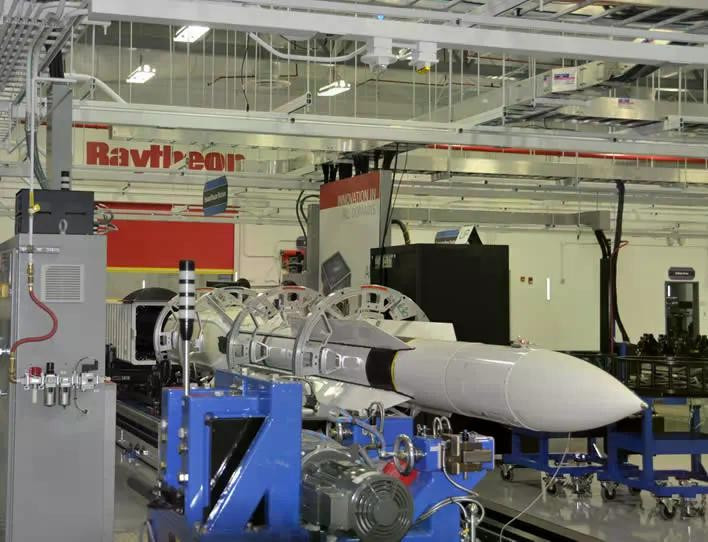
However, the recent surge in counter-missile launches has placed significant pressure on global stockpiles. The rapid consumption of advanced interceptor missiles has resulted in a slight shortage in the U.S. Navy's arsenal, forcing Washington and Tokyo to work closely together to re-establish and scale up production lines.
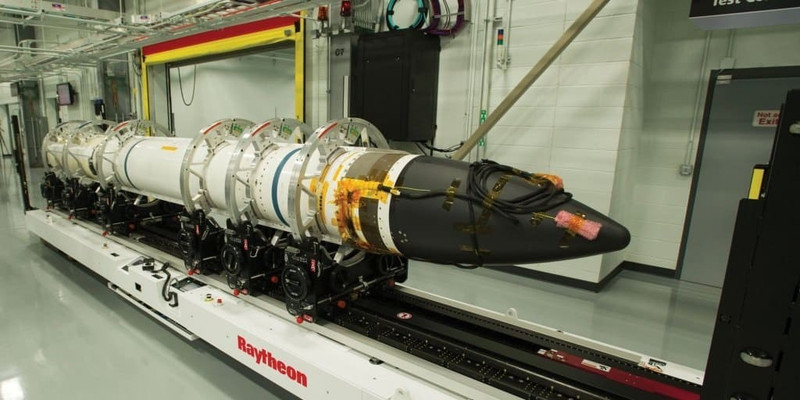
Superior technology on the SM-3 Block IIA version.
The centerpiece of this collaborative production program is the SM-3 Block IIA, the most advanced version in the current Standard Missile-3 family. This variant possesses the capability to intercept a wide range of ballistic targets, including intercontinental ballistic missiles (ICBMs) at certain segments of their flight path.
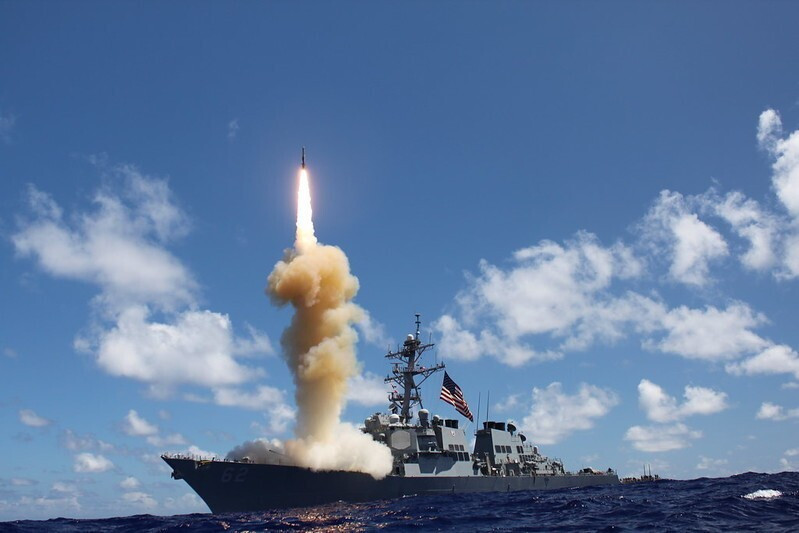
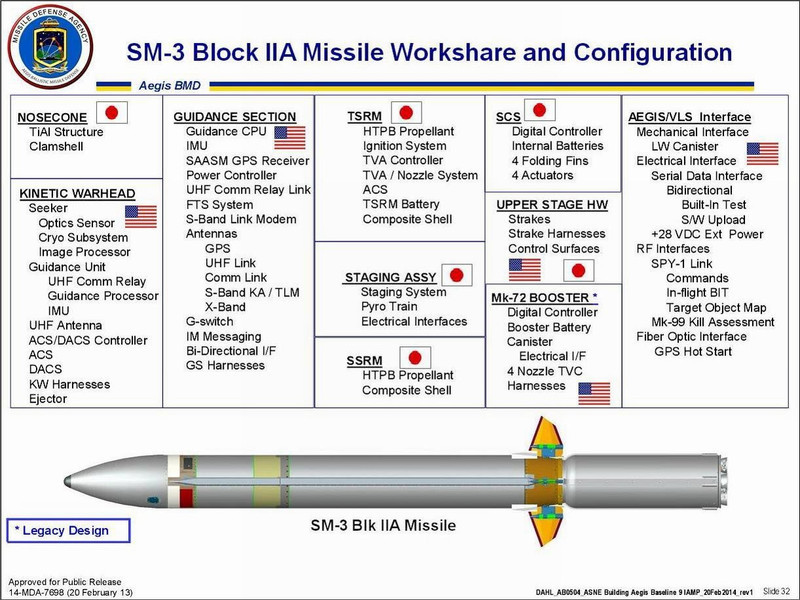
Furthermore, the collaboration between the two major defense industrial powers helps optimize each side's strengths. On the US side, Aerojet Rocketdyne is responsible for supplying solid-fuel engines, while Northrop Grumman is responsible for manufacturing the composite structure and sophisticated control systems.
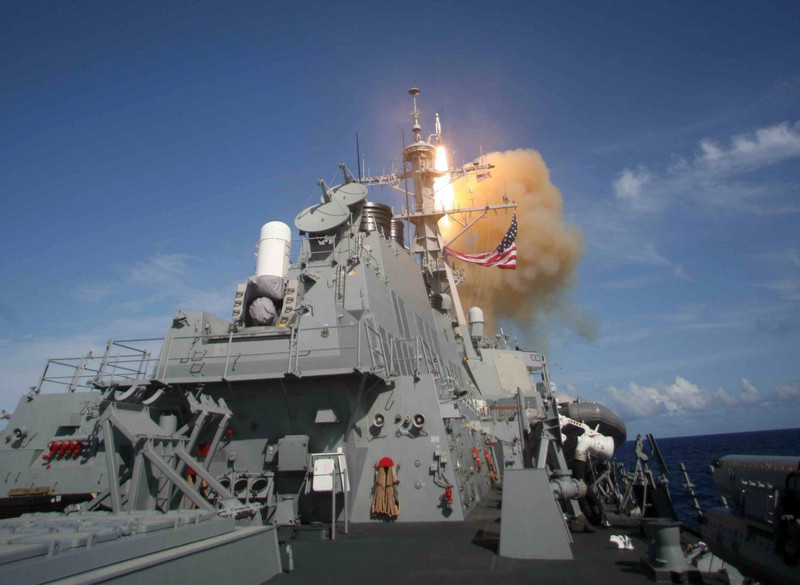
The US-Japan defense industry cooperation model
Japan plays an indispensable role in this supply chain with the participation of leading corporations such as Mitsubishi Heavy Industries, IHI Corporation, and Fujitsu. These entities are responsible for manufacturing critical components including the second and third stages of the rocket, as well as guidance systems and high-precision sensors.
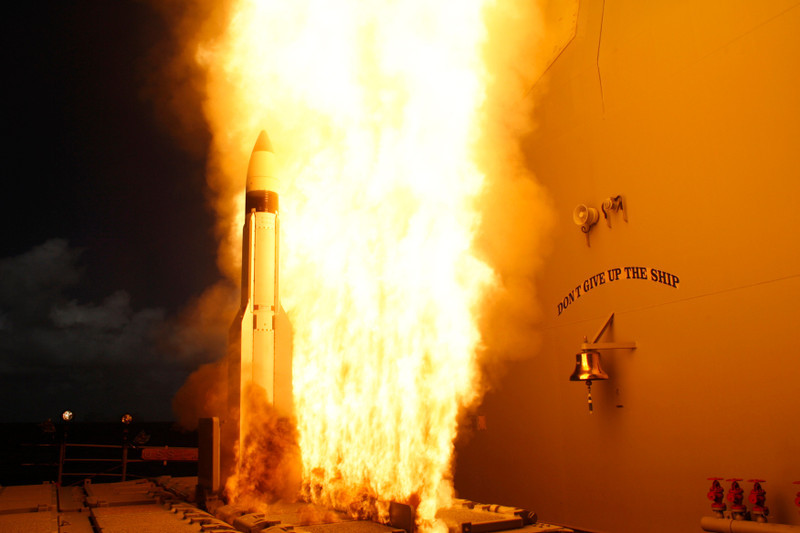
Notably, although the official work allocation ratios are not disclosed, industry sources indicate that the US handles approximately 60-70% of the workload, while Japan accounts for about 30-40% of the order value. This coordination not only increases the quantity but also ensures the stability of the strategic defense arsenal for both countries and their allies.