
The US transports mobile nuclear reactors using C-17 Globemaster III aircraft.
The US Air Force has successfully transported a 5MW nuclear reactor for the first time using a C-17 aircraft, paving the way for energy self-sufficiency at remote military bases.
The U.S. Air Force has just completed its first mobile nuclear reactor transport mission using a C-17 Globemaster III heavy transport aircraft. This operation aims to realize the goal of rapidly deploying power systems in remote areas or complex combat environments without relying on the civilian power grid.
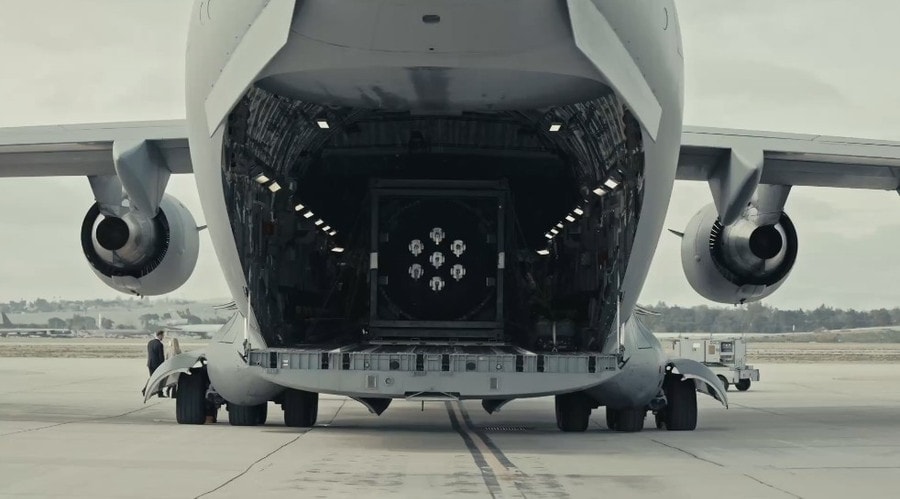
This event took place under an executive order signed by the U.S. President on May 23, 2025, regarding the deployment of advanced nuclear technology for national security. The 5-megawatt (MW) reactor is designed for mobility, allowing the military to maintain sustained operational capability at forward bases without relying on local civilian energy infrastructure.
The Janus program and the goal of energy self-sufficiency.
This project is part of the Janus program, a collaborative initiative between the U.S. Army and the U.S. Department of Energy announced in the fall of 2025. The name Janus, after the god in Roman mythology, symbolizes the significant transition from experimental prototypes to the practical use of nuclear energy in military infrastructure.
Unlike the publicly owned nuclear reactors of the U.S. Navy, the smaller reactors in the Janus program will be privately owned. However, the U.S. Army will be responsible for overseeing and managing the entire operation to ensure safety and operational effectiveness.
The role of the HALEU Department of Energy and Fuel
To support the project, the U.S. Department of Energy is focusing on three key areas: the production of HALEU nuclear fuel (uranium with concentrations ranging from 5% to 20%), prototype testing, and reforms to management policies. These efforts aim to accelerate the implementation of clean and sustainable energy solutions for the military.
The use of HALEU fuel is considered a key technical factor in optimizing the reactor size to fit within the cargo bay of the C-17 Globemaster III aircraft, while still ensuring the necessary energy efficiency for extended military operations.


