Na Hum, a region of medicinal herbs...
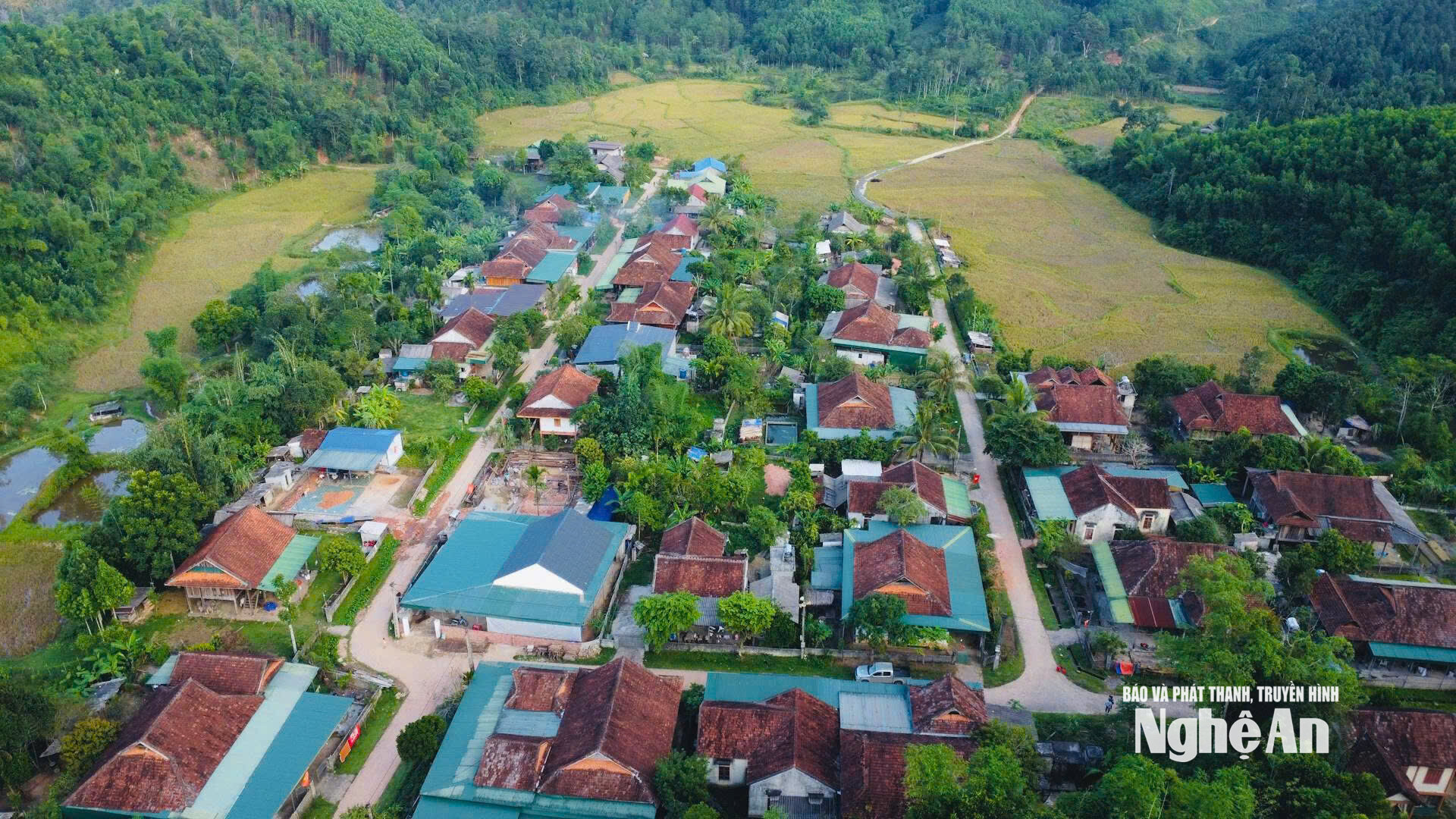
Located in the border commune of Thông Thụ, nestled in a green valley 6km away from National Highway 48A, the Na Hứm residential cluster, despite being only "established" 15 years ago, is emerging as a leading example in the Quế region in developing medicinal plants under the forest canopy...
Nhat Lan - Vo Hai |Present:Huu QuanOctober 25, 2026
Located in the border commune of Thông Thụ, nestled in a green valley 6 km away from National Highway 48A, the Na Hứm residential cluster, despite being only "established" 15 years ago, is emerging as a leading example in the Quế region in developing medicinal plants under the forest canopy...

I learned about Na Hum – one of the resettlement sites for people from Thong Thu commune, Que Phong district (formerly) – to make way for the Hua Na hydroelectric project in January 2022. At that time, officials from the Pu Hoat Nature Reserve boasted that, after successfully cultivating and restoring the Quy cinnamon variety, they had selected several villages in the buffer zone to support the people in implementing a model for planting this valuable tree. And Na Hum was one of the villages that had implemented this very effectively. Out of curiosity, I came here to learn about the journey of "reviving" the Quy cinnamon.
To reach Na Hum village, from the Phu Phuong intersection, follow National Highway 48 towards the Thong Thu border gate for about 30 km. Then, turn right and go another 6 km to reach Na Hum village. From above, Na Hum village boasts a beautiful landscape. It's a Thai ethnic minority village nestled in a valley, surrounded by rolling hills. Down in the village, on both sides of the paved roads are rows of stilt houses with tiled roofs. From here, looking up at the hills surrounding the village, you see endless green cinnamon trees. The village head of Na Hum, Ngan Van Tuan, still quite young, pointed to the vast green expanse and enthusiastically said: “This is the whole area for growing cinnamon. Na Hum has now found its calling with cinnamon trees…”
Na Hum village was established in 2012. In their old settlement, the people of Na Hum had never planted cinnamon trees. Upon moving to the new village, when considering what to plant for economic gain, the villagers learned about cinnamon trees from television and newspapers – a valuable native species that could generate high income. They then searched for and gathered small cinnamon saplings to plant, but the quantity was small, the quality limited, and the trees were stunted, resulting in low economic value. It wasn't until around 2017, when the Pu Hoat Nature Reserve began producing cinnamon tree seedlings, that the people of Na Hum received support and technical guidance to plant them on a larger scale. “Initially, about 14-15 households received support with seedlings and planting techniques. Over the years, to date, 40 households in the village have planted cinnamon trees on an area of about 60 hectares. Cinnamon trees that are 3-5 years old are already generating income from pruning, about 10 million VND/hectare/year…,” said the village head, Mr. Ngan Van Tuan.
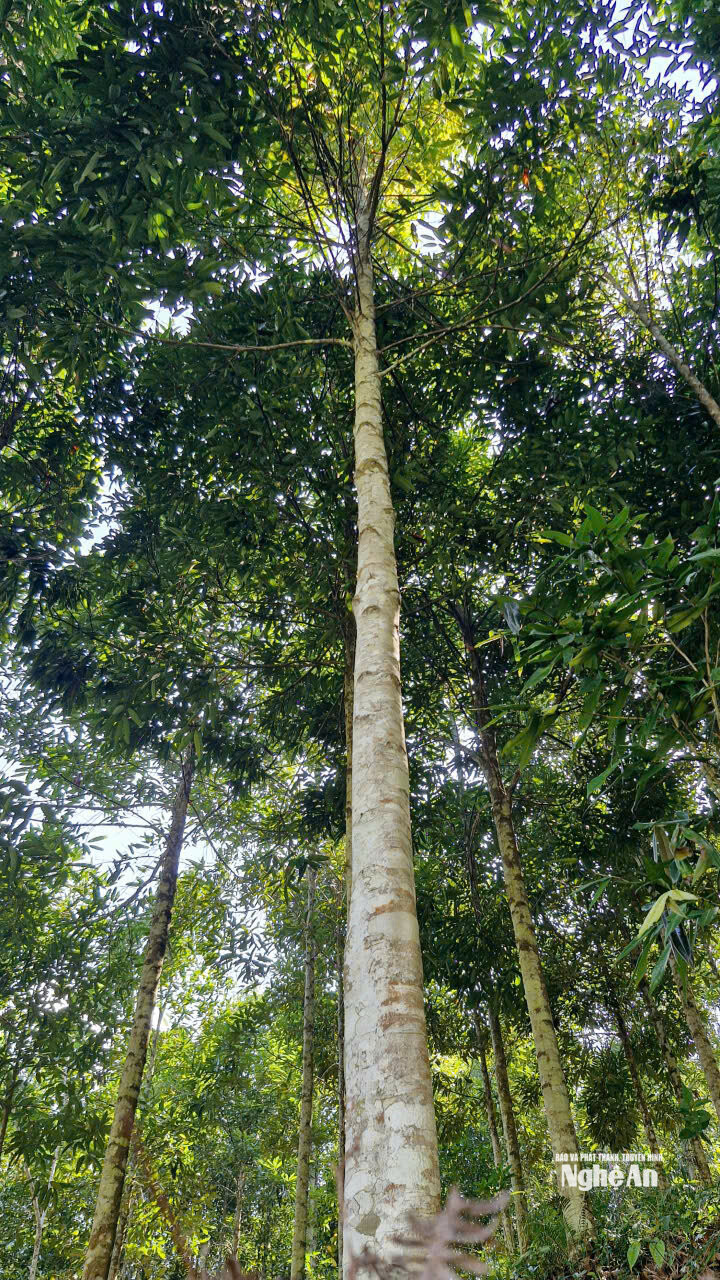
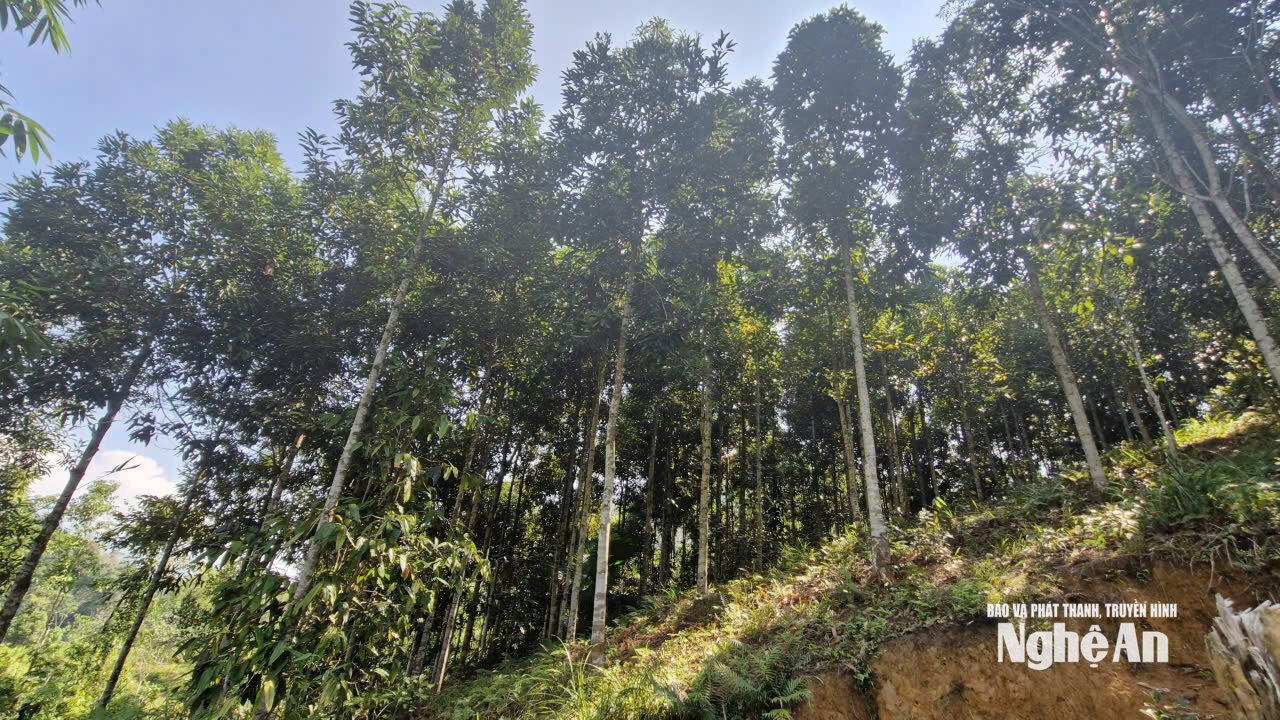
Visiting the cinnamon forests planted by the people of Na Hum village on the hills behind the village, we see a dense green belt that provides shade from the summer heat and winter cold, while also beautifying the mountainous landscape. Although only a few years old, the cinnamon trees are truly beautiful, with evenly spaced trunks, as thick as an adult's thigh, straight and tall, reaching about 5-6 meters, supporting layers of glossy, long, pointed green leaves. Standing amidst these green layers, Village Head Ngan Van Tuan said: “Cinnamon trees are creating a sustainable livelihood for the people of Na Hum village, especially the poor and near-poor households. We only hope that the village will continue to receive support with more seedlings so that all the people of Na Hum village can plant cinnamon…”
On the first day of October 2026, an official told me that Thong Thu commune had many interesting stories of economic development, especially the people of Huoi Dua village who are dedicated to growing medicinal plants under the forest canopy, viewing it not only as a livelihood but also as a way to get rich. “In Huoi Dua, it seems like every household has its own cinnamon, golden flower tea, and bon bo gardens. They grow medicinal plants under the forest canopy on very large areas. This season, the golden flower tea is budding…”, he said. I reminded him of our visit to the Quy cinnamon garden in Na Hum village in 2022. He laughed loudly: “That’s exactly what we’re talking about. After the village merger, Na Hum is now a cluster of Huoi Dua villages. But Na Hum now has not only cinnamon, but also golden flower tea and bon bo. Golden flower tea is very finicky, but many families have up to 1-2 hectares of it…”
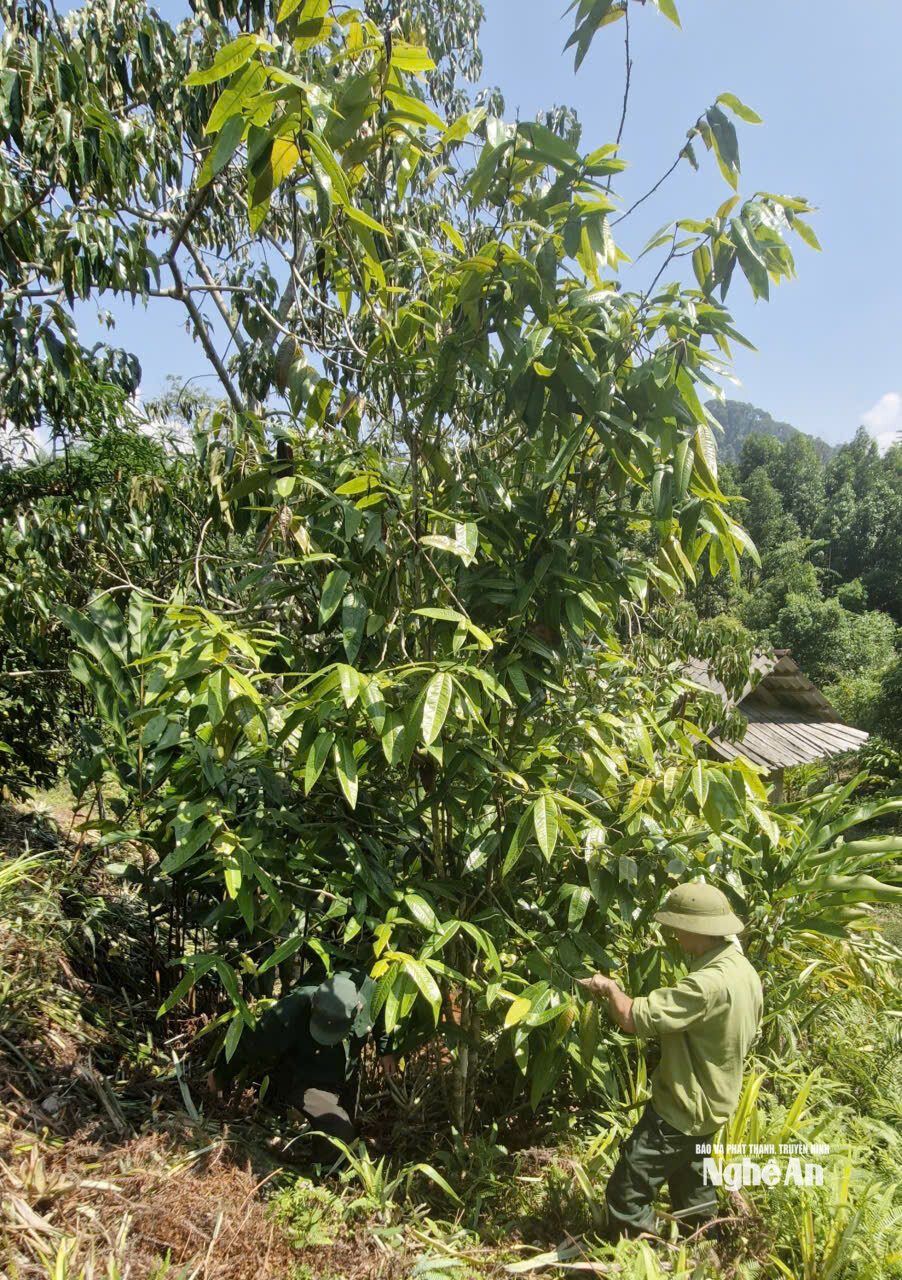
For this reason, I returned to Na Hum village after 4 years. Four years is indeed a long enough time for the landscape of the Hua Na hydroelectric resettlement cluster to change significantly. Most notably, and easily noticeable, is that along the 6-kilometer stretch of road leading into the village from National Highway 48A, the villagers have made full use of the land to plant a large quantity of cinnamon and bon bo trees. Meanwhile, Na Hum village remains nestled in the valley, surrounded by rolling hills and lush green cinnamon trees.
Welcoming us was the same youthful and energetic Ngan Van Tuan as before, now elected by the people as the head of Huoi Dua village. Mr. Tuan said that Huoi Dua village has 191 households and 803 inhabitants. The total forest land area is 445.5 hectares, including 105.7 hectares of cinnamon, 41.8 hectares of bon bo, 76.4 hectares of golden flower tea, 10 hectares of bamboo, and 211.6 hectares of acacia. “Na Hum is now the Huoi Dua village cluster. Most of the cinnamon and medicinal plant areas under the forest canopy, such as golden flower tea and bon bo, are concentrated in Na Hum…,” Mr. Ngan Van Tuan explained.
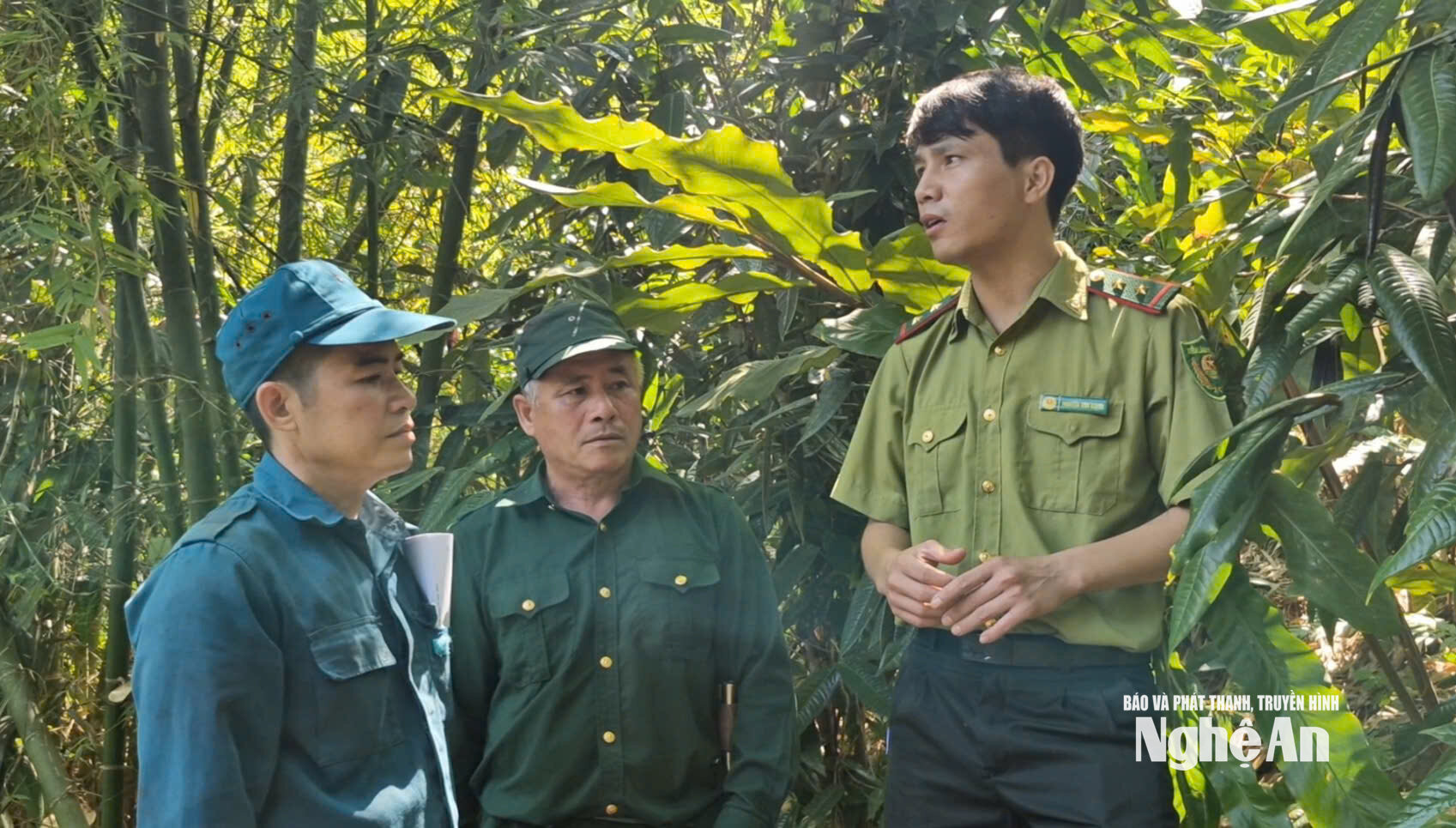
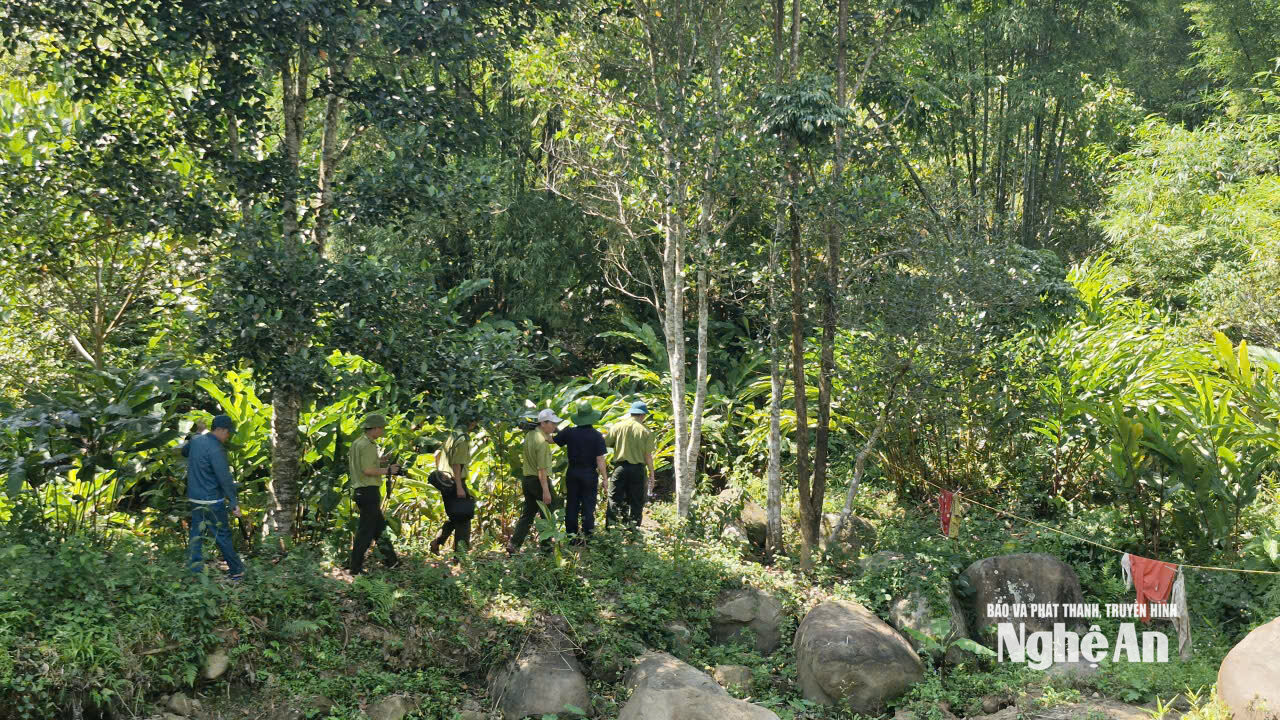
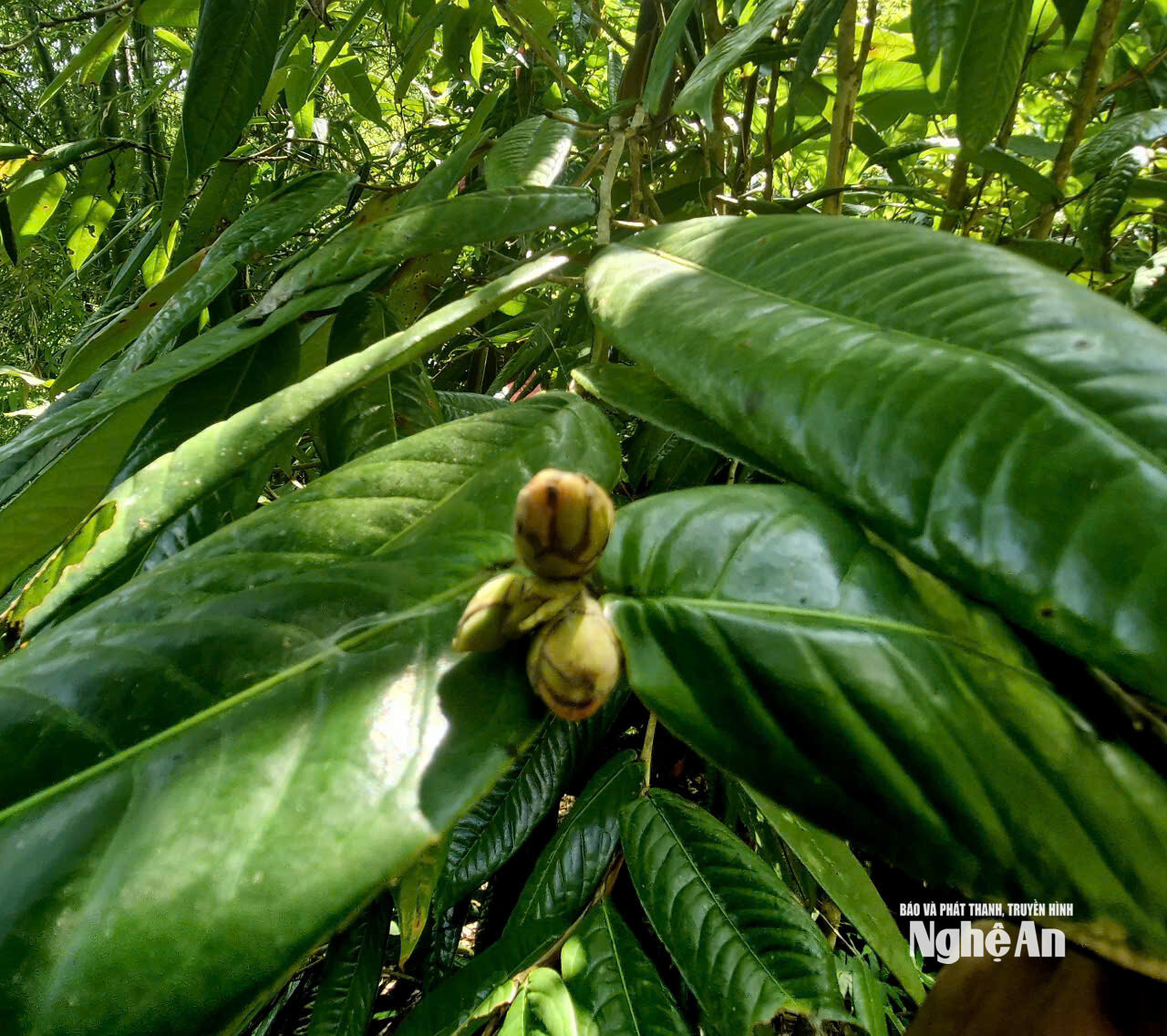
Together with village headman Ngan Van Tuan and two other men, Lo Van Sinh and Ngan Van Thanh, we visited the golden flower tea gardens, bon bo trees, and cinnamon forests of the people of Na Hum village. Seeing them firsthand, we realized that the praise for the golden flower tea gardens and bon bo trees was not an exaggeration. The golden flower tea trees here are very healthy. Most are over 2 meters tall, some reaching 4-5 meters, with many branches and leaves that have a distinctive two-tone green and purple color. This season, the golden flower tea trees in Na Hum village are full of buds. At the tips of the branches, interspersed between the leaves, there are usually 3-6 round flower buds, like small green marbles. As for the bon bo trees, the people of Na Hum village plant them wherever there is open land and shade. Under the forest canopy, under rows of trees in their gardens, along fish ponds, and along streams – you can find bon bo trees everywhere. Perhaps the soil and climate in Na Hum village are very suitable for this ginger-family plant, so every bon bo clump is very lush and full of shoots. Therefore, even though the bon bo plants have passed their fruiting season, they haven't lost their vitality...
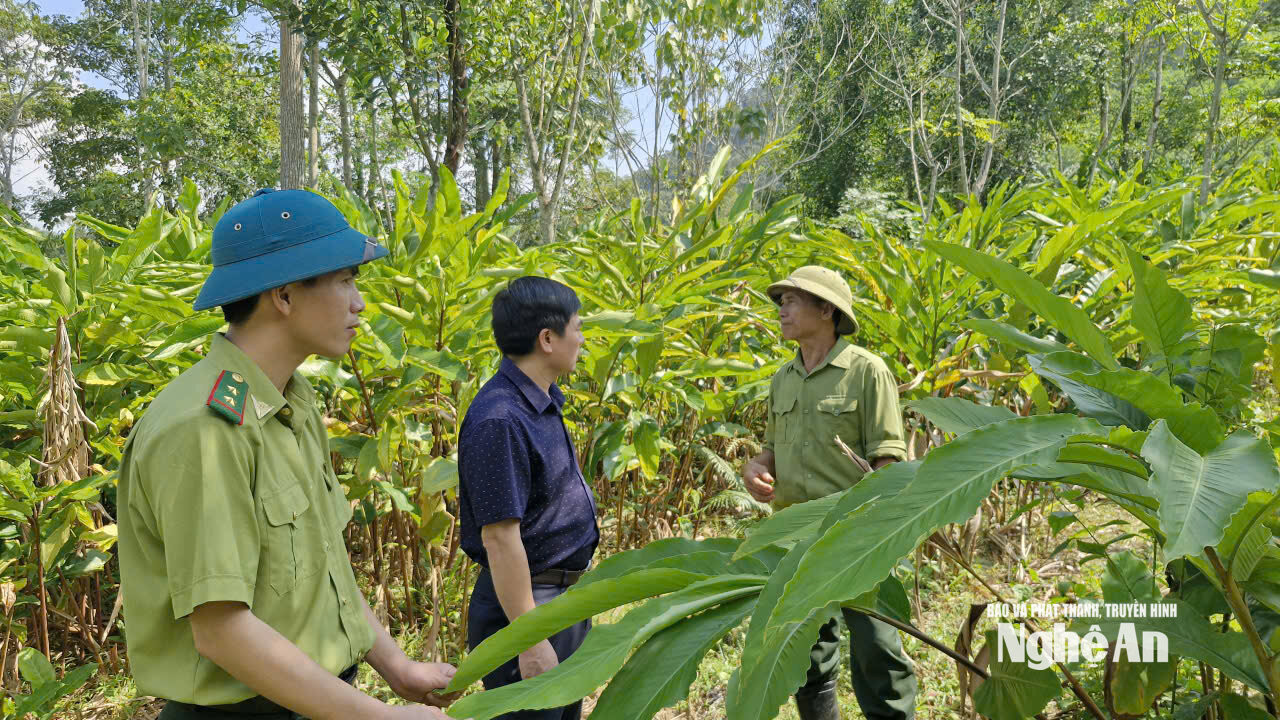
According to Mr. Ngan Van Thanh, a respected elder in Huoi Dua village, people in the Na Hum residential area are very proactive in creating household livelihoods. Almost every family grows rice, raises buffaloes, cows, pigs, and chickens; they utilize land along the streams to dig ponds for fish farming, and especially learn from each other to cultivate medicinal plants under the forest canopy, along the streams, and on the riverbanks. Some families, at this time, if their assets from medicinal plant gardens under the forest canopy were converted, would have billions of dong, even many billions of dong. "On average, for each hectare of cinnamon trees 5-6 years old, people are willing to spend about 350 million dong to buy the entire package. In Na Hum village, it's normal for a household to have five hectares of cinnamon...", Mr. Ngan Van Thanh happily said.
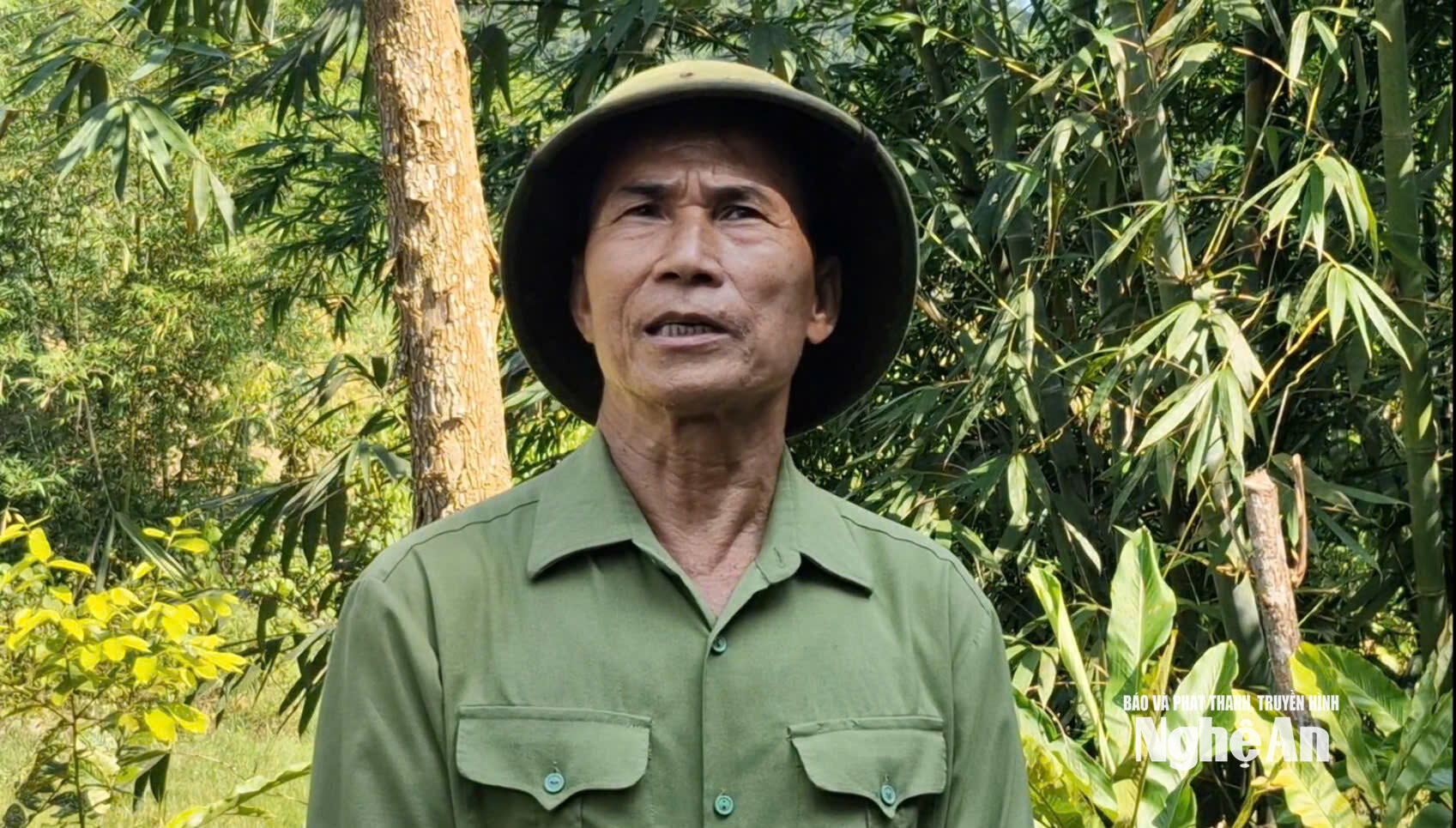
Confirming what Mr. Ngan Van Thanh said, Mr. Lo Van Sinh stated that his family owns 6 hectares of cinnamon trees aged 6-11 years, 2 hectares of golden flower tea, and 1 hectare of bon bo trees. Regarding the 2 hectares of golden flower tea, it blooms continuously for 3 months each year. Every 3 days, Mr. Sinh's family harvests about 20 kg of fresh flowers. After harvesting, they sell them immediately to traders at prices ranging from 80,000 to 150,000 VND/kg depending on the type. I calculated that in 3 months, Mr. Sinh harvests 30 batches of golden flower tea, yielding about 600 kg, which would bring in nearly 60 million VND. I told Mr. Sinh, "Just from the golden flower tea alone, your family earns a very substantial and stable income. If you add the cinnamon and bon bo, you'd be one of the wealthiest households in Huoi Dua..." Mr. Lo Van Sinh smiled and replied, "Thanks to growing medicinal herbs under the forest canopy, we've created a stable economy for my family."

Visiting the home of Village Head Ngan Van Tuan, he openly admitted that his family owns 10 hectares of Quy cinnamon, in addition to 2 hectares of golden flower tea and bon bo. With the dynamism of a young person, Mr. Ngan Van Tuan is a pioneer in applying technology, purchasing equipment and machinery to process medicinal products to reduce the labor burden on his family. However, he still worries about the fact that the market for products derived from medicinal plants still depends on traders, and prices are unstable and unpredictable. Village Head Ngan Van Tuan confided: “If we consider the entire Huoi Dua village, there are still many areas of forest land where people plant acacia trees. Because of the long transportation distance, the value of acacia trees here is very low; even without deducting the cost of seedlings and labor, it only yields 70-80 million VND/hectare. But because the market for medicinal plant products is still unstable, some people are still hesitant.”
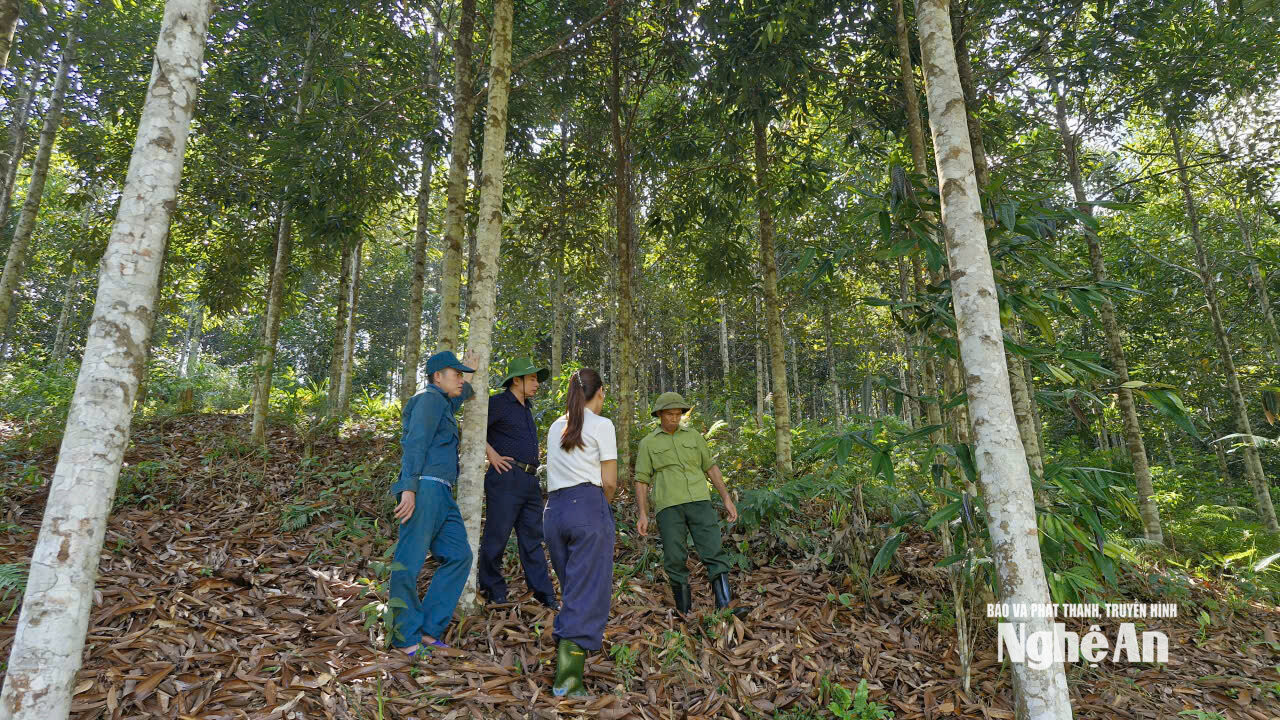
At the Quy cinnamon forest in Na Hum village, I spoke with Ms. Nguyen Thi Hoai, Chairwoman of the People's Committee of Thong Thu commune, about what I had heard from local officials and residents. According to the Chairwoman, developing medicinal plants under the forest canopy is a direction set by the province and the commune. Among them, Quy cinnamon, golden flower tea, and bon bo have been identified as key medicinal plants. Given the situation in Na Hum village, the commune considers it a model to encourage local people to learn from and participate in planting medicinal plants to increase their income. In the near future, Thong Thu commune will research linking with relevant units and businesses involved in the production, processing, and trading of medicinal plants, and establish cooperatives... to help people develop medicinal plants under the forest canopy. Ms. Nguyen Thi Hoai shared: “Currently, the province is developing a Resolution on the regime and policies for developing medicinal plants under the forest canopy. Thong Thu commune hopes that the province will soon complete and issue this Resolution so that the policies can be implemented promptly...”.
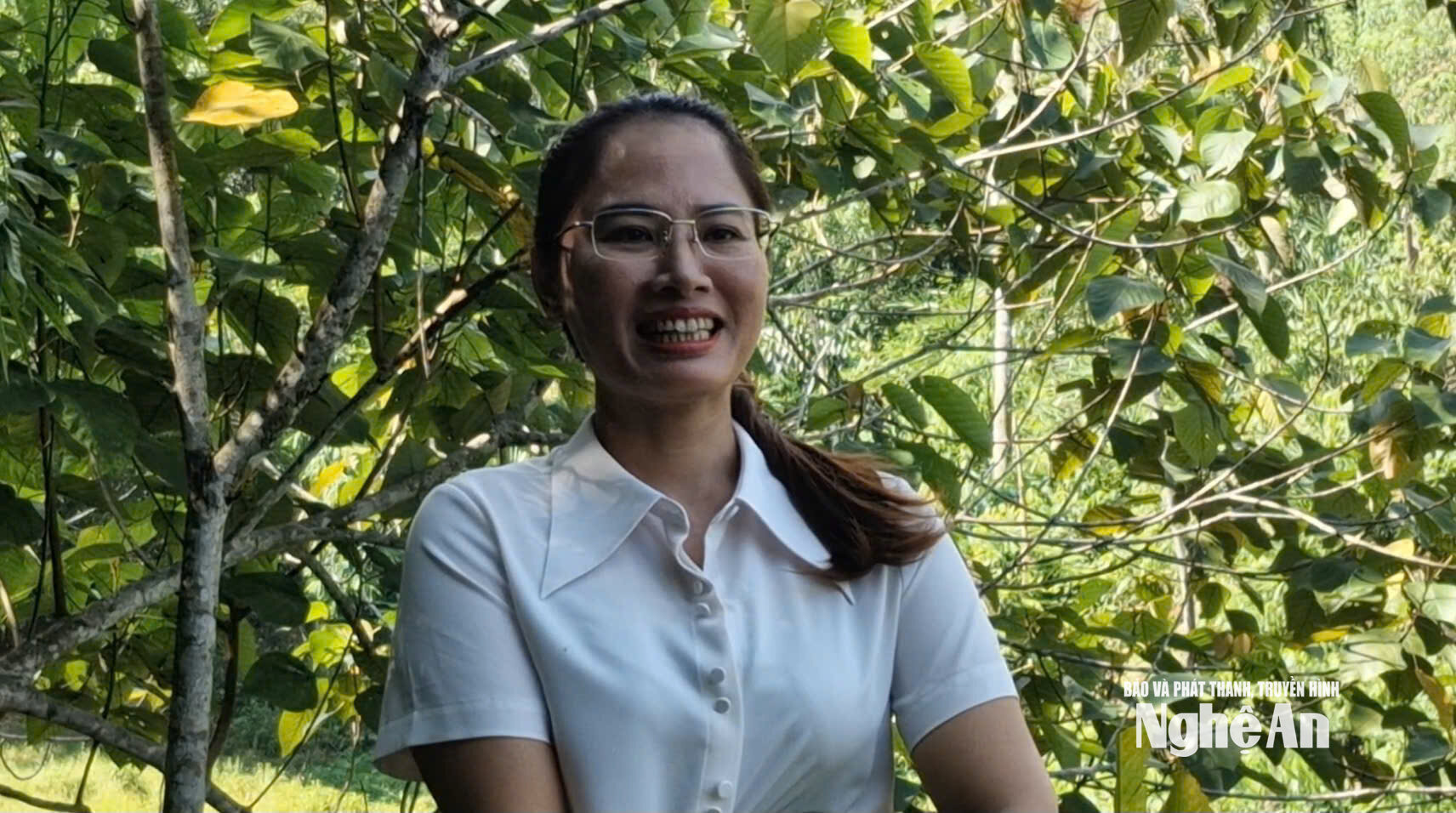
As the Chairwoman of Thong Thu Commune People's Committee, Nguyen Thi Hoai, stated, the Provincial Party Committee is currently directing the development of a Resolution on the policy for the development of medicinal plants in Nghe An province from 2026 to 2030, with a vision to 2045. The draft Resolution outlines many major solutions, including those related to improving mechanisms and policies. The Resolution also clearly identifies the need to develop value chains, with businesses as the core, linking production with brands and markets, specifically: “Forming and strengthening a linked chain from seeds - raw material areas - production, harvesting - preliminary processing, processing - product development - trade and consumption. Businesses as the core, cooperatives as the bridge to organize production, and people and communities as the main participants and beneficiaries...”.
Therefore, we hope that the Provincial Resolution on Medicinal Plant Development will be passed soon, and its objectives will be quickly realized. This will fulfill the expectations of those who cultivate medicinal plants under the forest canopy, and to promote the development of the province's highland communes, so that there will be many more new Na Hum villages...
With the results achieved, we believe that Na Hum has made very good progress in developing medicinal plants under the forest canopy, becoming a bright spot not only in Thong Thu commune but also in the former Que Phong district. From Na Hum, we see the need to research and expand similar models to other villages and hamlets in the buffer zone of the Pu Hoat Nature Reserve, so that people can have more livelihoods and be more involved in forest protection and development..."
Mr. Nguyen Van Sinh - Director of Pu Hoat Nature Reserve