
What's special about the new school year in different countries?
(Baonghean.vn) - Students around the world start their new school year differently. In Australia, the school year runs from the end of January to mid-December, while in China it runs from September to mid-July of the following year.
1. USA
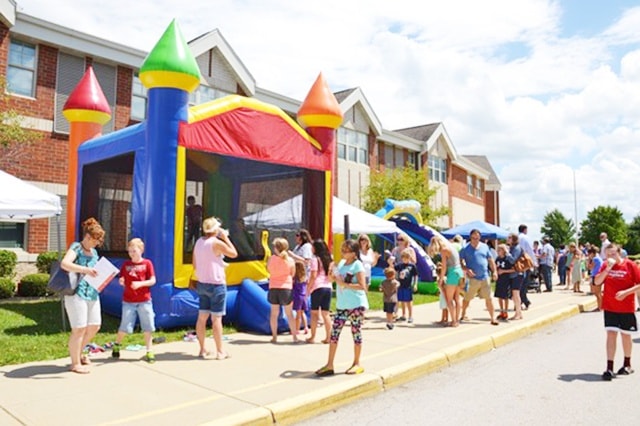 |
| In the US, school starts in August or September, depending on the regulations of each state. |
In the US, the official start date for school is September 9th, although some schools may adjust it by a few days to suit their schedules. On this day, students attend classes, get to know their new friends, and introduce themselves. The opening ceremony in the US is quite relaxed and not as formal as in other countries.
The school will announce the official start date of the new school year. All students and teachers will gather together for fun and entertainment, and hold a few oath-taking ceremonies to boost students' determination.
2. France
A typical school day in France runs from 8 am to 4 pm, with a half-day on Saturdays. Students are off school on Wednesdays and Sundays. Public school students have a two-hour lunch break.
Students range in age from 6 to 18. The average class size is 23. Uniforms are not mandatory, but religious attire of any kind is prohibited. The school year in this Northern Hemisphere nation runs from August to June of the following year, divided into four 7-week terms, with 1-2 week breaks in between.
3. Australia
 |
| Opening ceremony atAustraliaLasting no more than 10 minutes, the curriculum focuses on extracurricular activities. |
Australian students attend school for approximately 200 days a year. The school year begins in late January and lasts until mid-December. Because Australia is in the Southern Hemisphere, summer is the opposite of countries in the Northern Hemisphere. Australian students' summer holidays run from mid-December to the end of January of the following year.
The school year is divided into four terms, each lasting 9-11 weeks. Students have two weeks off between each term. Normal school hours are from 9:00 AM to 3:30 PM, and lunch is served at school. Full-time students must attend school for at least 11 years, but it is common for students to attend for 12 years. The average class size is 18 students, and there are approximately 6 computers per classroom.
4. Brazil
 |
| A typical school day in Brazil runs from 7 a.m. to noon. |
Brazil is also in the Southern Hemisphere, experiencing the same summer season as Australia. A typical school day in Brazil runs from 7 a.m. to noon, and students usually return home for lunch with their families. Lunch is the most important meal of the day.
5. China
Located in the Northern Hemisphere, China's summer season is similar to that of other Asian, European, and North American countries. The school year in China typically runs from early September to mid-July of the following year. Students usually spend their summer break attending summer classes and preparing for entrance exams.
A typical school day lasts from 7:30 a.m. to 5:00 p.m., with a two-hour lunch break. Formal education in China lasts nine years. Students are provided with uniforms, but wearing them is not mandatory.
6. Costa Rica
 |
A school year in Costa Rica runs from February to December. |
Costa Rica was one of the first countries in Central and South America to offer free education. On average, there are about 28 students in a classroom. Students are required to wear uniforms throughout their nine years of formal education, from ages 6 to 15, and prepare their own lunches and snacks. They then begin university at age 15.
A school year in Costa Rica runs from February to December. Students have a break of about two months, from December to February, and a few weeks in July.
7. Iran
Located in the Northern Hemisphere, a school year in Iran is similar to that in European countries. Students attend school for 10 months, from September to June of the following year, with approximately 200 school days. The average number of students per class is 27.
Boys and girls aged 5-18 receive separate educations. Girls typically have female teachers, while boys are taught by male teachers. Religion is a compulsory subject in Iran. Boys and girls study together at the university level.
8. Japan
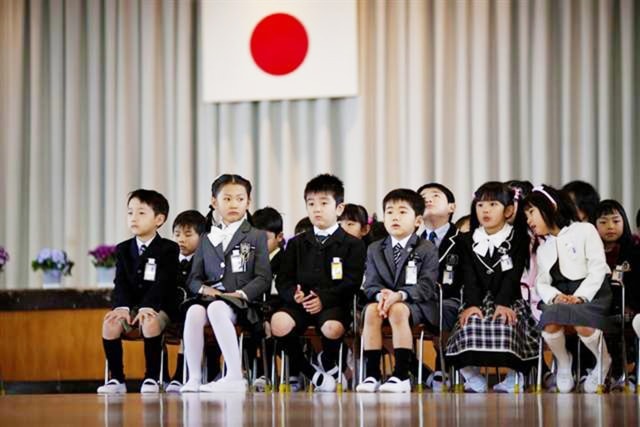 |
| The new school year in Japan begins in April. |
Most Japanese schools follow a three-semester system. The school year begins in April and ends in March of the following year, with summer, winter, and spring breaks between the three semesters. Uniforms are mandatory, and there are also common rules regarding hairstyles, shoes, socks, skirt length, makeup, and accessories.
9. Kenya
The school year in this Southern Hemisphere country is divided into three terms, each lasting 13 weeks with a one-month break in between. A school day runs from 8:00 AM to 4:00 PM. Uniforms are mandatory in state schools. Most classes have around 30 students.
10. Mexico
The school year in Mexico begins in September and ends in June. Students attend school from Monday to Friday, with elective classes on Saturdays. Students are required to wear uniforms in elementary and middle school. The school day is divided into two sessions, one in the morning and one in the afternoon.
11. Nigeria
 |
Nigerian students also have three terms a year, but the school year runs from January to December. |
The school year in Nigeria runs from January to December and is divided into three terms with a one-month break between each term. Students must wear uniforms and adhere to rules regarding hairstyles, jewelry, and accessories.
12. North Korea
Students in North Korea are required to attend school for 11 years, starting at the age of 5. They must wear government-provided uniforms, and many receive government-provided accommodation and food allowances.
13. Russia
The school year in Russia begins in early September and ends at the end of May the following year. Students are at school from 8:30 AM to 3:00 PM. There is no mandatory uniform; instead, students are encouraged to dress warmly. Each class has approximately 16 students.
14. South Korea
 |
| The school year in South Korea begins in March, with holidays in July and August. |
The school year in South Korea typically runs from March to February of the following year and is divided into two semesters (March to July and September to February of the following year). School hours are from 8:00 AM to 4:00 PM, but many students stay late into the evening.
Additionally, students help clean up their classrooms before going home. Most students do not change classes, while teachers rotate classes throughout the day. Each class has approximately 30 students with 10 shared computers.
15. Finland
In Finland, there is no fixed start date for the school year. The new school year begins in the first half of August. Schools will announce the start date to parents and students. Typically, first-grade students are dropped off at school by their parents. The first day of the school year is relatively relaxed, with students and teachers participating in physical activities before the first class.
Peace
(Synthetic)
| RELATED NEWS |
|---|


