
South Sudan and the memories of a female military medic.
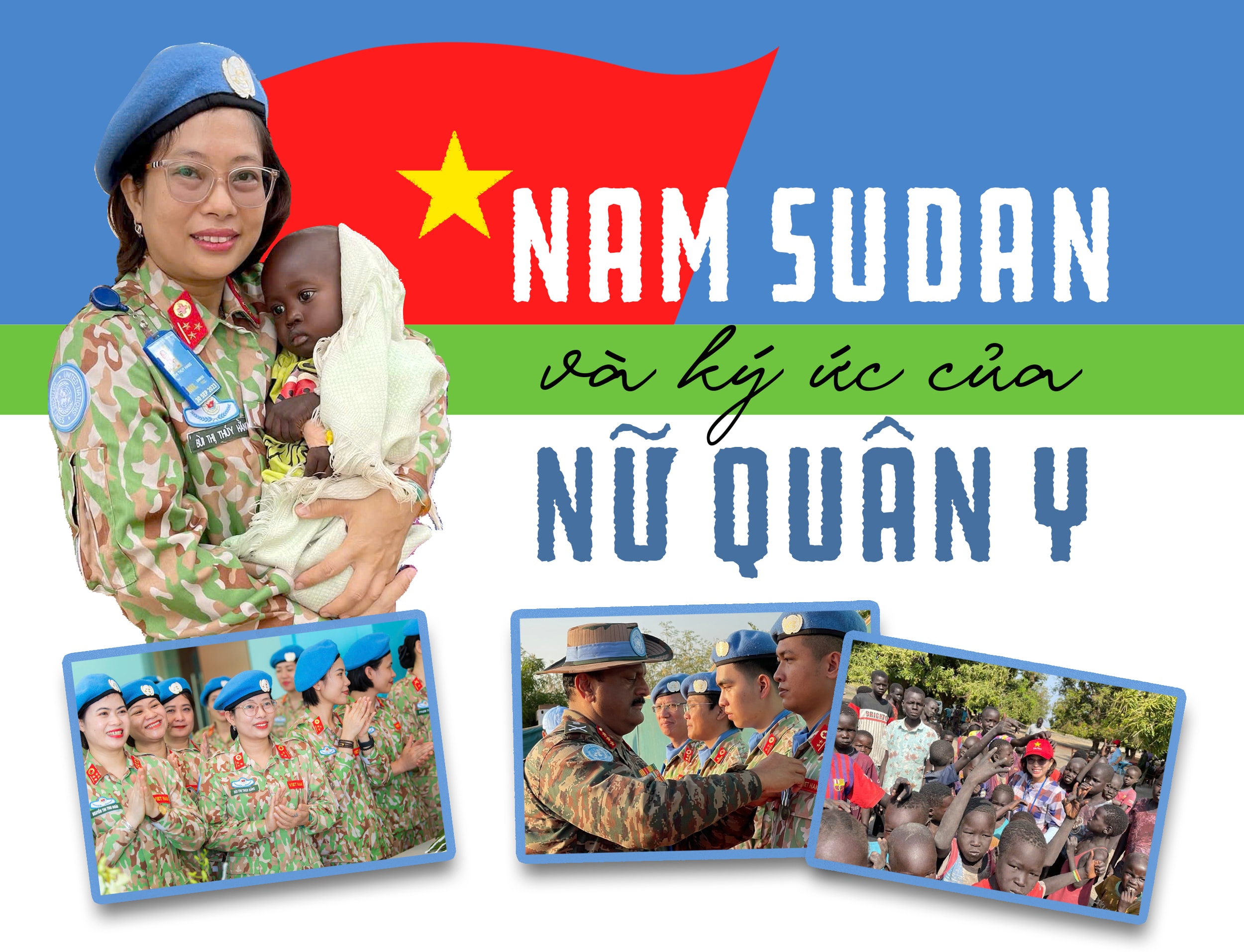
Through the recollections of the first female soldier from Nghe An to serve in South Sudan - Major Bui Thi Thuy Hang (born in 1984 - a nurse in the Department of Diagnostic Imaging and Functional Diagnosis - Military Hospital 4), the image of Vietnam emerges proudly, affirming the position and compassionate heart of the nation on the international stage.
Author: Diep Thanh - Publication date: February 26, 2026
Through the recollections of the first female soldier from Nghe An to serve in South Sudan - Major Bui Thi Thuy Hang (born in 1984 - a nurse in the Department of Diagnostic Imaging and Functional Diagnosis - Military Hospital 4), the image of Vietnam emerges proudly, affirming the position and compassionate heart of the nation on the international stage.

For Ms. Hang, memories of her time working in South Sudan are like a slow-motion film, always present with a wealth of emotions. Today, she sits flipping through old photos, a place where there's a "miniature Vietnam" in the heart of distant Africa. On that trip with Ms. Hang, the 4th Military Hospital also had three other soldiers, doctors, and medical staff.
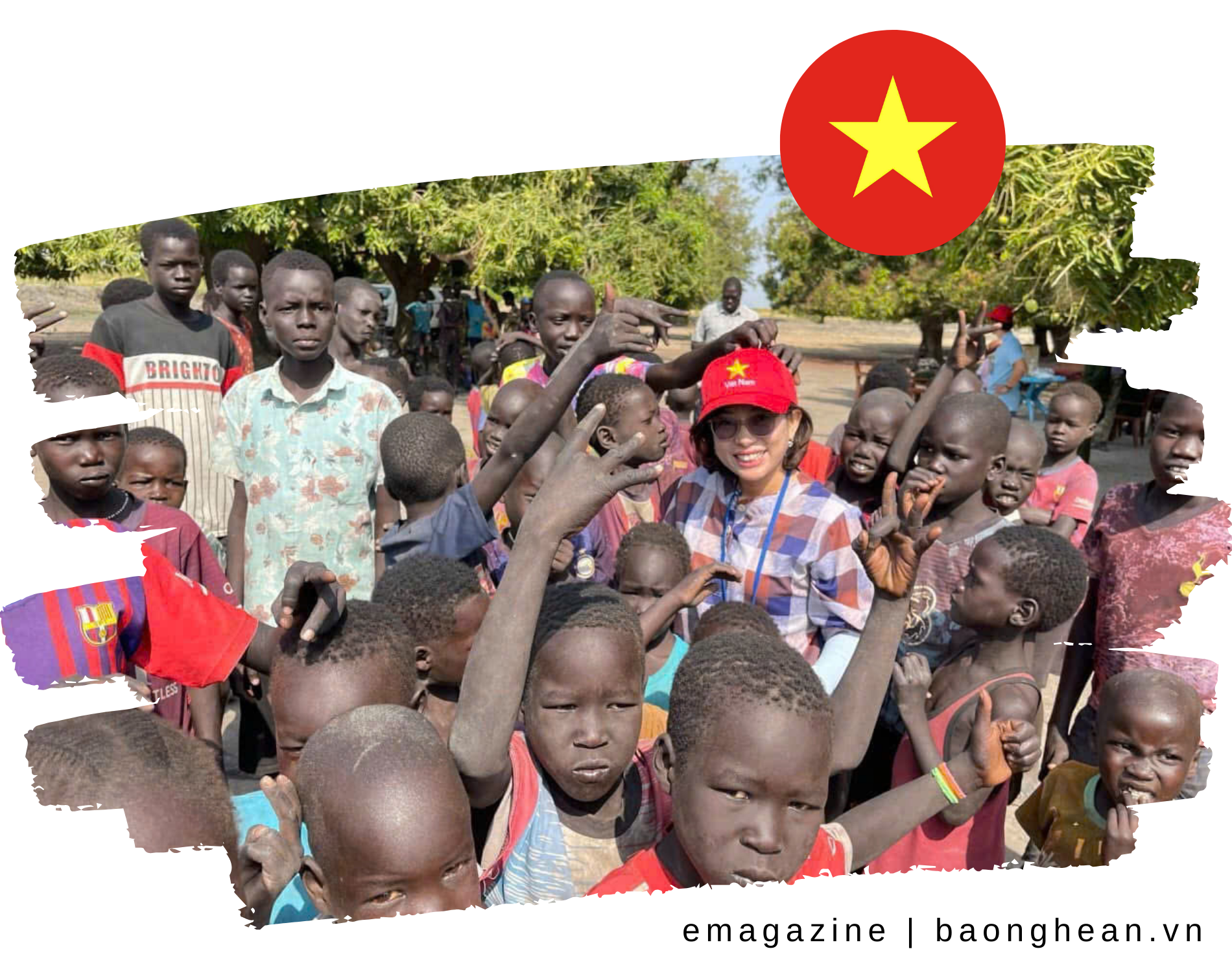
On her first day in Bentiu (Unit State, South Sudan), the first feeling that overwhelmed the female nurse from Military Hospital 4 was shock. Under the scorching sun, the landscape appeared heartbreakingly desolate. She recounted that the most haunting image was that of emaciated children, their clothes torn to shreds yet still clutched under their arms. Homesickness mixed with sorrow for these strangers made her realize that the coming days would be a challenging journey.
And indeed, the first challenge came from the professional tasks when assigned to Field Hospital Level 2 No. 4. “With the complex situation of malaria and cholera outbreaks and the high rate of HIV infection among the population, military medical personnel faced many difficulties. Furthermore, the skin color of the local people made taking vein points for IV fluids or injections more difficult than usual,” Ms. Hang recalled. However, beyond professional skills, there was the heart of a mother and a sister. There were sleepless nights she spent watching over patients, and there were touching moments when she personally cut up her own clothes to sew diapers for local newborns. That love erased the differences in skin color and language.
Beyond just providing medical care, the Vietnamese soldiers also brought the industrious "genes" of their homeland to a foreign land. Ms. Hang and her comrades planted the first hoes in the barren land, overgrown with snakes, centipedes, and weeds, to clear the land and create gardens. In a short time, lush green vegetable beds – the result of their diligent efforts – sprouted in the desolate area. These "Uncle Ho's soldiers" enthusiastically shared seeds and personally taught the local people and soldiers how to grow vegetables. Then, when the first Vietnamese okra sprouted in the gardens of the South Sudanese people, they respectfully presented their first harvest to the women and men of the South Sudanese army.
On the day she left South Sudan to return home, Ms. Hang cried. Partly out of joy at the prospect of going home, and partly because of the overwhelming memories. Upon her return, almost all of her personal belongings, clothes, and other items she had brought with her were left behind for the local people. However, her backpack remained heavy with dozens of souvenirs, photographs, and mementos given to her by locals and international friends. Ms. Hang donated most of these gifts to museums.
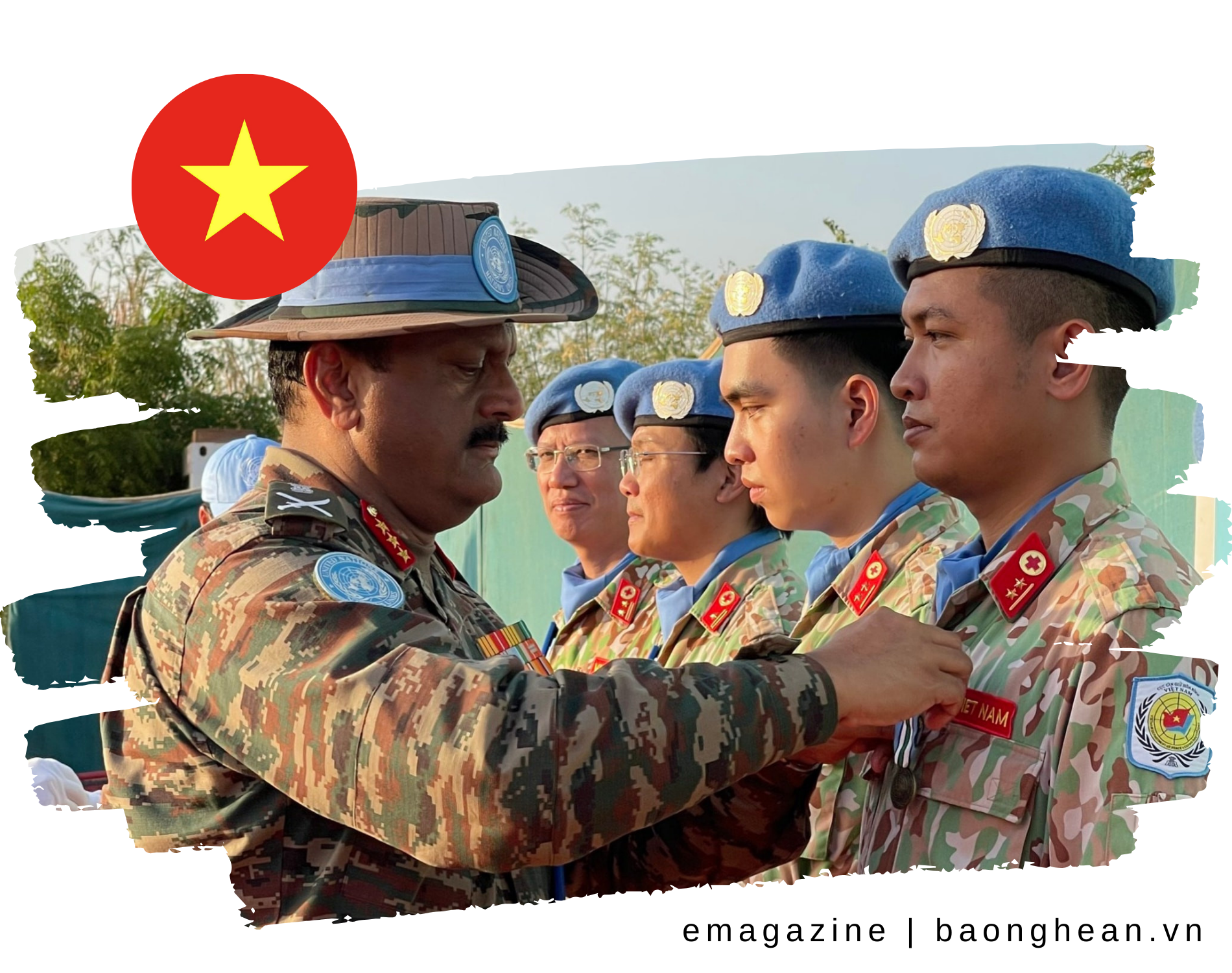
"We gave with dedication, responsibility, and human kindness. And in return, we received an invaluable gift – appreciation and gratitude. That's what makes us happiest," Ms. Hang confided.
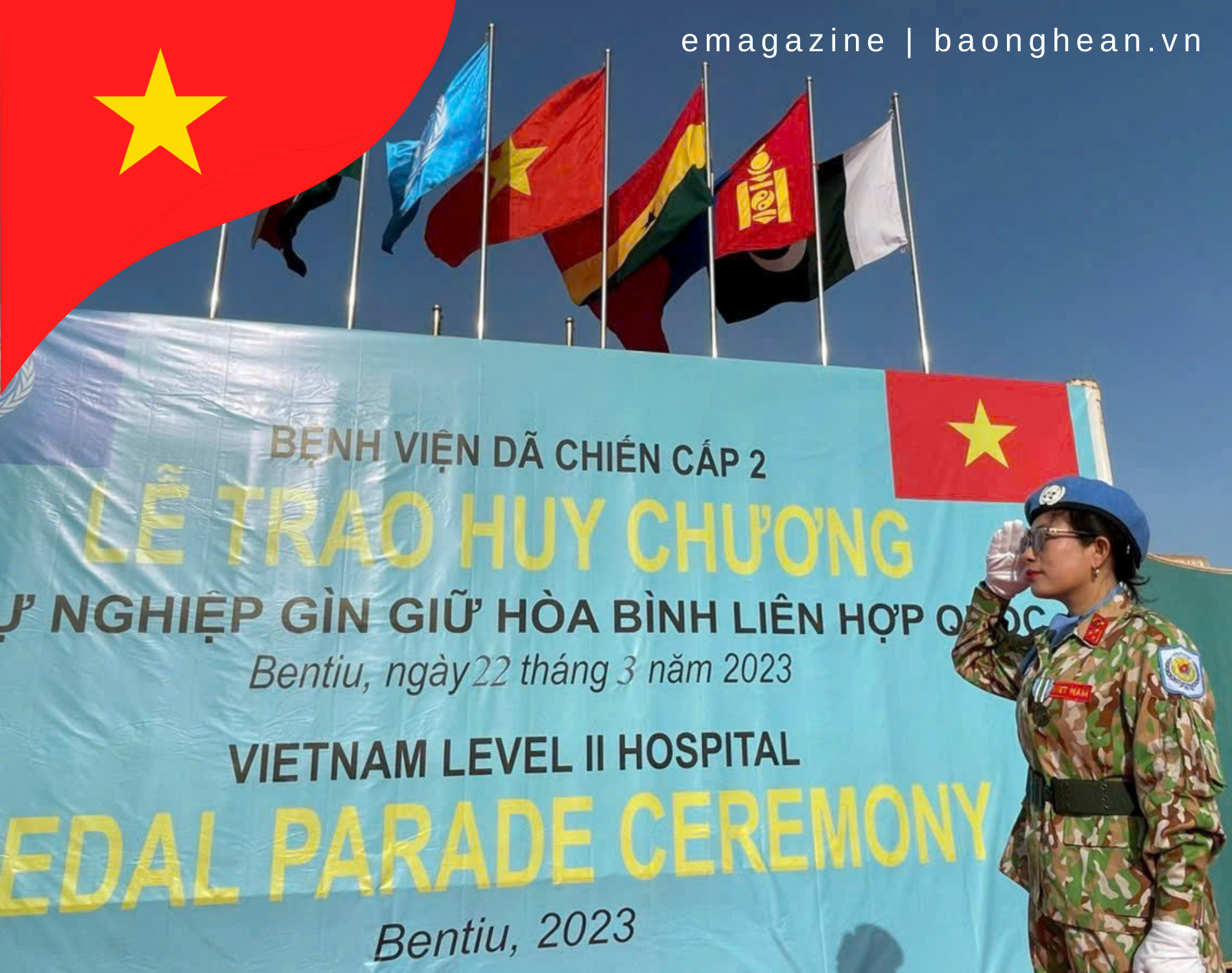
If happiness comes from the gratitude of the people, then the most miraculous thing that Ms. Hang and her teammates felt throughout their journey was the "power" of the two words "Vietnam" in a place 10,000 km away.
"There were times when I volunteered in complex war zones, where the line between life and death was very thin. But just knowing I was Vietnamese, or seeing the red flag with a yellow star on my uniform, the guns would lower or smile and let me pass. As for the people, needless to say, when they knew I was Vietnamese, they would cheer and greet me, even hug me," Ms. Hang recounted with overflowing emotion. In the eyes of international friends, the opinions of Vietnamese officers are always especially respected. This is not simply a matter of courtesy; it is a respect for a nation that has gone through war and hardship, and is ready to bring peace to other countries.
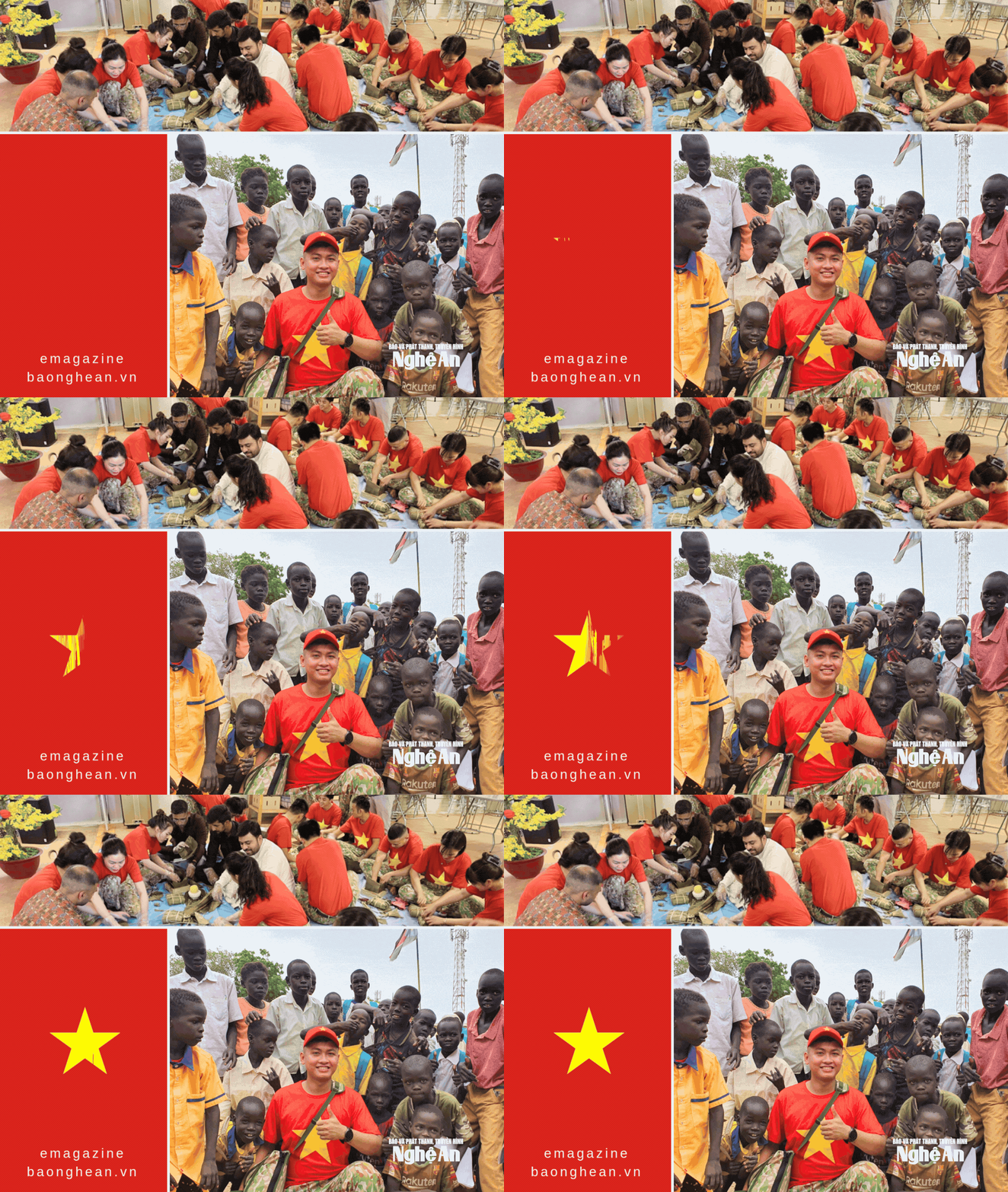
During the traditional Lunar New Year, the Level 2 Field Hospital for Vietnamese soldiers transforms into a "cultural meeting point." Friends from other countries flock to offer their greetings, eagerly sampling traditional dishes like banh chung (sticky rice cake) and gio lua (pork sausage), and passionately listening to stories about the Vietnamese New Year. Conversely, the Vietnamese soldiers are warmly welcomed at the festivals of their host countries. This cultural exchange makes the New Year away from home feel less cold and lonely, instead filled with the warmth of international camaraderie and fellowship.
Those feelings further fueled the Vietnamese soldiers' pride in their nation. This pride was further concretized by a special project: the Vietnamese flagpole. They painstakingly carried small bags of cement on numerous "cargo horses" (a playful term for military aircraft) to pour concrete and erect a magnificent flagpole on the site. Watching the red flag with a yellow star flutter in the African sun and wind, the soldiers understood that they were not only representing themselves and their homeland, but also carrying the image of their nation on their shoulders.
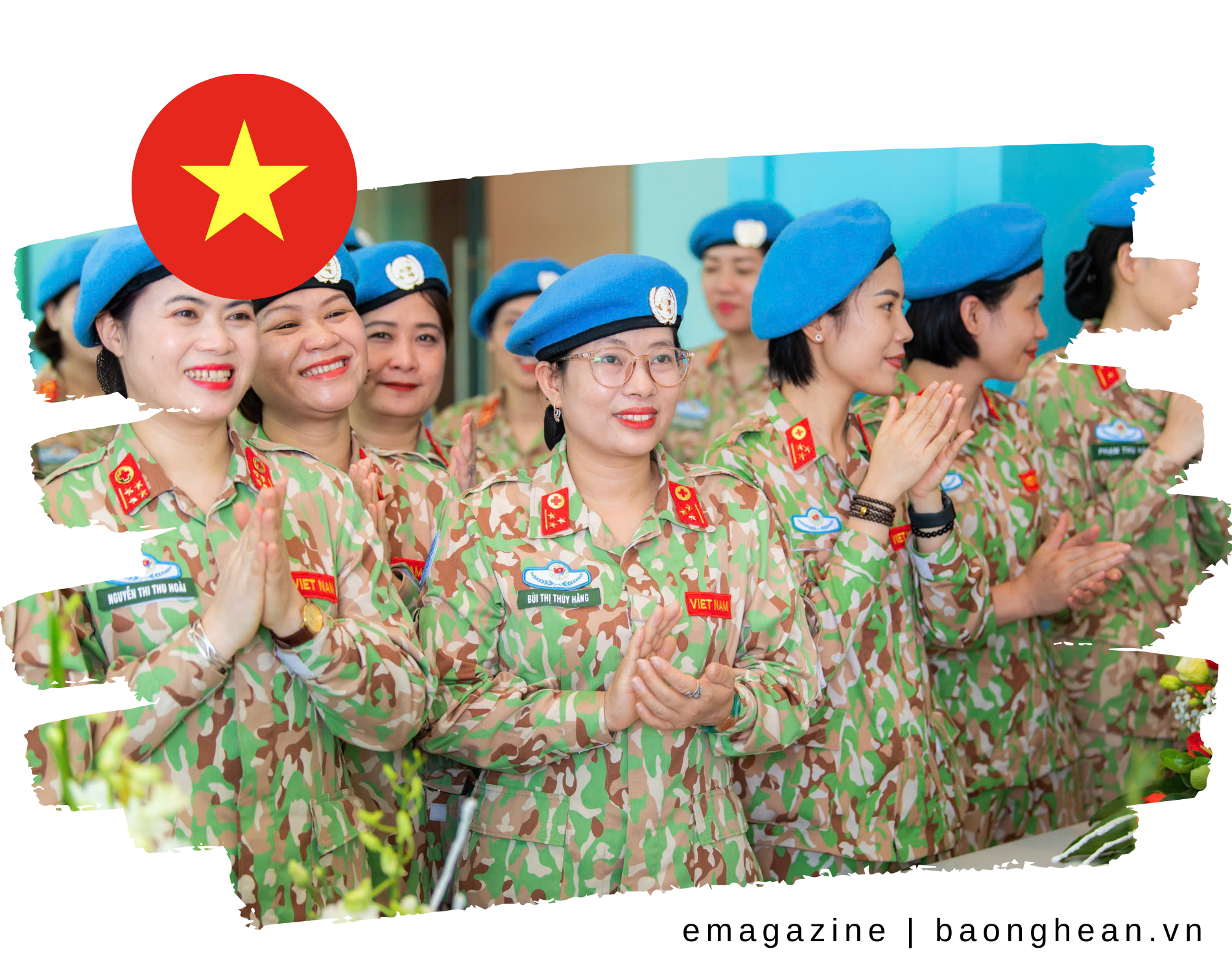
Spring 2026 has arrived. Halfway around the world, the soldiers in their green berets are quietly setting aside their personal lives to maintain peace for the world. Another female medical staff member from Military Hospital 4 is continuing the journey that Ms. Hang has taken. Their story once again reminds us of the value of peace and compassion. These values will make us even "happier to be Vietnamese."


