
Enhancing the economic value under the forest canopy.
Nghe An province boasts the largest forest area in the country, with over 1 million hectares of forest. It not only serves as a green lung protecting the environment and a strong bulwark for national defense and security, but also holds significant economic potential, including economic models operating under the forest canopy.
Focusing on developing and diversifying economic models under the forest canopy not only contributes to sustainable forest protection but also improves income and stabilizes the lives of local people.
Many models have proven effective.
Having lived in Canh Tang village, Yen Hoa commune for generations, the lives of Ms. Lo Thi Thoan's family, as well as most of the villagers, depend entirely on the forest. Especially since the State allocated forest land to them for cultivation, protection, and the provision of seedlings and livestock to develop the economy under the forest canopy, her family's life has become increasingly stable and prosperous. Ms. Thoan shared: “Before, we used to go into the forest to exploit resources and burn fields for cultivation, but now we don't do that anymore. Now, thanks to the State's attention, support, and guidance, we only focus on protecting the forest, planting bon bo trees, and raising livestock under the forest canopy, and we have a high and stable income.”
In the entire Cành Tạng village, nearly 1,000 hectares of forest have been allocated to the local people for cultivation and protection. To improve the income of the villagers, in addition to the forest environmental service payment system, the development of economic models under the forest canopy through various programs and projects has received attention from all levels of government and local authorities. Medicinal plants such as Bon bo and purple cardamom thrive when grown under the forest canopy, yielding high productivity and output. This contributes to increasing the income of the local people.
According to Mr. Nguyen Huu Manh, head of Canh Tang village, developing the economy under the forest canopy both protects the forest, utilizes forest land, and increases income, so the villagers are very enthusiastic about participating.
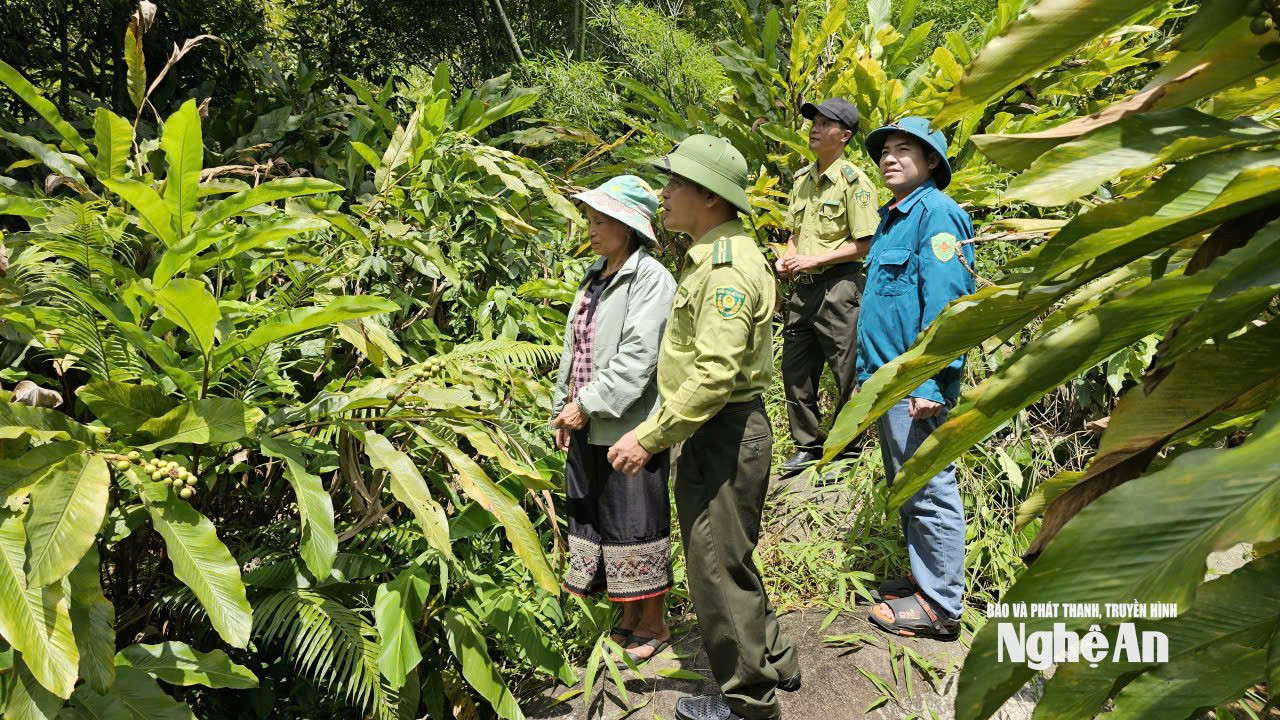
In Thong Thu commune, economic models under the forest canopy, focusing on valuable medicinal plants, have been developed with the attention of the Pu Hoat Nature Reserve Management Board, local authorities, and the people. Besides golden flower tea, other crops include Codonopsis pilosula and Bon Bo. This has helped stabilize the lives of the local people; importantly, it has helped prevent forest encroachment and illegal logging.
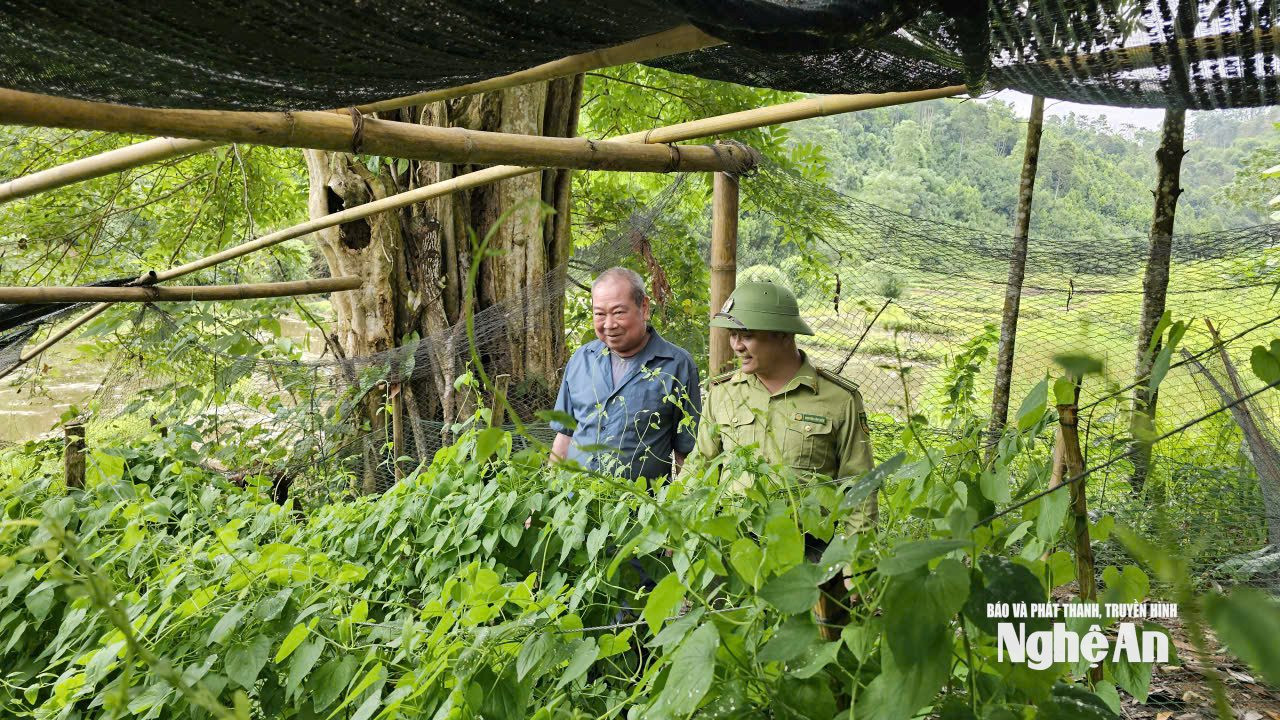
With over 2,000 thriving Codonopsis pilosula plants, Mr. Lang Van Khoa's family in Ang Dua village, Thong Thu commune, is expected to earn a substantial income. Mr. Khoa stated: “This Codonopsis pilosula plant thrives best under the forest canopy because of the high humidity. My family planted it in February, and it bears fruit around July or August, turning purple like a plum when ripe; the roots can be harvested after about two years.”
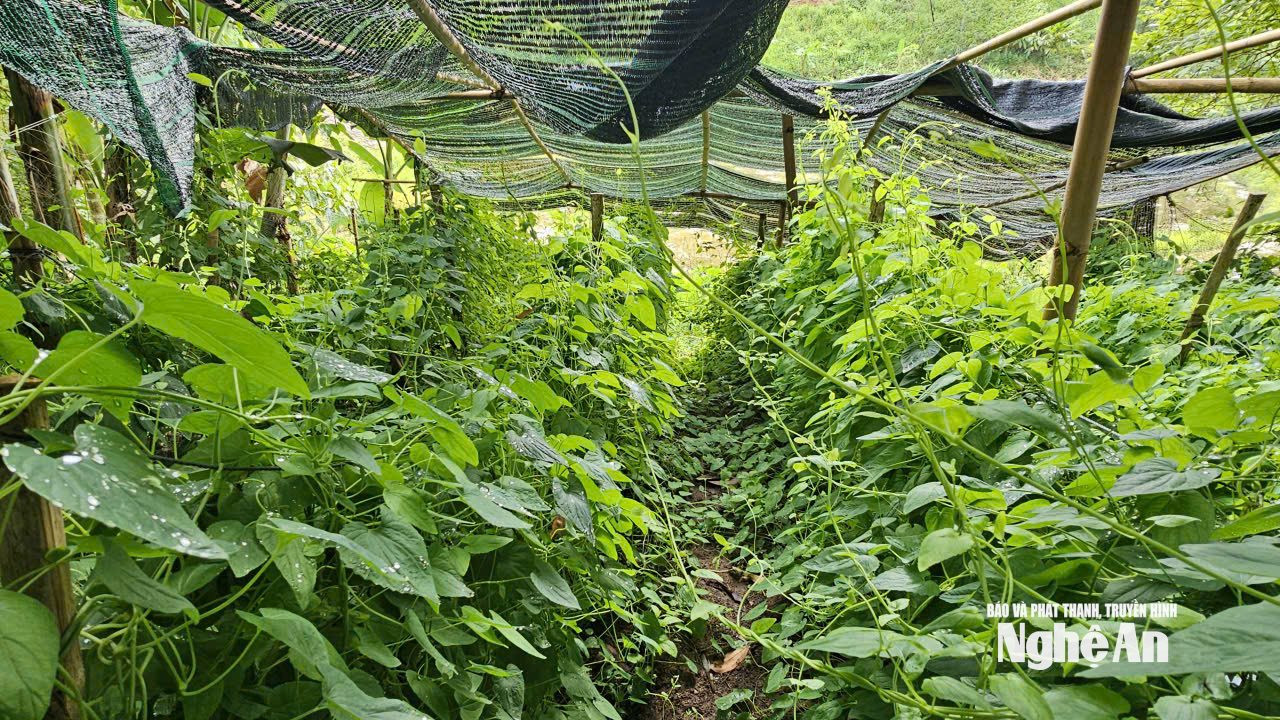
Assessing the effectiveness of economic models under the forest canopy in the area, Mr. Nguyen Van Hieu - Deputy Director of Pu Hoat Nature Reserve, said: "We highly appreciate these models, because some of them generate tens or even hundreds of millions of dong in annual income. This has improved and enhanced the living standards and economic development of the people in the buffer zone."
Besides medicinal plants, livestock farming has also been one of the effective approaches for the forest-based economic model in the western region of the province in recent years.
In Puc village, Que Phong commune, aiming to develop the economy while preserving the genetic resources of the local chicken breed, Mr. Quang Van Trung's family has established a commercial farming model for the native chicken breed. During a conversation, Mr. Trung stated: "Thanks to the suitable natural climate under the forest canopy and proper care, the chickens grow and develop well, and the product is well-received by the market. This brings in an income of 25-30 million VND per batch."
More practical support solutions are needed.
With its extensive forest cover, the western region of Nghe An province possesses numerous conditions and advantages for developing an economy under the forest canopy, ranging from valuable medicinal plants with high economic value to popular local specialties. However, besides support in terms of capital, seedlings, livestock, science, and technology, ensuring a stable and sustainable market for their products is of paramount importance to the local people.
Mr. Ngan Van Tuan, head of Na Hum village in Thong Thu commune, shared: “The people here grow many kinds of medicinal herbs under the forest canopy and earn a decent income. However, for many years, we have been dependent on small traders and are often subjected to price manipulation. Therefore, we hope that the government will pay attention and have specific solutions to ensure stable output and long-term livelihoods.”
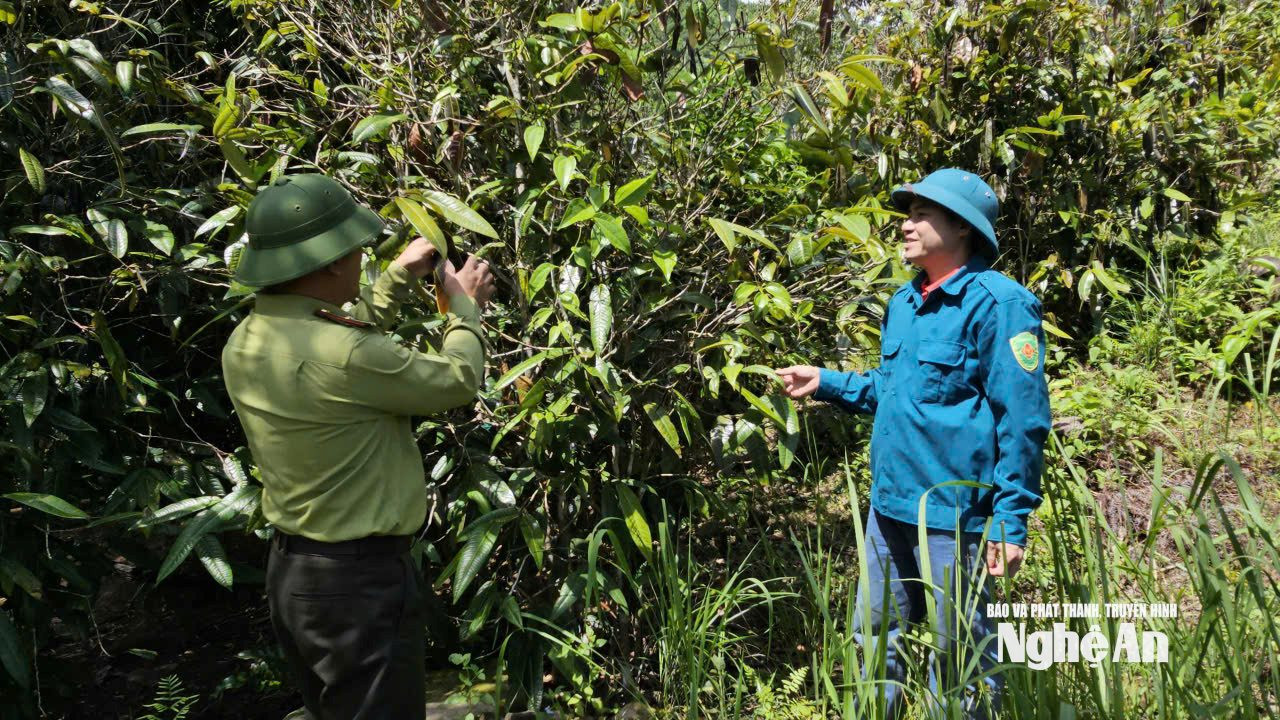
The achievements of the sub-forest economy are commendable. However, to enhance its value and sustainability, comprehensive solutions from relevant authorities are essential. Regarding this issue, Mr. Nguyen Danh Hung, Deputy Director of the Nghe An Department of Agriculture and Environment, suggested that, in the short term, it is necessary to plan and identify key areas, areas in need, and areas favorable for the development of the sub-forest economy. In addition, it is crucial to select plant and animal species suitable to the soil conditions, climate, even customs and traditions, the capabilities of the people, and investment capacity. Simultaneously, it is necessary to combine funding from national target programs, poverty reduction programs, socio-economic development programs for ethnic minority areas, and other legitimate sources of capital. Furthermore, emphasis should be placed on joint ventures and linkages, especially the involvement of businesses in processing and consumption to create high value per unit area.
The journey to enhance the economic value under the forest canopy in the mountainous areas of Nghe An province still faces difficulties and challenges. These include the problem of transportation infrastructure in the highlands, the issue of initial investment capital, and the ever-present risks of climate change. Hopefully, the achievements made so far, along with the solutions implemented in the future, will serve as a foundation for achieving even better results. This will contribute to the increasingly prosperous appearance of western Nghe An province.
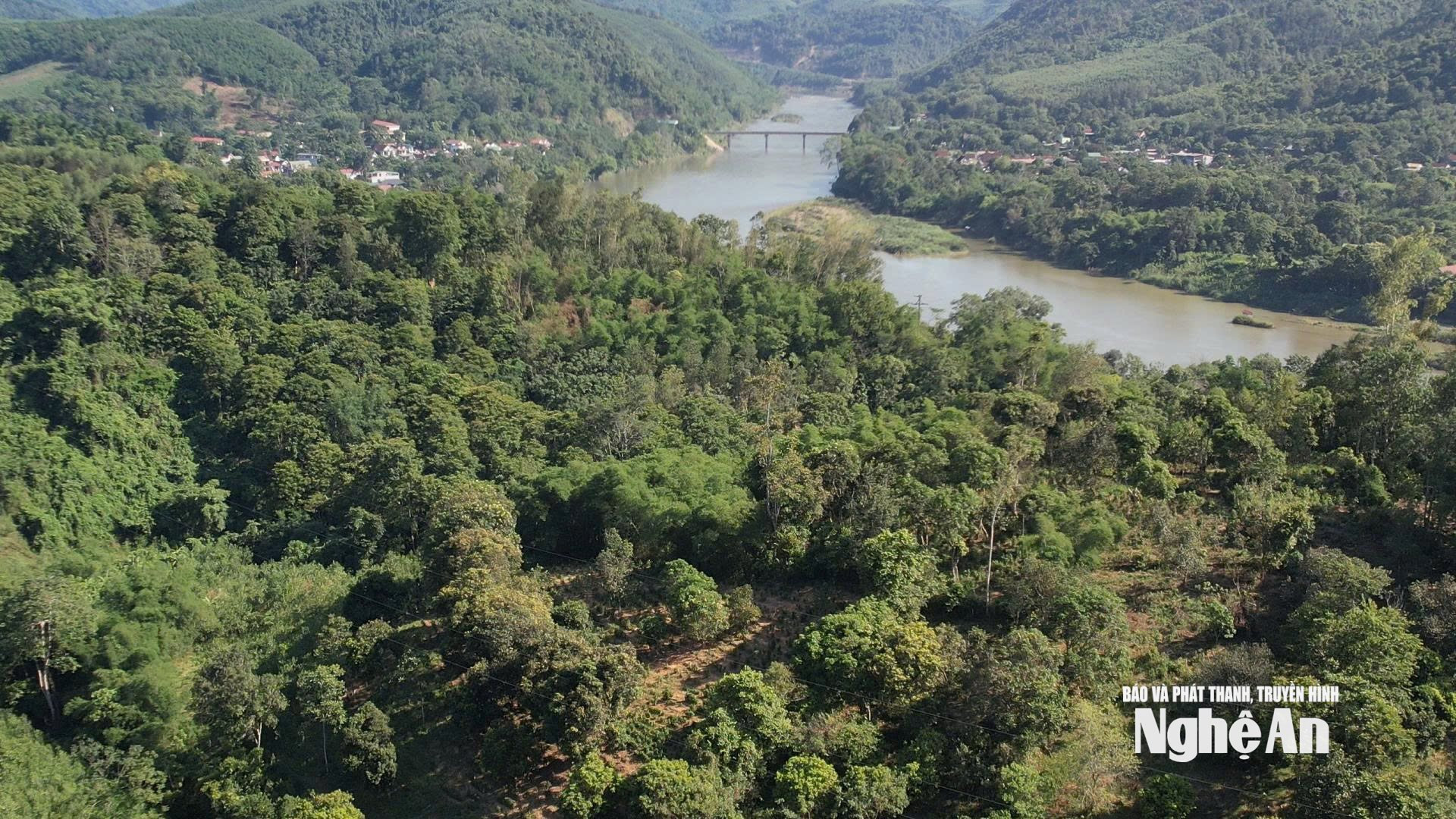
The mountainous region of Nghe An has now established more than 40 production and consumption chains for products grown under the forest canopy, along with nearly 100 products that have received provincial-level OCOP certification. This is clear evidence of the correct direction, transforming the potential of the forest into tangible economic growth figures, changing the face of poor rural areas.


